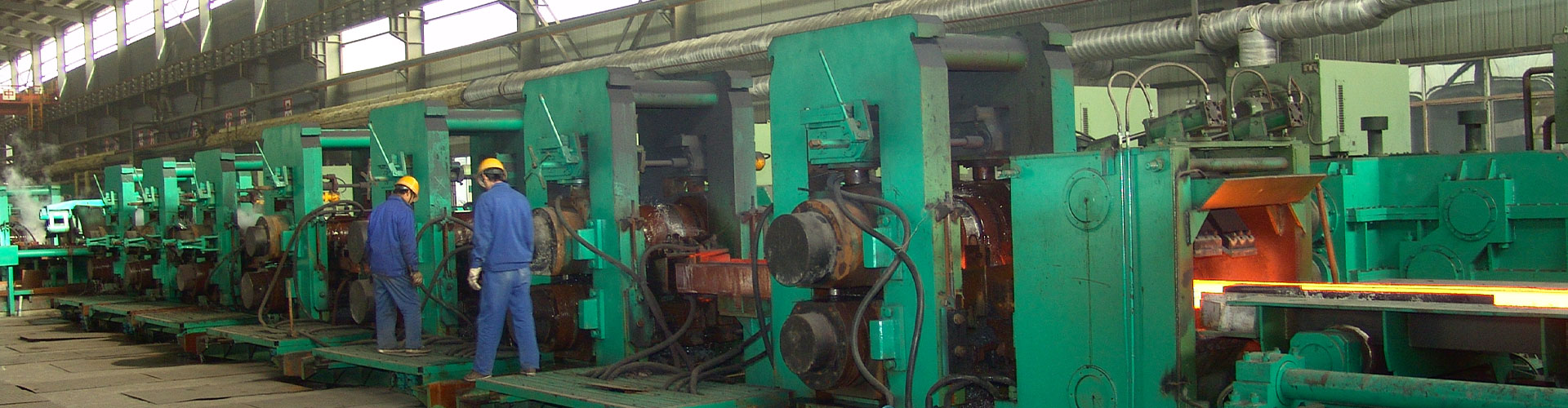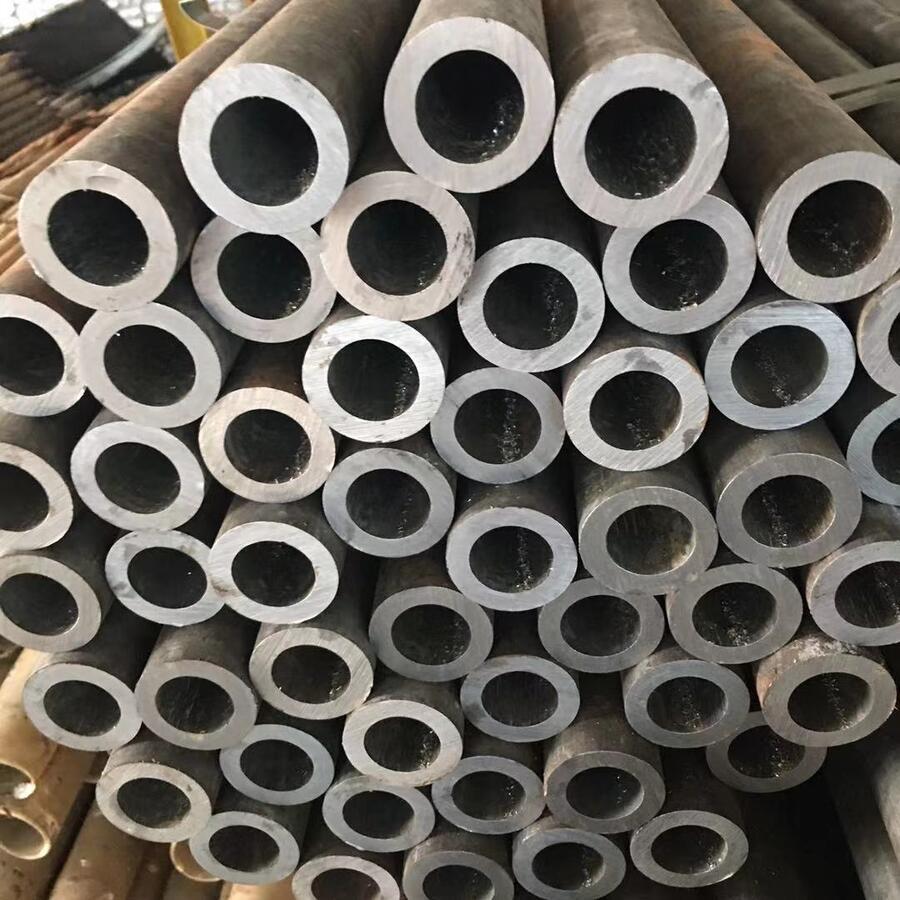
High speed roll mills are essential equipment in the manufacturing sector, particularly in the processing of metals and other materials. These machines are designed to produce high-quality products with precision and efficiency. In this article, we will delve into the intricacies of high speed roll mills, their specifications, applications, and the advantages they offer.
What is a High Speed Roll Mill?
A high speed roll mill is a type of rolling mill that operates at elevated speeds to process materials such as steel, aluminum, and other metals. The primary function of these mills is to reduce the thickness of the material while maintaining its structural integrity. High speed roll mills are widely used in various industries, including automotive, aerospace, and construction.
Key Features of High Speed Roll Mills
High speed roll mills come with several features that enhance their performance:
- High Efficiency: These mills can process materials quickly, reducing production time.
- Precision Engineering: They are designed to produce materials with tight tolerances.
- Durability: Built with high-quality materials, they can withstand the rigors of continuous operation.
- Versatility: Capable of processing various materials, including different grades of steel and alloys.
Specifications of High Speed Roll Mills
Understanding the specifications of high speed roll mills is crucial for selecting the right equipment for your needs. Below is a comprehensive table detailing the specifications of a typical high speed roll mill:
| Parameter | Specification |
|---|---|
| Roll Diameter | 200 mm – 600 mm |
| Roll Width | 1000 mm – 3000 mm |
| Maximum Speed | 120 m/min – 300 m/min |
| Power Consumption | 50 kW – 200 kW |
| Material Thickness Range | 0.5 mm – 25 mm |
| Weight | 5 tons – 20 tons |
| Control System | PLC-based Automation |
| Cooling System | Water Cooling / Air Cooling |
| Dimensions (LxWxH) | 3000 mm x 1500 mm x 2000 mm |
| Material Type | Carbon Steel, Stainless Steel, Alloy Steel |
Applications of High Speed Roll Mills
High speed roll mills are utilized in various applications, including:
- Metal Processing: Used for rolling sheets, strips, and plates.
- Automotive Industry: Manufacturing components such as chassis and body panels.
- Aerospace: Producing lightweight and high-strength materials for aircraft.
- Construction: Creating structural steel for buildings and infrastructure.
Advantages of High Speed Roll Mills
The advantages of using high speed roll mills are numerous:
- Increased Production Rates: The high-speed operation allows for faster processing times.
- Cost-Effectiveness: Reduced labor and operational costs due to automation and efficiency.
- Improved Product Quality: Enhanced precision leads to better quality products with fewer defects.
- Flexibility: Ability to handle a variety of materials and thicknesses.
Conclusion
In conclusion, high speed roll mills are a vital component in the manufacturing industry, offering efficiency, precision, and versatility. Understanding their specifications and applications can help businesses make informed decisions when selecting equipment. For more information on high speed roll mills and related equipment, you can visit HANI TECH for rolling mills and their components, or HANI METALLURGY for melting furnaces and auxiliary equipment.
By investing in high speed roll mills, manufacturers can enhance their production capabilities and maintain a competitive edge in the market.