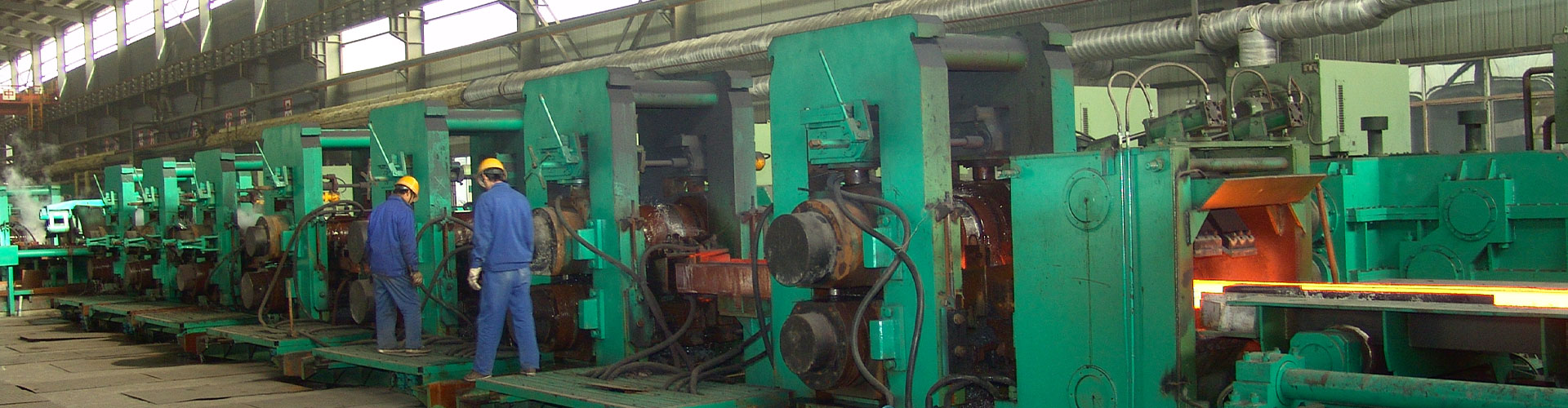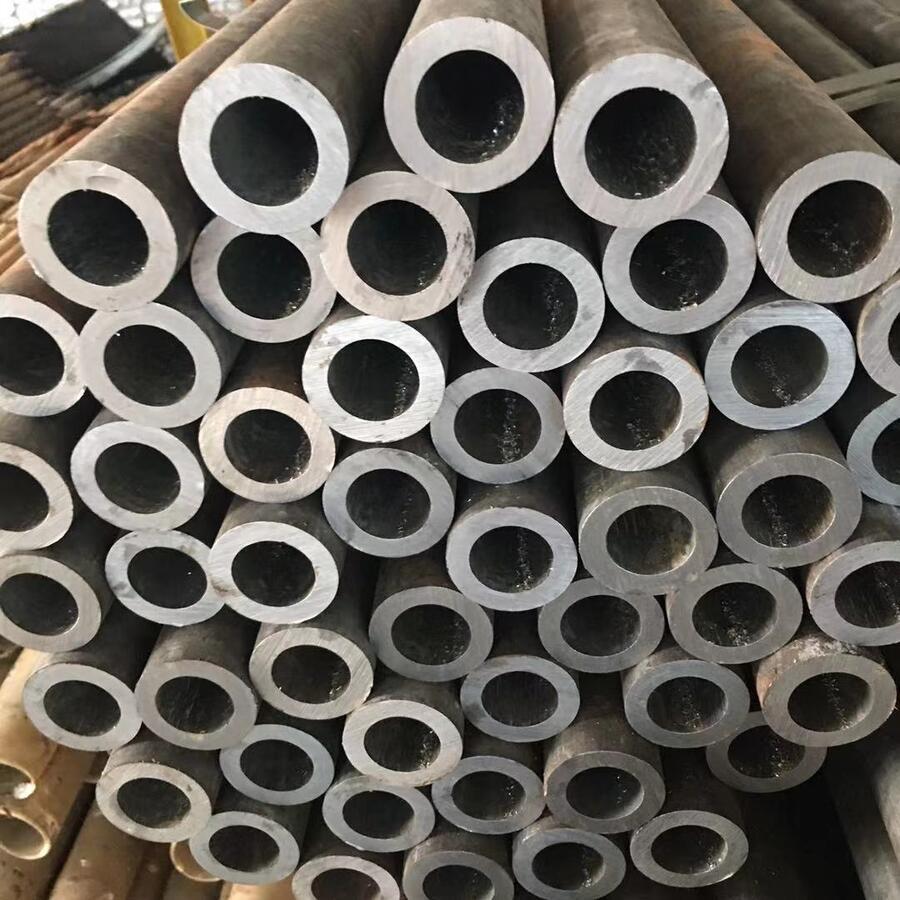
A complete technical and operational guide to building and running a modern high-speed tool steel rolling line with real data, equipment specs, and process flow.
Producing high-speed tool steel at scale requires more than just strong machines — it demands precision, consistency, and a deep understanding of metallurgy and rolling dynamics. This article walks you through a fully functional 100,000-ton-per-year production line designed specifically for high-speed tool steel, including real-world parameters, equipment configurations, and process insights that matter to plant engineers, operators, and technical decision-makers.
Whether you’re upgrading an existing mill or planning a new installation, this guide delivers practical knowledge based on proven industrial designs used in modern special steel facilities.
Why High-Speed Tool Steel Is Different
High-speed tool steels (like M2, M35, or T15) are alloy-rich materials designed to retain hardness at elevated temperatures — essential for cutting tools, drills, and dies. Rolling them isn’t the same as processing carbon steel. These alloys have higher deformation resistance, stricter temperature control needs, and require precise microstructure management during cooling.
That’s why a dedicated steel rolling mill for high-speed tool steel must be engineered differently — from the reheating furnace all the way to the coiling stage.
Production Capacity and Product Range
This line is built for an annual output of 100,000 metric tons, operating around the clock with planned maintenance downtime. It supports both small and large coil formats, giving flexibility in downstream processing like annealing, drawing, or machining.
| Parameter | Value / Range | Notes |
|---|---|---|
| Annual Capacity | 100,000 tons/year | Based on 330 operating days |
| Steel Grades | High-speed tool steel, hot/cold work die steel | Includes M2, H13, D2 types |
| Billet Size | 115 × 115 × 1500 mm | Single billet weight: ~650 kg |
| Finished Wire Diameters | Φ5.5, 6.5, 8, 9, 10, 11 mm | Tolerance per GB/T 14981 |
| Max Coil Weight | ≤650 kg | For small coils (wire rod) |
| Max Large Coil OD | Φ1000 mm | For bar coil applications |
Process Flow: From Billet to Coil
The production line splits into two paths after the intermediate rolling stage: one for large-diameter bar coils and another for fine wire rods. This dual-path design increases market reach and allows efficient use of the same upstream equipment.
Large Coil (Bar) Production Path
- Billet reheating in walking-beam furnace (1150–1200°C)
- Roughing mill (reduces to ~Φ25–30mm)
- Intermediate continuous mill (to ~Φ13–16mm)
- Turn-down guide → Large coil winder
- Coil handling via transfer car
Small Coil (Wire Rod) Production Path
- Intermediate mill output (max Φ13mm, ≥850°C)
- Turn-down guide → Pre-water box (controlled cooling)
- Side loop for tension buffering
- Pinch-off shear (removes defective head)
- 10-stand 45° tandem finishing mill (DC 1600kW)
- Post-finishing water box or direct transfer
- Pinch roll → Looper吐丝机 (20° horizontal type)
- Spreading on cooling bed (6.6m long)
- Coil collection and transfer to退火罐
This dual-path setup ensures maximum utilization of the front-end rolling process while allowing customization in final product form.
Key Equipment Specifications
1. 45° Tandem Finishing Mill (Core of the Line)
This is where precision meets power. The finishing mill determines final dimensional accuracy, surface quality, and microstructure uniformity.
| Feature | Specification |
|---|---|
| Number of Stands | 10 stands, inline |
| Roll Angle | 45° alternating (vertical/horizontal) |
| Drive System | Single DC motor, 1600kW, centralized gearbox |
| Avg. Extension Coefficient | 1.18 per pass |
| Entry Size | Max Φ13mm, temp ≥850°C |
| Exit Speed (Φ5.5mm) | ≥25 m/s |
| Roll Type | Cantilever roll rings |
| Roll Ring Material | Tungsten carbide (high wear resistance) |
| Gearbox Precision | Grade 5 ground hard gears |
| Lubrication | Centralized thin oil system |
This mill is modeled after the Morgan 6th generation design but optimized for high-alloy steels. The 45° staggered roll arrangement allows smooth transfer between stands and reduces lateral forces on the workpiece.
2. Pinch-Off Shear (Before Finishing Mill)
Located just before the finishing train, this shear removes the cooled head end of the bar, which can cause vibration or clogging in the fine-rolling stands.
- Type: Pneumatic actuation
- Max Cutting Force: 52 kN
- Cut Accuracy: < 0.13 mm deviation
- Response Time: < 0.3 seconds
Fast and reliable cutting ensures clean entry into the finishing mill, reducing roll wear and improving product consistency.
3. Side Loop (Tension Buffer System)
Between the intermediate mill and finishing mill, a horizontal live loop maintains constant tension. This prevents over-pulling or slack that could lead to looping or breakage.
- Actuation: Pneumatic loop lift
- Detection: Non-contact photoelectric scanner
- Adjustable Range: 0–450 mm
- Response Speed: Real-time feedback control
4. Water Cooling Systems (Pre- and Post-Finishing)
Controlled cooling is critical for high-speed tool steel to avoid surface cracks and manage phase transformation.
| Cooling Zone | Length | Function |
|---|---|---|
| Pre-Finishing Water Box | ~6m | Reduces entry temp to 850–900°C, improves roll life |
| Post-Finishing Water Box | ~8m (split design) | Controls transformation rate, prevents carbide network |
The post-finishing water box uses segmented cooling zones with adjustable flow to fine-tune the cooling curve based on steel grade and diameter.
5. Large Coil Winder (Bar Coiler)
For larger diameters (Φ10–25mm), the bar coiler produces heavy coils suitable for straightening and cutting lines.
- Quantity: 2 units (for continuous operation)
- Infeed Speed: 4–8 m/s
- Coil Outer Diameter: Φ850–1000 mm
- Coiling Temperature: 800–900°C
- Motor: DC 160kW, 1500 rpm
- Pinch Roll Material: High-speed steel (W6 grade)
- Lubrication: Oil bath with L-CKC220 gear oil
6. Pinch Roll and Looper (Wire Rod Coiler)
After the finishing mill, the wire is guided through a pinch roll and into the looper, which lays it in a spiral pattern on the cooling bed.
- Looper Type: 20° horizontal, rotating core shaft
- Cooling Tube: Water-cooled to prevent heat transfer
- Tube Replacement: Hydraulic lid opening for fast change
- Pinch Roll: Horizontal cantilever, pneumatically adjustable clamping force
- Lubrication: Centralized thin oil system
7. Cooling Bed and Coil Handling
The cooling bed is 6.6 meters long, made of roller chain conveyor with individual drive segments. This allows precise speed control and prevents wire distortion during cooling.
- Material: Heat-resistant alloy steel rollers
- Cooling Time: ~60–90 seconds (ambient air)
- Coil Collection: Drops into basket, shaped by looping device
- Transfer: Moves to退火罐 (annealing can) via trolley
Operational Tips from Real Mills
Based on field reports from similar installations, here are practical tips that help maintain quality and uptime:
- Preheat the finishing mill housing before start-up to avoid thermal shock — especially in winter.
- Monitor roll wear daily — tungsten carbide rolls last longer but still degrade. Replace when ovality exceeds 0.05mm.
- Use descaled water in cooling boxes to prevent nozzle clogging and ensure uniform flow.
- Keep the side loop alignment perfect — misalignment causes frequent looping issues.
- Run test heats with H13 first — it’s easier to process than M2 and helps tune the line before switching to high-vanadium grades.
- Log exit temperatures every shift — small changes affect downstream annealing behavior.
Delivery, Installation, and Commissioning
Time-to-operation matters. This entire steel rolling mill setup — including motors, couplings, and mechanical linkages — is delivered within 4 months of contract signing.
What You Get with the Package
- Full layout drawings (equipment positioning)
- Foundation plans with load specs
- Piping and utility connection details (water, air, power)
- Assembly diagrams and operation manuals
- On-site technical support during installation
- Training for operators and maintenance teams
Quality Assurance and Testing
Every critical component is built under ISO quality standards. The finishing mill undergoes full no-load testing before shipment, including vibration analysis and oil flow verification.
- All gearboxes are dynamically balanced
- Roll boxes are pre-assembled and labeled for easy installation
- Third-party inspection available upon request
- Final acceptance based on successful “red steel” run (hot commissioning)
If any part fails during the warranty period, it will be repaired or replaced at no cost — including shipping.
Final Thoughts for Engineers and Plant Managers
A 100,000-ton-per-year high-speed tool steel line isn’t just about capacity — it’s about consistency, reliability, and the ability to produce material that performs in demanding applications. The equipment choices, process controls, and operational discipline all add up to a product that customers can trust.
From the 45° tandem mill to the precision cooling systems, every component in this setup is chosen to handle the unique challenges of rolling high-alloy steels. Whether you’re serving the tooling, aerospace, or automotive sectors, this configuration gives you the flexibility and quality needed to compete globally.
If you’re evaluating upgrades or building a new steel rolling mill for special alloys, this technical outline provides a solid foundation for discussion with your engineering team or equipment suppliers.