Many people outside the industry, and plenty of newcomers inside it, share one misconception. They assume rolling means pushing a billet into a mill and letting the rolls squeeze it flat and long. That is all they see. Rolling is a precision metal forming process, and it does far more than change the outline of a piece of steel.
1. Steel Rolling Process: Plastic Deformation, Not Hard Pressing
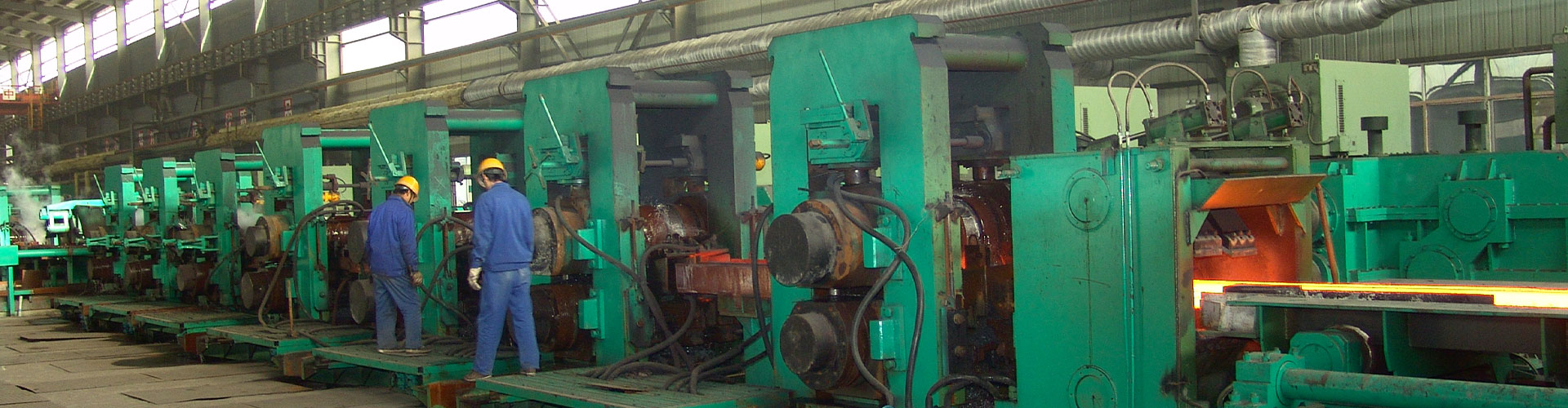
When steel leaves the furnace at high temperature, it carries good plasticity. It no longer behaves like the hard, brittle material you handle at room temperature. The top and bottom rolls turn in opposite directions, bite the billet and apply pressure evenly across it.
The rolls do not force the steel flat. Instead, the pressure makes the metal grains inside the steel slide, stretch and refine. The workpiece takes its new shape without losing its integrity. Ordinary pressing deforms material destructively. The steel rolling process shapes it in a controlled way and improves the material at the same time. That difference is the whole point.
2. Three Things Rolling Changes
2.1 The Shape of the Steel
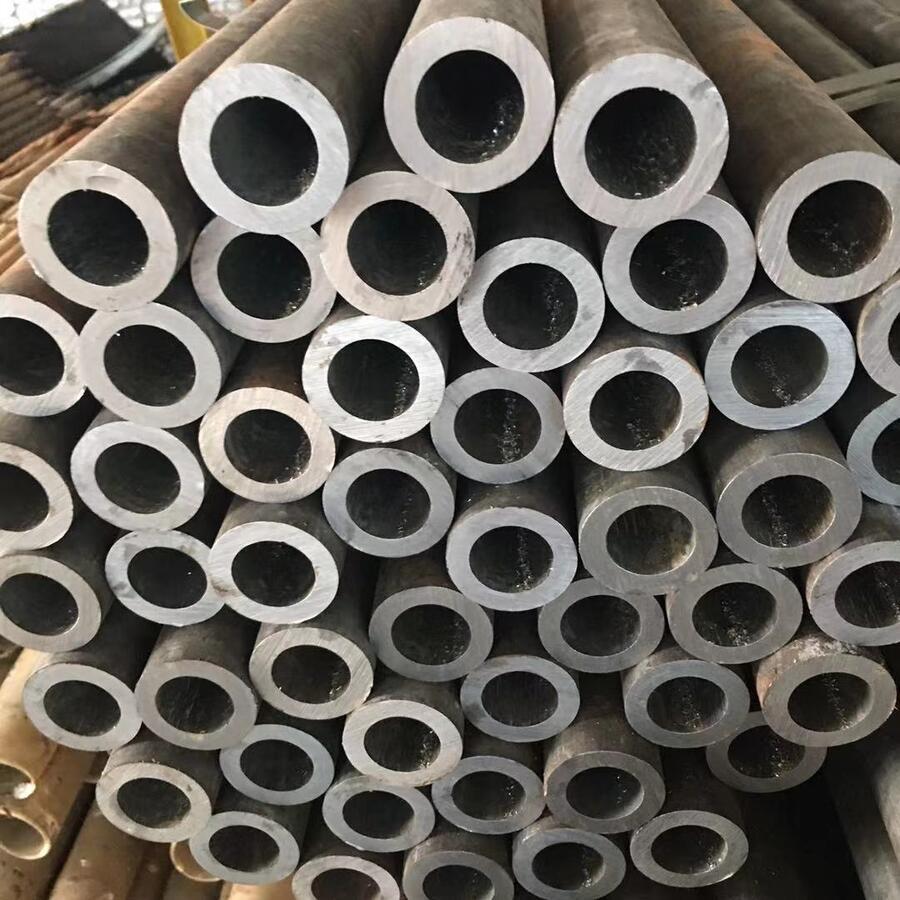
Raw billets usually arrive square or rectangular. After a series of passes through the rolls, they become the sections we see every day: rebar, round bar, flat bar, channel, angle, I-beam, plate and strip. Because each pass carries its own groove, each groove produces its own cross-section. Process control delivers that shape. Random pressing does not.
2.2 Thickness and Dimensional Tolerance
A heavy billet cannot go straight into service. Therefore roughing, intermediate and finishing passes adjust the roll gap step by step. Then each pass thins the steel a little more and draws it out. As a result, thickness and width end up inside the standard tolerance. On high-end plate and precision strip, dimensional accuracy reaches the millimetre range and even the hundredth of a millimetre. Rolling practice and roll precision deliver that accuracy, not brute force.
2.3 Strength and Mechanical Properties
This is the most important effect, and the one most often overlooked. A cast billet carries coarse grains and a loose internal structure, so it shows low strength and poor toughness. Once the rolls work on it, the grains stretch, break up and refine. As a result, the internal structure becomes uniform and dense, and three things follow:
- Tensile strength rises.
- Impact resistance and wear resistance improve.
- The steel resists cracking and distortion far better.
Take the same billet and roll it under two different sets of process conditions. The strength and quality of the finished steel diverge sharply. That is why structural sections must go through rolling, and why a plain billet cannot replace them.
3. Why Pressing at Random Fails
In a real steel rolling process, production does not stop at setting a roll gap. Five factors carry strict standards: steel temperature, rolling speed, pass reduction distribution, roll gap parallelism and cooling rhythm.
If the steel gets too hot, it overburns. Then the surface peels and oxidation loss climbs. If the steel cools too far, plasticity drops. Force it through the mill in that state and cracks appear, the billet breaks, and the rolls and bearings take damage. If the roll gap runs out of parallel, one side of the product comes out thick while the other runs thin. That product fails dimensional inspection and goes straight to scrap. When the speeds mismatch, steel piles up or gets pulled, which turns into a production accident.
If the mill presses blindly, the line produces rejects and scrap. It also loads the rolls and mill bearings harder, which speeds up equipment wear.
4. Hot Rolling and Cold Rolling
4.1 Hot Rolling
Hot rolling works at high temperature, where deformation resistance stays low and output runs high. It suits rebar, sections and ordinary plate, and it focuses on forming the shape and delivering basic properties.
4.2 Cold Rolling
Cold rolling re-rolls the steel at room temperature. Thermal softening plays no part here. High-precision roll pressure does all the work. The result is a smooth surface, very tight dimensional accuracy and higher material hardness. Because of that, cold rolled strip serves automotive sheet, appliance sheet and precision strip.
5. Equipment Behind the Process
The more precise the steel rolling process, the higher the demand on equipment. Roll wear resistance and roundness matter. So do the load capacity, heat resistance and running stability of the mill bearings. Therefore all of them feed directly into rolling accuracy, finished surface quality and line stability. Bearing vibration, abnormal clearance and uneven roll wear all show up as defects on the finished steel.
Anyone working in this industry needs the principle before the practice. Rolling is not squeezing steel flat. Ultimately, every pass combines process, equipment, temperature and attention to detail.