Introduction
The evolution of modern metallurgy has been significantly influenced by the advancements in rolling processes. One of the critical devices in this field is the steel rolling machine, which plays a decisive role in forming metal products with precise dimensions and improved mechanical properties. In this comprehensive article, we will not only examine the key aspects and design parameters of the steel rolling machine but also discuss its derivative applications and interconnections with other metal processing equipment. References from industry leaders such as HANI TECH’s hot rolling and metallurgy accessory segments (visit HANI TECH Hot Rolling Solutions and HANI TECH Metallurgy Components) are incorporated to provide additional valuable insights.
Overview of Steel Rolling Machine Technology
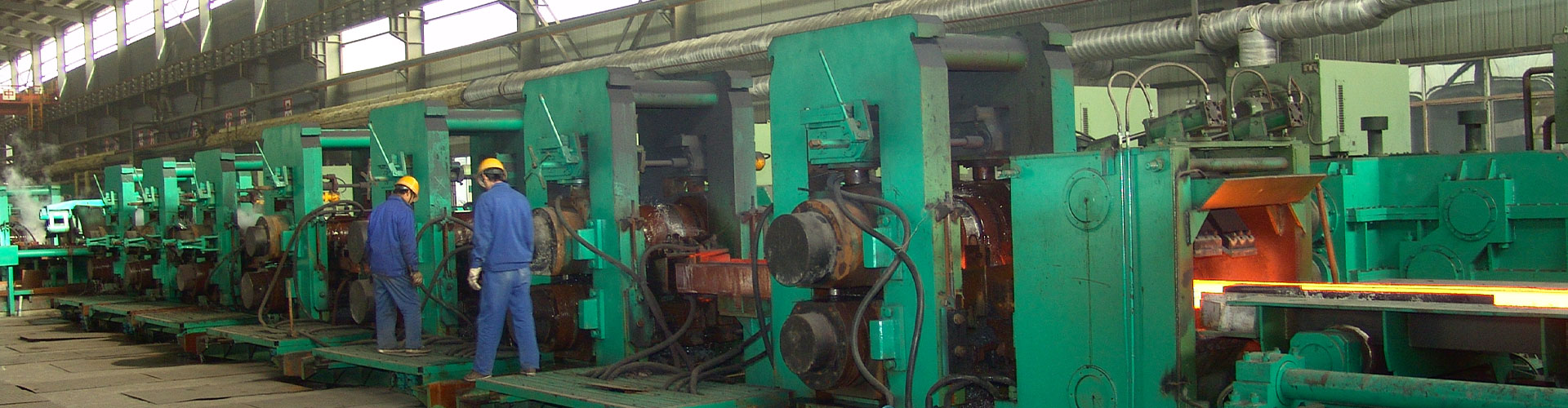
The steel rolling machine has been at the forefront of industrial innovation, transforming raw steel into final products that are viable for construction, automotive, and heavy machinery applications. These machines leverage precise mechanical design to roll and form steel under controlled conditions. The basic principle involves feeding heated or cold steel through a series of rollers, where high pressure results in deformation and shaping of the material. This process achieves enhanced grain structure, better surface finish, and an overall improvement in the steel’s mechanical properties.
Modern steel rolling machines incorporate advanced automation, digital monitoring systems, and high-grade materials. Additional derivative keywords naturally integrated into this discussion include “rolling mill technology,” “hot rolling mill,” “cold rolling mill,” and “metallurgical rolling processes.” The process parameters, combined with digital control systems, ensure that production is optimized for both efficiency and quality.
Technical Principles and Operating Mechanisms
The operation of the steel rolling machine centers around several core components that work in harmony to deliver the desired product characteristics. The driving mechanisms include adjustable rollers, hydraulic systems, and temperature control units. Here are some fundamental technical principles:
- Roll Force Application: The pressure exerted by the rolls determines the final thickness and mechanical properties of the steel. The roll force must be calibrated for different steel grades and thickness requirements.
- Thermal Management: High-temperature control is essential, especially in hot rolling applications. Computerized thermal monitoring systems help maintain optimum rolling temperatures to avoid defects such as warping or grain boundary issues.
- Material Flow Dynamics: The behavior of steel as it deforms under pressure is crucial. Advanced finite element analysis (FEA) techniques are often applied to predict material flow, thereby ensuring uniform rolling and consistency across batches.
These operating principles are enhanced in modern devices by incorporating feedback systems and precision sensors, ensuring that the steel rolling machine operates at peak performance even under varied load conditions and environmental influences.
Design and Engineering Parameters
To further understand the capabilities of the steel rolling machine, it is critical to examine its technical specifications. The table below summarizes a broad set of parameters that are typical for a state-of-the-art steel rolling machine. Detailed engineering parameters include mechanical, electrical, and thermal characteristics that drive the rolling process.
| Parameter | Description | Specification | Units |
|---|---|---|---|
| Roll Diameter | Diameter of the rolls used for deformation | 500 – 1500 | mm |
| Roll Width | Width of the rolls ensuring even force distribution | 1000 – 3200 | mm |
| Roll Force | Maximum force that can be applied during rolling | 5000 – 30000 | tons |
| Operating Temperature | Temperature range during hot rolling processes | 1100 – 1300 | °C |
| Control System | Type of automation used in the process | PLC & SCADA based | N/A |
| Speed Range | Range of rolling speeds | 0.5 – 5.0 | m/s |
| Power Consumption | Electrical energy consumed during operation | 150 – 500 | kW |
| Roll Material | Material composition for durability and heat management | High-grade alloy steel | N/A |
| Precision Tolerance | Manufacturing tolerance for steel products | ±0.05 | mm |
| Frame Construction | Structural design for minimizing vibrations | Reinforced steel | N/A |
| Cooling System | Method of temperature regulation during the process | Water-cooled & air-cooled options | N/A |
| User Interface | Type of interface for machine operation | Touchscreen control panel | N/A |
| Shaft Speed Regulation | Variable speed control of the roll shafts | 0 – 1800 | rpm |
| Lubrication System | System for reducing friction between working surfaces | Automated lubrication | N/A |
| Maintenance Cycle | Recommended timeframe for routine maintenance | 3000 operating hours | hours |
| Safety Features | Integrated safety mechanisms to protect operators | Emergency stops, Guards, Alarms | N/A |
The table above provides an extensive list of parameters associated with the modern steel rolling machine. When combined with proper installation and quality control protocols, these specifications help ensure superior operational outcomes and optimized production cycles.
Applications and Industry Impact
The versatility of the steel rolling machine extends to a multitude of industrial applications. Common sectors utilizing this technology include construction, automotive manufacturing, railway engineering, and heavy equipment production. The rolling process enhances the structural integrity of steel, making it a preferred material for load-bearing components and precision-engineered parts.
Furthermore, the material processing improvements brought about by steel rolling machine technology have a direct correlation with sustainability in industrial operations. Efficient roll force application and accurate thermal management reduce waste production. Additionally, the integration of automated systems contributes to energy savings and lower operational costs, while also promoting a safer working environment.
Emerging trends in the industry include the development of smart rolling mills, characterized by their internet connectivity and integration with industrial IoT (Internet of Things) platforms. These advancements enable real-time monitoring and analytics, further boosting efficiency and reliability during operation. The adoption of machine learning algorithms in process optimization is another exciting development, leading to further innovation in steel rolling machine applications.
Integration with Ancillary Systems and Future Trends
Modern manufacturing facilities are not solely reliant on the steel rolling machine for processing steel. The machine is often integrated with a network of ancillary systems to achieve an end-to-end production solution. For instance, HANI TECH’s websites (accessible at HANI TECH Hot Rolling Solutions and HANI TECH Metallurgy Components) provide a range of complementary components, such as specialized rollers, temperature control units, and precision auxiliary equipment, that greatly enhance the performance of the rolling mill.
Integrating these systems facilitates a holistic production process whereby data from each stage — from material locking and pre-heating, through rolling, to finishing and quality control — can be collated and analyzed. This integration provides manufacturers with accurate production insights, which are necessary for achieving lean manufacturing goals. The trend toward greater automation and smart integration is expected to continue as more advanced sensors and control algorithms are introduced into the industry.
Additionally, the increasing emphasis on sustainability and efficiency is steering research and development towards more energy-efficient designs and process improvements. Future steel rolling machine designs may incorporate advanced materials for rollers and enhanced system diagnostics using AI-based predictive maintenance, further reducing downtime and improving overall productivity.
Comparative Analysis with Other Metal Processing Equipment
When compared with other metal processing technologies such as forging, casting, and extrusion, the steel rolling machine stands out due to its ability to produce highly uniform and dimensionally precise products. Unlike forging, which extensively relies on impact forces, rolling ensures continuous deformation that results in improved metallurgical properties. Casting, while beneficial for achieving complex shapes, often suffers from internal porosity issues which rolling can effectively mitigate.
The comparative stability of the rolling process also means that steel rolling machine technology is particularly well-suited for high-volume production environments. Its controllable parameters allow manufacturers to tailor the process to specific material properties and end-product requirements, making it a versatile choice across diverse industry sectors.
Real-World Case Studies and Practical Examples
Several global leaders in the steel industry have adopted advanced steel rolling machine technology to enhance their production capabilities. For example, leading plants in China, Europe, and North America have reported remarkable improvements in efficiency and product consistency after upgrading to newer, automated rolling mills. These case studies validate the analytical models which predict improved grain structures and reduced rolling defects when using state-of-the-art equipment.
In addition, manufacturers have reported significant reductions in operational costs, which can be directly attributed to the energy-efficient design of modern steel rolling machines and the reduced frequency of maintenance downtimes. The operational synergy observed between the rolling mill and supplementary systems provided by companies like HANI TECH further enhances overall productivity and product quality, establishing a new benchmark in the industry.
Technical Challenges and Research Directions
Despite the numerous benefits associated with the steel rolling machine, several technical challenges remain. One primary concern is the management of roll wear and material fatigue. Continuous operation subjects the rolls to severe mechanical stress and thermal degradation, which can affect the rolling performance over time. Consequently, research is gradually shifting towards the development of advanced wear-resistant materials and innovative cooling techniques.
Another ongoing challenge is the maintenance of precise dimensional tolerances over long production cycles. With improvements in sensor technologies and real-time feedback systems, engineers are working on developing more robust control algorithms that can dynamically adjust the rolling parameters. This adaptive control ensures continuous quality compliance with minimal human intervention.
Looking ahead, future research is focusing on integrating artificial intelligence (AI) and machine learning (ML) to predict and prevent common issues before they occur. This predictive maintenance approach, combined with enhanced simulation models, is expected to significantly extend the lifespan of the steel rolling machine and improve overall process reliability.
Conclusion
In conclusion, the steel rolling machine occupies a central role in modern metallurgy and industrial manufacturing. Through its sophisticated design, precise engineering parameters, and the integration of advanced control systems, this machine continues to advance the capabilities of steel processing globally. The ongoing research and integration with ancillary systems from leading technology providers, such as HANI TECH, pave the way for further improvements in efficiency, sustainability, and product quality.
Practitioners, researchers, and enthusiasts in the field of metal processing must continue to collaborate, innovate, and disseminate knowledge about these advanced technologies. The interplay of technical expertise and real-world application ultimately drives the evolution of the steel rolling machine, ensuring that it remains at the forefront of metallurgical innovations now and in the future.