x
Send Your Inquiry Today
Quick Quote

Hot Rolling vs Cold Rolling: Core Differences, Process, Advantages & Disadvantages for Steel Plates & Sections

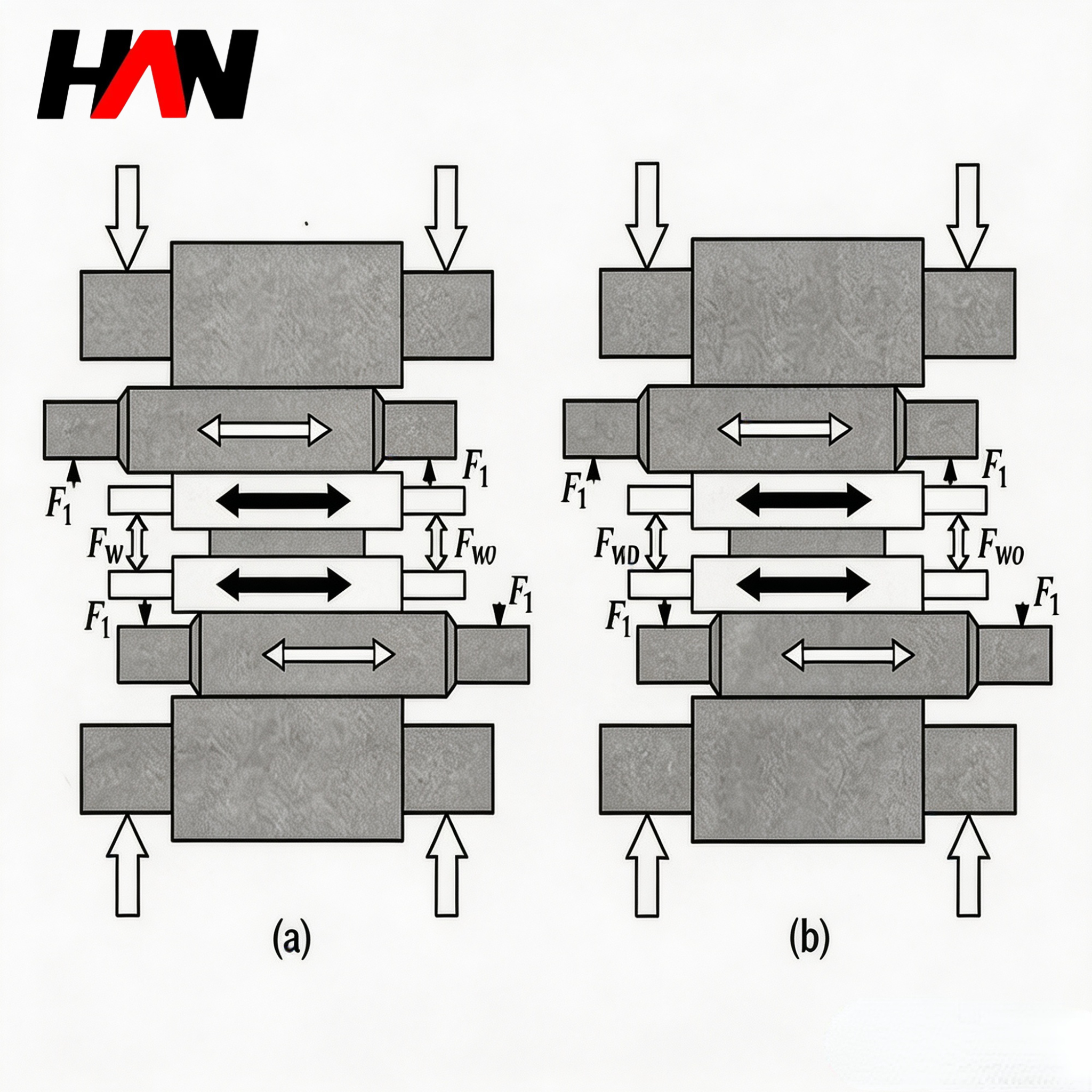
Hot rolling and cold rolling are two vital forming processes for steel plates and profiles, which significantly alter steel’s internal microstructure and mechanical properties. What are their essential differences? Steel production mainly relies on hot rolling. Cold rolling is only adopted to manufacture precise-sized products including small-sized section steel and […]

Hot Rolling vs Cold Rolling: Core Differences, Process, Advantages & Disadvantages for Steel Plates & Sections Keep Reading »

10 Basic Q&A of Steel Rolling Technology: Professional Knowledge of Bar & Section Rolling Mills

Question 1: Problems & Countermeasures of Grooveless Rolling (1) Instability of rolled pieces Without constraint from groove side walls in grooveless rolling, rolled stock is prone to square distortion and offset. Larger reduction leads to worse stability and interruptions to rolling. Solutions: Install double-row rolling guides at mill entry; equip

10 Basic Q&A of Steel Rolling Technology: Professional Knowledge of Bar & Section Rolling Mills Keep Reading »

Comprehensive Guide to Pusher-Type Heating Furnace: Systems, Control, and Parameter Calculation

Comprehensive Guide to Pusher-Type Heating Furnace: Systems, Control, and Parameter Calculation

Introduction The pusher-type heating furnace is a critical piece of equipment in the steel rolling industry, designed to heat steel billets to the required temperature before they enter the rolling mill. This guide provides a detailed, factual overview of the pusher furnace based on standard training materials, covering its main

Comprehensive Guide to Pusher-Type Heating Furnace: Systems, Control, and Parameter Calculation Keep Reading »

Production Safety Management Responsibilities and Hazard Identification for Steel Enterprises

Safety Management Responsibilities and Hazard Identification in Steel Enterprises Abstract: An essential guide for metallurgical leaders on safety production duties, fund allocation, and the identification of major hazard sources in steel production facilities. I. Primary Safety Responsibilities of Corporate Leaders The main person in charge of a steel enterprise holds

Production Safety Management Responsibilities and Hazard Identification for Steel Enterprises Keep Reading »

Professional Operating Procedures for Centrifugal Pump Maintenance

Professional Operating Procedures for Centrifugal Pump Maintenance Ensuring operational stability and equipment longevity in metallurgical facilities. I. Pre-Operation and Startup Protocols 1. Pressure Verification: Ensure inlet pressure is greater than 1 bar (100kpa/0.1Mpa) before operation. 2. Power Check: Connect power and verify the motor rotation direction. 3. Valve Inspection: Check

Professional Operating Procedures for Centrifugal Pump Maintenance Keep Reading »

Contact us now for a free design and quote

Scroll to Top