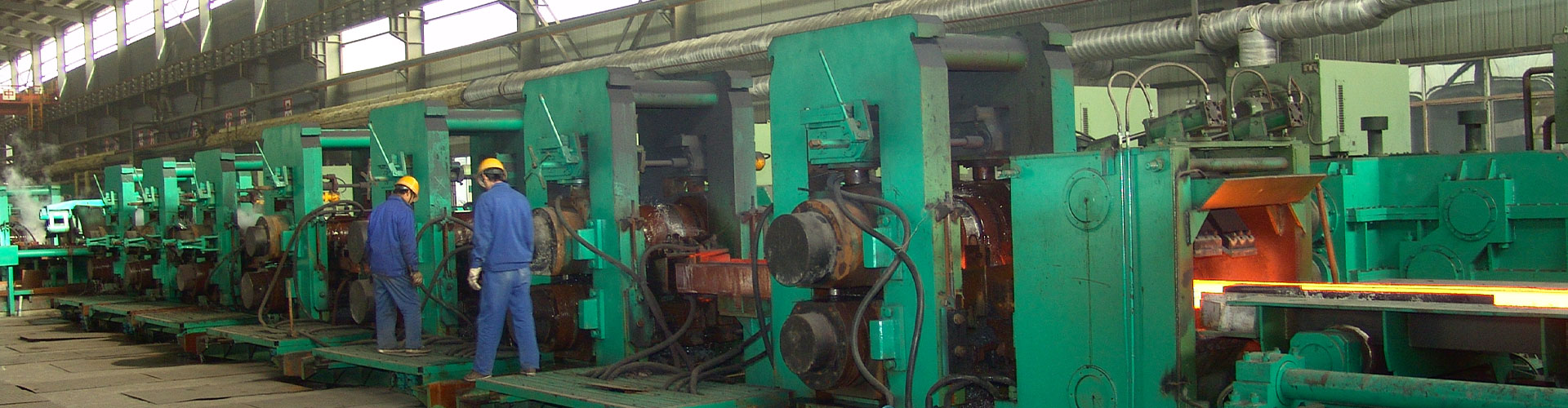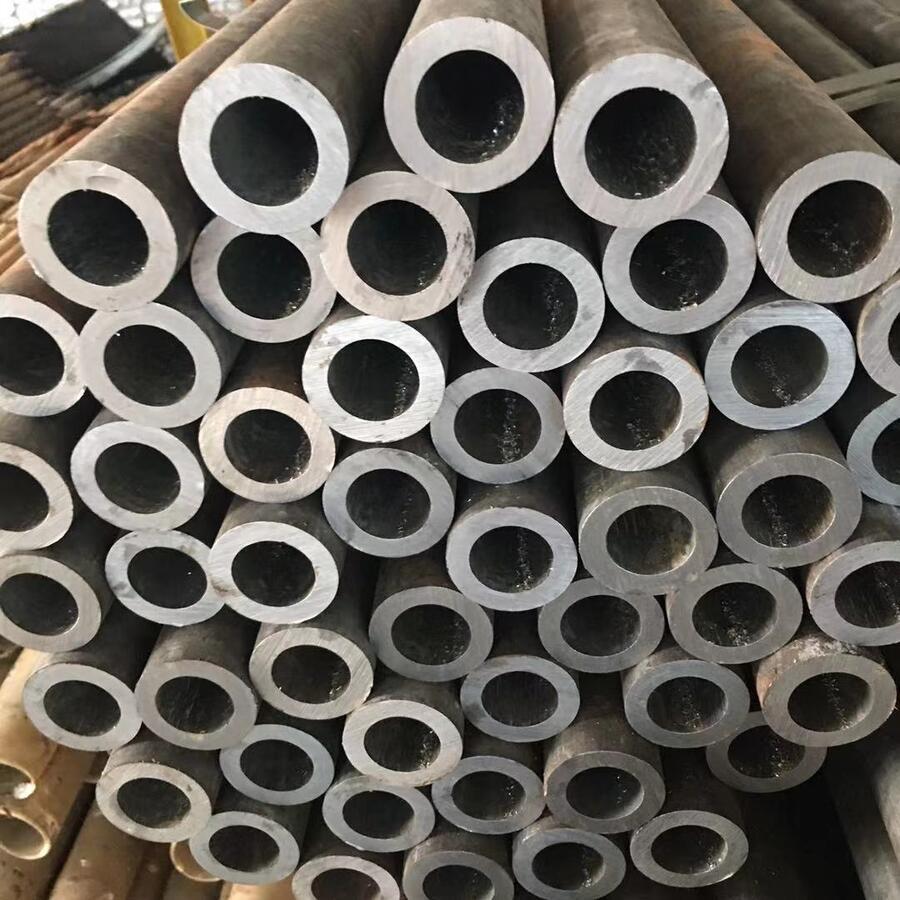
La evolución y optimización de equipo de laminador en caliente de acero han marcado un avance significativo dentro de la industria metalúrgica. En este artículo, exploramos las especificaciones técnicas, consideraciones de diseño, parámetros del proceso, y las últimas innovaciones en este campo.
La producción moderna de acero depende en gran medida de maquinaria avanzada de laminación para producir productos de alta calidad que cumplan con las rigurosas demandas de diversas aplicaciones.. Equipos de laminador en caliente de acero Desempeña un papel fundamental en la transformación de lingotes en bruto en productos terminados con propiedades mecánicas deseables.. Este artículo analiza estos procesos en detalle., Proporcionar conocimientos técnicos y datos comparativos sobre el rendimiento del equipo., eficiencia energética, y calidad de salida.
Introducción al equipo de laminación en caliente de acero
El término equipo de laminador en caliente de acero Se refiere a los sistemas complejos diseñados para laminar losas de acero calentadas a temperaturas elevadas.. Este proceso facilita los cambios en la estructura del grano., en última instancia, mejorando la ductilidad y la dureza.. Los componentes clave de un laminador incluyen los rodillos de trabajo., rollos de respaldo, sistemas de propulsión, y sistemas de refrigeración.
En el proceso de laminación en caliente, El acero se recalienta por encima de su temperatura de recristalización antes de pasar por múltiples pasadas a través del molino.. El objetivo de estos pases de alta temperatura es reducir el espesor del acero y al mismo tiempo refinar su microestructura.. Este enfoque no sólo minimiza las tensiones internas sino que también mejora la homogeneidad de las propiedades mecánicas del material..
Diversos derivados de la tecnología de laminación en caliente., como sistemas continuos de laminación en caliente, molinos multisoporte, y laminadores reversibles, están diseñados para cumplir con requisitos específicos. El diseño de equipo de laminador en caliente de acero debe considerar factores como el control de la temperatura, compensación del desgaste del rodillo, y capacidades de automatización para garantizar un rendimiento óptimo. El rendimiento del equipo es crucial para determinar la calidad del producto final..
Características y parámetros técnicos clave
Uno de los aspectos más críticos de equipo de laminador en caliente de acero son sus parámetros de diseño. Estos parámetros influyen tanto en la calidad del producto como en la eficiencia operativa del molino.. Abajo, Hemos proporcionado una tabla detallada que resume una amplia gama de especificaciones técnicas comúnmente asociadas con este equipo.:
| Parámetro | Descripción | Rango/valor típico |
|---|---|---|
| Diámetro de rollo | Diámetro de los rodillos de trabajo., afectando la distribución de presión y el área de contacto | 800 – 1500 mm |
| Ancho del rollo | Ancho de los rollos, determinar el ancho máximo de la tira | 1500 – 4000 mm |
| Relación de reducción | Reducción global por pasada que influye en el espesor final y la microestructura. | 15% – 40% |
| Temperatura de recalentamiento | Temperatura especificada que garantiza una plasticidad óptima del acero. | 1150°C – 1250°C |
| Conteo de pases | El número de pasadas requeridas en un proceso de laminación. | 4 – 10 |
| Capacidad de producción | Especifica el tonelaje procesado por hora o día. | 200 – 500 toneladas por día |
| Calcular fuerza | La fuerza aplicada por los rodillos a través del tocho. | 1200 – 2000 Minnesota |
| Eficiencia del sistema de enfriamiento | Clasificación de eficiencia del sistema de refrigeración integrado. | 85% – 95% |
| Nivel de automatización | Grado de automatización integrado en el sistema de control. | 60% – 100% |
| Consumo de energía | Consumo por tonelada de acero procesado | 300 – 600 kWh/tonelada |
| Nivel de tolerancia | Precisión en espesor y planitud del acero laminado. | ±0,5 mm o mejor |
| Vida útil del rodillo | Vida útil operativa esperada de los rodillos antes del mantenimiento o reemplazo | 2000 – 5000 horas de funcionamiento |
| Integración del sistema de control | Integración con sistemas PLC/DCS para monitoreo en tiempo real | Totalmente integrado |
| Sistemas de seguridad | Cumplimiento de estándares de seguridad y capacidades de apagado automático. | Estándar internacional (ISO/CEI) |
| Nivel de ruido | Ruido operativo; importante para las condiciones de trabajo | 85 – 95 dB |
| Intervalo de mantenimiento | Frecuencia de mantenimiento programado para un funcionamiento óptimo | Cada 2000 horas |
| Uniformidad de temperatura | Distribución uniforme de temperatura en toda la losa de acero. | Variación de ±15°C |
| Precisión de la separación entre rollos | Control de precisión sobre la configuración de espacios entre rollos | ±0,1mm |
| Rigidez estructural | Indicador de estabilidad del marco del molino bajo cargas pesadas. | Alta rigidez (>95% tolerancia de carga máxima) |
| Control de velocidad | Control diferencial de velocidad/motor para tasas de producción ajustables | 0 – 5 ajustable en m/s |
La tabla anterior refleja amplios parámetros que son críticos para el diseño y operación de equipo de laminador en caliente de acero. Estas especificaciones garantizan que el proceso de laminación mantenga una alta eficiencia y al mismo tiempo optimice el consumo de energía y la calidad del producto..
Innovaciones Tecnológicas y Automatización de Procesos
En los últimos años, innovaciones tecnológicas en el equipo de laminador en caliente de acero El sector se ha centrado en mejorar el control y la automatización de procesos.. Esto se debe en parte al aumento de los costos de la energía y a regulaciones ambientales más estrictas., principales fabricantes para desarrollar sistemas más eficientes energéticamente. Empresas como HNAI TECH, cuya experiencia se refleja en Hanrm y Hanmetalurgia, han estado a la vanguardia en el desarrollo de sistemas de control avanzados que integran inteligencia artificial y datos de sensores en tiempo real..
La automatización permite ajustes dinámicos a los parámetros del proceso, Reducir los residuos y garantizar un producto más uniforme.. Un software sofisticado monitorea variables como la temperatura, precisión de la separación entre rodillos, y velocidad de producción, ajustar el sistema sobre la marcha para minimizar los defectos y optimizar el rendimiento. Esto ha hecho equipo de laminador en caliente de acero no sólo más eficiente, pero también más confiable, permitiendo una producción de gran volumen con desviaciones mínimas de los estándares de calidad.
Los sistemas de control adaptativos incorporados en los molinos modernos pueden predecir la secuencia óptima de pasadas de laminación en función de las propiedades del material y los resultados deseados.. Este nivel de integración, que utiliza análisis de datos en tiempo real, Fomenta una línea de producción robusta y flexible capaz de responder a las fluctuaciones en las propiedades de las materias primas.. Los mensajes de marketing de Hanrm y Hanmetallurgy enfatizan estas innovaciones., mostrando tecnologías que avanzan tanto en la eficiencia energética como en la seguridad operativa.
Consideraciones sobre eficiencia energética y sostenibilidad
El consumo de energía es una preocupación central en la industria procesadora de metales actual.. El diseño de equipo de laminador en caliente de acero Debe tener en cuenta el equilibrio entre una alta capacidad de producción y un uso sostenible de la energía.. Típicamente, El proceso de laminación en caliente consume mucha energía debido a las altas temperaturas requeridas.; sin embargo, Los diseños modernos mitigan esto con sistemas de calefacción eficientes., intercambiadores de calor recuperativos, y ciclos de cocción optimizados.
Las estrategias para mejorar la eficiencia energética incluyen:
- Utilización de materiales refractarios avanzados en hornos de recalentamiento para reducir las pérdidas térmicas..
- Implantación de sistemas de recuperación de calor residual que convierten la energía térmica residual en energía eléctrica..
- Implementación de sistemas de automatización inteligentes para controlar con precisión los gradientes de temperatura a lo largo del laminador.
Estas innovaciones no sólo reducen los costos operativos sino que también contribuyen significativamente a reducir la huella de carbono general del proceso de producción.. Este enfoque de desarrollo sostenible es un importante argumento de venta para la economía moderna. equipo de laminador en caliente de acero proveedores y se destaca con frecuencia en sitios de recursos de la industria.
Garantía de Calidad y Control de Procesos
Garantizar la calidad del producto mediante un control preciso del proceso es esencial en las operaciones de laminación en caliente.. Equipos de laminador en caliente de acero debe cumplir consistentemente con las tolerancias dimensionales, requisitos de acabado superficial, y criterios de propiedades mecánicas. Factores como la alineación del rollo., uniformidad de temperatura, y la velocidad de laminación impactan directamente en la calidad del producto final.
Empresas líderes en control de calidad invierten en sensores de alta gama, sistemas de visión artificial, y circuitos de retroalimentación automatizados que monitorean continuamente las dimensiones del producto y las propiedades del material.. Esta tecnología permite a los operadores realizar ajustes en tiempo real a los parámetros de laminación., prevenir posibles desviaciones de los estándares establecidos. Además, Dichos sistemas incorporan características de seguridad sólidas para detectar signos tempranos de desgaste mecánico o desalineación., minimizando así el tiempo de inactividad y reduciendo los costos de mantenimiento.
Las investigaciones indican que la integración de un gemelo digital (un modelo virtual que refleja el proceso de rodadura físico) puede mejorar aún más los protocolos de mantenimiento predictivo.. Este enfoque proporciona información importante sobre los parámetros del proceso y facilita un programa de mantenimiento más proactivo., asegurando un desempeño consistente de la equipo de laminador en caliente de acero.
Análisis comparativo con equipos de laminación en frío
Es importante comparar el laminado en caliente con el laminado en frío.. Si bien ambos procesos comparten similitudes en la reducción del espesor del acero, difieren significativamente en términos de temperaturas de proceso, propiedades mecánicas, y áreas de aplicación. El laminado en frío se realiza a temperatura ambiente o cerca de ella., dando como resultado una mayor resistencia, acabado superficial mejorado, y tolerancias dimensionales más estrictas. Sin embargo, equipo de laminador en caliente de acero Ofrece ventajas como menores costes de producción., mayores capacidades de deformación, y un riesgo reducido de endurecimiento laboral, haciéndolo más adecuado para operaciones de conformado primario y producción en masa..
Por naturaleza, El laminado en caliente se adapta a deformaciones más grandes en una sola pasada y es menos susceptible a problemas como la formación de incrustaciones.. En contraste, La laminación en frío requiere procesos de recocido adicionales y pasos de procesamiento adicionales para aliviar las tensiones internas..
Perspectivas económicas y de mercado
Factores económicos como la demanda de alta resistencia., Los materiales livianos y el énfasis global en la eficiencia energética impulsan los desarrollos continuos en equipo de laminador en caliente de acero. La industria ha visto continuas inversiones en investigación y desarrollo., en parte impulsado por los líderes del mercado cuyo contenido en plataformas como Hanrm y Hanmetallurgy destaca características de rendimiento mejoradas y un mejor retorno de la inversión a través del ahorro de energía y vidas operativas extendidas..
La naturaleza dinámica del mercado mundial del acero obliga a los fabricantes a innovar continuamente. Aumento de los costos laborales, aumentar las regulaciones ambientales, y la necesidad de un rendimiento superior del producto empuja a los proveedores a adoptar sistemas más inteligentes y técnicas de fabricación avanzadas.. como respuesta, La industria es testigo no sólo de mejoras graduales en la tecnología, sino también de avances significativos en el control de procesos y la gestión de la energía., hacer que los laminadores modernos sean más competitivos.
Las tendencias del mercado indican que el futuro de equipo de laminador en caliente de acero probablemente implicará una mayor digitalización, Mayor integración de la gestión de la cadena de suministro., y tecnologías mejoradas de mantenimiento predictivo. Los clientes esperan soluciones integrales llave en mano, integrando automatización de última generación con sólidas capacidades de ingeniería para garantizar una calidad del producto perfectamente consistente.
Estudios de casos y aplicaciones industriales
Los estudios de caso de las principales acerías demuestran los beneficios derivados de la actualización a sistemas modernos. equipo de laminador en caliente de acero. Por ejemplo, Una acería a gran escala integró sistemas de control digital avanzados en sus operaciones de laminación., conduciendo a un 20% aumento de la eficiencia de la producción y una reducción significativa del uso de energía. Estos resultados se han destacado en varias revisiones industriales e informes de casos publicados por expertos de la industria y reflejados en materiales de marketing en sitios web como Hanrm y Hanmetallurgy..
Estos estudios de caso subrayan enfoques innovadores como:
- Implementación de un control inteligente de la separación entre rodillos para reducir el desperdicio de material.
- Utilización de redes de sensores adaptativos para el monitoreo de procesos en tiempo real..
- Protocolos de mantenimiento predictivo mejorados que extienden la vida útil del equipo.
Con monitoreo de procesos y análisis de datos mejorados., Los molinos no solo logran una calidad uniforme sino que también logran un tiempo de inactividad más corto durante el mantenimiento programado.. El circuito de retroalimentación continua proporcionado por los sistemas de automatización modernos es fundamental para mantener un alto rendimiento y coherencia operativa..
Mejores prácticas operativas y de mantenimiento
Rendimiento óptimo de equipo de laminador en caliente de acero Depende en gran medida del mantenimiento regular y del cumplimiento de las mejores prácticas operativas.. Inspecciones de rutina, reemplazos oportunos de componentes, y la calibración precisa de los sistemas de control son esenciales para mantener el equipo funcionando al máximo.
Algunas prácticas de mantenimiento clave incluyen:
- Monitoreo regular del desgaste de los rodillos., Asegurar que las superficies de los rodillos se mantengan dentro de las tolerancias especificadas..
- Calibración programada de sensores de temperatura y sistemas de control para lecturas precisas durante todo el proceso..
- Inspecciones frecuentes de los sistemas de lubricación para evitar problemas relacionados con la fricción en escenarios de alta carga..
- Utilización de herramientas de diagnóstico en línea para detectar signos tempranos de posibles fallos..
Adherirse a estas prácticas no sólo extiende la vida del equipo de laminador en caliente de acero pero también mitiga el riesgo de averías inesperadas que podrían interrumpir los ciclos de producción.. Una estrategia de mantenimiento bien documentada es crucial para minimizar el tiempo de inactividad y garantizar que los objetivos de producción se cumplan de manera consistente..
Tendencias futuras en la tecnología de laminadores
el futuro de equipo de laminador en caliente de acero parece prometedor con tendencias que se inclinan hacia una mayor integración digital, optimización energética, y prácticas sustentables. Se espera que los sistemas futuros incorporen tecnologías de sensores aún más avanzadas para monitorear cada aspecto del proceso de laminación., De la dinámica térmica a las tensiones mecánicas en la estructura del molino..
Las tendencias emergentes incluyen:
- Gemelos digitales: Creación de modelos virtuales integrales del aparato del molino que permitan simulaciones y detección predictiva de fallas en tiempo real..
- Industria 4.0 Integración: Sistemas totalmente conectados que pueden comunicarse sin problemas con los proveedores., logística, y sistemas de usuario final para un ecosistema de fabricación holístico.
- Manejo avanzado de materiales: Sistemas de automatización que pueden manejar eficientemente materias primas desde el horno hasta el laminador., Reducir la intervención manual y el tiempo de inactividad del proceso..
- Monitoreo ambiental mejorado: Implantación de sistemas de seguimiento de emisiones., optimizar el uso de combustible, y contribuir a un entorno de producción más ecológico.
La innovación en este campo está impulsada en parte por la colaboración entre los fabricantes de equipos y los usuarios finales.. Por ejemplo, comentarios de los ingenieros de producción que utilizan equipo de laminador en caliente de acero informa futuras actualizaciones y mejoras. Este enfoque colaborativo es fundamental para la evolución de la tecnología de los laminadores y se muestra con frecuencia en exposiciones y publicaciones de la industria..
Análisis comparativo del desempeño con puntos de referencia de la industria
Al evaluar el desempeño de equipo de laminador en caliente de acero, Es esencial comparar el equipo con los puntos de referencia de la industria.. Los puntos de referencia suelen referirse a la capacidad de producción., eficiencia energética, confiabilidad operativa, y calidad del producto. Por ejemplo, Las fábricas que emplean equipos más nuevos han informado hasta un 15% Reducción del uso de energía por tonelada de acero procesada en comparación con modelos más antiguos..
Varios indicadores de desempeño incluyen:
- Sensibilidad al espacio entre rollos
- Consistencia térmica en toda la palanquilla
- Reducción de las tasas de desperdicio
- Porcentajes de rendimiento mejorados
- Rendimiento de producción mejorado
Estas métricas son esenciales a la hora de diseñar y comprar. equipo de laminador en caliente de acero, ya que afectan directamente a la rentabilidad y al posicionamiento competitivo en el mercado. El énfasis en el análisis del desempeño garantiza la mejora continua en el diseño de procesos y el control operativo..
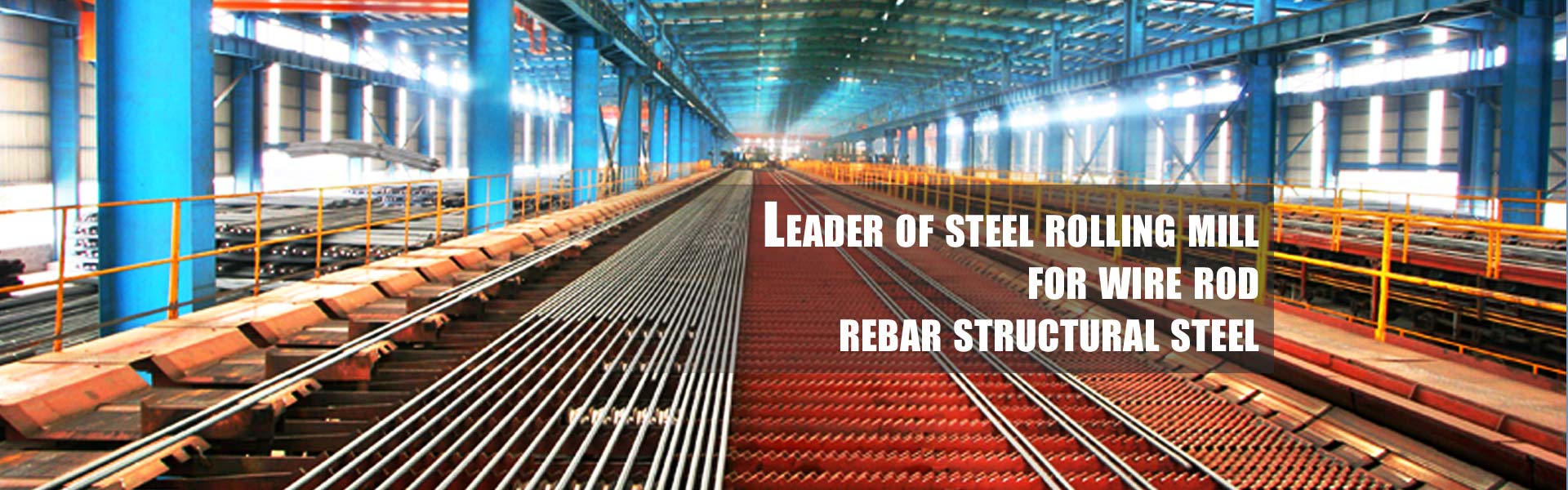
Conclusión
El examen exhaustivo de equipo de laminador en caliente de acero descrito en este artículo proporciona información valiosa sobre sus parámetros técnicos, automatización de procesos, y tendencias futuras de innovación. Con tablas detalladas y análisis descriptivo., Los profesionales de la industria de fabricación de acero pueden aprovechar esta información para optimizar la producción., reducir el consumo de energía, y mantener altos estándares de calidad en sus operaciones.
Como se demostró, la integración de sistemas de control avanzados, monitoreo en tiempo real, y el mantenimiento predictivo están remodelando el panorama del laminado de acero. Líderes de la industria, como se destaca en plataformas como Hanrm y Hanmetallurgy, Continuar impulsando estas innovaciones.. La evolución de dichos equipos no solo respalda una producción más eficiente sino que también se alinea con los objetivos globales de sostenibilidad..
para resumir, el diseño robusto, Amplia optimización de parámetros., y las tendencias que mejoran el futuro hacen que la modernidad equipo de laminador en caliente de acero un facilitador crítico para garantizar que la industria del acero enfrente los desafíos del mañana. Sus innovaciones en eficiencia energética, seguridad, y la flexibilidad del proceso proporcionan una ventaja competitiva, Promete un entorno de producción en continua mejora para las acerías de todo el mundo..
Este artículo ha proporcionado tanto una descripción académica como ideas prácticas., Asegurar que los profesionales obtengan una comprensión más clara de las complejidades involucradas en las operaciones del laminador.. La tabla detallada de parámetros., junto con debates sobre las mejores prácticas operativas y las tendencias emergentes, ofrece un recurso valioso para los ingenieros, gerentes, y tomadores de decisiones involucrados en el proceso moderno de producción de acero.
En conclusión, avances futuros en equipo de laminador en caliente de acero Sin duda, seguirá superando los límites de la eficiencia., calidad, e innovación. La integración de tecnologías digitales y características de seguridad mejoradas impulsarán a la industria hacia una nueva era de fabricación inteligente., Garantizar que la producción de acero de alta calidad siga siendo económicamente viable y ambientalmente responsable..
NOTA
Si desea saber más sobre los conocimientos relacionados con los hornos de arco eléctrico en la industria de laminación de acero y otros aspectos., Siga el canal de YouTube de HANI para obtener más información..
https://www.youtube.com/channel/UCQ5eAP3i7BddUh6VEQAePGA