Introducción
La evolución de la metalurgia moderna se ha visto significativamente influenciada por los avances en los procesos de laminación.. Uno de los dispositivos críticos en este campo es la máquina laminadora de acero., que juega un papel decisivo en la formación de productos metálicos con dimensiones precisas y propiedades mecánicas mejoradas.. En este artículo completo, No solo examinaremos los aspectos clave y los parámetros de diseño del máquina laminadora de acero pero también discutir sus aplicaciones derivadas e interconexiones con otros equipos de procesamiento de metales.. Referencias de líderes de la industria, como los segmentos de accesorios de metalurgia y laminación en caliente de HANI TECH. (visita Soluciones de laminación en caliente HANI TECH y Componentes metalúrgicos HANI TECH) se incorporan para proporcionar información valiosa adicional.
Descripción general de la tecnología de las máquinas laminadoras de acero
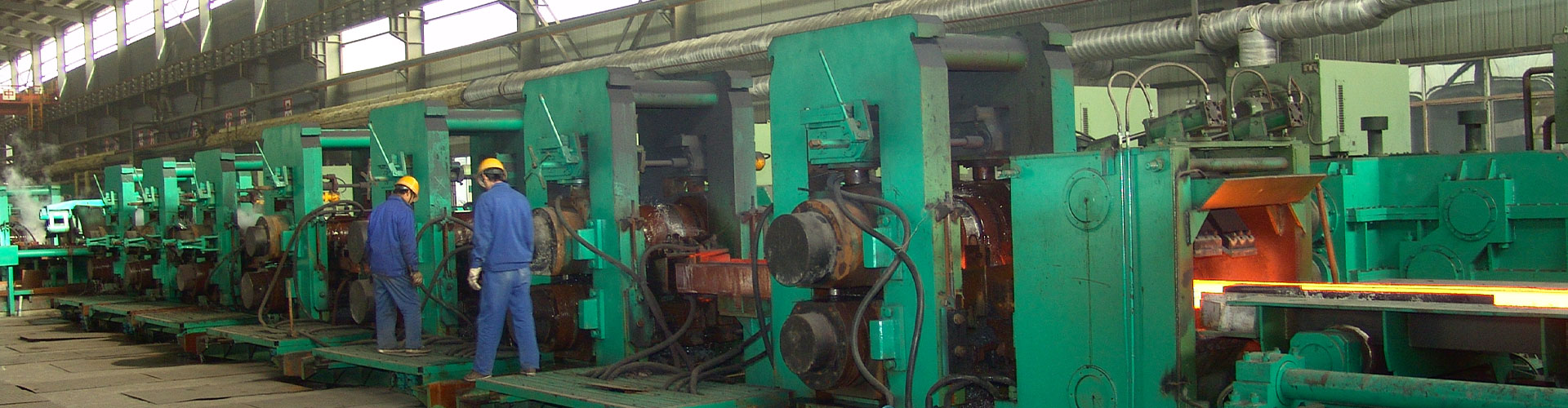
El máquina laminadora de acero ha estado a la vanguardia de la innovación industrial, Transformar el acero en bruto en productos finales que sean viables para la construcción., automotor, y aplicaciones de maquinaria pesada. Estas máquinas aprovechan un diseño mecánico preciso para laminar y formar acero en condiciones controladas.. El principio básico consiste en alimentar acero frío o caliente a través de una serie de rodillos., donde la alta presión produce la deformación y la conformación del material. Este proceso logra una estructura de grano mejorada., mejor acabado superficial, y una mejora general de las propiedades mecánicas del acero..
Moderno máquinas laminadoras de acero incorporar automatización avanzada, sistemas de monitoreo digitales, y materiales de alta calidad. Otras palabras clave derivadas naturalmente integradas en esta discusión incluyen “tecnología de laminación,” “laminador en caliente,” “laminador en frío,” y “procesos de laminación metalúrgica”. Los parámetros del proceso., combinado con sistemas de control digitales, Garantizar que la producción esté optimizada tanto para la eficiencia como para la calidad..
Principios técnicos y mecanismos operativos
El funcionamiento del máquina laminadora de acero Se centra en varios componentes centrales que funcionan en armonía para ofrecer las características deseadas del producto.. Los mecanismos de accionamiento incluyen rodillos ajustables., sistemas hidráulicos, y unidades de control de temperatura. Aquí hay algunos principios técnicos fundamentales.:
- Aplicación de fuerza de balanceo: La presión ejercida por los rodillos determina el espesor final y las propiedades mecánicas del acero.. La fuerza del rodillo debe calibrarse para diferentes grados de acero y requisitos de espesor..
- Gestión Térmica: El control de alta temperatura es esencial, especialmente en aplicaciones de laminación en caliente. Los sistemas de monitoreo térmico computarizados ayudan a mantener temperaturas óptimas de laminación para evitar defectos como deformaciones o problemas en los límites de los granos..
- Dinámica del flujo de materiales: El comportamiento del acero al deformarse bajo presión es crucial. Análisis avanzado de elementos finitos (FEA) A menudo se aplican técnicas para predecir el flujo de materiales., asegurando así un laminado uniforme y consistencia en todos los lotes.
Estos principios operativos se mejoran en los dispositivos modernos mediante la incorporación de sistemas de retroalimentación y sensores de precisión., asegurando que el máquina laminadora de acero Funciona con el máximo rendimiento incluso bajo diferentes condiciones de carga e influencias ambientales..
Parámetros de diseño e ingeniería
Para comprender mejor las capacidades del máquina laminadora de acero, es fundamental examinar sus especificaciones técnicas. La siguiente tabla resume un amplio conjunto de parámetros típicos de una máquina laminadora de acero de última generación.. Los parámetros de ingeniería detallada incluyen mecánica, eléctrico, y características térmicas que impulsan el proceso de laminación.
| Parámetro | Descripción | Especificación | Unidades |
|---|---|---|---|
| Diámetro de rollo | Diámetro de los rodillos utilizados para la deformación. | 500 – 1500 | mm |
| Ancho del rollo | Ancho de los rollos que garantiza una distribución uniforme de la fuerza. | 1000 – 3200 | mm |
| Fuerza de balanceo | Fuerza máxima que se puede aplicar durante el rodaje. | 5000 – 30000 | montones |
| Temperatura de funcionamiento | Rango de temperatura durante los procesos de laminación en caliente | 1100 – 1300 | °C |
| Sistema de control | Tipo de automatización utilizada en el proceso. | SOCIEDAD ANÓNIMA & Basado en SCADA | N / A |
| Rango de velocidad | Rango de velocidades de rodadura | 0.5 – 5.0 | EM |
| Consumo de energía | Energía eléctrica consumida durante el funcionamiento. | 150 – 500 | KW |
| Material en rollo | Composición del material para mayor durabilidad y gestión del calor. | Acero de aleación de alta calidad | N / A |
| Tolerancia de precisión | Tolerancia de fabricación para productos de acero. | ±0,05 | mm |
| Construcción de marco | Diseño estructural para minimizar vibraciones. | Acero reforzado | N / A |
| Sistema de enfriamiento | Método de regulación de temperatura durante el proceso. | Refrigerado por agua & opciones enfriadas por aire | N / A |
| Interfaz de usuario | Tipo de interfaz para el funcionamiento de la máquina | Panel de control con pantalla táctil | N / A |
| Regulación de velocidad del eje | Control de velocidad variable de los ejes del rodillo. | 0 – 1800 | rpm |
| Sistema de lubricación | Sistema para reducir la fricción entre superficies de trabajo. | Lubricación automatizada | N / A |
| Ciclo de mantenimiento | Plazo recomendado para el mantenimiento de rutina | 3000 horas de funcionamiento | horas |
| Características de seguridad | Mecanismos de seguridad integrados para proteger a los operadores. | Paradas de emergencia, Guardia, Alarmas | N / A |
La tabla anterior proporciona una lista extensa de parámetros asociados con el moderno máquina laminadora de acero. Cuando se combina con una instalación adecuada y protocolos de control de calidad., Estas especificaciones ayudan a garantizar resultados operativos superiores y ciclos de producción optimizados..
Aplicaciones e impacto en la industria
La versatilidad del máquina laminadora de acero se extiende a una multitud de aplicaciones industriales. Los sectores comunes que utilizan esta tecnología incluyen la construcción., fabricación de automóviles, ingeniería ferroviaria, y producción de equipos pesados. El proceso de laminación mejora la integridad estructural del acero., lo que lo convierte en un material preferido para componentes que soportan carga y piezas de ingeniería de precisión.
Además, las mejoras en el procesamiento de materiales provocadas por máquina laminadora de acero La tecnología tiene una correlación directa con la sostenibilidad en las operaciones industriales.. La aplicación eficiente de la fuerza del rodillo y la gestión térmica precisa reducen la producción de residuos. Además, La integración de sistemas automatizados contribuye al ahorro de energía y a menores costes operativos., y al mismo tiempo promover un entorno de trabajo más seguro.
Las tendencias emergentes en la industria incluyen el desarrollo de laminadores inteligentes., caracterizados por su conectividad a Internet e integración con IoT industrial (Internet de las cosas) plataformas. Estos avances permiten monitoreo y análisis en tiempo real., aumentando aún más la eficiencia y la confiabilidad durante la operación. La adopción de algoritmos de aprendizaje automático en la optimización de procesos es otro avance interesante., conduciendo a una mayor innovación en máquina laminadora de acero aplicaciones.
Integración con sistemas auxiliares y tendencias futuras
Las instalaciones de fabricación modernas no dependen únicamente de la máquina laminadora de acero para procesar acero. La máquina suele estar integrada con una red de sistemas auxiliares para lograr una solución de producción de principio a fin.. Por ejemplo, Sitios web de HANI TECH (accesible en Soluciones de laminación en caliente HANI TECH y Componentes metalúrgicos HANI TECH) Proporcionar una gama de componentes complementarios., como rodillos especializados, unidades de control de temperatura, y equipos auxiliares de precisión, que mejoran enormemente el rendimiento del laminador.
La integración de estos sistemas facilita un proceso de producción holístico mediante el cual los datos de cada etapa, desde el bloqueo del material y el precalentamiento, a través del rodamiento, hasta el acabado y el control de calidad: se pueden cotejar y analizar. Esta integración proporciona a los fabricantes información precisa sobre la producción., que son necesarios para lograr los objetivos de manufactura esbelta. Se espera que la tendencia hacia una mayor automatización y una integración inteligente continúe a medida que se introduzcan en la industria sensores y algoritmos de control más avanzados..
Además, El creciente énfasis en la sostenibilidad y la eficiencia está dirigiendo la investigación y el desarrollo hacia diseños y mejoras de procesos más eficientes energéticamente.. Futuro máquina laminadora de acero Los diseños pueden incorporar materiales avanzados para rodillos y diagnósticos de sistemas mejorados mediante mantenimiento predictivo basado en IA., Reducir aún más el tiempo de inactividad y mejorar la productividad general..
Análisis comparativo con otros equipos de procesamiento de metales
En comparación con otras tecnologías de procesamiento de metales, como la forja., fundición, y extrusión, el máquina laminadora de acero destaca por su capacidad para producir productos altamente uniformes y dimensionalmente precisos. A diferencia de la forja, que depende en gran medida de las fuerzas de impacto, El laminado garantiza una deformación continua que da como resultado propiedades metalúrgicas mejoradas.. Fundición, aunque beneficioso para lograr formas complejas, a menudo sufre problemas de porosidad interna que el laminado puede mitigar eficazmente.
La estabilidad comparativa del proceso de laminación también significa que máquina laminadora de acero La tecnología es particularmente adecuada para entornos de producción de alto volumen.. Sus parámetros controlables permiten a los fabricantes adaptar el proceso a propiedades específicas del material y requisitos del producto final., lo que la convierte en una opción versátil en diversos sectores industriales.
Estudios de casos del mundo real y ejemplos prácticos
Varios líderes mundiales de la industria siderúrgica han adoptado tecnologías avanzadas. máquina laminadora de acero tecnología para mejorar sus capacidades de producción. Por ejemplo, plantas líderes en China, Europa, y América del Norte han informado mejoras notables en la eficiencia y la consistencia del producto después de actualizar a versiones más nuevas., laminadores automatizados. Estos estudios de caso validan los modelos analíticos que predicen estructuras de grano mejoradas y defectos de rodadura reducidos cuando se utilizan equipos de última generación..
Además, Los fabricantes han informado de reducciones significativas en los costos operativos., que se puede atribuir directamente al diseño energéticamente eficiente de los modernos máquinas laminadoras de acero y la reducción de la frecuencia de los tiempos de inactividad por mantenimiento. La sinergia operativa observada entre el laminador y los sistemas complementarios proporcionados por empresas como HANI TECH mejora aún más la productividad general y la calidad del producto., estableciendo un nuevo punto de referencia en la industria.
Desafíos técnicos y direcciones de investigación
A pesar de los numerosos beneficios asociados con la máquina laminadora de acero, Quedan varios desafíos técnicos. Una preocupación principal es la gestión del desgaste de los rodillos y la fatiga del material.. El funcionamiento continuo somete los rodillos a graves tensiones mecánicas y degradación térmica., que puede afectar el rendimiento de rodadura con el tiempo. Como consecuencia, La investigación se está desplazando gradualmente hacia el desarrollo de materiales avanzados resistentes al desgaste y técnicas de refrigeración innovadoras..
Otro desafío constante es el mantenimiento de tolerancias dimensionales precisas durante largos ciclos de producción.. Con mejoras en tecnologías de sensores y sistemas de retroalimentación en tiempo real, Los ingenieros están trabajando en el desarrollo de algoritmos de control más robustos que puedan ajustar dinámicamente los parámetros de rodadura.. Este control adaptativo garantiza el cumplimiento continuo de la calidad con una mínima intervención humana..
Mirando hacia adelante, La investigación futura se centra en la integración de la inteligencia artificial. (AI) y aprendizaje automático (ml) para predecir y prevenir problemas comunes antes de que ocurran. Este enfoque de mantenimiento predictivo, combinado con modelos de simulación mejorados, Se espera que extienda significativamente la vida útil del máquina laminadora de acero y mejorar la confiabilidad general del proceso.
Conclusión
En conclusión, el máquina laminadora de acero Ocupa un papel central en la metalurgia moderna y la fabricación industrial.. A través de su sofisticado diseño, parámetros de ingeniería precisos, y la integración de sistemas de control avanzados, Esta máquina continúa mejorando las capacidades del procesamiento de acero a nivel mundial.. La investigación e integración en curso con sistemas auxiliares de proveedores de tecnología líderes, como HANI TECH, allanar el camino para futuras mejoras en la eficiencia, sostenibilidad, y calidad del producto.
Practicantes, investigadores, y los entusiastas en el campo del procesamiento de metales deben continuar colaborando, innovar, y difundir el conocimiento sobre estas tecnologías avanzadas. La interacción entre la experiencia técnica y la aplicación en el mundo real impulsa en última instancia la evolución del máquina laminadora de acero, asegurando que permanezca a la vanguardia de las innovaciones metalúrgicas ahora y en el futuro.