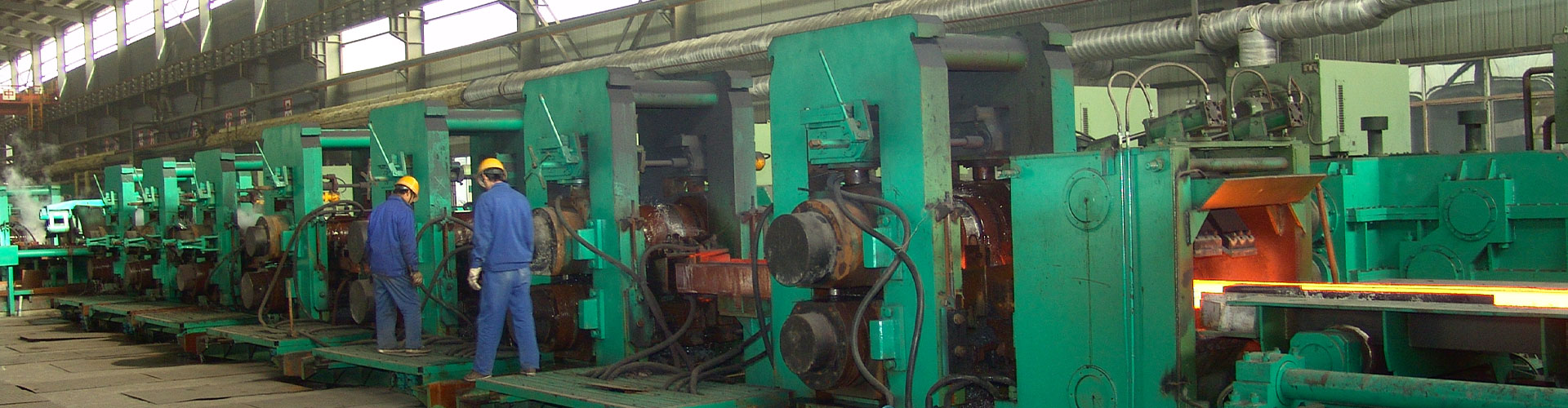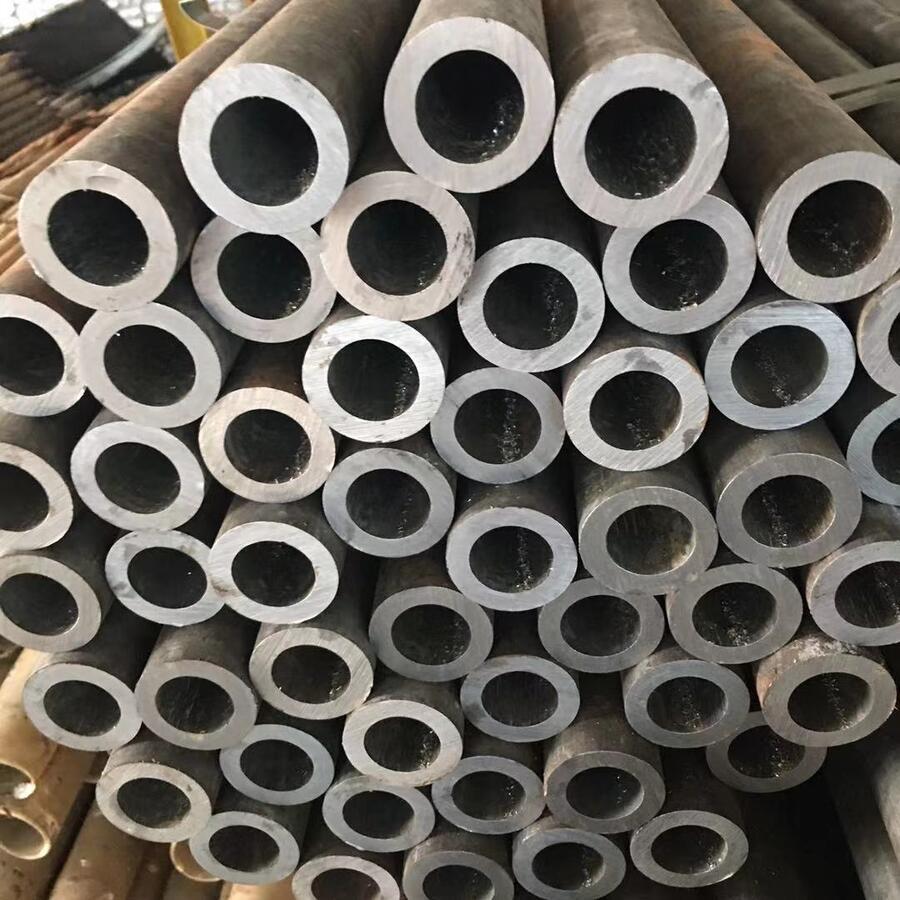
Cuando se trata de producir productos de acero largos como barras de refuerzo, varilla de alambre, rieles, y secciones estructurales, Una materia prima destaca por su eficiencia., consistencia, y rentabilidad: el palanquilla de colada continua. Hoy, encima 97% de producto largo laminado de acero Las operaciones en China utilizan palanquillas de colada continua en lugar de lingotes de acero tradicionales.. Este cambio no se trata sólo de modernización: se trata de una mejor calidad, menor uso de energía, y mayor rendimiento.
En este artículo, Repasaremos todo lo que necesita saber sobre las palanquillas de colada continua, desde cómo se fabrican., que tipos de acero pueden llevar, sus ventajas en laminado de acero, y datos de producción reales que importan en el taller.
¿Qué es una palanquilla de colada continua??
Una palanquilla de colada continua es un producto de acero semiacabado que se forma vertiendo acero fundido en un molde refrigerado por agua., donde se solidifica en una sección transversal larga, rectangular o cuadrada. A diferencia de la antigua fundición de lingotes, que requiere múltiples pasos de recalentamiento, La colada continua produce un uniforme., palanquilla lista para rodar en un solo, proceso ininterrumpido.
Estas palanquillas suelen oscilar entre 120mm × 120 mm a 180mm × 180 mm de tamaño y se cortan en longitudes fijas, generalmente entre 6 a 12 metros—dependiendo de los requisitos del laminador.
Por qué la colada continua reemplazó a la colada en lingotes
En la década de 1980, La mayoría de las plantas siderúrgicas utilizaban fundición de lingotes.. Pero ese método tenía grandes inconvenientes.: alta pérdida de energía, bajo rendimiento, y calidad interna inconsistente. Hoy, La fundición continua domina porque resuelve estos problemas..
| Factor | Fundición de lingotes | colada continua |
|---|---|---|
| Producir | ~85% | ~97% |
| Consumo de energía | Alto (2 recalentamientos necesarios) | Bajo (1 recalentar o enrollar directamente) |
| Defectos internos | Común (contracción, segregación) | Extraño (solidificación controlada) |
| Mano de obra & Costo | Alto | Bajo |
Como se muestra arriba, La fundición continua mejora casi todos los aspectos de la producción de acero.. Para laminado de acero molinos, esto significa menos rechazos, facturas de combustible más bajas, y un rendimiento más rápido.
Cómo funciona la colada continua: paso a paso
El proceso comienza después de la fabricación del acero y finaliza con una palanquilla lista para laminar.. Así es como fluye:
- Transferencia de cucharón: El acero fundido del BOF o EAF se vierte en una cuchara y se transporta a la colada continua..
- Metalurgia de cuchara (LF): El acero se refina: ajuste de temperatura., desulfuración, aleación: para cumplir con especificaciones químicas precisas.
- Agitación de argón & artesa: La cuchara vierte acero en una artesa, que actúa como un amortiguador. El gas argón agita la masa fundida para garantizar una composición uniforme..
- Fundición en molde: El acero fluye hacia un molde de cobre enfriado por agua.. La capa exterior se solidifica en segundos mientras que el núcleo permanece líquido..
- Zona de enfriamiento secundaria: La hebra se mueve a través de cámaras enfriadas por aspersión donde se solidifica completamente..
- Corte de hebras: Una vez sólido, La hebra se corta en palanquillas utilizando una llama automática o una cizalla mecánica..
- Carga o almacenamiento en caliente: Las palanquillas van directamente al horno de recalentamiento. (carga caliente) o se apilan para su uso posterior.
Todo este proceso se ejecuta a velocidades entre 1.8 a 3.0 metros por minuto, dependiendo del tamaño de la sección y del grado de acero. Por ejemplo, una velocidad de fundición de palanquilla de 150 mm × 150 mm suele ser de aproximadamente 2.2 m/mi.
Calidades de acero adecuadas para colada continua y laminación
No todos los aceros se pueden fundir de forma continua., pero la gran mayoría se utiliza en productos largos. laminado de acero poder. A continuación se muestra un desglose de las familias de acero comunes y su viabilidad de fundición..
| Tipo de acero | Grados comunes | Posible lanzamiento? | Utilizado en laminado largo.? |
|---|---|---|---|
| Acero estructural al carbono | Q195, Q235, Q355, 10#, 20#, 45# | Sí | Sí (refugio, secciones) |
| Acero estructural de aleación | 20cr, 40cr, 42CrMo, 35CrMo | Sí | Sí (ejes, engranajes) |
| Acero para resortes | 60Si2Mn, 55CrSi, 50CRV | Sí | Sí (resortes automotrices) |
| Acero para rodamientos | GCr15, GCr15SiMn | Sí (con reducción suave) | Sí (rodamientos de alta gama) |
| Acero inoxidable | 304, 316l, 430, 201 | Sí (moldes especiales) | Sí (verja, cable) |
| Acero para herramientas de alta velocidad | W18Cr4V, M2 | No | No (todavía lingote fundido) |
A partir de 2023, encima 180 grados de acero se producen con éxito mediante colada continua a nivel mundial. en china, la tasa de adopción alcanzó 97.9% de la producción total de acero bruto en 2010, y sólo ha aumentado desde.
Ventajas de utilizar palanquilla de colada continua en la laminación de acero
Para operadores de laminadores, Los beneficios van más allá del simple suministro material.. Esto es lo que realmente importa en la planta de producción:
- Mayor precisión dimensional: Las palanquillas de fundición continua tienen tolerancias estrictas (±0,5 mm en la longitud lateral), lo que garantiza una entrada estable en los soportes de laminación..
- Mejor calidad interna: El enfriamiento controlado reduce la segregación y la porosidad de la línea central, lo que lleva a menos grietas durante el laminado.
- Carga directa en caliente: Las palanquillas pueden pasar directamente de la fundición al horno a 800-1000°C, ahorrando hasta 50 kWh/tonelada en combustible.
- Menos formación de escamas: Un tiempo de recalentamiento más corto significa menos incrustaciones de óxido de hierro, mejorar el acabado superficial de los productos finales.
- Mayor rendimiento rodante: informe de molinos 1–2% más rendimiento cuando se utilizan palanquillas de colada continua vs.. lingotes.
Parámetros de producción reales de las fábricas chinas
Para darle una idea práctica de cómo funciona esto., Aquí se muestran los parámetros operativos reales de varias fábricas de productos largos a gran escala en China..
| Tipo de molino | Tamaño del billete (mm) | Velocidad de lanzamiento (m/mi) | Temperatura de recalentamiento (°C) | Velocidad de rodadura (EM) |
|---|---|---|---|---|
| Molino de barras de refuerzo | 150 × 150 | 2.0 – 2.4 | 1100 – 1150 | 10 – 14 |
| Molino de alambrón | 130 × 130 | 2.6 – 3.0 | 1080 – 1120 | 80 – 100 |
| Molino de sección (viga H) | 220 × 260 | 1.6 – 1.9 | 1180 – 1220 | 1.2 – 2.0 |
| Molino de barras de acero para resortes | 160 × 160 | 1.8 – 2.1 | 1130 – 1160 | 0.8 – 1.5 |
Estos números no son teóricos: reflejan condiciones operativas reales.. Por ejemplo, un molino de alambrón que utiliza palanquillas de 130 mm puede alcanzar velocidades de fundición de hasta 3.0 m/mi gracias a la agitación electromagnética y a las tecnologías dinámicas de reducción suave.
Desafíos y limitaciones
Mientras que la colada continua es dominante, no es perfecto. Algunos aceros todavía requieren fundición de lingotes por razones metalúrgicas o económicas..
Aceros que no se pueden fundir continuamente (Todavía)
- Aceros para herramientas de alta aleación: Los grados como 5CrNiMoV y H13 tienen rangos de congelación estrechos y son propensos a agrietarse..
- Aceros rápidos: W18Cr4V y M42 requieren una solidificación muy lenta para evitar la segregación de carburos.
- superaleaciones: Materiales como GH4169 (Inconel 718) necesita solidificación direccional, a menudo hecho al vacío.
Económicamente no viable para lotes pequeños
Incluso si un grado de acero poder ser lanzado continuamente, Puede que no tenga sentido para pedidos pequeños.. Configurar una rodaja para un lote de 50 toneladas no es rentable. En tales casos, La fundición de lingotes sigue siendo práctica.
El futuro: Hacia una forma casi neta y un balanceo directo
La próxima frontera en laminado de acero está eliminando el horno de recalentamiento por completo. Algunas fábricas avanzadas ya están utilizando carga caliente directa o incluso laminación directa de palanquillas de colada continua.
En laminación directa, los tochos salen de la colada a 1000–1100°C y van directamente al molino de desbaste, sin almacenamiento, sin recalentar. Esto puede ahorrar hasta 80 kWh/tonelada y reducir las emisiones de CO₂ en 60 kg por tonelada de acero.
Molinos en Baosteel, shagang, y HBIS han implementado sistemas similares para aceros al carbono y grados de baja aleación.. La clave es una estrecha coordinación entre el laminador y el laminador; el tiempo debe ser de minutos.
Reflexiones finales para ingenieros de laminadores
Si está ejecutando un producto largo laminado de acero línea, Su elección de materia prima impacta directamente en la calidad., costo, y tiempo de actividad. Las palanquillas de colada continua ofrecen ventajas comprobadas: mejor rendimiento, menor uso de energía, y mayor consistencia.
Si bien no todos los grados de acero se pueden fundir de esta manera, encima 97% de aceros comunes para productos largos, desde barras de refuerzo hasta acero para resortes, pueden. Y con avances continuos en el diseño de moldes., agitación electromagnética, y control de procesos, la brecha se está cerrando rápidamente.
Ya sea que esté optimizando su proceso actual o planificando una nueva línea, Comprender todo el potencial de las palanquillas de colada continua es esencial.. No se trata sólo de mantenerse al día con la tecnología, sino de seguir siendo competitivo en un mercado global donde cada kWh y cada punto porcentual de rendimiento cuenta.