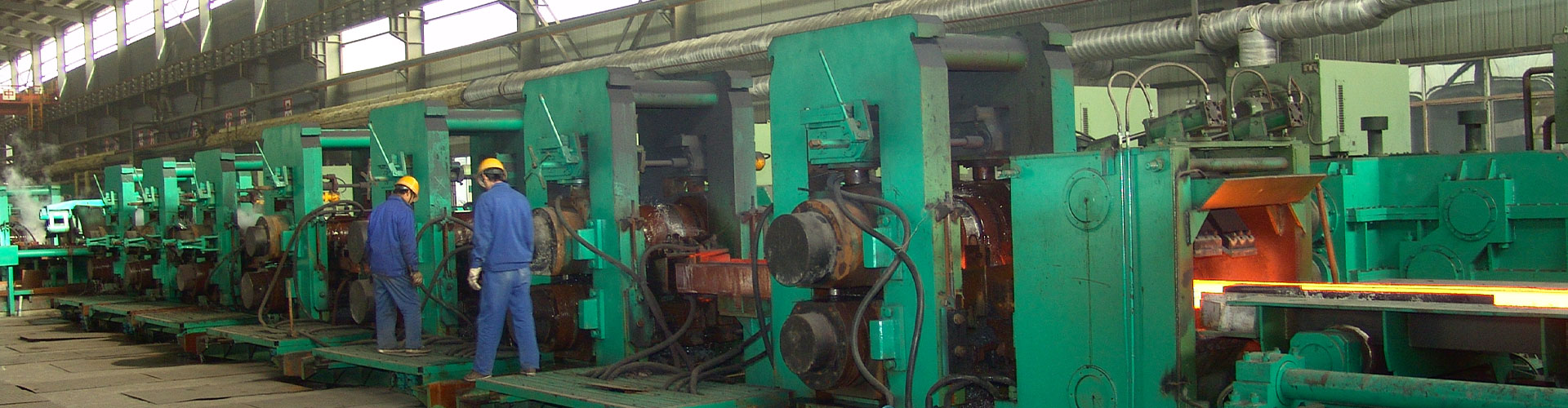
Las cizallas volantes son vitales en las operaciones modernas de laminación de acero.. Cortan barras o tiras de acero en movimiento en longitudes precisas sin detener la línea de producción.. Esto mantiene todo funcionando sin problemas y de manera eficiente.. Si trabajas en una acería, Ya sabes lo frustrante que es cuando la producción se detiene para cortar.. Las tijeras voladoras resuelven ese problema. Manejan altas velocidades y ofrecen cortes limpios en todo momento.. Exploremos cómo funcionan y por qué son importantes para sus operaciones diarias..
en laminado de acero, El trabajo principal de una cizalla voladora es cortar el acero mientras se mueve.. Imagínese barras de acero calientes pasando zumbando por el molino a 100 metros por minuto o más. Detenerlos por recortes sería una pérdida de tiempo y energía. Las tijeras voladoras se sincronizan con la velocidad del acero., haciendo rápido, rebanadas precisas. Esto sucede en diferentes zonas de la línea de laminación.. Por ejemplo, en la zona de desbaste, le cortan la cabeza para eliminar imperfecciones. En la zona de meta, recortan la cola para un tamaño perfecto. Durante emergencias, Rompen el acero en pedazos pequeños para evitar daños.. Y para productos finales, cortan en longitudes exactas, como barras de 12 metros para la construcción. Todo esto garantiza que su producción cumpla con estándares estrictos sin disminuir la velocidad..
¿Por qué las fábricas dependen tanto de las cizallas volantes?? Primero, coinciden con la producción del molino. Si su laminador produce 100 toneladas por hora, la cizalla voladora debe seguir el ritmo. Segundo, las cuchillas de corte se mueven a la velocidad adecuada. Si la hoja es demasiado lenta, dobla el acero; demasiado rápido, y lo desgarra. Los operadores lo ajustan cuidadosamente para lograr cortes limpios.. Tercero, alcanzan tolerancias estrictas. La mayoría de las fresadoras requieren cortes dentro de ±2 mm de la longitud objetivo.. Las cizallas volantes lo consiguen de forma constante, para que sus productos pasen controles de calidad en todo momento. sin ellos, enfrentarías retrasos, material desperdiciado, y clientes insatisfechos.
Las tijeras voladoras vienen en varios tipos., cada uno adecuado para tareas específicas. Elegir el correcto depende de su grado de acero, velocidad, y necesidades del producto. Abajo, Desglosamos los estilos comunes con detalles del mundo real.. Esto no es sólo teoría: es lo que funciona en el taller.. Por ejemplo, Las cizallas de manivela son caballos de batalla en muchas fábricas., mientras que los modelos rotativos brillan en configuraciones de alta velocidad. Profundicemos en cada tipo.
| Tipo de corte volador | Velocidad máxima (m/mi) | Precisión de corte (mm) | Aplicaciones comunes | Ventajas clave |
|---|---|---|---|---|
| tipo manivela | 150–200 | ±2.0 | Zonas de desbaste y acabado para armaduras., varilla de alambre | Durable, bajo costo de mantenimiento, maneja cargas pesadas hasta 50 mm de diámetro |
| Giratorio | 200–300 | ±1,5 | Líneas de alta velocidad para acero estructural, rieles | Funcionamiento fluido, vibración mínima, ideal para secciones delgadas debajo 20 mm |
| Disco | 100–150 | ±3.0 | Molinos de barras, aplicaciones de menor velocidad | diseño sencillo, cambios de cuchilla fáciles, rentable para pequeños molinos |
| Péndulo | 80–120 | ±2,5 | Líneas más lentas para secciones pesadas, como flores | Fuerte par para materiales gruesos, confiable en ambientes polvorientos |
| Conjunto | 180–250 | ±1,8 | Molinos integrados modernos para múltiples productos | Flexible, programable para diferentes longitudes, reduce el tiempo de cambio |
Mire la cizalla volante tipo manivela: es una de las favoritas en muchas fábricas.. Por qué? Utiliza un mecanismo de manivela simple que es resistente y fácil de arreglar.. En una línea de producción de barras de refuerzo típica, corre a 180 m/min con una precisión de ±1,8 mm. A los operadores les encanta porque el reemplazo de las hojas se hace más rápido. 30 minutos. Una fábrica en Ohio informó haber reducido el tiempo de inactividad en 40% después de cambiar a este tipo. Para trabajos de alta velocidad, Las cizallas voladoras giratorias cambian las reglas del juego. Hacen girar las aspas continuamente, golpeando 280 m/min en líneas ferroviarias. La superficie de corte permanece lisa, Lo que importa para aplicaciones de soldadura.. Solo recuerda: Los modelos rotativos necesitan una alineación precisa. una desalineación de 0.5 mm puede causar rebabas, por eso los controles periódicos son clave.
Las cizallas volantes de disco son ideales para operaciones más pequeñas. Usan discos giratorios que cortan el acero como un cortador de pizza.. En un molino de barras laminando 12 varillas de mm, las velocidades se mantienen alrededor 120 m/min con precisión de ±2,7 mm. Las cuchillas duran 5,000 cortes antes de afilar, mucho más largos que los modelos más antiguos. Los tipos de péndulo manejan cosas pesadas. Pensar 100 mm flores cuadradas moviéndose a 100 m/mi. Su movimiento oscilante proporciona una gran fuerza sin forzar el motor.. Una planta siderúrgica de Alemania los utiliza para cortar desbastes, logrando una tolerancia de ±2,2 mm incluso en zonas de alto calor. Las cizallas volantes combinadas ofrecen la mayor flexibilidad. Combinan características de manivela y rotativas., permitiéndole cambiar entre modos de corte sobre la marcha. Para fábricas que producen barras de refuerzo y alambrón, esto ahorra horas por turno.
Los datos del mundo real muestran cómo las tijeras voladoras aumentan la eficiencia. En un molino rodando 500,000 toneladas anuales, La actualización a una cizalla volante moderna redujo las tasas de chatarra de 3% a 1.2%. Eso es 9,000 toneladas adicionales de acero vendible anualmente. Cómo? Mejor coincidencia de velocidad. El controlador de movimiento de la cizalla se sincroniza con el PLC del molino, Ajuste en tiempo real para cambios de temperatura del acero.. El acero frío se mueve más lento, entonces la cizalla también se ralentiza. Esto evita que se estire o se doble.. También, La dureza de la hoja importa—HRC 58-62 Las hojas de acero duran más y dan bordes más limpios.. un consejo: Utilice siempre refrigerante durante el corte.. Reduce la acumulación de calor., extendiendo la vida útil de la hoja 25%.
Configurar una cizalla volante no se trata solo de instalación. Debes considerar las propiedades de tu acero.. Los grados blandos, como el acero con bajo contenido de carbono, se cortan más fácilmente que las aleaciones de alta resistencia.. Para 400 acero MPa, reducir la velocidad por 10% para evitar el desgaste de la hoja. El posicionamiento también es fundamental. instalar la cizalla 2-3 Metros después del último soporte para un flujo de material estable.. demasiado cerca, y las vibraciones estropean el corte; demasiado lejos, y el acero se enfría de manera desigual. Muchas fábricas utilizan sensores para rastrear el desgaste de las cuchillas. Cuando el espesor cae por debajo 80% de originales, es hora de un cambio. Ignorar esto conduce a bordes irregulares que no pasan las pruebas de calidad..
El mantenimiento mantiene el buen funcionamiento de las cizallas voladoras. A diario, Verifique la presión hidráulica; debe permanecer entre 120-150 barra para un funcionamiento suave. Semanalmente, inspeccionar los espacios de las cuchillas; deben ser 0.1-0.3 mm para acero fino. Anual, Reemplace los rodamientos para evitar desalineaciones.. Una fábrica en Brasil redujo los costos de mantenimiento en 30% mediante el uso de herramientas predictivas. Monitorean los niveles de vibración, si exceden 4 mm/s, atienden temprano. Esto evita paradas no planificadas.. También, entrene a su equipo en ajustes rápidos. Por ejemplo, cambiar la longitud de corte en una cizalla combinada lleva unos minutos con el software adecuado, pero horas sin él.
Las nuevas fábricas suelen elegir cizallas volantes en función de las necesidades futuras. Si está agregando producción de acero de alta resistencia, opte por tipos rotativos o combinados. Manejan velocidades de hasta 300 m/min sin sacrificar la precisión. Para reequipar líneas antiguas, Los tipos de manivela son asequibles y confiables.. Pruebe siempre primero con ejecuciones de muestra. Correr 100 corta a la velocidad objetivo y mide longitudes. si termino 5% están fuera de especificaciones, ajustar el tiempo de corte. Los pequeños ajustes marcan grandes diferencias: cambiar el tiempo de inicio de la hoja 0.02 segundos pueden mejorar la precisión al 0.5 mm.
Las tijeras voladoras no son sólo máquinas; son socios de productividad. Cuando se configura correctamente, convierten posibles cuellos de botella en flujos de trabajo fluidos. Piense en su último problema de producción: ¿fue un problema urgente?? Actualizar su cizalla voladora podría ser la solución. Comience con una auditoría simple: Seguimiento de la precisión del corte durante una semana.. Si las variaciones exceden ±3 mm, explorar opciones como modelos rotativos. Su equipo notará menos atascos y clientes más satisfechos. Y recuerda, La mejor cizalla volante para su molino depende de lo que lamine hoy y mañana..