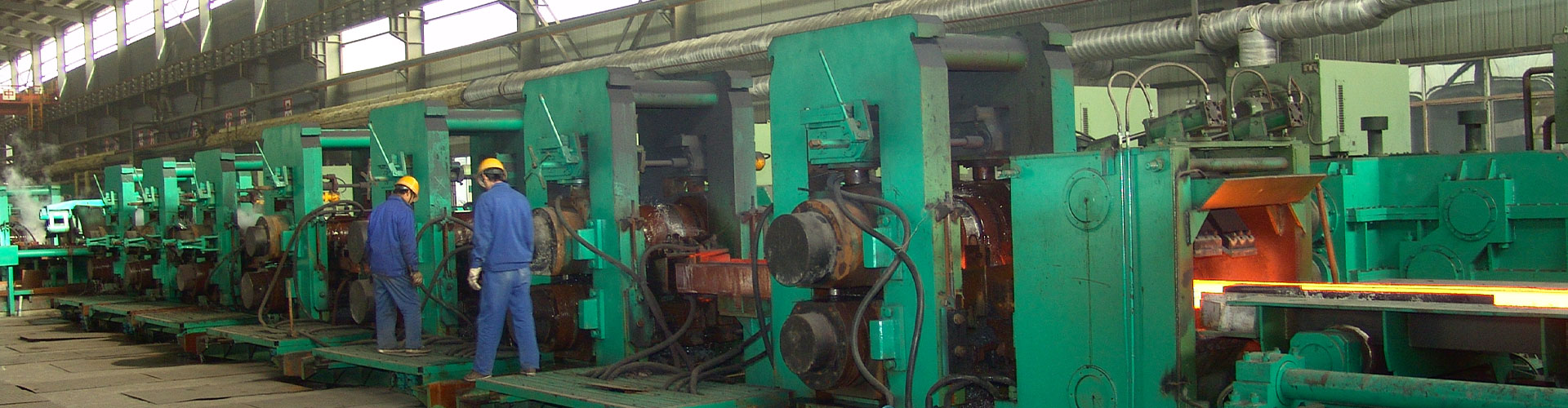
Los laminadores son esenciales en las industrias de procesamiento de metales, especialmente para dar forma al acero en las formas deseadas, como láminas, verja, o rieles. Si bien estas máquinas están diseñadas para durar, Su rendimiento y longevidad dependen en gran medida del mantenimiento adecuado.. Descuidar la atención de rutina puede provocar tiempos de inactividad no planificados, mala calidad del producto, y reparaciones costosas. Esta guía le guiará a través de prácticas, Pasos probados en campo para mantener un laminador de manera efectiva, cubriendo todo, desde controles diarios hasta estrategias a largo plazo..
Por qué es importante el mantenimiento para los laminadores
A diferencia de muchas máquinas industriales que fallan debido a averías estructurales., Los laminadores suelen sufrir desgaste en componentes específicos.. Las partes más vulnerables incluyen:
- Rollos (rollos de trabajo y rollos de respaldo)
- Atornillado (presionar hacia abajo) mecanismos
- Rodamientos y calzos
- Sistemas hidráulicos y de lubricación.
- Motores de accionamiento y cajas de cambios.
En laminado en caliente, Por ejemplo, Los rodillos de trabajo funcionan en condiciones extremas: las temperaturas a menudo superan los 600 °C., y las cargas mecánicas pueden superar 10,000 kN. Sin mantenimiento constante, fatiga térmica, agrietamiento superficial, y el desconchado de los rodillos se convierten en problemas comunes.
A diario & Tareas de mantenimiento semanales
Comience con rutinas simples pero críticas que los operadores puedan realizar durante turnos o paradas breves..
1. Inspeccionar las superficies de los rollos
comprobar si hay grietas, abolladuras, o desgaste desigual. Incluso los defectos superficiales menores pueden transferirse al producto final.. Utilice una linterna y una lupa si es necesario.. En líneas de laminación en caliente, inspeccionar después de cada cambio de bobina.
2. Monitorear los sistemas de lubricación
Asegúrese de que la presión del aceite y los caudales cumplan con las especificaciones.. La mayoría de los molinos modernos utilizan sistemas de lubricación centralizada con temporizadores automáticos.. Verifique que las boquillas no estén obstruidas y que el aceite no esté contaminado con agua o finos metálicos..
Especificaciones típicas de lubricantes para rodamientos de cuello de rodillo:
| Componente | Tipo de lubricante | Viscosidad (ISOS VG) | Tasa de flujo (l/min) |
|---|---|---|---|
| Rodamientos de rodillos de trabajo | Aceite mineral con aditivos EP | 68–100 | 3–5 |
| Rodamientos de rodillos de respaldo | Aceite sintético (basado en PAO) | 150–220 | 5–8 |
| Mecanismo de atornillado | Grasa (complejo de litio) | NLGI #2 | Relubricación manual cada 8 horas |
3. Verifique la presión hidráulica & Fugas
Los sistemas hidráulicos controlan la separación entre rodillos., doblando, y equilibrio. Inspeccionar mangueras, guarniciones, y cilindros para fugas. Una caída en la presión del sistema, incluso del 5 %, puede afectar la precisión del espesor de la tira.. Registre las presiones de referencia semanalmente para el análisis de tendencias..
Mensual & Mantenimiento profundo trimestral
Estas tareas requieren tiempo de inactividad planificado y técnicos capacitados..
1. Extracción e inspección de rollos
Retire los rollos de trabajo y de respaldo cada 30 a 60 días (dependiendo del volumen de producción). Mida el diámetro del rodillo en múltiples puntos para detectar desgaste del cono o del cilindro.. Utilice pruebas ultrasónicas para comprobar si hay grietas en el subsuelo., especialmente en rollos con alto contenido de carbono o aleaciones.
Límites de desgaste aceptables (ejemplo para un 600 rodillo de trabajo de mm de diámetro):
- Desgaste radial máximo: 3.0 mm
- Máxima falta de redondez: 0.15 mm
- Rugosidad de la superficie (Real academia de bellas artes): ≤ 0.8 µm después de la molienda
2. Alineación de caja de cambios y acoplamiento
La desalineación causa vibración, calor, y falla prematura del rodamiento. Utilice herramientas de alineación láser para garantizar que el desplazamiento del acoplamiento esté por debajo 0.05 mm y angularidad inferior a 0,1°. Vuelva a apretar los pernos de base según las especificaciones del fabricante, generalmente entre el 80% y el 90% del límite elástico..
3. Lavado del sistema de enfriamiento
Las boquillas de enfriamiento de los rodillos a menudo se obstruyen con incrustaciones o residuos. Desconectar y lavar todo el circuito con solución descalcificadora. (p.ej., 5% ácido cítrico a 60°C para 30 minutos), luego enjuague bien con agua limpia. Verifique la uniformidad del patrón de pulverización utilizando papel térmico o imágenes infrarrojas..
Consideraciones especiales para laminadores en caliente
Los laminadores en caliente enfrentan desafíos únicos debido a las altas temperaturas y los ciclos térmicos. He aquí cómo manejarlos:
Nunca apagues los panecillos calientes con agua
Un error común es rociar agua fría directamente sobre los panecillos al rojo vivo. (>500°C) para acelerar los cambios. Esto provoca una rápida contracción., lo que lleva a grietas por choque térmico o distorsión permanente. En cambio:
- Utilice neblina de aire a baja presión para un enfriamiento gradual
- Deje que se enfríe naturalmente durante al menos 15 a 20 minutos antes de entrar en contacto con el agua.
- Si el enfriamiento de emergencia es inevitable, aplique agua en ráfagas cortas con rotación
Alivie el estrés mecánico durante el tiempo de inactividad
Cuando el molino está inactivo por más de 2 horas, Retire ligeramente el mecanismo de atornillado. (0.5–1,0 milímetros). Esto reduce la precarga en los rodamientos y evita el brinelling.. También, Libere la presión de equilibrio hidráulico para evitar la deformación del sello..
Estrategias a largo plazo para prolongar la vida útil del rollo
La planificación proactiva ahorra miles de dólares en costos de reemplazo de rollos.
Implementar un programa de rotación de rollos
Gire los rodillos entre los soportes para distribuir el desgaste uniformemente. Para un molino en tándem de 4 soportes, una rotación típica podría ser:
| Ciclo | Pararse 1 | Pararse 2 | Pararse 3 | Pararse 4 |
|---|---|---|---|---|
| Inicial | Nuevo rollo A | Nuevo rollo B | Nuevo rollo C | Nuevo rollo D |
| Después 500 montones | Rollo B | Rollo C | Rollo D | Rollo A (moler) |
Seguimiento de métricas de rendimiento
Mantener registros de:
- Toneladas laminadas por juego de rollos
- Número de remolidos antes del descarte
- Incidentes de rotura o desconchado de rollos
- Consumo de lubricante y niveles de contaminación.
Con el tiempo, Estos datos revelan patrones, como un grado de acero específico que causa un desgaste más rápido, y ayudan a optimizar los intervalos de mantenimiento..
Errores comunes a evitar
- Saltarse las comprobaciones previas al inicio: Siempre verifique la alineación y la lubricación del rodillo antes de aumentar la velocidad..
- Usar grasa incorrecta: La mezcla de grasas a base de litio y calcio puede provocar la formación de lodos.
- Ignorar las tendencias de vibración: A 20% El aumento de la vibración del alojamiento del rodamiento a menudo precede a la falla..
- Apretar demasiado los pernos de cuña: El par excesivo distorsiona los asientos de los rodamientos: siga las especificaciones de par con precisión.
Coherente, Un mantenimiento cuidadoso convierte un laminador de un centro de costos en un activo de producción confiable.. Combinando la vigilancia del operador con intervenciones técnicas programadas, Las fresadoras pueden lograr una vida útil de los componentes entre un 20 % y un 30 % más larga y un número significativamente menor de paradas no planificadas.. La clave es la disciplina.: Las pequeñas acciones repetidas correctamente todos los días previenen fallas importantes en el futuro..