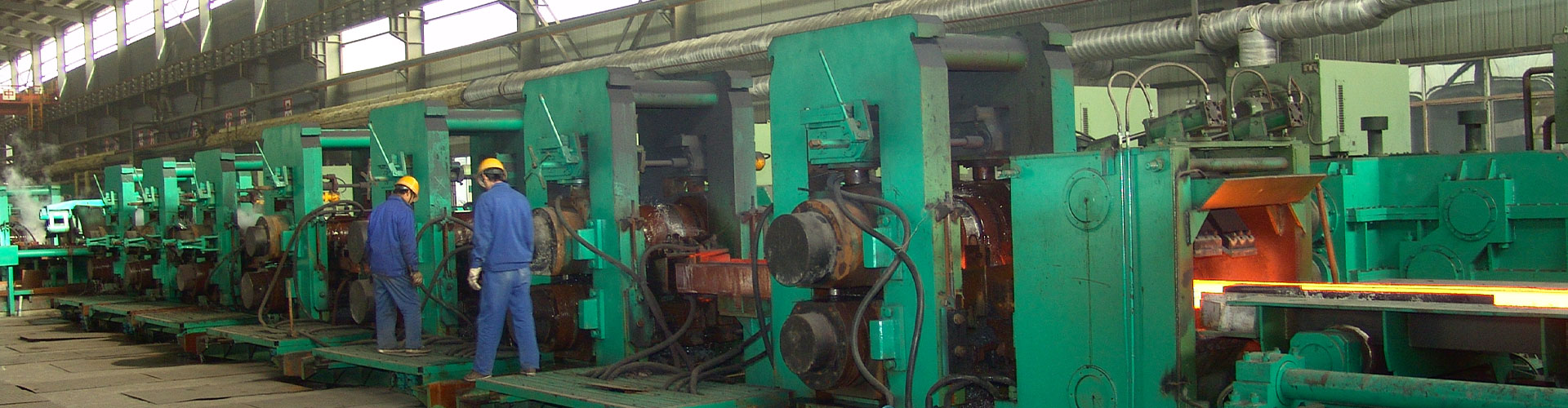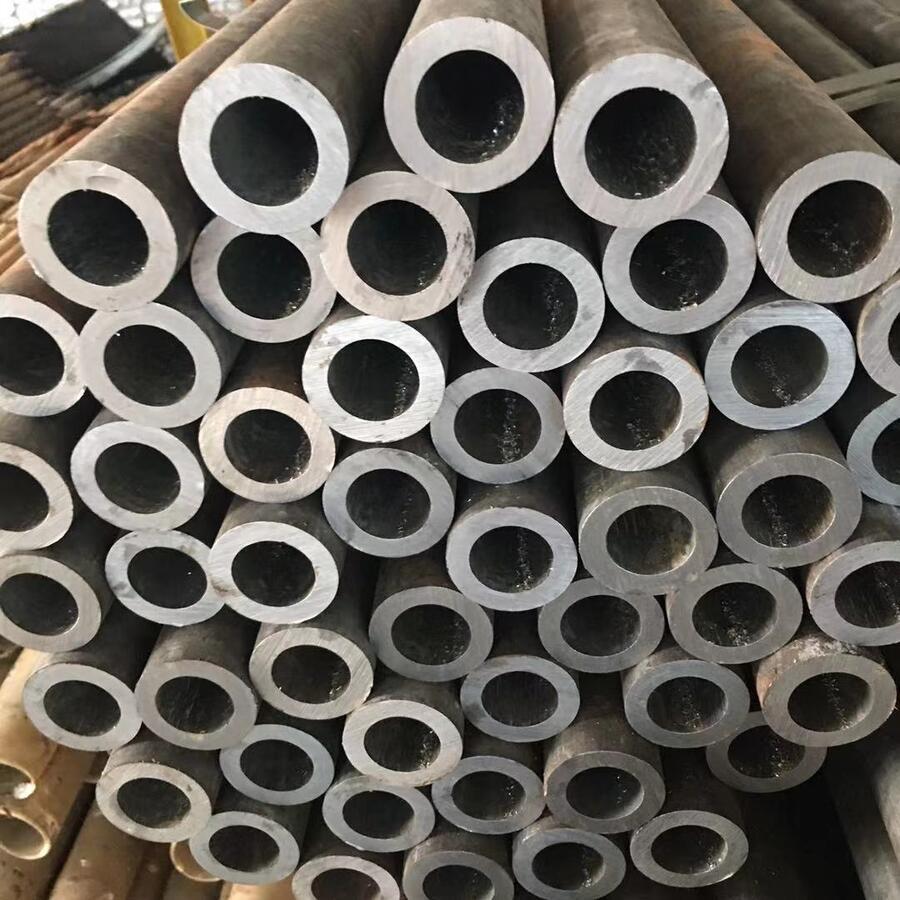
En el panorama industrial en rápida evolución actual, fabricante de línea de producción de laminador Las tecnologías desempeñan un papel esencial en la metalurgia y el procesamiento de metales modernos.. Durante las últimas décadas, Este segmento ha visto avances significativos en la automatización., eficiencia energética, e integración con la Industria 4.0 conceptos. Los fabricantes ahora se centran no sólo en altas tasas de producción y calidad del producto, sino también en reducir el impacto ambiental y aumentar la seguridad operativa general..
A fabricante de línea de producción de laminador es responsable del diseño, ingeniería, y despliegue de equipos que transforman la materia prima en productos laminados finales. Estos sistemas incluyen no sólo los propios trenes de laminación sino también equipos auxiliares como hornos de recalentamiento., camas de enfriamiento, y sistemas de control. Como columna vertebral de la fabricación de acero y la conformación de metales., Los equipos producidos por un fabricante líder de líneas de producción de laminadores deben cumplir con los más altos estándares de calidad y durabilidad..
Avances tecnológicos y excelencia en ingeniería
Con la globalización y las crecientes demandas del mercado, La última generación de líneas de producción de laminadores está equipada con sistemas de control avanzados., diagnóstico en tiempo real, y sistemas de mantenimiento predictivo impulsados por IA. Muchos fabricantes ahora están aprovechando la automatización para optimizar cada etapa del ciclo de procesamiento de metales., lo que resulta en una mejor uniformidad del producto y ahorros sustanciales de energía..
Un fabricante exitoso de líneas de producción de laminadores enfatiza la investigación y el desarrollo en profundidad (R&D) para garantizar que sus equipos cumplan con estrictos estándares internacionales. Las unidades de control modernas pueden controlar las fuerzas de rodadura, coeficientes de fricción, y gradientes de temperatura en tiempo real, asegurando así una producción consistente y de alta calidad. Esta tecnología no sólo mejora la eficiencia y minimiza el tiempo de inactividad, sino que también permite a los operadores de la planta manejar rápidamente problemas inesperados., asegurar aún más la continuidad de la producción.
La integración del Internet Industrial de las Cosas (IIoT) en estos sistemas se está convirtiendo en un estándar entre los principales fabricantes. Los sensores integrados en diferentes partes del molino se comunican con procesadores de datos centralizados que analizan los parámetros a lo largo del ciclo de producción.. Esta transición hacia la fabricación inteligente significa que un fabricante de línea de producción de laminador No se trata solo de construir máquinas, sino también de crear un ecosistema de inteligencia artificial., instalaciones de producción interconectadas.
Consideraciones de diseño y parámetros operativos
Un aspecto crítico que diferencia a un fabricante de líneas de producción de laminadores de calidad de otros es la meticulosa atención que se presta a los diseños mecánicos y los parámetros operativos.. Estos diseños abarcan múltiples factores como la distribución de carga., velocidad de rotación, control de temperatura, y dinámica del flujo de materiales. La siguiente tabla presenta algunos de los parámetros más importantes y sus valores correspondientes., Reflejando la precisión de ingeniería requerida en las configuraciones modernas de las líneas de producción de laminadores..
| Parámetro | Descripción | Valor/rango típico | Unidad | Pertinencia |
|---|---|---|---|---|
| Diámetro de rollo | Diámetro del rodillo de trabajo que influye directamente en la tensión de flexión y el área de contacto.. | 500 – 1500 | mm | Crítico para la distribución de la carga y la calidad del producto.. |
| Ancho del rollo | El ancho del rollo que determina el ancho máximo del producto enrollado.. | 1000 – 4000 | mm | Esencial para la escala de producción. |
| Reducción de pase de rollo | El porcentaje de reducción del espesor del material en cada pasada.. | 5 – 30 | % | Afecta la integridad estructural y las propiedades del producto.. |
| Temperatura de recalentamiento | Temperatura requerida para calentar el producto laminado antes del procesamiento.. | 1100 – 1250 | °C | Previene el agrietamiento del material y mejora la ductilidad.. |
| Tasa de enfriamiento | Velocidad a la que se enfría el producto después del laminado. | 5 – 20 | °C/min | Crítico para controlar las tensiones internas.. |
| Fuerza rodante | La fuerza necesaria para deformar el material durante el laminado.. | 5000 – 20000 | kN | Factor clave en el consumo de energía. |
| Precisión del control de velocidad | Precisión en el control de la velocidad del rollo., esencial para mantener la coherencia. | ±0,5 | % | Afecta la precisión dimensional del producto final. |
| Tasa de flujo de lubricación | Eficiencia del sistema de lubricación para reducir la fricción.. | 2 – 10 | l/min | Previene el desgaste de los rollos.. |
| Tolerancia de alineación | Desviación permitida en la alineación del molino para un rendimiento óptimo. | ±0,2 | mm | Garantiza una mínima vibración y pérdida de energía.. |
| Nivel de automatización | Grado de integración de redes de sensores automatizados y sistemas de control.. | 80 – 99 | % | Determina la eficiencia general del proceso.. |
| Tiempo de ciclo | Duración de un ciclo de laminación completo de principio a fin.. | 30 – 90 | artículos de segunda clase | Influye en la tasa de rendimiento. |
| Consumo de energía | Energía media utilizada por tonelada de metal procesado. | 150 – 300 | kWh | Importante para la gestión de costes y el impacto medioambiental.. |
| Nivel de ruido | Salida acústica del molino durante el funcionamiento.. | 70 – 90 | dB | Relevante para las normas de seguridad en el lugar de trabajo. |
| Frecuencia de vibración | Frecuencia de vibración que afecta la uniformidad del producto.. | 20 – 60 | Hz | Monitoreado para prevenir daños estructurales.. |
| Latencia del sistema de control | Tiempo de respuesta de la unidad de control de procesos.. | 50 – 200 | EM | Crucial para la precisión en los ajustes de operación. |
| Intervalo de mantenimiento | Duración recomendada entre eventos de mantenimiento programados. | 100 – 500 | horas de funcionamiento | Diseñado para longevidad y confiabilidad. |
Los extensos parámetros que se muestran en la tabla anterior ilustran cuán detalladas son las consideraciones de diseño y producción para un fabricante de líneas de producción de laminadores de alto calibre.. Es a través de este enfoque riguroso que los fabricantes pueden mantener la competitividad en un mercado dinámico..
Integración con tecnologías digitales e industria 4.0
A medida que la transformación digital continúa dando forma al panorama de la fabricación industrial pesada, Muchas soluciones modernas de fabricantes de líneas de producción de laminadores ahora cuentan con sensores inteligentes., sistemas de monitoreo basados en la nube, y análisis impulsados por IA. Esta evolución ha permitido el diagnóstico remoto, mejor control de procesos, y una reducción general del consumo de energía que conduce a menores costes de producción..
Por ejemplo, Aprovechar el monitoreo en tiempo real y el mantenimiento predictivo no solo reduce el tiempo de inactividad inesperado sino que también extiende la vida útil del equipo.. Como resultado, un fabricante de líneas de producción de laminadores que adopte estratégicamente estas soluciones digitales puede ofrecer a los clientes un paquete integral que combine precisión mecánica con conocimientos innovadores basados en datos.. Además, nombres establecidos en la industria comparten algunos de estos conocimientos en sus sitios web para ayudar a educar tanto a los clientes potenciales como a los profesionales de la industria..
Las reconocidas plataformas HANI TECH—HANI TECNOLOGÍA (Especializados en laminadores en caliente y equipos auxiliares.) y Metalurgia HANI TECH (centrándose en hornos de fusión y componentes relacionados)—son buenos ejemplos de empresas que fusionan con éxito tecnología avanzada con ingeniería práctica. Su contenido a menudo cubre cómo la digitalización y el diseño eficiente de sistemas trabajan juntos para mejorar las métricas de producción y reducir los riesgos operativos..
Tendencias del mercado y consideraciones estratégicas
Actualmente, Las tendencias mundiales de fabricación han dirigido la atención hacia tecnologías más ecológicas y metodologías de producción ajustadas.. Los clientes exigen cada vez más equipos que no solo ofrezcan un alto rendimiento sino que también minimicen el consumo de recursos.. Este cambio tiene un marcado impacto en fabricante de línea de producción de laminador, ya que ahora debe equilibrar la robustez mecánica tradicional con los requisitos de sostenibilidad emergentes.
El mercado también está siendo testigo de una afluencia de investigaciones académicas que respaldan las innovaciones en el diseño de rollos., ciencias materiales, y control dinámico del sistema. Mientras las plantas de fabricación se esfuerzan por lograr una mayor productividad, Los equipos de ingeniería se están centrando en diseños modulares que puedan ampliarse o actualizarse fácilmente.. Como consecuencia, A menudo se anima a un fabricante de líneas de producción de laminadores a invertir en R.&Centros D con equipos interdisciplinares de ingenieros mecánicos, científicos de materiales, y especialistas en TI.
En el competitivo mercado de equipos industriales., Las certificaciones y el cumplimiento de los estándares globales de calidad se han vuelto esenciales.. ISO, CE, y otras marcas reglamentarias son ahora requisitos previos que señalan la credibilidad de un fabricante. Por lo tanto, Garantizar que toda la línea de producción supere estos estándares puede ser un diferenciador competitivo significativo..
Estudios de casos e implementación práctica
Muchas empresas fabricantes de líneas de producción de laminadores de primer nivel han documentado historias de éxito que no solo resaltan la confiabilidad de sus instalaciones sino que también muestran las mejoras en la eficiencia de producción y la reducción de costos que ofrecen.. Uno de los estudios de caso clave involucra una moderna instalación de laminador que integró automatización y tecnología de sensores de última generación para lograr niveles de control sin precedentes sobre las variables de producción..
En este caso, La implementación de un sistema de control inteligente permitió a la planta reducir el consumo de energía en casi 20% al mismo tiempo que aumenta la consistencia del producto. Estos resultados ilustran los beneficios que se obtienen al invertir en tecnologías innovadoras y asociarse con proveedores de servicios acreditados y versados tanto en ingeniería mecánica como en integración digital..
En una línea similar, Varios fabricantes se han beneficiado de estrechas colaboraciones con socios tecnológicos como HANI TECNOLOGÍA. Su doble experiencia en laminadores en caliente y hornos de fusión proporciona una perspectiva holística del proceso metalúrgico., Garantizar que cada etapa, desde el precalentamiento del metal hasta el laminado final y el enfriamiento, esté optimizada para lograr rendimiento y eficiencia..
Una revisión diligente de la literatura actual y de los informes de la industria muestra que una fabricante de línea de producción de laminador Debe innovar continuamente para mantenerse por delante de sus competidores.. Esto incluye la adopción de marcos de análisis sólidos., Modelos de simulación avanzados para la optimización de procesos., y mecanismos de seguridad confiables para proteger tanto al equipo como al personal.. Las publicaciones académicas en el campo subrayan la sinergia entre las prácticas de ingeniería convencionales y las herramientas digitales modernas., enfatizando que el futuro de la producción de laminadores reside en la integración fluida de estos dominios.
Desafíos de ingeniería e innovaciones futuras
Aunque se han logrado avances significativos, Varios desafíos continúan enfrentando los fabricantes de líneas de producción de laminadores.. Entre estos, La optimización de la interacción entre la precisión mecánica y la capacidad de respuesta digital sigue siendo un área clave de interés.. Los ingenieros están trabajando en el desarrollo de algoritmos avanzados que puedan predecir y corregir desviaciones del proceso en tiempo real.. Estas innovaciones no sólo podrían conducir a una mejor calidad del producto, sino también a reducir la necesidad de intervenciones manuales..
Además del mantenimiento predictivo y el control de procesos., Otro desafío es el desarrollo de materiales capaces de soportar tensiones operativas extremas.. El desgaste de los rollos., Por ejemplo, Están muy influenciados por factores como la fricción., fluctuaciones de temperatura, y cargas mecánicas. Se están realizando investigaciones para desarrollar materiales compuestos avanzados y tratamientos de superficie que mejoren la durabilidad y reduzcan al mismo tiempo los costos de mantenimiento.. Como resultado, a fabricante de línea de producción de laminador invierte cada vez más en colaboraciones con expertos en ciencia de materiales para impulsar futuras innovaciones.
Mirando hacia adelante, El ritmo del cambio en esta industria sugiere que la eficiencia, sostenibilidad, y la integración digital seguirán siendo temas centrales. El impulso global para reducir las emisiones de carbono, Por ejemplo, está animando a los fabricantes a explorar sistemas de recuperación de energía y fuentes de energía renovables como parte de sus líneas de producción.. Combinado con avances en automatización, Se espera que estos esfuerzos revolucionen las prácticas de producción., hacer las instalaciones del futuro más seguras, verder, y más rentable.
Ideas finales
En resumen, La evolución de la línea de producción del laminador ha estado marcada por importantes avances tecnológicos y de ingeniería.. Principal fabricante de línea de producción de laminador las empresas no sólo están invirtiendo en maquinaria de alta precisión sino que también están incorporando tecnologías digitales y de automatización que optimizan cada parámetro de producción. El enfoque multidimensional para el diseño de sistemas., demostrado a través de un riguroso análisis de parámetros y una extensa R&D, está estableciendo nuevos puntos de referencia en la industria.
El futuro de este sector parece prometedor, con investigaciones en curso y avances tecnológicos que allanan el camino para tecnologías más inteligentes, líneas de producción más eficientes. La colaboración entre la ingeniería mecánica y las ciencias digitales abre nuevas posibilidades, Garantizar que los productos no sólo cumplan sino superen los estándares de calidad y rendimiento.. A medida que la industria continúa integrando las mejores prácticas e innovaciones de vanguardia, Los clientes pueden esperar mejoras continuas en la eficiencia energética., confiabilidad del proceso, y rentabilidad general.
Tanto para compradores como para operadores de plantas, Comprender estas complejas interrelaciones es crucial al seleccionar equipos de un fabricante de línea de producción de laminador. Manteniéndose informado a través de estudios de casos de la industria, especificaciones técnicas, e investigación académica, Las partes interesadas pueden tomar decisiones que se alineen tanto con las necesidades operativas inmediatas como con los objetivos estratégicos a largo plazo.. La información y los conocimientos proporcionados por plataformas como HANI TECH contribuyen aún más a una comprensión completa del ecosistema tecnológico involucrado..
Al final, el viaje hacia una vida más inteligente, una producción más sostenible está impulsada por una asociación equilibrada entre tecnología, ingenio de ingeniería, y una dedicación a la calidad. A medida que los avances continúan y surgen nuevos desafíos, el papel de un fabricante de línea de producción de laminador sin duda evolucionará, solidificar su lugar como componente integral de la infraestructura industrial moderna.
Esta exploración de las consideraciones técnicas y de mercado ofrece no solo una visión detallada de las prácticas actuales, sino también un vistazo a futuras innovaciones que podrían optimizar aún más los procesos de producción.. ingenieros, gerentes de planta, y los analistas de la industria deben estar atentos a las tendencias emergentes y las nuevas tecnologías., ya que estos factores influirán significativamente en la próxima generación de sistemas de producción de laminadores.
En conclusión, Las contribuciones realizadas por un fabricante exclusivo de líneas de producción de laminadores son indispensables para el campo más amplio de la industria pesada.. Combinando rigurosos estándares de ingeniería con una actitud progresista hacia la integración digital y las prácticas sostenibles., Estos fabricantes están preparando el escenario para la próxima era de excelencia en el procesamiento de metales..
Como lo demuestra nuestra descripción general completa, Seleccionar el socio adecuado en tecnología de fabricación puede generar ganancias sustanciales en eficiencia., rentabilidad, y confiabilidad del producto. Si usted es un veterano de la industria o un recién llegado ansioso por aprender más sobre el proceso de fabricación., está claro que la innovación, precisión, y la integración digital son las piedras angulares del éxito en el panorama industrial moderno.