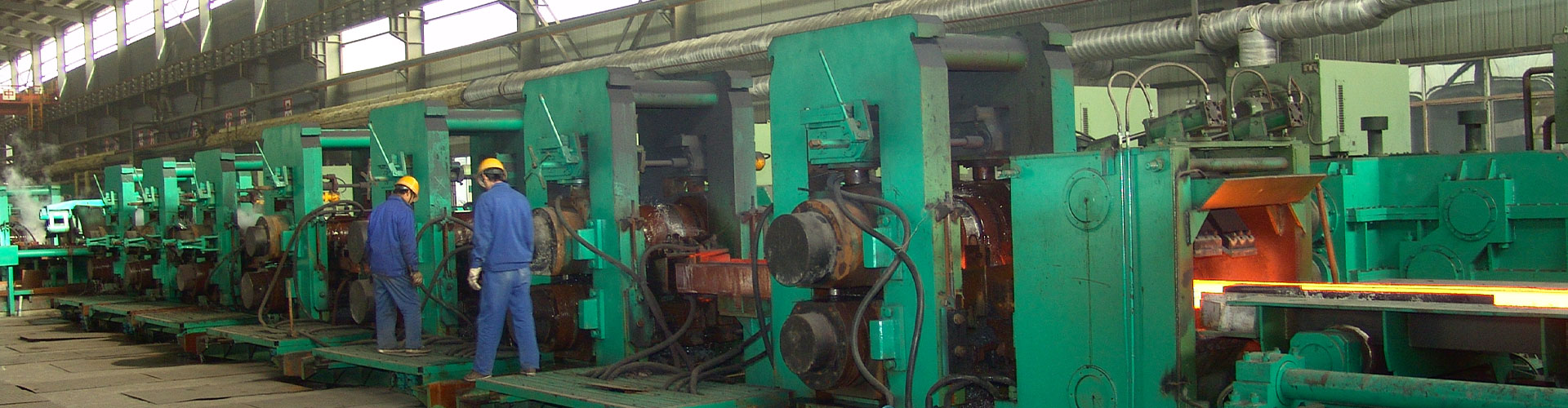
El soporte del laminador, a menudo llamado la vivienda del molino, es la columna vertebral de cualquier operación de laminación. es un enorme, Estructura rígida diseñada para realizar un trabajo principal.: resistir las inmensas fuerzas de separación generadas cuando el metal se aprieta entre los rodillos. La precisión y estabilidad de todo el proceso de laminación dependen en gran medida del diseño y las dimensiones de este componente crítico.. Comprender sus principales dimensiones es esencial para los ingenieros., operadores, y equipos de mantenimiento involucrados en el conformado de metales..
Un bastidor de laminación bien diseñado garantiza la calidad del producto, eficiencia operativa, y seguridad. Sus dimensiones clave no son arbitrarias; son el resultado de cuidadosos cálculos que equilibran la fuerza, el tamaño del equipo rodante, y las necesidades prácticas de las operaciones del molino, como cambiar rollos. Let’s explore the three fundamental dimensions that define the structure of a rolling mill stand: the window height, the window width, and the cross-sectional area of the posts.
1. Mill Stand Window Height (h)
The “window” is the opening in the mill stand where the rolls, aspectos, and adjustment mechanisms are housed. The vertical dimension of this opening, the Window Height (h), is a critical parameter determined by the sum of the vertical heights of all components within it, plus necessary clearances for adjustment and maintenance.

The factors that collectively determine the required window height include:
-
→
Roll Neck Diameter: The diameter of the roll necks, donde se colocan los rodamientos, es un punto de partida fundamental. -
→
Altura del calzo del rodamiento: Las grandes viviendas (calzos) que contienen los cojinetes del cuello del rodillo contribuyen significativamente al apilamiento vertical. -
→
Mecanismo de rosca: La altura de los componentes del sistema atornillado., Ya sean tornillos mecánicos o cilindros hidráulicos., que caben dentro de la ventana deben tenerse en cuenta. Esto incluye la longitud mínima de extensión de los tornillos o la altura del conjunto del cilindro hidráulico.. -
→
Componentes auxiliares: La altura de otras partes como bloques rompedores. (bloques de seguridad) o las almohadillas de soporte aumentan la altura total. -
→
Rango de ajuste del rollo: El molino necesita un cierto rango de movimiento vertical para que los rodillos se adapten a diferentes espesores de producto.. Esta distancia de recorrido de ajuste es parte del cálculo de altura.. -
→
Liquidación de cambio de rollo: Fundamentalmente, debe haber suficiente espacio vertical adicional para levantar el conjunto del rollo superior y separarlo del rollo inferior para que los cambios de rollo sean fáciles y seguros.. Este suele ser un factor importante a la hora de determinar la altura final de la ventana..
2. Mill Stand Window Width (B)
El ancho de la ventana (B) es la distancia horizontal entre los dos postes verticales del soporte. El principio para determinar este ancho depende del tipo de carcasa del molino..
-
✔
Vivienda cerrada: en este diseño, el stand es un solo, pieza solida. Para cambiar rollos, Todo el conjunto del rollo debe sacarse lateralmente a través de la ventana.. Por lo tanto, the window width debe ser ligeramente mayor que el diámetro máximo del cilindro del rodillo. Esto proporciona el espacio necesario para deslizar los rollos hacia adentro y hacia afuera.. -
✔
Vivienda abierta: Este diseño tiene una tapa superior o yugo removible., permitiendo que los rollos se levanten verticalmente. En este caso, el ancho de la ventana no está determinado por el diámetro del rollo. En cambio, está determinado por el ancho total del conjunto de calzo de rodamiento. La ventana debe ser lo suficientemente ancha para acomodar las cuñas con el espacio de operación adecuado..
3. Mill Post Cross-Sectional Area (F₂)
Las columnas verticales del stand se conocen como postes.. Su tamaño, específicamente su área de sección transversal (F₂), está determinada por la necesidad de resistencia y rigidez.. Los postes están bajo tensión debido a la fuerza de rodadura., y deben ser lo suficientemente robustos para soportar esta carga sin estiramientos o deformaciones importantes.. Deformación excesiva, conocido como “tramo de molino”,"puede llevar a un control deficiente sobre el espesor del producto final.
Mientras que el análisis complejo de elementos finitos (FEA) se utiliza para la verificación del diseño final, A menudo se utiliza un método empírico confiable para el dimensionamiento inicial.. Este método relaciona el área transversal del poste. (F₂) al cuadrado del diámetro del cuello del rollo (d²). La lógica es que la fuerza que actúa sobre los postes es la misma que la fuerza que actúa sobre los cuellos de los rollos., proporcionando una base proporcional para el diseño.
La relación se expresa como una razón.: F₂ / d². Esta relación varía según el tipo de molino y el material de los rodillos., ya que diferentes materiales tienen diferentes fortalezas. La siguiente tabla proporciona valores empíricos típicos utilizados en el diseño del soporte del molino..
| Material del rollo y tipo de molino | Razón empírica (F₂ / d²) |
|---|---|
| Rollos de hierro fundido | 0.6 – 0.8 |
| Rollos de acero al carbono (Molinos de floración/planchado) | 0.7 – 0.9 |
| Rollos de acero al carbono (Otros molinos) | 0.8 – 1.0 |
| Rollos de acero aleado | 1.0 – 1.2 |
| Rollos de acero cromado (para molinos de 4 alturas, basado en el diámetro del cuello del rodillo de respaldo) | 1.2 – 1.6 |
Practical Application Example
Digamos que estamos diseñando un soporte de laminador para un laminador de perfiles utilizando rodillos de acero al carbono.. El diámetro del cuello del rodillo de respaldo. (d) está decidido a ser 500 mm.
- Seleccione la proporción: de la mesa, para una fábrica de acero al carbono, elegimos una relación de rango medio, Por ejemplo, 0.9.
- Calcular d²: d² = 500 mm * 500 milímetros = 250,000 mm².
- Calcular F₂: F₂ = Relación * d² = 0.9 * 250,000 mm² = 225,000 mm² o 2,250 cm².
Este resultado le dice al diseñador que el área de la sección transversal de cada uno de los dos postes verticales debe ser aproximadamente 2,250 cm². A esta zona se le puede dar forma (p.ej., 45 cm de ancho por 50 cm de profundidad) para lograr la fuerza requerida, proporcionando un punto de partida sólido para el diseño estructural detallado.
En resumen, Las dimensiones principales de un soporte de laminador son un compromiso cuidadosamente diseñado.. Deben proporcionar una fuerza inmensa para controlar el proceso de laminación., permitir los ajustes operativos necesarios, y facilitar tareas de mantenimiento esenciales como cambios de rodillos. Entendiendo cómo la altura de la ventana, ancho, y el área de publicación están determinadas, Se obtiene una apreciación más profunda de la ingeniería que sustenta la producción de metales de alta calidad..