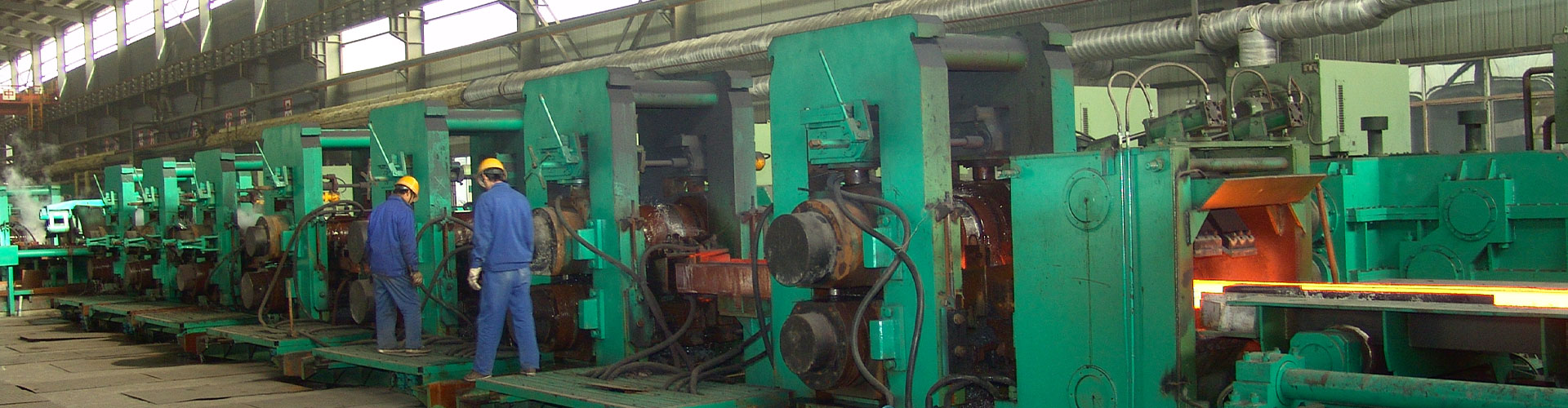
Una mirada detallada a las etapas iniciales de la producción moderna de alambrón de alta velocidad: desde la manipulación de palanquillas hasta el calentamiento y la desincrustación..
Los laminadores de alambrón de alta velocidad son la columna vertebral de la fabricación moderna de alambre de acero. Estas líneas de producción avanzadas convierten palanquillas de colada continua en alambrón de alta calidad a velocidades que superan 100 metros por segundo en las gradas de llegada. Todo el proceso está altamente automatizado., preciso, y diseñado para máxima eficiencia y consistencia. Este artículo profundiza en las primeras etapas críticas.: alimentación de palanquilla, calefacción, y desincrustación: pasos esenciales que sientan las bases para una producción de alambrón de alto rendimiento.
Manejo de palanquilla y alimentación al horno
Antes de que comience cualquier rodaje, La materia prima (normalmente palanquillas de sección transversal cuadrada procedentes de colada continua) debe entregarse con precisión al horno de calentamiento.. En la mayoría de los molinos modernos de alambrón de alta velocidad, Esto comienza con grúas electromagnéticas que levantan las palanquillas del almacenamiento y las colocan en una plataforma de alimentación ubicada a una altura de +5.0 metros.
El plataforma de alimentación de palanquilla está equipado con un mecanismo de transferencia paso a paso mediante ruedas excéntricas. Este sistema garantiza una fluidez, Movimiento controlado de cada palanquilla hacia la entrada del horno.. A medida que los tochos se acercan al final de la plataforma, un tope neumático baja, permitiendo que un tocho a la vez se deslice sobre la mesa de rodillos de entrada del horno.
Pesaje y medición de longitud automatizados
Una vez en la mesa de rodillos, cada palanquilla se pesa automáticamente utilizando un escala de palanquilla. Estos datos en tiempo real ayudan a rastrear el consumo de material y garantizan pesos de carga consistentes para un calentamiento uniforme.. Al mismo tiempo, un sin contacto sistema de medición láser registra la longitud de cada palanquilla a medida que avanza.
Estas mediciones son cruciales para el control de procesos.. Permiten que el sistema de automatización calcule la posición exacta de cada palanquilla dentro del horno y garantice la alineación adecuada durante la entrada.. Los tochos desalineados pueden causar atascos o calentamiento desigual, lo que lleva a defectos de calidad aguas abajo.
| Parámetro | Valor / Rango | Notas |
|---|---|---|
| Sección transversal del billete | 150×150mm, 160×160 milímetros | Tamaños más comunes para molinos de alta velocidad. |
| Longitud del billete | 6,000 – 12,000 mm | Ajustable según el grado y el peso objetivo de la bobina |
| Velocidad de alimentación | 0.5 – 1.2 EM | Controlado por la frecuencia del mecanismo de paso. |
| Precisión de pesaje | ±0,5% | Garantiza una carga térmica constante |
| Medición de longitud | ±2mm | Sistema basado en láser |
Proceso de calentamiento en el horno de recalentamiento
Después de un posicionamiento preciso, el tocho entra en el horno de recalentamiento de viga móvil, que es el corazón del escenario pre-rolling. Este tipo de horno se utiliza ampliamente en laminadores de alambrón de alta velocidad debido a su excelente uniformidad de temperatura., baja pérdida de oxidación, y control preciso de los perfiles de calefacción.
Cuando el tocho llega a la entrada del horno, está parado y alineado. A mecanismo de empuje en el extremo trasero del horno luego transfiere la palanquilla desde la mesa de rodillos de entrada a las vigas fijas dentro del horno. De eso, el sistema de viga móvil se hace cargo.
Cómo funciona el sistema Walking Beam
La viga móvil funciona con un movimiento de “paso y asentamiento”:
- Levantar: El rayo se eleva, levantando todos los tochos que descansan sobre él.
- Movimiento hacia adelante: El haz avanza un paso. (normalmente entre 200 y 300 mm).
- Bajar hacia abajo: El rayo desciende, Colocar los tochos en las vigas estacionarias..
- Devolver: La viga se retrae a su posición original sin tocar las palanquillas..
Este ciclo se repite continuamente., avance de palanquillas a través de las zonas del horno: precalentamiento, calefacción, y remojo. Cada zona se controla de forma independiente para cumplir con los requisitos térmicos de diferentes grados de acero..
Configuraciones típicas de curva de calefacción y temperatura
La temperatura de descarga objetivo para la mayoría de los aceros al carbono y de baja aleación está entre 1050°C y 1120°C. Sin embargo, Esto varía según las especificaciones del producto final y la velocidad de laminado..
| Grado de acero | Temperatura objetivo (°C) | Tiempo de remojo (mínimo) | Capacidad del horno (t/h) |
|---|---|---|---|
| Q195, Q235 (Bajo en carbono) | 1080 – 1100 | 45 – 55 | 150 |
| SWRH77B, 82B (Alto contenido de carbono) | 1050 – 1080 | 50 – 60 | 140 |
| ML08Al (Acero de partida en frío) | 1070 – 1090 | 55 – 65 | 135 |
| Aceros aleados especiales | 1000 – 1050 | 60 – 75 | 120 |
El horno normalmente es alimentado por gas mezclado (gas de alto horno + gas de horno de coque) o gas natural, con aire precalentado mediante quemadores regenerativos para mejorar la eficiencia térmica. Los sistemas modernos alcanzan una eficiencia térmica superior 65%, reduciendo significativamente el consumo de combustible por tonelada de acero.
La uniformidad de temperatura en toda la sección transversal del tocho se mantiene dentro de ±15°C, lo cual es vital para garantizar un comportamiento de deformación consistente durante el laminado. Pirómetros y termopares infrarrojos monitorean el proceso en tiempo real, Alimentación de datos al sistema de control para ajustes automáticos..
Descalcificación de alta presión (Eliminación de incrustaciones de óxido)
Después de salir del horno, el tocho caliente lleva una capa de incrustaciones de óxido de hierro formada durante el calentamiento. Si no se elimina, Esta escala puede causar defectos en la superficie., aumentar el desgaste del rodillo, y conducir a un control dimensional inconsistente en el laminador..
para resolver esto, a sistema de descalcificación de agua a alta presión Se instala inmediatamente a la salida del horno.. Este sistema utiliza múltiples boquillas en forma de abanico dispuestas en un anillo alrededor del recorrido del tocho para suministrar agua a presiones que varían desde 120 a 200 bar.
Características clave del sistema de descalcificación
- Presión del agua: 120–200 barras (ajustable según el grado de acero y el espesor de la escala)
- Tasa de flujo: 80–150 m³/h por caja de descalcificación
- Tipo de boquilla: Chorro de ventilador, 15Ángulo de pulverización °–25°, puntas de carburo de tungsteno o cerámica
- Tiempo de respuesta: Menos que 2 segundos desde la señal hasta la presión máxima
- Activación: Activado por un detector de metales calientes. (HMD) mientras la palanquilla sale del horno
La palanquilla se mueve a través de la caja de desincrustación a una velocidad de 0.8 a 1.5 EM, garantizar un tiempo de exposición suficiente para una eliminación eficaz de las incrustaciones. Los chorros de agua golpean la superficie a gran velocidad., romper la frágil capa de óxido y eliminarla.
Las palanquillas limpias pasan luego al molino de desbaste., donde se llevan a cabo las primeras reducciones continuas. Un sistema de desincrustación bien mantenido puede reducir el desgaste de los rodillos hasta 30% y mejorar la calidad de la superficie, Especialmente importante para alambrones con alto contenido de carbono y de calidad para trefilado..
Problemas comunes y mejores prácticas
⚠️ Consejo: Boquillas obstruidas o baja presión de agua son las causas más comunes de una mala descalcificación. Inspección y limpieza periódicas. (al menos una vez por turno) son esenciales. Utilice agua filtrada para evitar la obstrucción de la boquilla..
✅ Mejores prácticas: Instalar un sistema de reciclaje y enfriamiento de agua para reducir el consumo y mantener la temperatura del agua estable.. El agua caliente reduce la eficiencia de descalcificación.
Del horno a la laminación: El traspaso final
Después de la descalcificación, La palanquilla se guía hasta la mesa de transferencia que conduce al molino de desbaste.. Aquí, rollos de guía de entrada y guías laterales asegurar una alineación precisa antes de que el tocho entre en el primer soporte del molino de desbaste.
A rodillo de pellizco motorizado o rollo de alimentación Puede usarse para ayudar a introducir el tocho en el primer soporte., Especialmente para secciones transversales más grandes o materiales de alta fricción.. Esto asegura una mordida suave. (mordiendo) y evita bucles o atascos.
Toda la secuencia, desde el manejo de la grúa hasta la descarga del horno, se sincroniza a través del nivel de la planta. 2 sistema de automatización. Esta integración permite el seguimiento en tiempo real de cada palanquilla., alertas de mantenimiento predictivo, y seguimiento del consumo de energía.
¿Qué viene después??
En la siguiente parte de esta serie, Cubriremos el proceso de laminado en detalle, incluido el desbaste., intermedio, y soportes para molinos de acabado, el papel de los loopers y活套 (control de bucle), y cómo la máquina de hilar de alta velocidad (máquina de hilar de dos bloques) dar forma a la bobina final de alambrón. También veremos la dinámica del lecho de enfriamiento y los métodos de inspección de calidad utilizados en las modernas líneas de producción de alambrón de alta velocidad..
Comprender estas etapas iniciales: alimentación de palanquillas, calefacción, y descalcificación, es clave para optimizar toda la cadena de producción. Pequeñas mejoras en el control de la temperatura o la eliminación de incrustaciones pueden generar ganancias significativas en el rendimiento., calidad de la superficie, y rendimiento del procesamiento posterior.