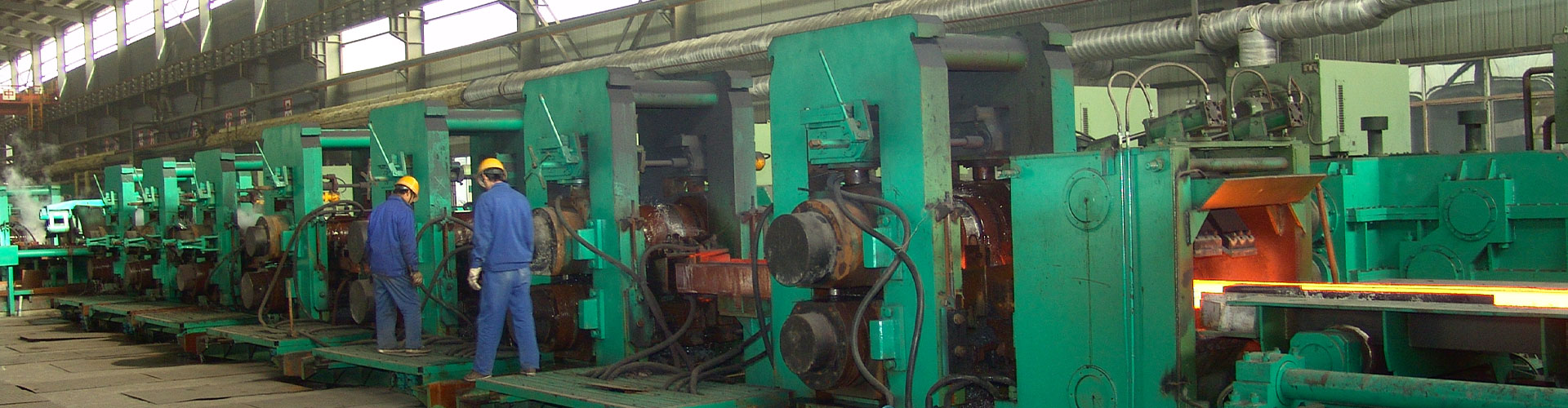
En un laminador de acero, la vista de brillar, El acero al rojo vivo es una realidad diaria.. Pero imagina que una cinta de metal a 1000°C, moviéndose a la velocidad de un atleta de velocidad, liberándose de repente. Esta no es una escena de una película.; es un evento real y aterrador conocido como accidente de “adoquines” o “pilones de acero”, Un fenómeno que puede convertir una planta de producción en una zona de peligro en una fracción de segundo..
Entendiendo la “Serpiente Voladora”: ¿Qué es un evento de adoquines??
un adoquín, Los trabajadores de las fábricas a menudo la apodan sombríamente “serpiente voladora” o “serpiente resplandeciente”., Ocurre cuando la barra o varilla de acero caliente que se procesa se desvía de su trayectoria prevista a través de los soportes de laminación.. En lugar de pasar suavemente de un juego de rodillos al siguiente, se atasca o se desvía.
El problema es que los soportes del laminador detrás del atasco todavía empujan el acero hacia adelante a velocidades inmensas, a menudo excediendo 20 metros por segundo. Sin ningún lugar a donde ir, la longitud acumulada de candente, El acero flexible se dobla y es expulsado violentamente de la línea de producción.. Se mueve sin control, transportando energía cinética y térmica masiva, representando una amenaza letal para cualquier persona y cualquier cosa en su camino.

Ilustración conceptual de cómo un bloqueo conduce a un peligroso evento de adoquín.
Causas principales: ¿Por qué ocurren los pilotes de acero??
Estos incidentes no son aleatorios.. Casi siempre son el resultado de acciones específicas., Problemas identificables dentro del proceso de rodadura.. Comprender estas causas fundamentales es el primer paso hacia la prevención..
1. Configuración incorrecta del soporte del molino y del espacio entre rodillos
El recorrido de una palanquilla de acero a través de un laminador implica una reducción precisa del área de la sección transversal en cada puesto.. Si el espacio entre los rodillos (la “brecha de rodadura”) está configurado incorrectamente, o si la ranura ("aprobar") en el rollo no queda perfectamente alineado después de un cambio, el acero se puede pellizcar, retorcido, o mal formado. Esto crea una obstrucción inmediata., conduciendo a un choque.
- Discrepancia de parámetros: El diámetro del rodillo y la posición base de la ranura deben calcularse con alta precisión.. Incluso un pequeño error puede hacer que el acero salga del soporte en un ángulo incorrecto o con una dimensión incorrecta..
- Guías desgastadas: Las guías de entrada y salida que canalizan el acero hacia los rollos son fundamentales.. Si están usados, dañado, o desalineado, pueden no dirigir correctamente el extremo delantero de la barra, provocando que pierda la entrada al siguiente stand.
2. Fallo de sincronización de velocidad
Un laminador moderno es una sinfonía de velocidades sincronizadas. A medida que la barra de acero se hace más larga y delgada, Cada soporte de molino subsiguiente debe girar más rápido que el anterior para adaptarse al aumento de longitud.. Esto crea un delicado equilibrio de tensión..
- Desajuste de velocidad: Si un puesto aguas abajo funciona demasiado lento, El acero se acumulará entre los soportes., formando un bucle. Si este bucle se vuelve inmanejable, puede causar un atasco. En cambio, si corre demasiado rápido, puede estirar y romper la barra.
- Problemas de control del motor: un repentino, La aceleración o desaceleración no planificada de un motor de accionamiento debido a una falla eléctrica en el sistema de control puede interrumpir instantáneamente esta sincronización., provocando un choque o una ruptura de tensión.
3. Fallo del equipo crítico
Las inmensas fuerzas y las altas temperaturas en un laminador someten a los equipos a una tensión constante. La falla mecánica es un factor de riesgo significativo.
- Rollos rotos: Una falla catastrófica de un rodillo de trabajo puede bloquear instantáneamente el camino del acero..
- Mal funcionamiento del sistema de enfriamiento: Los rollos se enfrían continuamente con agua a alta presión.. Si este sistema falla, los panecillos pueden sobrecalentarse, deformar, o incluso fusionarse con el acero caliente, causando un atasco severo.
- Fallo de corte: Se colocan tijeras de emergencia a lo largo de la línea para cortar la barra en caso de algún problema.. Si una cizalla no se activa cuando es necesario, un problema menor puede convertirse en un adoquín mayor.
Medidas preventivas: Un enfoque proactivo hacia la seguridad
Evitar adoquines no es cuestión de suerte; se trata de ingeniería rigurosa, mantenimiento meticuloso, y una cultura de seguridad profundamente arraigada. La atención debe centrarse siempre en el control proactivo en lugar de en la limpieza reactiva..
| Área de enfoque | Acciones preventivas clave | Detalles técnicos & Parámetros |
|---|---|---|
| Configuración & Calibración |
|
El error de cálculo de velocidad debe mantenerse por debajo 0.5%. La tensión entre soportes debe controlarse con precisión., A menudo se utilizan brazos looper con sensores de retroalimentación para mantener un pequeño, bucle estable de material. |
| Eléctrico & Sistemas de control |
|
Los sistemas modernos utilizan PLC de alta velocidad (Controladores lógicos programables) con tiempos de respuesta en milisegundos. Los sensores infrarrojos pueden detectar una desviación de la línea de paso y activar el corte aguas arriba en debajo 50 milisegundos. |
| Mantenimiento Mecánico |
|
La presión del agua de refrigeración para un molino de barras de alta velocidad puede ser de aproximadamente 10-15 bar. Pruebas no destructivas (como pruebas ultrasónicas) Se debe utilizar para comprobar si hay grietas internas en los rollos antes de la instalación.. |
| Capacitación del operador |
|
Un operador bien capacitado a menudo puede detectar cambios sutiles en la carga del motor o vibraciones inusuales que preceden a una falla., proporcionando una ventana crítica de unos pocos segundos para actuar. |
El peligro de una “serpiente voladora” a 1000°C en un laminador de acero es grave, pero no es inevitable. A través de una combinación de tecnología avanzada, ingeniería precisa, mantenimiento diligente, y un vigilante, fuerza laboral bien capacitada, Estos eventos peligrosos pueden gestionarse y prevenirse eficazmente.. El compromiso con la excelencia operativa no se trata solo de productividad y calidad; es el requisito fundamental para garantizar que cada trabajador regrese a casa sano y salvo al final de su turno..