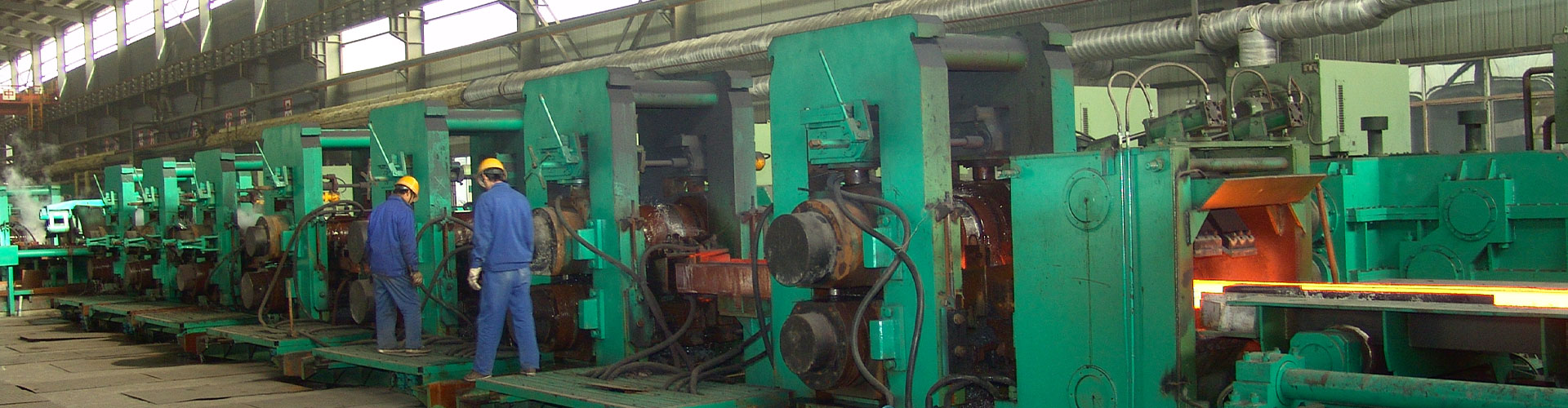
Advertencia: La vibración pesada del laminador daña el equipo & Crea defectos: correcciones listas para el uso
1 Reconocer todos los peligros: Máquinas de daños por vibración & Acero acabado
1.1 Daños ocultos a largo plazo al equipo
- Desgaste rápido en las piezas centrales.: La vibración crea una tensión desequilibrada en los rodamientos, rodillos y acoplamientos. Estas piezas sufren desgaste parcial y instalación suelta.. Un rollo que dura seis meses normalmente puede romperse en tres meses.. Los rodamientos a menudo se sobrecalientan o se bloquean, y los costos de mantenimiento se duplican.
- Fundación del molino roto: Una fuerte vibración continua provoca un asentamiento desigual de los cimientos. Afloja los pernos de anclaje., deforma el marco del molino y agrieta las costuras de soldadura. Las reparaciones posteriores cuestan más y tardan más. Los casos graves incluso obligan a sustituir todo el equipo.
- Fallos de reacción en cadena: La vibración se extiende por toda la línea de producción.. Se desplaza y desgasta guías y rodillos de apoyo.. Luego las tiras se desvían o se rompen., lo que desperdicia más tiempo de producción.
1.2 Pérdida de calidad visible en el acero final
- Forma de placa fuera de estándar: La vibración hace que la presión del rodillo sea inestable durante el proceso de laminado.. Las tiras tienen un grosor desigual, formar bordes combados u ondulados. Estos productos no cumplen con los estándares de fábrica y son degradados o desechados..
- Mal estado de la superficie: La vibración provoca fricción aleatoria entre tiras., rollos y guias. Arañazos, Aparecen hendiduras y picaduras en las superficies de acero.. Estos defectos reducen el valor del producto..
- Errores dimensionales excesivos: La carrera de atornillado inestable bajo vibración hace que el ancho y el espesor de la tira superen los límites de tolerancia. El acero no cumple con las demandas de los clientes y retrasa la entrega del pedido..
2 Cinco causas fundamentales de la vibración severa del molino (100% Combinado con escenarios de taller)
2.1 Fundación inestable & Pernos de anclaje flojos
Casos comunes en el sitio: Los trabajadores se saltan el ajuste de pernos después del cambio o revisión del rodillo. El tiempo de funcionamiento prolongado inclina la base del molino, Y la vibración crece día a día..
2.2 Rollos de trabajo desequilibrados o desgastados de manera desigual
Recordatorio clave: Muchas fábricas se saltan las pruebas de equilibrio dinámico después del reemplazo de los rodillos.. Este error común crea vibraciones duraderas y acelera el desgaste de rodillos y rodamientos..
2.3 Acoplamientos desalineados o desgastados (Riesgo oculto que se pasa por alto fácilmente)
Juicio de campo rápido: El ruido claro cerca de las secciones del acoplamiento, además de una vibración más fuerte a velocidades más altas, casi siempre indican una desalineación o abrasión del acoplamiento..
2.4 Cojinetes desgastados o juego interno inadecuado
Nota relacionada: La mala lubricación de los rodamientos y la carga excéntrica prolongada aceleran los daños en los rodamientos y provocan vibraciones secundarias..
2.5 Parámetros irrazonables del proceso de laminación
3 Soluciones prácticas de reducción de vibraciones en 5 pasos para uso directo en el sitio
Paso 1 Inspeccionar y reforzar los cimientos del molino
- Detenga el molino y revise todos los pernos de anclaje.. Apriete los pernos flojos y reemplace los dañados o faltantes inmediatamente. Programe una revisión completa de los pernos cada tres días. Vuelva a apretar todos los pernos después de cada cambio de rodillo o revisión sin excepción.
- Compruebe si el cuerpo del molino se inclina.. Póngase en contacto con equipos profesionales para reforzar los cimientos una vez que detecte señales de asentamiento.. Esto evita que pequeñas averías se conviertan en averías graves..
Paso 2 Calibre los rodillos de trabajo para eliminar el desequilibrio
- Rectificar a tiempo rodillos con desgaste desigual o defectos superficiales. Mantenga los cilindros planos y use uniformemente ambos extremos..
- Completa calibración del equilibrio dinámico para cada rollo recién instalado. La fuerza centrífuga uniforme durante el funcionamiento evita la vibración inducida por el desequilibrio.
- Inspeccione los rodamientos en un ciclo regular.. Cambie los rodamientos desgastados o rotos rápidamente. Ajuste la holgura del rodamiento estrictamente según las normas técnicas durante el montaje..
Paso 3 Realinear los acoplamientos para corregir la transferencia de energía desigual
- Verifique los acoplamientos durante el mantenimiento de parada.. Reemplace las unidades desgastadas y los componentes elásticos envejecidos de inmediato.
- Calibrar la coaxialidad del acoplamiento.. Mantenga los ejes centrales del motor y del molino en línea recta para detener la vibración de potencia desigual.. Marque las posiciones calibradas y vuelva a verificarlas periódicamente..
Paso 4 Optimice los parámetros de rodadura para reducir las cargas de impacto
- Controle estrictamente el espesor de la losa entrante. Prohibir materias primas con grandes fluctuaciones de espesor para evitar cambios repentinos de carga en el molino..
- Mantener una velocidad de rodadura constante. Evite aceleraciones o desaceleraciones frecuentes. Ajuste la reducción de atornillado en pequeños, Múltiples rondas y rechazar rodadura sobrecargada..
- Establezca parámetros de laminado coincidentes para diferentes grados de acero y espesores de losa. Estos ajustes reducen las oscilaciones bruscas de carga durante la producción..
Paso 5 Lleve a cabo inspecciones periódicas para la prevención temprana de fallas
- Revisar los cuerpos del molino, rollos, Acoplamientos y cojinetes antes del arranque diario.. Esté atento a las piezas sueltas, ruido extraño o señales de sobrecalentamiento.
- Realizar una inspección completa del molino cada semana.. Concéntrese en los riesgos de vibración ocultos y solucione los pequeños problemas de inmediato. No dejes que las fallas menores se expandan..
- Cumpla con el mantenimiento de lubricación programado para todas las piezas móviles. La lubricación total reduce la fricción y las vibraciones relacionadas..
4 Tres operaciones in situ incorrectas comunes (Errores costosos que se deben evitar)
- Fortalecer ciegamente el marco del molino sin verificar la causa raíz
Apretar el marco sólo enmascara la vibración temporalmente. En su lugar, la tensión de vibración se transfiere a otros componentes.. Todas las piezas se desgastan más rápido, y luego aumentan las tarifas de mantenimiento.
- Reemplace los rollos repetidamente ignorando las pruebas de equilibrio dinámico
Los trabajadores atribuyen la vibración a la baja calidad de los rodillos y los cambian con frecuencia. Se saltan la calibración de la balanza, desperdician presupuestos de repuestos y no logran detener las vibraciones recurrentes.
- Forzar una velocidad más rápida y una mayor reducción para acelerar la producción
Los operadores ignoran las vibraciones obvias y empujan el molino con más fuerza para obtener más producción.. Las tasas de defectos aumentan drásticamente, y pueden ocurrir fallas graves como fracturas de rodillos o deformaciones del marco.. La pérdida final supera con creces las ganancias de producción a corto plazo.