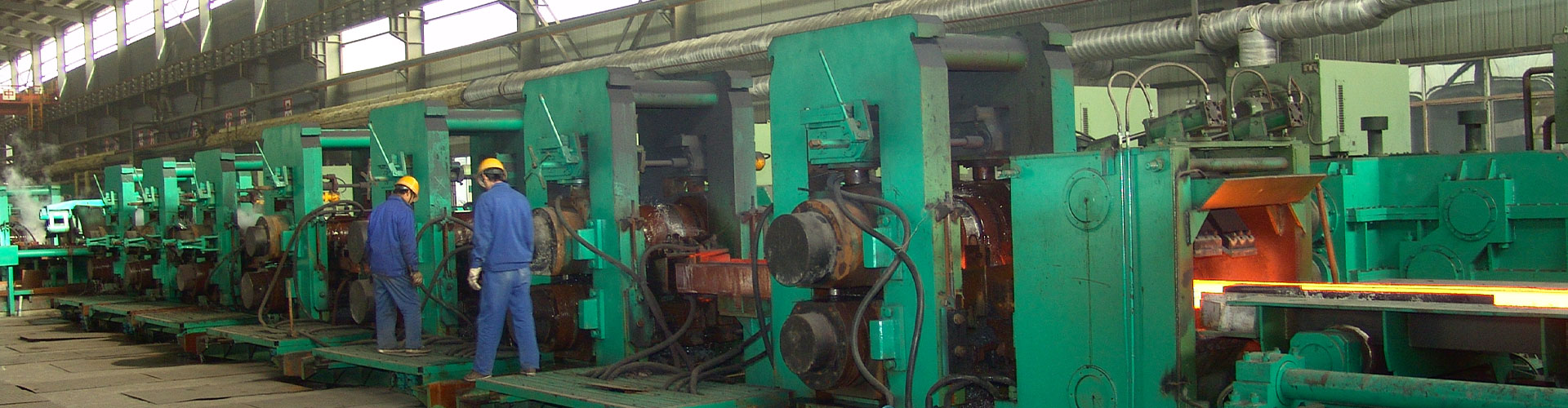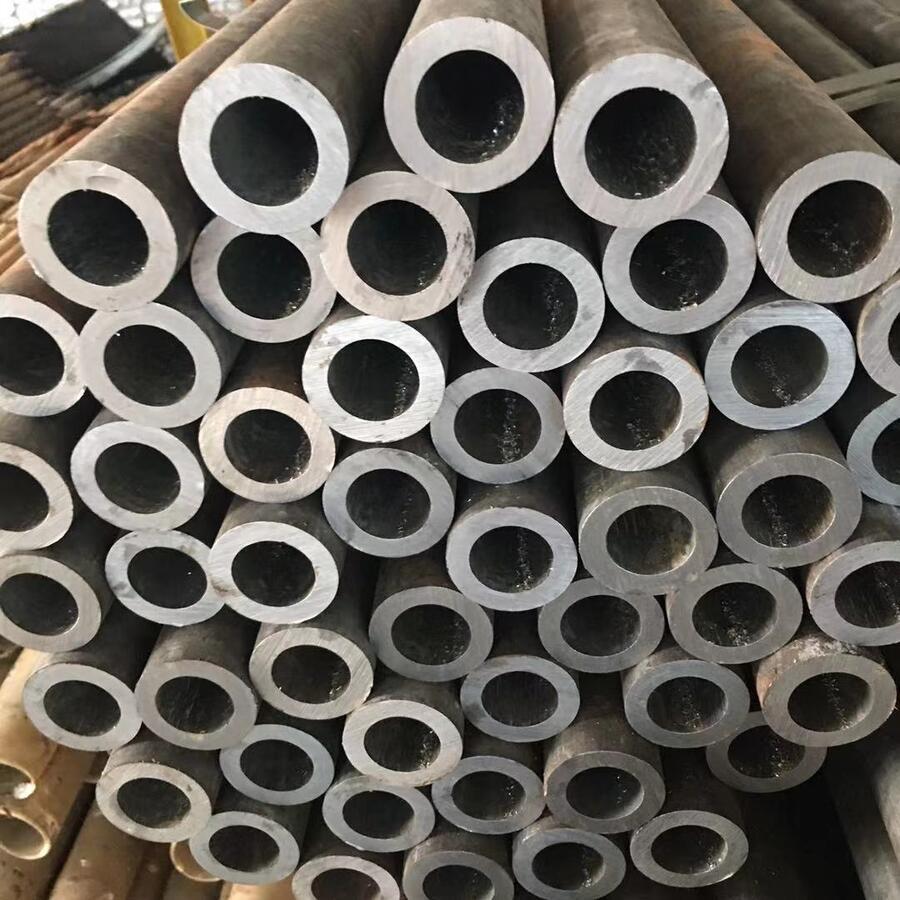
El laminador de alambrón Es una pieza crítica del equipo en el procesamiento de metales moderno., Diseñado para producir alambrón de alta calidad con dimensiones y propiedades mecánicas precisas.. Estos molinos son ampliamente utilizados en industrias como la construcción., automotor, y fabricación, donde la calidad constante del material es primordial. En este artículo, profundizamos en los principios de funcionamiento, parámetros clave, y soluciones avanzadas ofrecidas por líderes de la industria como HANI TECNOLOGÍA para optimizar la producción de alambrón.
Comprensión del proceso del laminador de alambrón
A laminador de alambrón transforma palanquillas en bruto en alambrón mediante una serie de pasadas de laminado. El proceso normalmente implica:
- Calefacción: Las palanquillas se calientan a entre 1000 y 1200 °C en un horno de recalentamiento para garantizar la plasticidad..
- Desbaste: Reducción inicial de la sección transversal de la palanquilla mediante múltiples cajas de laminación.
- Intermedio & Refinamiento: Reducción adicional para lograr el diámetro deseado. (normalmente entre 5,5 y 22 mm).
- Enfriamiento: Enfriamiento controlado en una línea Stelmor para mejorar las propiedades mecánicas.
- enrollado: Bobinado automatizado para almacenamiento y transporte..
Parámetros clave de los laminadores de alambrón
A continuación se muestra una tabla detallada que describe los parámetros críticos para un alto rendimiento. laminador de alambrón:
| Parámetro | Valor típico | Importancia |
|---|---|---|
| Velocidad de rodadura | 60–120 m/s | Determina la eficiencia de la producción. |
| Tamaño del billete | 120×120–160×160 mm | Afecta las dimensiones finales del alambrón. |
| Diámetro terminado | 5.5–22mm | Gama estándar para uso industrial |
| Capacidad anual | 300,000–1.000.000 de toneladas | Escalabilidad para producción a gran escala |
| Temperatura de balanceo | 950–1.050°C | Garantiza una ductilidad óptima del material. |
| Tasa de enfriamiento | 10–20°C/s | Crítico para el control de la microestructura. |
| Potencia del motor | 1,500–3.000 kilovatios | Acciona eficientemente los soportes rodantes |
| Tolerancia | ±0,1–0,3 mm | Garantiza la precisión dimensional |
Soluciones avanzadas de HANI TECH
HANI TECNOLOGÍA se especializa en alto rendimiento laminadores de alambrón con características como:
- Sistemas de control automatizados: Monitoreo preciso de la velocidad, temperatura, y tensión.
- Diseños energéticamente eficientes: Consumo de energía reducido mediante configuraciones de motor optimizadas.
- Soportes rodantes personalizables: Adaptable a diversos materiales. (acero carbono, acero aleado, acero inoxidable).
Para equipos auxiliares como hornos de recalentamiento o camas de enfriamiento, Metalurgia HANI ofrece soluciones complementarias para mejorar el rendimiento del molino.
Conclusión
El laminador de alambrón sigue siendo una piedra angular del procesamiento de metales, con tecnologías en evolución que impulsan una mayor eficiencia y calidad del producto. Aprovechando parámetros y soluciones avanzados de proveedores como HANI TECH, Los fabricantes pueden lograr una producción superior y al mismo tiempo minimizar los costos operativos.. Para obtener más información técnica o especificaciones de equipos, visita hanrm.com o hanmetallurgia.com.