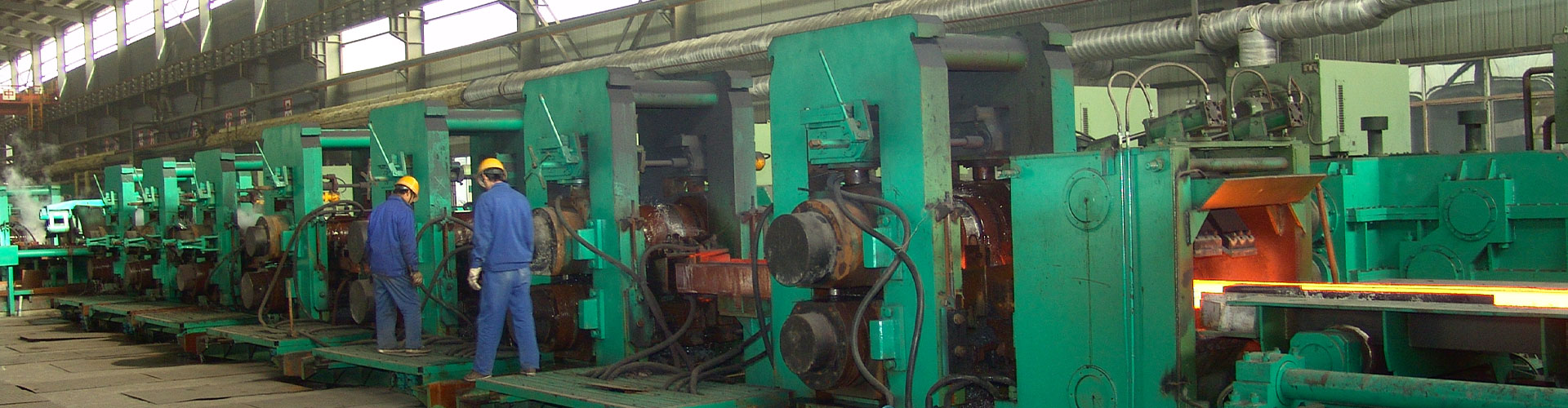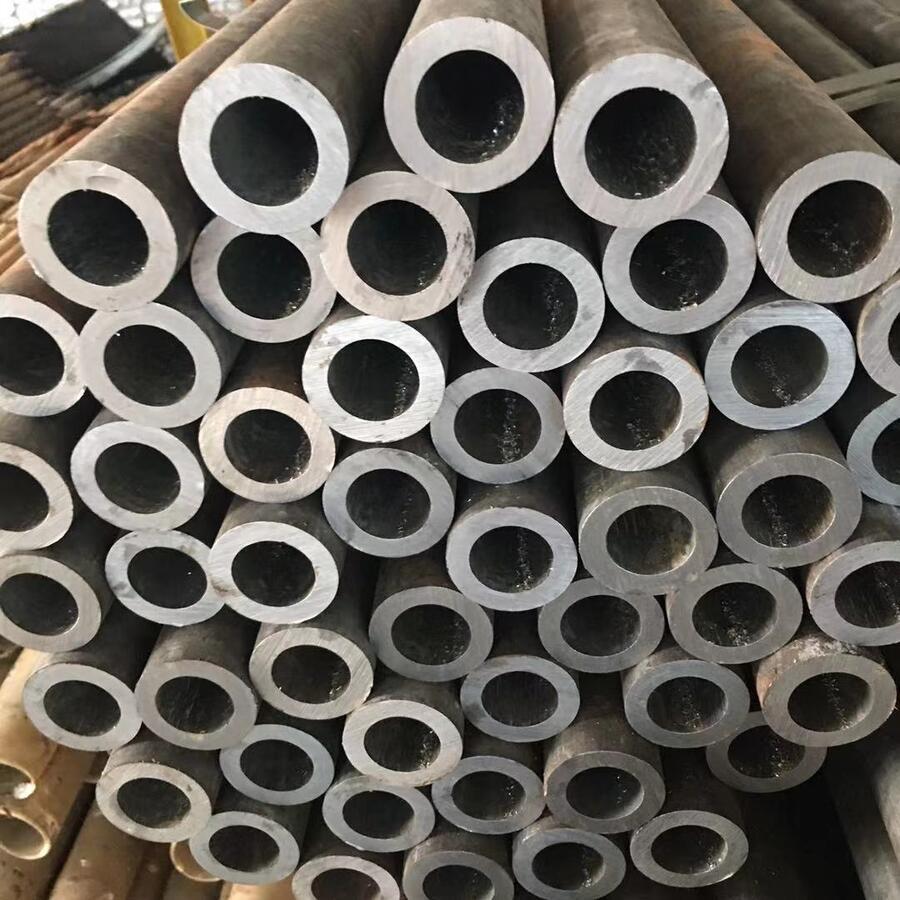
Lorsqu'il s'agit de produire des produits longs en acier comme des barres d'armature, fil machine, rails, et sections structurelles, une matière première se distingue par son efficacité, cohérence, et la rentabilité: le billette de coulée continue. Aujourd'hui, sur 97% de produit long laminage d'acier les opérations en Chine utilisent des billettes de coulée continue au lieu de lingots d'acier traditionnels. Ce changement ne concerne pas seulement la modernisation, mais également une meilleure qualité., consommation d'énergie réduite, et un rendement plus élevé.
Dans cet article, nous passerons en revue tout ce que vous devez savoir sur les billettes de coulée continue, depuis leur fabrication, quels types d'acier ils peuvent transporter, leurs avantages dans laminage d'acier, et des données de production réelles qui comptent dans l'atelier.
Qu'est-ce qu'une billette de coulée continue?
Une billette de coulée continue est un produit en acier semi-fini formé en versant de l'acier en fusion dans un moule refroidi à l'eau., où il se solidifie en une longue section rectangulaire ou carrée. Contrairement au moulage de lingots à l'ancienne, ce qui nécessite plusieurs étapes de réchauffage, la coulée continue produit un uniforme, billette prête à rouler en un seul, processus ininterrompu.
Ces billettes vont généralement de 120mm × 120 mm à 180mm × 180 mm de taille et sont coupés en longueurs fixes, généralement entre 6 à 12 mètres—en fonction des exigences du laminoir.
Pourquoi la coulée continue a remplacé la coulée de lingots
Dans les années 1980, la plupart des aciéries utilisaient le moulage de lingots. Mais cette méthode présentait des inconvénients majeurs: perte d'énergie élevée, faible rendement, et une qualité interne incohérente. Aujourd'hui, la coulée continue domine car elle résout ces problèmes.
| Facteur | Coulée de lingots | Coulée continue |
|---|---|---|
| Rendement | ~85% | ~97 % |
| Consommation d'énergie | Haut (2 réchauffer nécessaire) | Faible (1 réchauffer ou rouler directement) |
| Défauts internes | Commun (rétrécissement, ségrégation) | Rare (solidification contrôlée) |
| Travail & Coût | Haut | Faible |
Comme indiqué ci-dessus, la coulée continue améliore presque tous les aspects de la production d'acier. Pour laminage d'acier moulins, cela signifie moins de rejets, factures de carburant réduites, et un débit plus rapide.
Comment fonctionne la coulée continue – étape par étape
Le processus commence après la fabrication de l'acier et se termine avec une billette prête à rouler.. Voici comment ça se déroule:
- Transfert de poche: L'acier fondu du BOF ou de l'EAF est versé dans une poche et transporté vers la coulée continue.
- Métallurgie en poche (LF): L’acier subit un affinage – ajustement de la température, désulfuration, alliage - pour répondre à des spécifications chimiques précises.
- Argon en remuant & Répartiteur: La louche verse de l'acier dans un répartiteur, qui fait office de tampon. Le gaz argon remue la masse fondue pour assurer une composition uniforme.
- Moulage de moules: L'acier coule dans un moule en cuivre refroidi par l'eau. La coque extérieure se solidifie en quelques secondes tandis que le noyau reste liquide.
- Zone de refroidissement secondaire: Le toron passe dans des chambres refroidies par pulvérisation où il se solidifie complètement..
- Coupe de brins: Une fois solide, le toron est découpé en billettes à l'aide d'une flamme automatique ou d'une cisaille mécanique.
- Chargement ou stockage à chaud: Les billettes vont directement au four de réchauffage (charge chaude) ou sont empilés pour une utilisation ultérieure.
L'ensemble de ce processus se déroule à des vitesses comprises entre 1.8 à 3.0 mètres par minute, en fonction de la taille de la section et de la qualité de l'acier. Par exemple, une vitesse de coulée de billettes de 150 mm × 150 mm est généralement d'environ 2.2 m/mon.
Nuances d'acier adaptées à la coulée continue et au laminage
Tous les aciers ne peuvent pas être coulés en continu, mais la grande majorité est utilisée en produit long laminage d'acier peut. Vous trouverez ci-dessous une répartition des familles d'aciers courantes et leur faisabilité de coulée..
| Type d'acier | Notes communes | Casting possible? | Utilisé dans le laminage long? |
|---|---|---|---|
| Acier de construction au carbone | Q195, Q235, Q355, 10#, 20#, 45# | Oui | Oui (barres d'armature, rubriques) |
| Acier de construction allié | 20Cr, 40Cr, 42CrMo, 35CrMo | Oui | Oui (arbres, engrenages) |
| Acier à ressort | 60Si2Mn, 55CrSi, 50CrV | Oui | Oui (ressorts automobiles) |
| Acier à roulement | GCr15, GCr15SiMn | Oui (avec réduction douce) | Oui (roulements haut de gamme) |
| Acier inoxydable | 304, 316L, 430, 201 | Oui (moules spéciaux) | Oui (barres, fil) |
| Acier à outils rapide | W18Cr4V, M2 | Non | Non (toujours un lingot coulé) |
Dès 2023, sur 180 nuances d'acier sont produits avec succès par coulée continue dans le monde entier. En Chine, le taux d'adoption atteint 97.9% de la production totale d'acier brut en 2010, et ça n'a fait qu'augmenter depuis.
Avantages de l'utilisation de billettes de coulée continue dans le laminage de l'acier
Pour les opérateurs de laminoirs, les avantages vont au-delà de la simple fourniture de matériaux. Voici ce qui compte vraiment dans l’atelier de production:
- Précision dimensionnelle supérieure: Les billettes issues de la coulée continue ont des tolérances étroites (± 0,5 mm sur la longueur latérale), ce qui garantit une entrée stable dans les cages de laminage..
- Meilleure qualité interne: Le refroidissement contrôlé réduit la ségrégation et la porosité de la ligne centrale, conduisant à moins de fissures lors du roulement.
- Chargement direct à chaud: Les billettes peuvent passer directement de la coulée au four à une température de 800 à 1 000 °C., économiser jusqu'à 50 Kwh / tonne en carburant.
- Moins de formation d'échelle: Un temps de réchauffage plus court signifie moins de tartre d'oxyde de fer, améliorer la finition de surface des produits finaux.
- Rendement roulant plus élevé: Rapport des usines 1–2% de rendement en plus lors de l'utilisation de billettes de coulée continue vs. lingots.
Paramètres de production réels des usines chinoises
Pour vous donner une idée pratique de la façon dont cela fonctionne, voici les paramètres de fonctionnement réels de plusieurs usines de produits longs à grande échelle en Chine.
| Type d'usine | Taille des billettes (mm) | Vitesse d'incantation (m/mon) | Température de réchauffage (°C) | Vitesse de roulement (MS) |
|---|---|---|---|---|
| Moulin à barres d'armature | 150 × 150 | 2.0 – 2.4 | 1100 – 1150 | 10 – 14 |
| Moulin à tige | 130 × 130 | 2.6 – 3.0 | 1080 – 1120 | 80 – 100 |
| Moulin à sections (Poutre en H) | 220 × 260 | 1.6 – 1.9 | 1180 – 1220 | 1.2 – 2.0 |
| Moulin à barres d'acier à ressort | 160 × 160 | 1.8 – 2.1 | 1130 – 1160 | 0.8 – 1.5 |
Ces chiffres ne sont pas théoriques : ils reflètent les conditions réelles d'exploitation.. Par exemple, un laminoir à fil machine utilisant des billettes de 130 mm peut atteindre des vitesses de coulée allant jusqu'à 3.0 m/mon grâce aux technologies d'agitation électromagnétique et de réduction douce dynamique.
Défis et limites
Même si la coulée continue est dominante, ce n'est pas parfait. Certains aciers nécessitent encore une coulée en lingots pour des raisons métallurgiques ou économiques.
Aciers qui ne peuvent pas être coulés en continu (Encore)
- Aciers à outils fortement alliés: Les qualités comme 5CrNiMoV et H13 ont des plages de congélation étroites et sont sujettes à la fissuration.
- Aciers rapides: W18Cr4V et M42 nécessitent une solidification très lente pour éviter la ségrégation du carbure.
- Superalliages: Matériaux comme GH4169 (Inconel 718) besoin d'une solidification directionnelle, souvent fait sous vide.
Économiquement non viable pour les petits lots
Même si une nuance d'acier peut être lancé en continu, cela n'a peut-être pas de sens pour les petites commandes. Installer une roulette pour un lot de 50 tonnes n’est pas rentable. Dans de tels cas, la coulée des lingots reste pratique.
L'avenir: Vers une forme proche du net et un roulement direct
La prochaine frontière dans laminage d'acier supprime complètement le four de réchauffage. Certaines usines avancées utilisent déjà chargement direct à chaud ou même roulage direct de billettes de coulée continue.
En roulage direct, les billettes sortent de la roulette à 1 000-1 100°C et vont directement dans le dégrossisseur - pas de stockage, pas de réchauffage. Cela peut économiser jusqu'à 80 Kwh / tonne et réduire les émissions de CO₂ de 60 kg par tonne d'acier.
Moulins à Baosteel, Shagang, et HBIS ont mis en place de tels systèmes pour les aciers au carbone et les nuances faiblement alliés. La clé est une coordination étroite entre le fondeur et le broyeur : le timing doit être de quelques minutes.
Réflexions finales pour les ingénieurs de laminoirs
Si vous utilisez un produit long laminage d'acier doubler, votre choix de matière première impacte directement la qualité, coût, et disponibilité. Les billettes de coulée continue offrent des avantages prouvés: meilleur rendement, consommation d'énergie réduite, et une plus grande cohérence.
Bien que toutes les nuances d'acier ne puissent pas être coulées de cette façon, sur 97% des aciers courants pour produits longs, des barres d'armature à l'acier à ressorts, peuvent. Et avec les progrès continus dans la conception des moules, agitation électromagnétique, et contrôle des processus, l'écart se réduit rapidement.
Que vous optimisiez votre processus actuel ou planifiiez une nouvelle ligne, comprendre tout le potentiel des billettes de coulée continue est essentiel. Il ne s’agit pas seulement de suivre le rythme de la technologie, il s’agit également de rester compétitif sur un marché mondial où chaque kWh et chaque point de pourcentage de rendement compte..