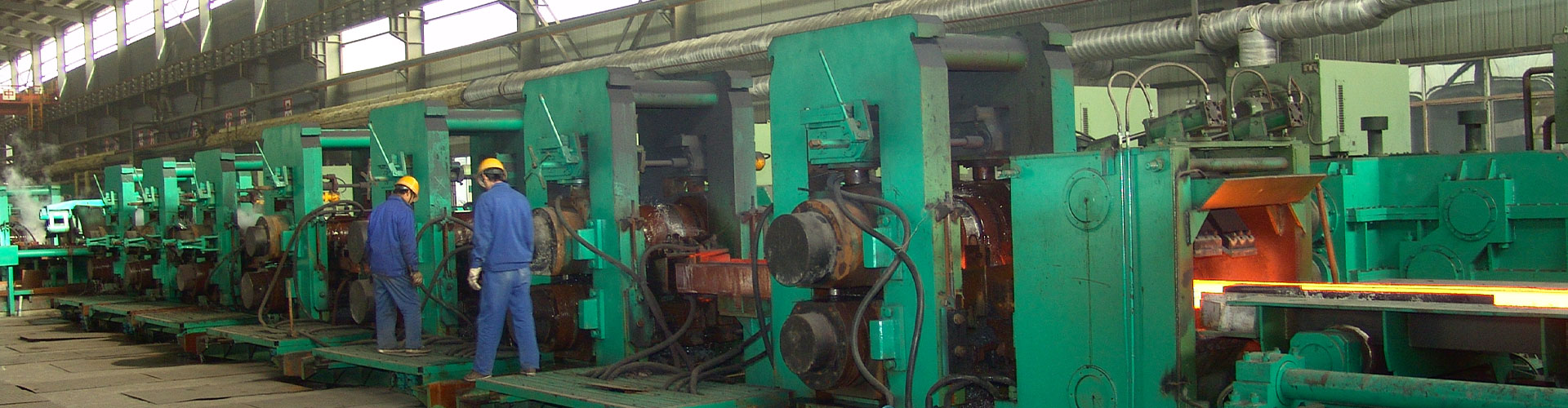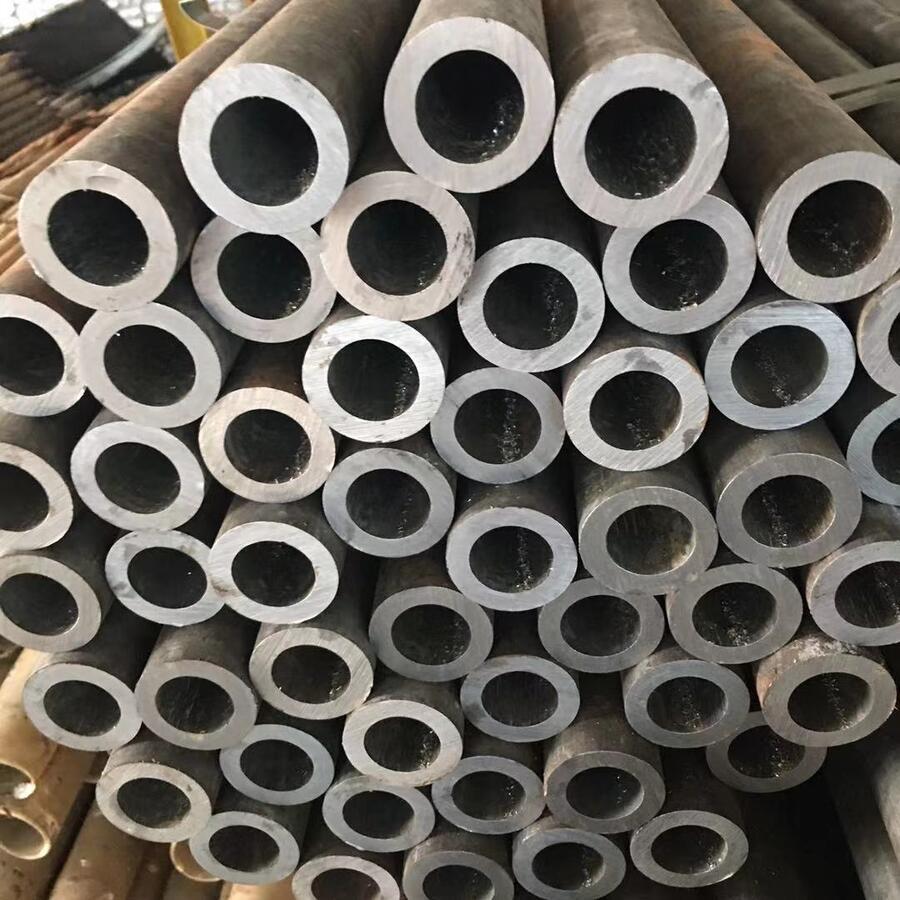
Quand il s'agit de laminage d'acier, l'une des étapes les plus critiques qui affectent directement la qualité du produit, efficacité énergétique, et le coût de production est le chauffage du billette d'acier. Obtenir la bonne température de chauffage ne consiste pas seulement à monter le four : c’est une science précise qui équilibre la métallurgie., capacité de l'équipement, et économie des processus.
Pourquoi la température de chauffage est importante dans le laminage de l'acier
Avant qu’une billette d’acier n’entre dans le laminoir, il doit être chauffé à une température où il devient suffisamment ductile pour se déformer sans se fissurer. Si la température est trop basse, l'acier est fragile et sujet à des défauts de surface ou internes. Si c'est trop haut, oxydation excessive (formation de tartre), grossissement des grains, et même une fusion de phases à bas point de fusion peut se produire, en particulier dans les aciers alliés..
La plage de chauffage idéale pour la plupart des aciers au carbone et faiblement alliés se situe entre 1050°C et 1250°C. Cette fenêtre n’est pas arbitraire : elle est ancrée dans le diagramme de phase fer-carbone., où l'austénite (γ-Fe) est la phase dominante. L'austénite a un cube à faces centrées (FCC) structure qui permet un glissement et une déformation plastique faciles, ce qui le rend parfait pour le laminage à chaud.
Comment la qualité de l'acier influence la température de chauffage
Toutes les billettes d'acier ne sont pas égales. La composition chimique, en particulier la teneur en carbone et les éléments d'alliage comme le chrome, nickel, ou vanadium – déplace la température de chauffage optimale. Par exemple:
| Type d'acier | Teneur en carbone typique (%) | Température de chauffage recommandée (°C) | Remarques |
|---|---|---|---|
| Acier à faible teneur en carbone | ≤ 0.25 | 1150–1250 | Haute ductilité; moindre risque de surchauffe |
| Acier à teneur moyenne en carbone | 0.25–0,60 | 1100–1200 | Surveillez la décarburation à des températures élevées |
| Acier à haute teneur en carbone | > 0.60 | 1050–1150 | Risque de fonte des joints de grains au dessus de 1200°C |
| Acier faiblement allié (par ex., Cr-Mo) | Varie | 1100–1180 | Les éléments d'alliage augmentent la température de recristallisation |
| Acier inoxydable (austénitique) | ~0,08 (304) | 1150–1200 | Eviter la zone de sensibilisation (450–850°C) pendant le refroidissement |
Comme vous pouvez le voir, pousser chaque billette à 1250°C est une recette pour les ennuis. Qualités à haute teneur en carbone, par exemple, commencent à former des phases liquides aux joints de grains au-dessus de 1 200 °C, un phénomène connu sous le nom de « manque de chaleur ». Cela réduit considérablement la maniabilité à chaud et peut provoquer des fissures catastrophiques lors du laminage..
Le rôle de la taille et de la section des billettes
Les dimensions des billettes jouent également un rôle majeur dans la détermination de la température et de la durée de chauffage.. Les sections plus épaisses mettent plus de temps à chauffer uniformément. Si la surface atteint 1200°C alors que le noyau est encore à 900°C, les contraintes thermiques peuvent provoquer des fissures internes, avant même le début du laminage.
La pratique industrielle utilise souvent ces règles empiriques pour le temps de chauffage:
- Temps par cm d'épaisseur: 8–12 minutes/cm pour les aciers au carbone dans un four de réchauffage bien réglé.
- Vitesse de chauffage maximale: Jusqu'à 300°C/heure dans la phase initiale (en dessous de 700°C), mais ralenti à 100-150°C/heure au-dessus de 900°C pour éviter un choc thermique.
Par exemple, un 150 mm × 150 billette carrée de mm (15 cm d'épaisseur) nécessite généralement 2 à 3 heures de temps de chauffage total dans un four à poutre mobile pour obtenir une température uniforme partout.
Types de fours et leur impact sur le contrôle du chauffage
Les aciéries modernes utilisent différentes conceptions de fours, chacun avec des caractéristiques de chauffage distinctes:
| Type de four | Température maximale (°C) | Uniformité du chauffage | Idéal pour |
|---|---|---|---|
| Four à poutre mobile | 1300 | Excellent (±15°C) | Grand volume, tailles de billettes constantes |
| Four à poussoir | 1250 | Modéré (±30°C) | Moulins hérités; billettes plus petites |
| Chauffage par induction (préchauffeur) | 1200 | Très rapide, focalisé sur la surface | Chauffage d'appoint; économies d'énergie |
Les fours à poutre mobile sont désormais la norme de l'industrie pour les nouvelles installations car ils minimisent les traces de glissement des billettes et offrent un contrôle supérieur de la température.. Les systèmes avancés utilisent des pyromètres infrarouges et des modèles mathématiques pour ajuster les zones des brûleurs en temps réel, s'assurer que la billette sort à la température cible exacte, par exemple, 1180°C ±10°C—pour la prochaine cage roulante.
Conséquences concrètes d'un mauvais contrôle de la température
Regardons ce qui se passe lorsque les choses tournent mal:
- Sous-chauffe (<1050°C): Conduit à des charges roulantes élevées, surcharges du moteur, et fissuration superficielle. Dans les cas extrêmes, le moulin peut caler.
- Surchauffe (>1250°C): Provoque un tartre excessif (jusqu'à 3 à 5 % de perte de métal), céréales secondaires, et propriétés mécaniques réduites dans le produit final.
- Chauffage non uniforme: Entraîne des « courbures banane » ou des torsions pendant le laminage en raison d'une résistance à la déformation inégale sur toute la section transversale de la billette..
Une étude réalisée dans une usine européenne de produits longs a montré que la réduction des variations de température de ±50°C à ±15°C réduisait l'usure des rouleaux de 22% et amélioration de la cohérence de la limite d'élasticité en 8% dans les produits de barres d'armature.
Conseils pratiques pour les opérateurs et les ingénieurs de procédés
Si vous êtes impliqué dans des opérations de chauffage ou de laminage de billettes, voici des lignes directrices concrètes:
- Faites toujours correspondre la température de chauffage à la qualité de l'acier. N'utilisez pas de paramètre « taille unique ». Gardez une table de recherche à proximité de l'IHM du four.
- Surveiller la température à cœur, pas seulement la surface. Utilisez des thermocouples dans les billettes de test ou déduisez la température du cœur via des modèles thermiques si la mesure directe n'est pas possible..
- Optimiser le temps de trempage. Une fois que la billette atteint la température cible, maintenez-le juste assez longtemps pour l'homogénéisation, généralement 15 à 30 minutes. Un trempage plus long augmente la consommation de tartre et de carburant.
- Atmosphère de contrôle. Une atmosphère légèrement oxydante minimise la décarburation dans les aciers à teneur moyenne/élevée en carbone, mais trop d'oxygène accélère la formation de tartre.
- Suivre le rapport carburant/billet. Un four efficace typique consomme 1,8 à 2,2 GJ/tonne de billette. Les pics de consommation signalent souvent un mauvais alignement du brûleur ou un excès d'air..
Souviens-toi: le but n'est pas seulement de chauffer la billette, mais de la livrer à la première cage de laminage avec la bonne microstructure, défauts minimes, et une température constante de la tête à la queue.
Regarder vers l'avenir: Chauffage intelligent et jumeaux numériques
Les principaux producteurs d'acier déploient désormais une technologie de jumeau numérique : des répliques virtuelles de leurs fours de réchauffage alimentées par des données de capteurs en temps réel.. Ces systèmes prédisent les profils de température des billettes et ajustent automatiquement les paramètres du brûleur., positions des registres, et vitesses de convoyeur. Les premiers utilisateurs signalent une réduction de 5 à 8 % de la consommation de gaz naturel et des tolérances de température plus strictes sans intervention de l'opérateur..
Même si de tels systèmes nécessitent des investissements, même les petites usines peuvent bénéficier d'un enregistrement de données de base: enregistrement des temps d'entrée/sortie des billettes, débit de carburant, et les résultats continus aident à créer une base de connaissances pour une amélioration continue.
À la fin, maîtriser la température de chauffe des billettes d’acier ne consiste pas seulement à suivre un chiffre sur un diagramme. Il s’agit de comprendre l’interaction entre la chimie, physique, et des machines - et utiliser ces connaissances pour produire un meilleur acier, plus efficacement, chaque quart de travail.