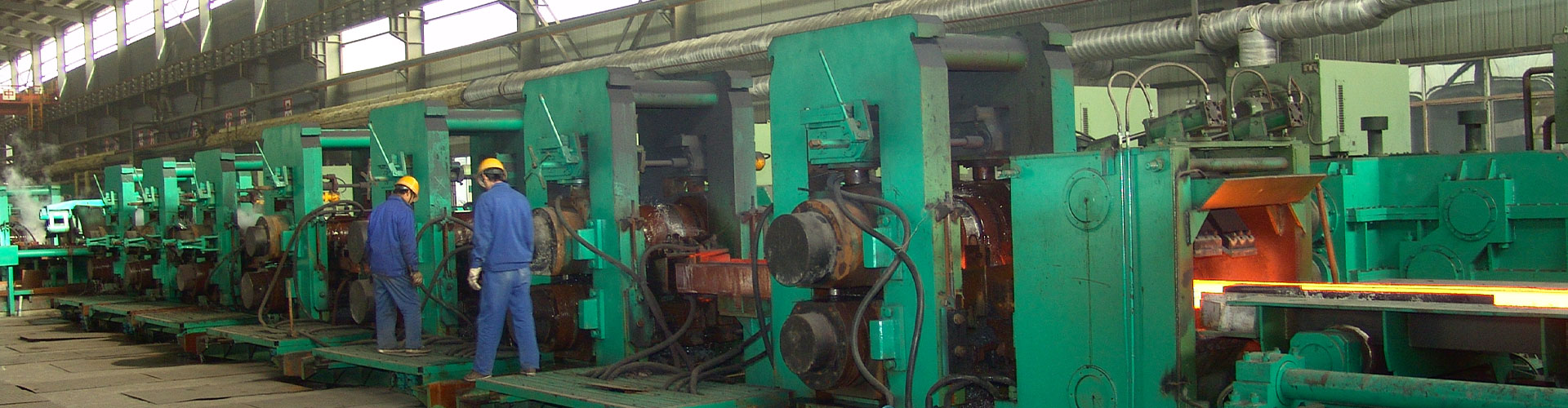
Reheating furnaces play a critical role in the production of wire rod and bar steel, ensuring proper temperature control before rolling. Proper operation and shutdown procedures are essential to maintain steel quality, efficacité énergétique, et operator safety. This guide provides a comprehensive, step-by-step overview of reheating furnace operation, heating system management, et safe shutdown practices—key knowledge for mill operators, furnace technicians, et steel plant engineers.
Part 1: Heating Operation Procedures
1. Know Your Steel Grade
Before starting operations, the furnace operator must confirm the nuance d'acier et material specification inside the furnace. Temperature settings must be adjusted accordingly to meet metallurgical requirements.
2. Three-Zone Temperature Control
Strictly follow the three-zone heating protocol:
- Soaking zone: 1000–1200°C
- Heating zone: 900–1200°C
- Preheating zone: >650°C
This ensures uniform heating and prevents thermal stress or defects.
3. Valve and Control Settings During Heating
- Use timed reversal mode for the reversing system.
- Keep the gas quick-shutoff valve OPEN.
- Ensure the purge valve is CLOSED.
4. Furnace Pressure Management
Maintain furnace pressure between 0–20 Pa, ideally at a slight positive pressure. Use electric continuous regulation for precise control.
5. Air-Gas Ratio and Flow Control
Temperature is regulated by adjusting air and gas flow rates and their ratio:
- Standard air-to-gas ratio: 0.8:1
- Max gas flow:
- Preheating & heating zones: ≤22,000 m³/h
- Soaking zone: ≤4,600 m³/h
Optimize combustion for complete burning and target temperatures.
6. Adjust for Rolling Conditions
- Monitor furnace and rolling status closely.
- If rolling stops or delays occur, discharge billets periodically to avoid sticking (billets welding together).
- If sticking is suspected:
- Do NOT lower soaking zone temperature
- Increase discharge speed
- Gradually reduce temperature afterward
7. Temperature Control Based on Delay Time
表格
| Delay Duration | Target Soaking Zone Temp |
|---|---|
| ≤20 min | No reduction |
| 20–40 min | 1050°C |
| 40–60 min | 950°C |
| 60–300 min | 850°C |
| >300 min | Shut down furnace |
8. Monitor Vaporization Cooling System
- Watch boiler drum water level; respond immediately to alarms.
- Cooling water outlet temperature at furnace tail must be ≤50°C. Increase water flow if exceeded.
9. CO Safety in Gas Hazard Zones
- Safe CO concentration: <400 ppm
- If exceeded:
- Evacuate immediately
- Mark area as hazardous
- Assign personnel to monitor
- Report to central control
10. Respond to Alarm Systems
- Over-temperature alarm:
- Furnace temp high → Adjust air/gas flow
- Flue gas temp high → Force reversal
- Valve position alarm: Notify instrumentation team
- If unresolved or system auto-shuts down:
- Close main gas electric valve
- Keep blower and reversal system powered
- Log all actions
Part 2: Heating System Operation Guidelines
1. Dynamic Air-Gas Adjustment
Continuously adjust air and gas supply based on production load et temperature feedback.
2. Flue Gas Temperature Limit
Normal flue gas temperature must remain below 170°C.
3. Furnace Pressure Fine-Tuning
If pressure exceeds 20 Pa:
- Open the damper on the side with lower flue temperature
- Close it if pressure is too low
4. Emergency Response to Alarms
On “valve” or “over-temp” alarms:
- Minimize blower damper
- Close main gas valve
- Diagnose fault via indicator lights
- Never stop the blower during troubleshooting
5–6. Diagnosing Specific Alarms
- Valve alarm: Check actuator, solenoid, or sensor; involve controls team
- Over-temp alarm: Identify which flue exceeds 170°C; inspect dampers, cylinders, and control valves
7. Automatic Safety Shutdown
On system failure:
- Both induced draft fans and gas shutoff valve close automatically
- Purge valve opens → furnace enters automatic purge mode
- Reduce air damper manually; blower remains ON
8. System Recovery After Fault
After fixing the issue:
- Power-cycle the control system
- Press “Purge Valve Close” button
- Gas quick valve reopens
- Purge valve closes
- Fans restart
- If furnace temp <800°C:
- Switch reversal to temperature-controlled mode
- Relight pilot burners
9. Standard Operating State
During normal heating:
- Reversal mode: Timed control
- Gas quick valve: Open
- Purge valve: Closed
10. PLC Failure Protocol
If PLC crashes or freezes:
- Cut power to reversal control system
- Close main gas electric valve
- Manually shut air dampers for soaking & heating zones
Part 3: Safe Furnace Shutdown Procedure
1. Initiate Shutdown on Command
Begin only after official shutdown notice.
2. Isolate Fuel Supply
- Close all air and gas dampers to minimum
- Shut the main gas blind valve
3. Activate Purge Sequence
- Turn off reversal control → system auto-enters purge mode
- Induced fans, gas valve, and flue dampers close
- Purge valve opens → purge for 10–15 minutes
- Only then stop the blower
4. Verify System Status
Cross-check all actions against HMI/SCADA display. Investigate discrepancies immediately.
5. Gas Line Isolation (If Needed)
For extended outages:
- Request utility team to:
- Close main gas blind valve
- Open gas vent valve
- Purge line with azote
6. Controlled Cooling Rate
Prevent refractory damage by managing cooldown speed:
- Above 800°C: ≤100°C per hour
- Below 800°C: ≤50°C per hour