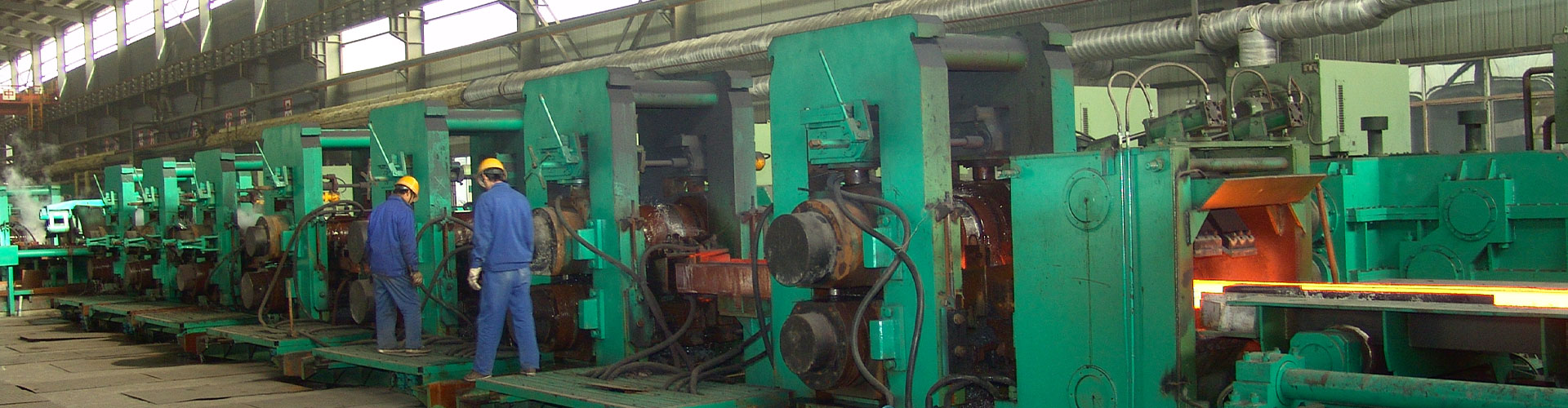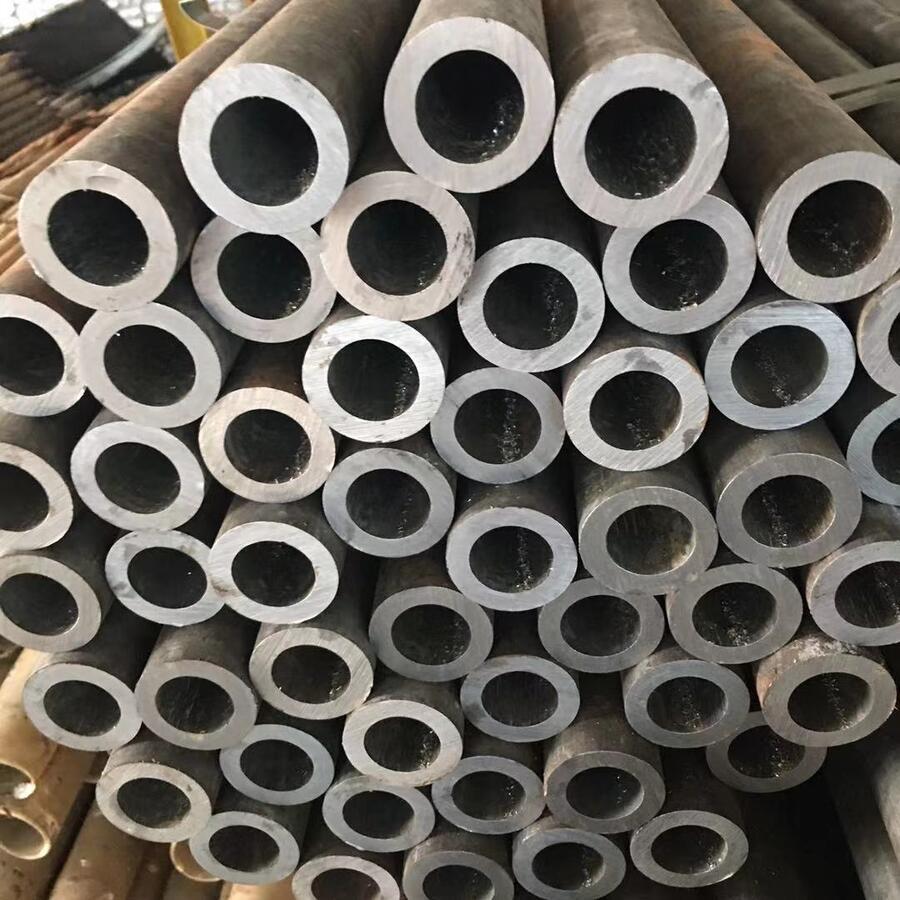
In modern high-speed wire rod production lines, the pre-finishing rolling mill plays a critical role between the intermediate mill and the finishing mill. This equipment is responsible for reducing the cross-sectional area of the workpiece to precise dimensions while maintaining excellent surface quality. Without proper pre-finishing operations, the finishing mill cannot produce wire rods that meet today’s demanding specifications.
What is a Pre-finishing Rolling Mill?
A pre-finishing rolling mill is a specialized rolling equipment positioned after the intermediate rolling mill group and before the high-speed finishing block. Its primary purpose is to further reduce the cross-section of the rolled material coming from the intermediate mill. The pre-finishing mill prepares the stock with correct shape, accurate dimensions, and uniform cross-section along its entire length for the finishing mill.
The high-speed twist-free finishing mill operates with fixed roll speed ratios between stands. It produces various wire rod specifications through different incoming material sizes and pass designs using micro-tension continuous rolling. This equipment setup means that the dimensional accuracy of finished products depends heavily on the stability of the rolling process.
💡 Key Industry Fact
Production data shows that 6 to 10 finishing passes can only reduce incoming dimensional deviation by approximately 50%. To achieve finished wire rod cross-section tolerance within ±0.1mm, the pre-finishing supply must maintain dimensional deviation within ±0.2mm.
Core Functions of Pre-finishing Rolling Mill
The pre-finishing rolling mill performs several essential functions in wire rod production:
1. Cross-section Reduction
The mill continues the reduction process started by the roughing and intermediate mills. Typically, the workpiece enters the pre-finishing mill with a cross-section of 20-30mm and exits at 12-18mm, depending on the final product specifications.
2. Dimensional Precision Control
This is perhaps the most critical function. The pre-finishing mill must deliver material with cross-sectional dimensional deviation not exceeding ±0.2mm to ensure the finishing mill can produce products within specification. Poor incoming material leads to both dimensional issues and rolling accidents in the finishing block.
3. Surface Quality Improvement
The pre-finishing process helps eliminate surface defects that may have developed during earlier rolling stages. Clean, defect-free surfaces are essential for high-quality finished wire rod.
4. Temperature Management
The pre-finishing area often includes water cooling boxes that help control the temperature of the material before it enters the finishing block. Proper temperature control is essential for achieving desired metallurgical properties.
Rolling Technology Evolution
In the 2 to 4 passes of pre-finishing rolling, the workpiece cross-section becomes quite small. At this stage, the material is very sensitive to tension, and rolling speeds are relatively high. The reaction time required for tension control becomes extremely short. Using micro-tension rolling no longer effectively ensures cross-sectional dimensional accuracy and stability.
Since the late 1970s, high-speed wire rod mills have adopted single-line twist-free tension-free rolling for pre-finishing operations. Each roughing mill group has a corresponding pre-finishing mill group. Horizontal side loopers are installed before and after the pre-finishing mill group, while vertical loopers are placed between pre-finishing passes.
⚡ Performance Comparison
Production experience demonstrates that 4-pass single-line twist-free tension-free rolling achieves cross-sectional dimensional deviation within ±0.2mm. Other rolling methods typically achieve only ±0.3 to ±0.4mm tolerance.
Cantilever Pre-finishing Mill Construction
The cantilever-type pre-finishing mill group is the most widely used design in modern wire rod plants. This equipment consists of several main components working together to achieve precise rolling results.
Transmission System Design
Each mill stand frame consists of a transmission box and roll assembly. The transmission box transfers the torque from the motor or reducer to the roll shafts. The design differs between horizontal and vertical configurations:
Horizontal Transmission Box
Contains a pair of cylindrical helical gears for smooth power transfer with minimal noise and vibration.
Vertical Transmission Box
Includes an additional pair of spiral bevel gears to redirect the drive at 90 degrees. The two vertical transmission boxes use spiral bevel gears with different ratios.
The roll box uses a flange insertion mounting method. Each roll box contains upper and lower rolls that do not mesh with each other. Instead, they are driven separately by a pair of cylindrical helical gears in the transmission box. Each roll shaft holds a cantilever-mounted roll ring. The roll shafts are supported by front and rear oil film bearings installed in eccentric sleeves.
Roll Gap Adjustment Mechanism
The eccentric sleeve adjustment system is a defining feature of modern pre-finishing mills. The eccentric sleeves are rotated by left and right lead screws and nuts in the gap adjustment mechanism. This rotation causes the upper and lower roll shafts to move symmetrically toward or away from the rolling centerline. This achieves precise roll gap adjustment while maintaining a constant rolling centerline.
Key Features of Cantilever Pre-finishing Mills
Modern cantilever pre-finishing mills offer several important advantages for wire rod production:
Independent Modular Design
The transmission box and roll box are independent assemblies. This design greatly simplifies installation, removal, and maintenance operations. Components can be changed quickly during production changeovers.
Constant Rolling Centerline
The eccentric sleeve adjustment mechanism keeps the rolling centerline unchanged during gap adjustments. This feature eliminates the need to realign guide equipment after adjustments and ensures consistent rolling conditions.
Axial Movement Prevention
Thrust bearings at the roll shaft ends effectively solve axial movement problems. This ensures dimensional accuracy of the rolled product by keeping the roll rings precisely positioned.
Full Component Interchangeability
The roll boxes for horizontal and vertical stands share identical structure and dimensions. All roll box parts are fully interchangeable between stands. This standardization reduces spare parts inventory and simplifies maintenance.
Rapid Roll Ring Changes
Special tools enable fast and reliable roll ring removal and installation. Roll changes can be completed in minutes rather than hours, minimizing production downtime.
Layout Configurations for Pre-finishing Mills
Pre-finishing rolling mills can be arranged in several configurations depending on plant layout, production requirements, and existing equipment. The most common arrangements are:
Looper Systems in Pre-finishing Mills
Loopers are essential components in pre-finishing mill layouts. They maintain tension-free conditions between stands by forming a controlled loop of material. This prevents the material from being stretched or compressed between passes.
Types of Loopers Used:
- Horizontal Side Loopers: Installed before and after the pre-finishing mill group to handle material flow transitions
- Vertical Loopers: Positioned between individual pre-finishing passes for inter-stand tension control
- Pneumatic or Electric Actuation: Modern loopers use servo-controlled systems for precise loop height regulation
Pass Design and Reduction Schedule
The pass design in pre-finishing mills typically follows an oval-round or round-oval sequence. This alternating approach provides efficient area reduction while maintaining good material flow characteristics.
Maintenance Considerations
Proper maintenance of pre-finishing rolling mills ensures consistent product quality and minimizes unplanned downtime. Key maintenance areas include:
🔧 Roll and Roll Ring Inspection
Regular inspection for wear, cracks, and surface damage. Carbide rings typically last 2,000-5,000 tons before requiring regrinding or replacement.
🛢️ Lubrication System
Oil film bearings require clean, properly filtered lubricant. Monitor oil temperature, pressure, and flow rates continuously.
⚙️ Gear Box Condition
Check gear tooth wear and backlash periodically. Listen for unusual sounds that might indicate bearing or gear problems.
📏 Gap Adjustment Mechanism
Verify lead screw and nut condition. Calibrate position indicators regularly to ensure accurate gap settings.
Process Control and Monitoring
Modern pre-finishing mills incorporate advanced process control systems that monitor and adjust rolling parameters in real time. These systems help maintain consistent product quality and respond quickly to process variations.
📊 Key Monitored Parameters:
Rolling Force
50-150 tons
Motor Current
Continuous
Rolling Speed
15-45 m/s
Material Temperature
900-1050°C
Practical Tips for Operators
Based on extensive production experience, here are practical recommendations for achieving optimal pre-finishing mill performance:
- Always verify roll gap settings before starting production runs
- Monitor looper positions continuously during rolling
- Check guide alignment after any roll changes
- Maintain consistent cooling water flow and temperature
- Document all setup parameters for future reference
- Replace roll rings before they reach critical wear limits
- Keep spare roll boxes assembled and ready for quick changes
- Train operators to recognize abnormal rolling sounds and vibrations
🎯 Final Thoughts on Pre-finishing Rolling Mills
The pre-finishing rolling mill is a critical link in wire rod production that directly affects final product quality. Understanding its functions, components, and operating principles enables mill operators and engineers to optimize performance and produce wire rod that meets increasingly demanding market specifications. Proper equipment selection, careful installation, and diligent maintenance will ensure reliable operation and consistent dimensional accuracy for years of productive service.