Understanding Pinch Mill Rolls and Laying Head Machine in Modern Wire Rod Production
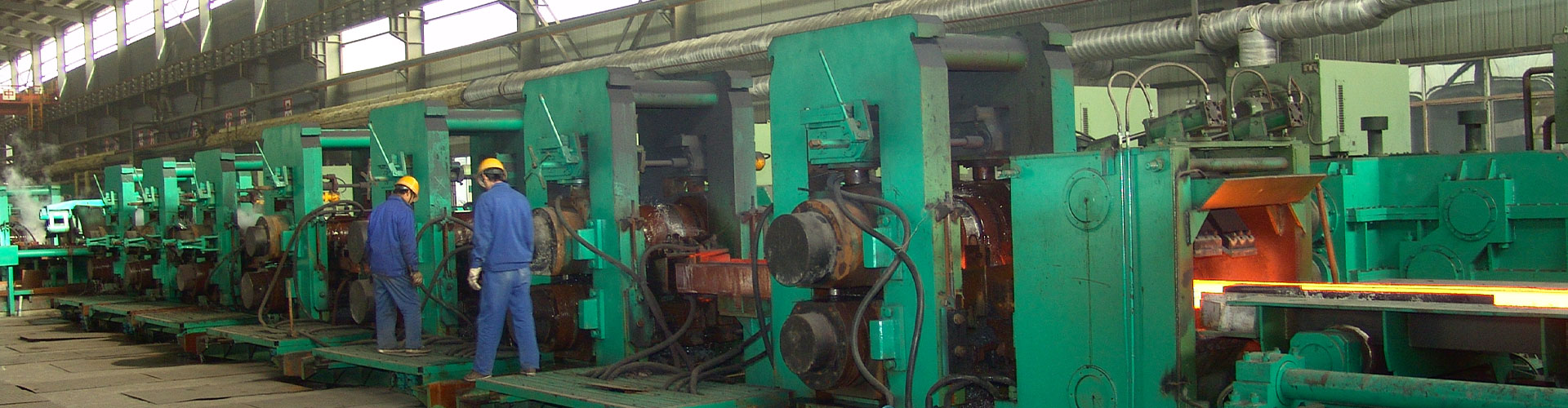
When you run a wire rod rolling mill, getting smooth, high-quality coils isn’t just luck—it’s about the right equipment working together. Two unsung heroes in this process are the pinch mill rolls and the Laying Head Machine. They sit right after the finishing mill and water cooling section, handling red-hot steel moving at crazy speeds. If you’ve ever wondered how wire rod mills produce those neat, uniform coils for construction or manufacturing, this is where the magic happens. Let’s break it down simply, with real details you can use on the shop floor.
What Pinch Mill Rolls Do and Why They Matter
Pinch mill rolls are like the steady hands guiding the wire rod. After the steel exits the water cooling section, it’s still moving fast—often over 100 meters per second. The pinch rolls grab it firmly without slowing it down too much. Think of them as traffic controllers: they keep the speed consistent so the next step, the Laying Head Machine, doesn’t get overwhelmed. If the speed wobbles, your coils end up messy, causing jams or quality issues downstream.
Most modern setups use horizontal cantilever pinch rolls with pneumatic control. This means they’re mounted on one side only (simpler maintenance) and use air pressure to open and close. The rolls themselves often reuse old tungsten carbide rings from the finishing mill—smart recycling that cuts costs. A key feature is the limit position adjuster. It stops the rolls from slamming together, which could damage them during high-speed runs. You’ll see this in action when changing rod sizes; operators tweak it in minutes, avoiding downtime.
Speed is where pinch rolls shine. Top-tier models handle up to 140 m/s, but for daily work, 120 m/s is the sweet spot. At lower speeds (say, 60 m/s for thicker rods), they act as gentle guides. Push past 100 m/s, and they become critical for tension control. One plant I visited shared how upgrading to 120 m/s rolls reduced coil defects by 30%—just by keeping speed steady through the cooling zone.
Laying Head Machine: Turning Straight Rods into Perfect Coils
Now, meet the Laying Head Machine—the coil shaper. Before this, wire rods came out straight and hot. The Laying Head twists them into those tidy spirals you see on transport carts. It’s not just bending metal; it’s precision engineering. Early systems were vertical, spitting coils downward at slow speeds (under 30 m/s). But as mills pushed for higher output, horizontal designs took over. Today’s machines tilt at 15°–20°, matching the cooling conveyor’s angle for smooth landing. No more tangled messes!
Inside, a spinning spiral tube (the “laying head”) does the work. Rods enter at high speed, rub against the tube’s inner curve, and slow down just enough to bend. As the tube rotates, it flings the rod outward in a perfect circle. The coil diameter? Adjustable between 800–1200 mm, depending on your needs. Smaller coils cool faster for hard-drawn wire; larger ones suit structural grades. Modern units hit 140 m/s reliably—double what older mills managed. Vibration control is key here; top models keep noise under 85 dB, so operators aren’t shouting over the din.
Here’s a pro tip: coil uniformity starts with the Laying Head’s alignment. If the tube wears unevenly (common after 6–8 months of 24/7 running), coils get oval-shaped. Quick fix? Swap the tube during scheduled stops—it takes under an hour. One mill in Germany cut coil rejection rates by 25% just by tracking tube wear with a simple caliper check every shift.
How They Work Together: The Speed Synchronization Dance
Pinch rolls and the Laying Head don’t work solo—they sync like a well-rehearsed team. When the hot rod detector signals the finishing mill’s output, pinch rolls engage after a tiny delay (0.2–0.5 seconds). This avoids jerking the rod. Then, both units lock onto the mill’s speed. If the finishing mill hits 110 m/s, pinch rolls match it exactly. Why? Because if the Laying Head spins too fast or slow, coils bunch up or stretch thin.
Real-world example: At a 100 m/s line rolling 6.5 mm rods, pinch rolls run at 102 m/s (slightly faster to maintain tension), while the Laying Head spins at 98 m/s. That 4 m/s difference creates the ideal coil pitch—about 15 mm between loops. Mess up the sync, and you get “crossovers” where coils overlap, ruining the whole batch. Modern PLCs handle this automatically, but operators still watch the speed readouts like hawks during size changes.
| Parameter | Pinch Mill Rolls | Laying Head Machine |
|---|---|---|
| Max Operating Speed | 140 m/s (tested) | 140 m/s (tested) |
| Typical Working Speed | 80–120 m/s | 80–120 m/s |
| Coil Diameter Range | N/A (guides rod only) | 800–1200 mm |
| Key Adjustment Feature | Limit position adjuster for roll gap | Tilt angle (15°–20°) and tube profile |
| Common Wear Parts | Tungsten carbide rolls (last 3–6 months) | Spiral tube (last 6–8 months) |
| Vibration Limit | < 2.5 mm/s RMS | < 3.0 mm/s RMS |
Table 1: Real-world performance specs from operational wire rod mills (based on industry data from 2022–2023). RMS = root mean square vibration.
Practical Tips for Better Performance
Running these machines isn’t just about specs—it’s daily habits. Here’s what works on the floor:
- Speed matching checks: Every shift, verify pinch roll and Laying Head speeds against the finishing mill. A 2% mismatch can cause coil drift. Use handheld tachometers—they’re cheap and spot issues fast.
- Cooling matters: Pinch rolls get hot! Ensure water spray nozzles hit the roll bearings. Overheating causes premature wear. One mill added a simple temp sensor and cut roll changes by 40%.
- Laying Head tube care: Clean the spiral tube weekly with a wire brush. Scale buildup changes the friction, messing up coil shape. If coils get wavy, check for tube dents—replace if depth exceeds 0.5 mm.
- Sync during startups: When ramping up speed, let pinch rolls engage 0.3 seconds after the rod exits cooling. Too early = rod buckling; too late = slack. Time it with a stopwatch until it’s perfect.
Why This Setup Boosts Your Bottom Line
Getting pinch rolls and the Laying Head right isn’t just technical—it hits your wallet. Faster speeds mean more tons per hour. At 120 m/s vs. 90 m/s, you gain 33% output without new mills. Uniform coils also cut cooling time by 15–20%, saving energy. And fewer defects? One producer reported $200K annual savings from less scrap after optimizing these units.
For small mills, upgrading doesn’t need huge cash. Retrofit kits exist—like adding pneumatic pinch rolls to old mechanical systems for under $50K. Payback? Often under 6 months from reduced downtime. Even basic tweaks, like setting the Laying Head tilt to 18° for 5.5 mm rods, can boost coil consistency by 20%.
Troubleshooting Common Headaches
Stuff goes wrong—here’s how to fix it fast:
- Coils overlapping: Usually a speed sync issue. Check if pinch rolls are running 3–5% faster than the Laying Head. Adjust the drive ratio in the PLC. Also, inspect the pinch roll gap—if too tight, it stretches the rod.
- Noisy Laying Head: Vibration above 3.5 mm/s RMS? Likely worn bearings or unbalanced tube. Shut down, check bearing play with a dial gauge (max 0.1 mm movement). Replace if超标.
- Inconsistent coil size: For rods under 8 mm, this often means the Laying Head tube is worn. Measure inner diameter at 3 points; if variance > 1 mm, swap it. Also, confirm water cooling on the tube isn’t clogged—overheating warps it.
Remember, these machines thrive on clean operation. Keep cooling water free of debris (use 50-micron filters), and grease bearings weekly. A 10-minute daily check prevents 8-hour breakdowns.
Real talk: When I first saw a 140 m/s line running, I thought it was impossible—steel moving faster than a Formula 1 car! But it’s all about harmony between pinch rolls and the Laying Head. Get them singing in tune, and your wire rod mill hums like a well-oiled machine. Focus on speed sync, wear part schedules, and those tiny adjustments. Your coils (and your boss) will thank you.