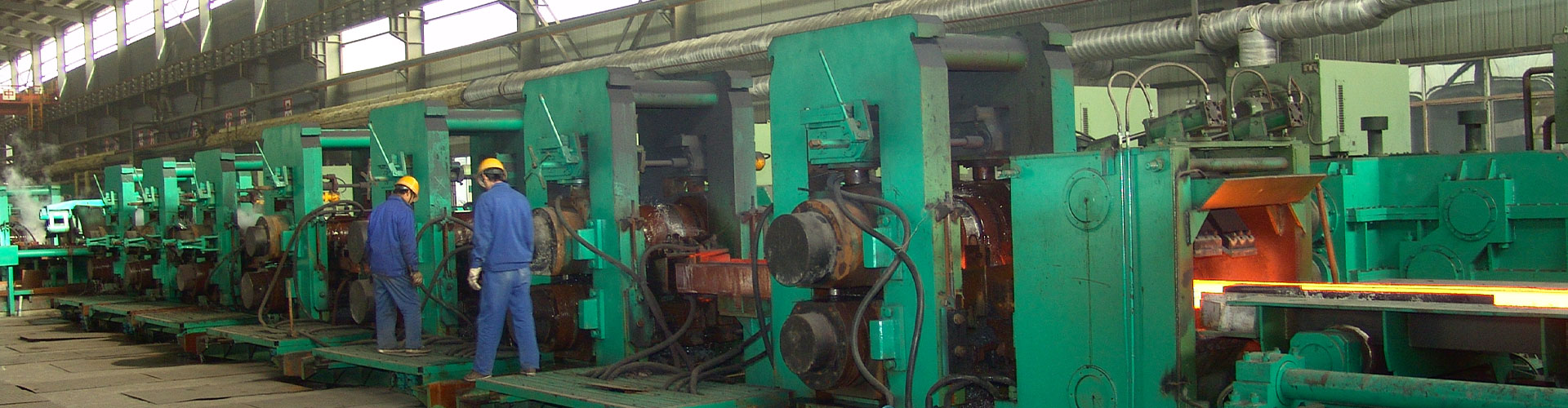
High-speed wire rod is a key material in modern manufacturing and construction. It refers to hot-rolled steel bars with diameters typically ranging from 5.0 to 25 millimeters, delivered in coiled form. Unlike older production methods, high-speed wire rod is made using advanced rolling mills that allow for faster processing, better control, and improved quality. This results in tighter dimensional accuracy, smoother surfaces, higher strength, and larger coil weights—often up to 2.5 tons per coil compared to 1 ton for older “ordinary” wire rod. These features make it ideal for demanding applications where reliability matters. In this article, we’ll explore the main types of high-speed wire rod, their real-world uses, and practical details you can apply directly in your projects.
Carbon Structural Steel Wire Rod: The Workhorse for Construction and More
Carbon structural steel wire rod is the most widely used type, especially in building and infrastructure. It’s made from low-carbon steels like Q195, Q215, Q235, and Q275, following standards such as GB/T 701-2008. These grades have carbon content between 0.06% and 0.22%, giving them good ductility for bending and shaping. You’ll see this wire rod everywhere—from reinforcing concrete in bridges to creating wire mesh for fencing. It’s also the starting point for drawing into steel wire, which is then used in products like nails, staples, and chain-link fences.
One big advantage over older methods is consistency. High-speed production with controlled cooling ensures tensile strength stays in the 315–500 MPa range, with yield strength around 195–275 MPa depending on the grade. For example, Q235 wire rod typically hits 235 MPa yield strength, making it perfect for structural applications where flexibility and load-bearing are balanced. If you’re working on a construction site, this type is your go-to for cost-effective, reliable material. It’s also used in making welding electrodes and small hardware like bolts and rivets. Just remember to check the surface quality—high-speed versions have fewer defects, reducing waste during fabrication.
High-Quality Carbon Structural Steel Wire Rod: Precision for Specialized Needs
When regular carbon steel isn’t enough, high-quality carbon structural steel wire rod steps in. This category covers a range of grades designed for specific drawing and forming tasks, all meeting GB/T 4354-2008 standards. It’s split into three subgroups based on carbon content, each serving distinct purposes:
- Low-carbon grades (e.g., 08F, 10, 15, 20): With carbon levels of 0.05–0.25%, these are soft and easy to draw into fine wires. They’re ideal for critical applications like automotive seat belts, medical sutures, or decorative wire products where smoothness and flexibility are key. Tensile strength usually runs from 350 to 450 MPa.
- Medium-high carbon grades (e.g., 45, 60, 70, 80): Carbon content jumps to 0.45–0.85%, boosting strength for tougher jobs. Think steel cables for elevators, tire reinforcement wires, or spring components. These can reach tensile strengths of 700–1000 MPa. For instance, 70-grade wire rod often hits 900 MPa, making it a favorite for durable springs.
- Manganese-enhanced grades (e.g., 65Mn, 70Mn): Adding 0.5–1.0% manganese improves hardenability and wear resistance. Used in high-stress parts like saw blades, needle cloth wires, or bicycle spokes. Strength ranges from 750 to 950 MPa, with good fatigue resistance.
In practice, if you’re producing wire for industrial machinery, choosing the right subgroup avoids breakage during drawing. Always verify the coil weight—high-speed versions often exceed 2 tons, cutting handling costs. And because surface quality is critical for drawing, inspect for scale or cracks before use.
Welding Wire Rod: Essential for Strong, Clean Joints
Welding wire rod, or “weld wire,” is formulated specifically for creating electrodes and filler metals. It comes in non-alloy types like H08A, H08MnA, and low-alloy versions such as H08CrMoA, all complying with GB/T 3429-2002. The secret is in the chemistry: low carbon (0.03–0.10%) and controlled silicon/manganese to prevent porosity and ensure smooth arc stability. Diameters are precise—usually 5.5 or 6.5 mm—to feed consistently into welding machines.
This wire rod shines in applications where joint integrity is non-negotiable. For example, H08A is standard for mild steel welding in shipbuilding, with tensile strength around 420–500 MPa. If you’re working with pressure vessels, low-alloy grades like H18CrMoA handle higher stresses, offering 500–600 MPa strength and better crack resistance. One pro tip: store it in dry conditions to avoid moisture absorption, which causes hydrogen-induced cracking. In real-world use, fabricators report up to 20% less spatter with high-speed weld wire compared to older types, saving time on cleanup. It’s also the base for stainless welding wires, covered next.
Stainless Steel Wire Rod: Corrosion Resistance for Tough Environments
Stainless steel wire rod handles corrosive settings where carbon steel would fail. Common grades include 304 (1Cr18Ni9), 316 (00Cr17Ni14Mo2), and 410 (1Cr13), per standards like GB/T 4356-2002. These are mostly austenitic (non-magnetic) or martensitic (magnetic) types, with chromium content from 12–18% and nickel up to 14% for rust protection. Diameters stay tight—5.5–14 mm—with surface finishes that minimize pitting.
Applications span industries: 304 wire rod makes corrosion-resistant springs in food processing equipment, while 410 is drawn into cutlery or valve stems. Tensile strength varies widely; 304 averages 515–690 MPa in annealed condition, but cold drawing can push it to 1000+ MPa for high-strength needs. If you’re in chemical plants, this is vital for piping systems that face acids or salts. A real benefit of high-speed production is uniform grain structure, reducing the risk of stress corrosion cracking. For welding applications, grades like H0Cr21Ni10 (GB/T 4241-2006) ensure clean, strong welds without post-weld cleaning. Always check for surface defects—stainless is prone to scratches that compromise corrosion resistance.
Specialty Wire Rods: Piano, Spring, and Prestressed Varieties
Some wire rods tackle extreme demands. Piano wire rod, for instance, uses high-carbon steels like 65, 70, or 65Mn (GB/T 5100-93) to produce music wire for instruments. Carbon content is 0.60–0.85%, with tensile strength soaring to 2800–3200 MPa after drawing. This isn’t just for pianos—it’s also used in precision springs for watches or medical devices where fatigue life matters.
Prestressed steel wire rod is another specialty, labeled “hard wire” for concrete reinforcement. Grades like 72A, 80A, or 82MnA have high carbon (0.70–0.85%) and ultra-low sulfur/phosphorus (<0.025%) to hit 960–1200 MPa tensile strength. It's the backbone of prestressed concrete in bridges and high-rises, where reliability prevents catastrophic failures. Diameter tolerance is strict—±0.15 mm—to ensure even stress distribution. In field tests, this wire rod maintains integrity under 70% of ultimate load for over 1,000 hours, crucial for long-term structures. If you're in civil engineering, always pair it with proper anchoring systems to avoid slippage.
| Wire Rod Type | Common Grades | Key Parameters | Typical Applications | Production Standard |
|---|---|---|---|---|
| Carbon Structural Steel | Q195, Q215, Q235 | C: 0.06-0.22%, Tensile: 315-500 MPa, Diameter: 5.5-22mm | Rebar, wire drawing, fencing, hardware | GB/T 701-2008 |
| High-Quality Carbon Steel | 08F (low C), 60 (med C), 65Mn (Mn) | C: 0.05-0.85%, Tensile: 350-1000 MPa, Coil weight: 1.8-2.5t | Seat belts, tire wires, springs, cables | GB/T 4354-2008 |
| Welding Wire Rod | H08A, H08MnA, H18CrMoA | C: 0.03-0.10%, Tensile: 420-600 MPa, Diameter: 5.5-6.5mm | Welding electrodes, structural welding, pressure vessels | GB/T 3429-2002 |
| Stainless Steel | 304, 316, 410 | Cr: 12-18%, Ni: 0-14%, Tensile: 515-1000+ MPa | Food equipment, chemical piping, surgical tools | GB/T 4356-2002 |
| Prestressed Steel | 72A, 80A, 82MnA | C: 0.70-0.85%, S/P <0.025%, Tensile: 960-1200 MPa | Bridges, high-rise concrete, prestressed beams | Internal mill specs |
Practical Selection Tips for Your Projects
Choosing the right high-speed wire rod starts with your end use. For construction, carbon structural steel like Q235 is economical and widely available. If you need corrosion resistance, stainless grades save long-term maintenance costs—just factor in the higher upfront price. When drawing wire, prioritize surface quality; even small scratches can cause breaks. Check coil weight too—larger coils (2+ tons) reduce handling but require robust uncoiling equipment.
In welding applications, match the wire rod chemistry to your base metal. For mild steel, H08A works well, but for high-strength joints, upgrade to H08MnA. Always test a small batch first; real-world conditions like humidity can affect performance. For critical parts like springs, verify tensile strength with mill test reports—don’t assume based on grade alone. And remember, high-speed wire rod’s consistency means less scrap, but storage matters: keep it dry and off the ground to prevent rust.
Global standards like ISO and EN are well-supported, with Chinese production meeting over 93% of domestic needs. If you’re sourcing internationally, confirm compliance with local specs—e.g., ASTM A510 for carbon steel in the US. For niche uses like steel cord for tires, work closely with suppliers; these require ultra-clean steel with tight controls on inclusions.
High-speed wire rod keeps evolving with better cooling technologies and alloy designs. Whether you’re building a skyscraper or crafting precision components, understanding these varieties helps you make smarter choices. Focus on your project’s specific demands—strength, corrosion resistance, or formability—and you’ll get the most out of this versatile material. For day-to-day operations, keep mill certificates handy and inspect incoming coils; it’s the small details that prevent big headaches down the line.