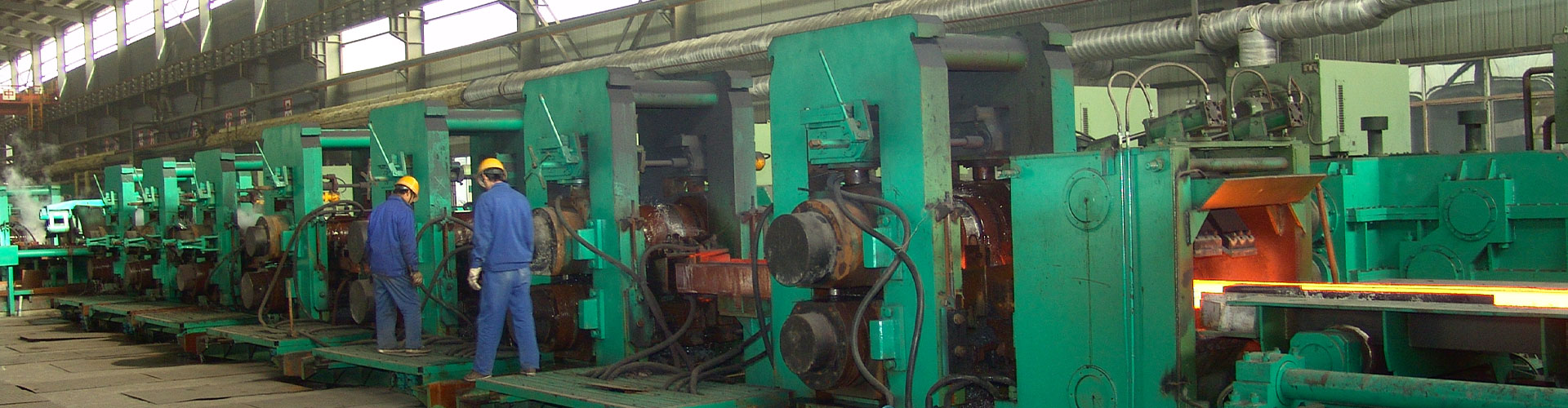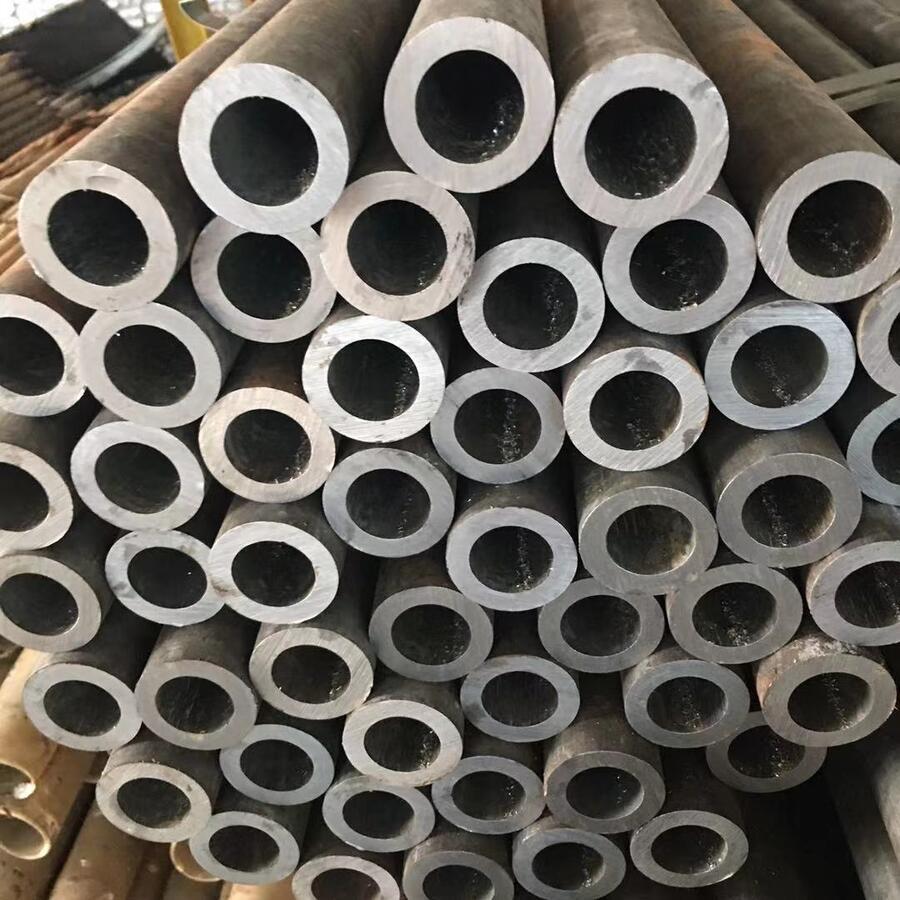
Metal rolling mills have become a cornerstone technology in modern metal processing, revolutionizing how metals are shaped, refined, and prepared for numerous industrial applications. With decades of development, these systems, including their advanced controls and specialized auxiliary components, have evolved into a sophisticated network of equipment that consistently meets the growing demands of both heavy industry and precision manufacturing. In recent years, the integration of digitalization and process optimization has made metal rolling mills even more efficient and reliable.
Introduction to Metal Rolling Mills
At their core, metal rolling mills are designed to reduce the thickness of metal slabs or ingots while improving their mechanical properties through plastic deformation. From the early developments involving manual adjustment of rolling stands to the highly automated systems featured in today’s factories, metal rolling mills have continually adapted to market needs and technological advances. Modern systems incorporate computerized controls and sensors to monitor operational parameters, ensuring enhanced quality control and minimizing wastage.
The fundamental concept behind metal rolling mills involves passing metal through a set of rollers under high pressure. This process not only reduces the thickness of the metal by a specific ratio but also works to refine the metal’s grain structure, which in turn boosts strength and improves tolerance to deformation. The equipment is available in various forms—ranging from hot rolling mills, which deal with metals at elevated temperatures, to cold rolling mills, which are used when dimensional accuracy and a superior surface finish are required.
Technological Evolution and Derived Systems
As the metal processing industry has grown in complexity, so too have the systems that drive metal rolling mills. Companies such as HANI TECH, with their two specialized divisions focused on hot rolled and melting furnace components, have played a pivotal role in advancing the technology and ancillary systems surrounding these mills. Their products and innovations not only support the operational stability of metal rolling mills but also provide essential components required for high-performance melting furnaces used in metallurgy.
The evolution of metal rolling mills has also embraced the digital era. Real-time data collection, processing, and remote diagnostics have become integral parts of modern systems. This has led to improvements in process control, fault detection, and overall operational efficiency. For instance, integrated monitoring systems allow operators to adjust parameters such as temperature, force, and rolling speed dynamically, ensuring optimal performance and product quality.
Technical Aspects and Key Parameters
In order to fully appreciate the complexity and precision of metal rolling mills, it is important to examine some of the key technical parameters that define their performance. Below is an extensive table outlining many of these parameters along with their corresponding units and values. This table serves not only as a reference guide but also as an educational tool for those looking to deepen their technical understanding of metal processing equipment.
| Parameter | Unit | Typical Value/Range | Description |
|---|---|---|---|
| Rolling Force | MN | up to 30 MN | Force exerted by rollers during metal deformation |
| Roll Diameter | mm | 500 – 1500 mm | Diameter of the rolling rolls impacting deformation quality |
| Rolling Speed | m/min | up to 300 m/min | Speed at which metal is passed through the mill |
| Mill Stand Length | m | 10 – 25 m | Length of the stand structure to accommodate long metal pieces |
| Temperature Range | °C | 1000 – 1300 °C (hot rolling) | Operating temperature for hot rolling processes |
| Roll Gap Adjustment | mm | 0 – 50 mm | Range available for adjusting the space between rolls |
| Load Capacity | tonnes | up to 150 tonnes | Handles the maximum load during processing |
| Control System Update Rate | ms | 10 – 50 ms | Speed of control system response ensuring real-time adjustments |
| Energy Consumption | kWh | 300 – 600 kWh/tonne | Energy efficiency metric during the rolling process |
| Roll Surface Roughness | µm | 0.1 – 0.5 µm | Quality measurement that affects the finished product surface |
| Lubrication Flow Rate | L/min | 5 – 20 L/min | Amount of lubricant used to minimize friction during rolling |
| Roll Temperature | °C | Ambient to 100°C | Temperature of rolls during operation impacting performance and wear |
| Precision of Roller Alignment | µm | ±5 µm | Ensures uniformity and consistency in metal thickness |
| Cycle Time per Roll Pass | s | 3 – 10 s | Time taken for one complete pass through the mill |
| Safety Interlock Response | ms | Within 100 ms | Response time for triggering emergency stops for safety |
| Electromechanical Actuator Precision | µm | ±2 µm | Precision available in modern actuator systems for adjustments |
| System Redundancy Level | Units | 2-3 layers | Number of redundant control systems integrated for reliability |
| Roll Wear Indicator | mm | Monitoring change of 0.1-1 mm | Tracks wear and tear on roll surfaces, essential for maintenance |
| Ambient Vibration Levels | dB | 60-75 dB | Acoustic monitoring to ensure machine stability during operation |
| Operational Uptime | % | up to 98% | Indicator of system reliability over extended operational periods |
Integration of Auxiliary Equipment and Innovative Solutions
The performance and versatility of metal rolling mills are significantly enhanced by the integration of auxiliary equipment such as heating systems, cooling units, lubrication systems, and sophisticated control modules. Companies like HANI TECH have been at the forefront of providing supplementary technologies. Their first website (focused on hot rolling and related supporting components) and the second site (specializing in melting furnaces) outline advanced solutions that support metal rolling mill operations.
The incorporation of technologies such as high-precision sensors and modulators helps to monitor factors including temperature fluctuations, pressure variations, and system vibrations. By incorporating real-time data analytics, operators can achieve significant improvements in both throughput and quality. The integration of these systems not only minimizes downtime and energy consumption but also extends the overall life cycle of the mills.
Furthermore, innovations in material science and digital controls provide manufacturers with the capability to customize metal rolling mills for specific applications, such as processing high-strength alloys, aluminum sheets, or specialized stainless steel products. The evolution of these systems emphasizes environmental sustainability by optimizing energy consumption and reducing metal wastage.
Recent Trends and Future Directions
The global trend in metal processing is moving towards automation, digitalization, and the integration of smart technologies. Modern metal rolling mills are being developed with features such as AI-driven process optimization, machine learning-based predictive maintenance, and cloud-connected control systems. These advancements have the potential to revolutionize safety management, reduce manual intervention, and thus significantly lower operational costs.
Emerging markets and high-tech manufacturing sectors are driving the demand for more robust and flexible rolling mills. As manufactured products become increasingly sophisticated, the requirement for precise control over rolling parameters is essential. Technologies like computer numerical control (CNC) integration and advanced simulation software are being employed to not only predict process outcomes but also to mitigate risks associated with process deviations.
In addition, global economic pressures and environmental regulations are pushing the industry towards greener production methods. Improved energy efficiency and reduced carbon emissions are now integral to design criteria for new metal rolling mills. By leveraging innovative lubrication solutions and real-time optimization, manufacturers are able to achieve both high performance and lower environmental impact.
Case Studies and Applications
Practical applications of metal rolling mills span numerous industries, including automotive manufacturing, aerospace engineering, construction, and packaging. For instance, the production of high-strength steel used in automotive chassis depends heavily on the precise rolling of metal sheets. In such cases, the reliability and precision of metal rolling mills are paramount.
A notable case study is the renovation of a traditional steel plant where an upgrade to modern metal rolling mills significantly enhanced production capacity and product quality. By integrating new control systems and additional sensors, the plant was able to reduce downtime by up to 20% and improve the tensile strength consistency of its final products. This example serves as a testament to the transformative power of technological enhancements within the rolling process.
Another interesting application is in the large-scale manufacturing of aluminum products where cold rolling mills are deployed to ensure precision thickness and superb surface finish. Advanced systems that integrate temperature control along with synchronized roller alignment not only help in reducing material defects but also contribute to lowering energy consumption, making the process both economically and environmentally sustainable.
Operational Challenges and Maintenance Considerations
Despite the numerous advantages, operating metal rolling mills comes with its share of challenges. High operational loads, varying ambient conditions, and the need for precise calibration require a comprehensive maintenance strategy to avoid inefficiencies and unexpected downtime. Routine maintenance, calibration of sensors, and periodic checks of the mechanical integrity of the rollers are all critical to ensuring the longevity of the equipment.
Moreover, predictive maintenance solutions, powered by machine learning algorithms, have become an invaluable tool in identifying early signs of wear or malfunction. This approach minimizes the risk of failure and extends the operational life of the machinery. By carefully monitoring the various metrics—such as roll wear, vibration levels, and lubrication efficiency—operators can preemptively address potential issues before they escalate into costly repairs.
In addition to the mechanical aspects, ensuring the integrity of the digital control system and cybersecurity is critical. As metal rolling mills become increasingly connected and automated, the need to protect them from cyber threats and unauthorized access has grown. Manufacturers are strongly advised to implement robust IT security protocols alongside physical maintenance practices.
Environmental and Safety Considerations
Environmental sustainability and worker safety are two additional factors that are deeply integrated into modern metal rolling mills. Many production facilities now adhere to strict environmental regulations by utilizing energy-efficient motors, recuperative heating systems, and improved waste management practices. In parallel, the introduction of advanced safety interlocks, emergency stop systems, and real-time monitoring of hazardous zones ensures that metal rolling mills operate within a safe compliance framework.
An important aspect is the implementation of protective enclosures and vibration dampening systems that safeguard operators from the extreme mechanical forces generated during the rolling process. In addition, continuous environmental monitoring helps in controlling particulate matter emissions and noise levels, contributing to a healthier working environment. These measures reflect a growing recognition within the industry that operational excellence and environmental responsibility are not mutually exclusive.
Economic Impact and Industry Developments
The economic impact of modern metal rolling mills is considerable. By increasing production throughput, reducing waste, and lowering energy consumption, facilities can significantly improve their cost efficiency and competitiveness in the global market. The adoption of smart manufacturing practices, as seen in many state-of-the-art plants, results in enhanced product consistency and customer satisfaction.
Industry leaders have demonstrated that investment in advanced metal rolling mills pays dividends in the long term. The continuous development of proprietary technologies, many of which are promoted through platforms like HANI TECH, has expanded the range of applications for these mills, from primary metal production to specialized alloys and intricate sheet metal products.
Furthermore, regional industry conferences and technical journals have highlighted recent case studies where retrofitting existing mills with modern control systems has led to a marked improvement in both quality and output. These shared learnings have fomented a culture of innovation and continuous improvement, ensuring that the next generation of metal processing equipment will be even more efficient, reliable, and environmentally friendly.
Future Perspectives and Ongoing Research
Looking ahead, ongoing research in the fields of materials science and industrial automation holds promising prospects for further advancements in metal rolling mills. Researchers are currently exploring the potential of integrating robotics for precise manipulation and maintenance, as well as the use of advanced composites in roll construction to enhance durability and reduce weight.
Emerging innovations such as augmented reality (AR) and virtual reality (VR) for operator training and remote troubleshooting are set to further transform the operational landscape. These technologies enable real-time visual feedback and hands-on training simulations, thus reducing the learning curve for new operators and expediting problem resolution during critical operations.
Additionally, research into more efficient heat recovery systems and improved lubrication technologies promises to reduce the overall energy footprint of metal rolling mills. As the industry seeks ways to align with stricter environmental standards, such research is expected to pave the way for greener production methods without compromising on performance or output quality.
Conclusion
Metal rolling mills are an indispensable component of modern metal processing. With their continued technological advancements and integration with auxiliary systems, these mills are capable of meeting the ever-evolving demands of various industrial sectors. The journey from conventional rolling methods to highly automated, sensor-driven operations underscores the industry’s commitment to precision, efficiency, and sustainability.
As demonstrated by the extensive technical parameters—ranging from rolling force and roll diameter to control system update rates and safety interlock responses—it is clear that every aspect of metal rolling mills is designed to maximize performance while ensuring safety and reliability. The information showcased in the detailed parameter table, along with insights into operational challenges, maintenance, and environmental considerations, provides a holistic view of the modern state-of-the-art in metal processing technology.
In summary, metal rolling mills are not only central to current manufacturing processes but also critical to the future of industrial innovation. By leveraging technological progress and incorporating comprehensive auxiliary systems, manufacturers can enjoy significant economic benefits, reduced environmental impacts, and a growth in overall industry standards. The collaboration of technological pioneers like those behind HANI TECH and dedicated research initiatives ensures that the industry remains dynamic and forward-thinking.
With an increasing emphasis on sustainability, precision, and automation, the continued innovation in metal rolling mills will undoubtedly play a pivotal role in shaping the next era of metal processing. Whether through the adoption of cutting-edge digital control systems, enhanced safety protocols, or energy-efficient design improvements, the future of metal rolling mills is bright—and its impact on industries worldwide is set to be profound.
By embracing these advancements, companies can not only stay ahead of the curve in conceptual and practical approaches to metal processing but also significantly contribute to the global shift towards sustainable industrial practices. Ultimately, the ongoing evolution of metal rolling mills represents a fusion of heritage craftsmanship and modern engineering—a fusion that defines the future of advanced manufacturing.
In this comprehensive exploration, the keyword “metal rolling mills” has been integrated naturally and thoughtfully throughout the discussion, ensuring that both the technical community and industry professionals receive valuable insights into the technology, operational parameters, and future directions of these critical systems.