Introduction
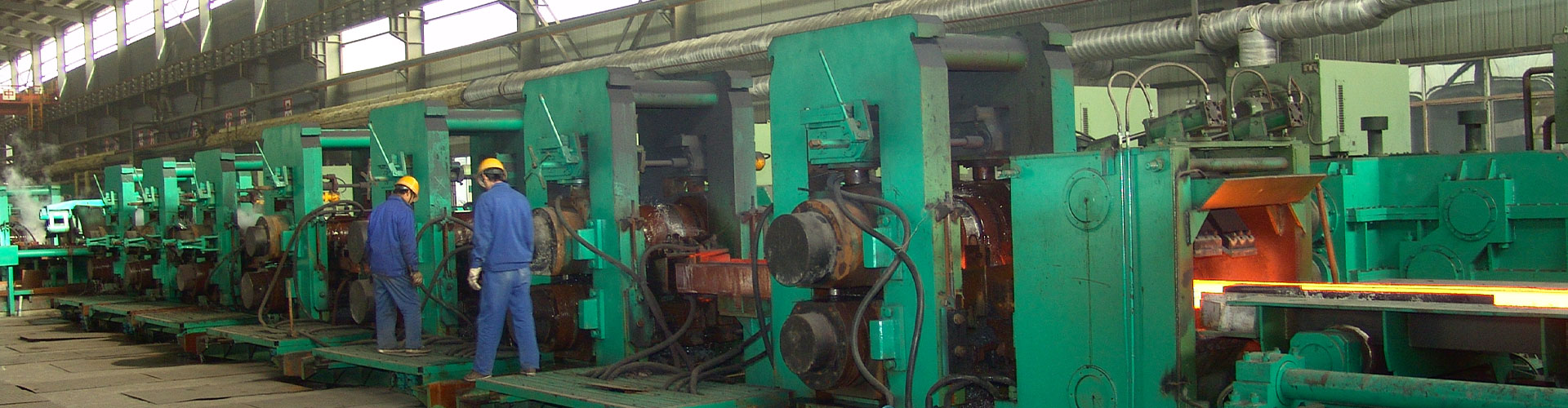
Rolling mill production line design is a cornerstone concept in modern metallurgical processing and heavy industry manufacturing. The adoption of advanced automation and process control technologies has revolutionized the way steel and other metals are processed, turning traditional rolling mills into highly efficient production lines. Over time, continuous improvements in rolling mill production line design have led to increased energy efficiency, improved product quality, and minimized downtime. Today, the industry benefits from not only the robust capabilities of the mill itself, but also from the integration of auxiliary equipment designed to support hot rolling operations and metallurgical processes.
In recent years, companies such as HANI TECH have provided innovative solutions for hot rolling mills and metallurgical furnaces. Their commitment to quality and technological advancement is evident in the range of auxiliary components that ensure the rolling mill production line design meets stringent industry standards. This article aims to explore various aspects of rolling mill production line design, from fundamental engineering principles to the latest trends in automation, parameter control, and energy management.
Throughout this article, key concepts such as “rolling mill production line design” will be discussed in depth, ensuring that both industry professionals and interested enthusiasts gain a comprehensive understanding of the subject. The discussion includes technical data, marketing insights from industry leaders, and a detailed table outlining the key parameters associated with modern rolling mills.
Key Components of Rolling Mill Production Line Design
A successful rolling mill production line design incorporates several critical components. These include the rolling mill stand, control systems, auxiliary equipment such as heating furnaces and cooling units, and safety devices. The effective integration of these elements ensures that the production line operates smoothly under varying production loads.
Modern designs also heavily emphasize automation and process control. For instance, systems incorporate sensors and data acquisition units that constantly monitor parameters such as temperature, rolling speed, and force. This level of precision allows for real-time adjustments, ensuring the mill operates within the desired tolerances and reduces the chance of defects. The essence of an efficient rolling mill production line design lies in its ability to marry traditional mechanical engineering concepts with modern digital control systems.
Additionally, the integration of advanced auxiliary components, such as those provided by HANI TECH, helps streamline the entire production process. Their online resources and product lines in hot rolling mills and metallurgical furnaces serve as benchmarks for quality and innovation. By combining these components with an optimized production line design, manufacturers can achieve higher productivity and improved product consistency.
Technological Innovations and Process Control
In the context of rolling mill production line design, technological innovations have taken center stage. Over the past decade, there have been significant improvements in digital control systems that manage and monitor various aspects of the rolling process. Automation software now plays a critical role in controlling the speed, tension, and thickness of the rolled material.
Moreover, the industry has seen the integration of advanced process simulation software which helps engineers design the production line even before physical construction begins. Through simulation, it is possible to optimize key parameters and accurately predict performance under various conditions. This ensures that the final design is not only efficient but also resilient to unexpected variations in production loads.
One of the hallmarks of modern rolling mill production line design is the use of computerized maintenance management systems (CMMS) and predictive analytics. These systems analyze performance data to predict potential failures, thereby decreasing downtime and maintenance costs. The inclusion of such systems is particularly crucial in high-speed production environments where even minor disruptions can result in significant losses.
Another significant area of innovation is in energy efficiency. With rising energy costs and increasing environmental regulations, rolling mill production line design must incorporate energy-saving measures. Engineers are continuously working on optimizing the energy input versus the output, ensuring that the entire system operates sustainably. The integration of variable frequency drives (VFDs) on motors and improved thermal management systems are examples of how modern machinery reduces energy consumption while maintaining peak performance.
Technical Parameters and Equipment Specifications
A detailed understanding of the various technical parameters is essential for an optimized rolling mill production line design. The following table presents a comprehensive overview of many parameters associated with a modern rolling mill installation. These parameters include machine dimensions, operational speeds, thermal properties, force requirements, and more.
| Parameter | Value | Unit | Description |
|---|---|---|---|
| Rolling Mill Stand Width | 2500 | mm | The maximum width the mill can process. |
| Rolling Speed | 60 | m/min | Optimized speed for hot rolling processes. |
| Operating Temperature | 1200 | °C | Optimal temperature for metal deformation during rolling. |
| Rolling Force | 3000 | tons | The force applied by the roll stands, ensuring metal reduction. |
| Roll Diameter | 800 | mm | Diameter of the main processing rolls, affecting contact area. |
| Reduction Ratio | 40 | % | Indicates the percentage reduction in thickness per pass. |
| Heating Furnace Capacity | 120 | tons | Maximum material mass that the furnace can effectively heat. |
| Furnace Temperature Range | 800-1350 | °C | Operational temperature span for pre-heating in the production line. |
| Cooling Rate | 15 | °C/min | The controlled rate at which the rolled product is cooled. |
| Automation Level | 90 | % | Extent of automated control integrated within the line. |
| Control System Response Time | 0.2 | sec | Duration for the system to adjust parameters upon detection of deviations. |
| Energy Efficiency Rating | A+ | Grade | Assessment of power consumption relative to output efficiency. |
| Precision Tolerance | ±0.05 | mm | Measurement adherence ensuring product consistency. |
| Roll Alignment Accuracy | ±0.1 | mm | Critical parameter for ensuring the quality of rolled products. |
| Production Throughput | 500 | tons/day | Daily production capacity under optimized operating conditions. |
The table above illustrates the complexity and range of specifications involved in a modern rolling mill production line design. Engineers must strike a balance between factors such as rolling speed and precision tolerance while ensuring that the system remains energy efficient and reliable over long operational periods.
Process Efficiency and Optimization
A key factor in rolling mill production line design is the drive for process efficiency. In today’s competitive market, manufacturers strive to reduce waste and maximize throughput. Advanced sensors and real-time data analytics not only ensure quality control but also allow production adjustments on the fly. For example, integrated monitoring systems help detect variations in rolling force or temperature, thereby allowing for rapid corrections.
Process optimization in rolling mill production line design is achieved by leveraging simulation models and artificial intelligence algorithms that predict performance disruptions before they occur. These systems are designed to analyze production data in real-time, providing actionable insights to improve the overall workflow. By incorporating such advanced technologies, manufacturers can significantly reduce downtime and operational costs.
Recent improvements in the field have also centered on reducing energy consumption. Utilizing high-efficiency motors, improved insulation in heating components, and waste heat recovery systems forms the backbone of a greener and more sustainable rolling mill production line design. In addition, techniques such as regenerative braking in drive systems have contributed to lower energy usage while maintaining optimal production levels.
The overall efficiency of the production line is further enhanced by ensuring that auxiliary equipment, such as the heating furnaces and cooling systems, are well integrated with the main rolling mill. In this respect, the solutions offered by HANI TECH demonstrate superior performance for both hot rolling mills and metallurgical processes, offering tailored auxiliary components that meet rigorous industry demands.
Integration of Auxiliary Equipment
Auxiliary devices play an indispensable role in rolling mill production line design. Alongside the central rolling mill, heating furnaces, cooling systems, lubrication units, and finishing lines are all critical to ensuring that the manufacturing process runs seamlessly. The effective integration of these auxiliary components means that temperature control, material handling, and quality assurance are all closely monitored and regulated.
For instance, heating furnaces provided by companies like HANI TECH are designed to preheat the material uniformly before it enters the rolling mill. Their meticulous design minimizes thermal gradients, which could otherwise lead to uneven deformation or product defects. Similarly, advanced cooling systems are engineered to rapidly quench the product after rolling, preserving the microstructure and mechanical properties of the material.
Furthermore, modern lubrication systems are integrated into the rolling mill production line design to reduce friction and wear on the roll surfaces. The use of high-quality lubricants, along with precise control of application rates, helps extend the operational lifespan of the rolls and minimizes the need for frequent maintenance. All these components work together in a harmonized fashion, bolstering the overall performance of the production line.
In addition, digital control systems that manage the auxiliary equipment ensure seamless communication among all parts of the production line. This integration is fundamental to effective process management and is a core aspect of contemporary rolling mill production line design. The collaboration between primary processing equipment and its auxiliary components underscores the complexity and innovation inherent in modern metallurgical facilities.
Academic Perspectives and Industry Trends
Academic research and industry trends provide further insight into advanced rolling mill production line design. Recent studies have focused on multidisciplinary approaches that combine mechanical engineering, materials science, and computer technology to optimize rolling processes. Researchers are particularly interested in process modeling, finite element analysis, and machine learning applications that enhance decision-making during production.
In academic circles, rolling mill production line design is studied not only as a mechanical system but also as a dynamic network of interacting components. For instance, studies on the thermal dynamics of rolling processes have provided valuable data that influence the design specifications of heating furnaces and cooling systems. Additionally, advanced simulation models help in predicting stress and strain distributions throughout the rolled material, leading to better quality control.
The emergence of Industry 4.0 has accelerated innovation in rolling mill production line design. Today, smart sensors, interconnected devices, and cloud-based platforms allow for comprehensive monitoring and control. This digital transformation is making it possible to implement predictive maintenance algorithms, further reducing the likelihood of unexpected downtime. Moreover, improved data analytics and cyber-physical systems are setting a new benchmark for operational excellence in the rolling mill industry.
The integration of Internet of Things (IoT) devices enhances the collective intelligence of the production line, enabling constant improvements in product quality and process efficiency. Combined with trends in sustainable manufacturing and energy conservation, rolling mill production line design is slowly but surely reinventing itself to meet the demands of a modern industrial landscape.
Marketing Insights from HANI TECH
HANI TECH stands out as a leading provider of high-quality components for hot rolling mills and metallurgical furnaces. Their products are meticulously engineered to meet stringent industry standards and have become a reliable choice for many manufacturers worldwide. The company’s comprehensive portfolio includes state-of-the-art auxiliary equipment specifically designed to integrate seamlessly into a highly automated and efficient production line.
Drawing inspiration from HANI TECH’s innovative approach, many manufacturers are now considering the importance of auxiliary components in rolling mill production line design. Their solutions not only improve operational efficiency but also contribute significantly to energy savings. For example, the heating furnaces they supply feature advanced thermal insulation and energy recovery systems that enhance process sustainability. Similarly, their lubrication systems are renowned for reducing the wear and tear on rolling mill components, extending the lifespan of critical machinery parts.
HANI TECH’s marketing materials consistently highlight the reliability and effectiveness of their equipment. By focusing on technical excellence and customer-centric solutions, they have positioned themselves as leaders in both hot rolling mills and metallurgical furnace segments. These efforts underscore the value of investing in high-quality auxiliary components and advanced process control systems in the rolling mill production line design.
From a marketing perspective, the emphasis on consistent quality, energy efficiency, and predictive maintenance resonates with manufacturers looking to optimize their production processes. The successful implementation of these technologies results in shorter production cycles and lower operational costs, ultimately contributing to a more robust bottom line. As a case in point, numerous installations have reported significant performance improvements after integrating components sourced from HANI TECH.
Challenges and Future Developments
Despite the advancements, several challenges persist in rolling mill production line design. One of the primary issues is the continual need to balance production speed with product quality. High-speed operations increase the risk of defects if the control parameters are not carefully monitored. Additionally, achieving uniform temperature distribution during the heating and rolling processes remains a technical challenge.
Future developments in this field are likely to focus on further automation and the integration of AI-driven analytics into the production process. With the advent of machine learning algorithms, real-time data can be analyzed to forecast potential issues before they affect production. This proactive approach to maintenance and quality control will further enhance the efficiency and reliability of rolling mills.
Another promising area of research is the development of novel materials for roll surfaces and protective coatings. These innovations are expected to reduce wear, improve thermal resistance, and ultimately enable the production line to operate at higher speeds without compromising safety or quality. Additionally, continued improvements in digital twin technology will allow engineers to simulate and optimize every aspect of the rolling mill production line design with unprecedented accuracy.
The integration of renewable energy sources into the production process is also being explored as a means to reduce the carbon footprint of heavy industrial operations. Advances in solar and wind energy, combined with improved energy storage solutions, may soon play a key role in powering future rolling mill installations. This commitment to sustainability is expected to drive further research and innovation in the design and operation of these production lines.
Conclusion
In conclusion, rolling mill production line design embodies the fusion of traditional metallurgical processes with cutting-edge automation and control technologies. Through advanced process simulation, digital control systems, and the integration of high-performance auxiliary equipment, modern rolling mills are capable of achieving high efficiency, accuracy, and reliability.
The industry continues to evolve rapidly, with companies like HANI TECH leading the way by providing innovative solutions for hot rolling mills and metallurgical furnaces. Their commitment to quality and technological advancement not only enhances the performance of individual components but also contributes to the overall efficiency of the production line.
As research and development continue to drive improvements, future iterations of rolling mill production line design will likely leverage AI, IoT, and renewable energy to create even more robust and sustainable systems. This ongoing evolution promises significant benefits for manufacturers and end-users alike, ensuring that the production processes remain cost-effective and environmentally friendly. Ultimately, the advancements in rolling mill production line design will pave the way for a new era of industrial excellence where