Если вы планируете создать предприятие по производству стали, модернизировать существующий завод, или инвестируйте в прокатное оборудование, это руководство расскажет вам все, что вам нужно знать — от основных принципов до выбора основного оборудования и вопросов планирования проекта..
Что такое сталепрокатный стан?
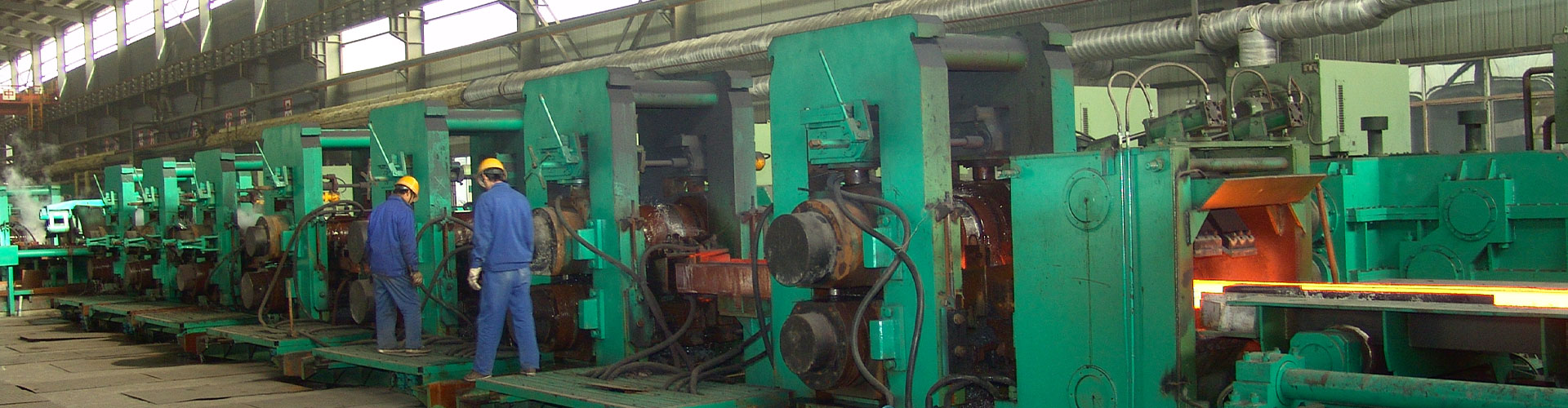
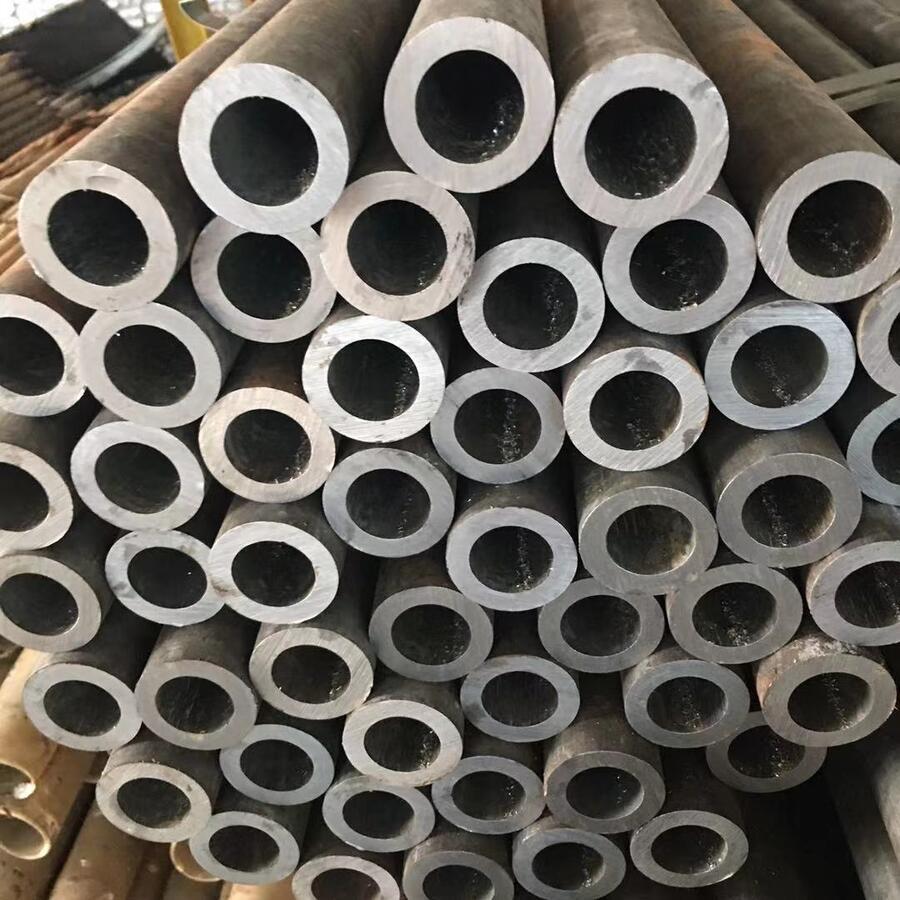
Сталепрокатный стан – это сердце любой линии по производству стали.. Он берет нагретые стальные заготовки или блюмы и пропускает их через ряд роликов, чтобы придать им форму готовой продукции, например арматуры., катанка, угловая сталь, канал сталь, плоские стержни, и многое другое.
Процесс звучит просто, но современные прокатные станы представляют собой сложнейшие системы, требующие точного контроля температуры., конфигурации с несколькими стендами, автоматический контроль натяжения, и передовые технологии охлаждения. Качество вашего прокатного стана напрямую определяет качество, последовательность, и прибыльность вашей металлопродукции.
Типы сталепрокатных станов
Выбор правильного типа прокатного стана зависит от вашей целевой продукции и масштаба производства.. Вот основные категории:
1. Станы горячей прокатки
Горячая прокатка – наиболее распространенный метод в сталелитейной промышленности.. Стальные заготовки перед прокаткой нагреваются примерно до 1100-1250 градусов Цельсия.. При этой температуре, сталь становится податливой и ей легче придавать форму, что позволяет повысить скорость производства и добиться большего уменьшения размеров..
Станы горячей прокатки идеально подходят для производства:
- Репортаж (деформированные стальные стержни) для строительства
- Катанка для сетки, гвозди, и крепеж
- Угловая сталь, канал сталь, и плоские стержни
- Круглые стержни и квадратные стержни
2. Станы непрерывной прокатки
На стане непрерывной прокатки, несколько стендов расположены тандемом. Заготовка проходит через каждую клеть без остановки, с постепенным уменьшением сечения на каждом этапе. Такая конструкция обеспечивает высочайшую эффективность производства — современные станы непрерывного действия могут производить 500,000 слишком 1 миллион тонн в год.
Станы непрерывной прокатки подразделяются на:
- Прутокопрокатные станы: Для арматуры, круглые стержни, и другой сортовой прокат
- Проволочные станы: Высокоскоростная чистовая обработка катанки диаметром до 5,5 мм.
- Сортовые прокатные станы: Для угловой стали, канал сталь, двутавровые балки, и другие структурные разделы
3. Реверсивные прокатные станы
В реверсивной мельнице, сталь проходит вперед и назад через один и тот же набор валков, с уменьшением зазора между валками при каждом проходе. Обычно они используются для небольших объемов производства., специальные стали, или как черновые стойки перед чистовой отделкой.
Ключевые компоненты прокатной линии
Полная производственная линия прокатного стана состоит из нескольких важных компонентов.:
Нагревательная печь
Перед прокаткой, Стальные заготовки должны быть нагреты до нужной температуры.. Современные нагревательные печи используют природный газ или другие виды топлива и оснащены автоматизированными системами контроля температуры.. Печи с шагающими балками являются стандартным выбором из-за их равномерного нагрева и минимального повреждения заготовок..
Стенды прокатного стана
Стенды являются основным оборудованием, где происходит фактическая деформация.. Ключевые характеристики включают в себя:
- Диаметр рулона: Обычно от 250 до 650 мм., в зависимости от продукта
- Рулонный материал: Высокохромистый чугун, Неопределенный холодный чугун, или быстрорежущая сталь
- Тип стойки: Горизонтальный, вертикальный, или кабриолет (ВН) стоит
- Система привода: Двигатели постоянного или переменного тока с регулируемой частотой и редукторами
Летающие ножницы
Летучие ножницы режут движущуюся сталь на заданную длину, не останавливая производственную линию.. В современных летающих ножницах используются серво- или гидравлические системы привода для точного контроля длины..
Охлаждающая кровать
После прокатки и резки, Готовые прутки передаются на охлаждающий стол, где они охлаждаются естественным путем или с помощью принудительного воздуха.. Конструкция охлаждающего стола должна обеспечивать равномерное охлаждение во избежание изгибов и остаточных напряжений..
Вспомогательное оборудование
- Системы удаления окалины для удаления поверхностного оксида перед прокаткой
- Системы направляющих и ограждений для обеспечения точного входа прутка в каждую стойку.
- Закалка и самоотпуск (QST) системы для производства высокопрочной арматуры
- Автоматическое объединение, взвешивание, и системы маркировки
Как правильно выбрать прокатный стан для вашего проекта
Принятие правильного решения по выбору оборудования может означать разницу между прибыльным производством и неэффективным предприятием.. Вот важные факторы, которые следует учитывать:
1. Определите свои целевые продукты
Начните с четкого определения того, что вы хотите производить.:
- Типы продуктов: арматура, катанка, разделы, или комбинация?
- Диапазон размеров: Каковы минимальный и максимальный диаметры или сечения??
- Марки стали: Обыкновенная углеродистая сталь, низколегированная сталь, или специальности?
- Стандарты качества: Нужно ли вам соответствовать конкретным национальным или международным стандартам??
2. Определить требования к производственной мощности
Конфигурация завода будет зависеть от вашего годового производственного плана.:
- 50,000 – 150,000 тонн/год: Полунепрерывное или вездеходное расположение
- 150,000 – 500,000 тонн/год: Непрерывная прокатка с умеренной скоростью отделки.
- 500,000 – 1,000,000+ тонн/год: Высокоскоростной непрерывный стан с усовершенствованной автоматизацией
3. Рассмотрите свое сырье
Размер и качество стальных заготовок влияют на каждую часть конструкции стана.:
- Сечение заготовки (обычно от 100x100 мм до 200x200 мм.)
- Длина заготовки (стандарт 6м или 12м)
- Источник: Ваше собственное производство стали (индукционная печь или ЭДП) или покупные заготовки?
4. Оцените пространство и инфраструктуру
Линия прокатного стана может быть 200-400 метров в длину. Вам нужно:
- Достаточно земельного участка с правильным проектом фундамента.
- Надежный источник питания (обычно несколько мегаватт)
- Подача воды для систем охлаждения
- Сжатый воздух и гидравлические системы
- Мостовые краны для погрузочно-разгрузочных работ и технического обслуживания
5. Баланс капитальных затрат против. Уровень автоматизации
Более высокий уровень автоматизации означает более высокие первоначальные затраты, но более низкие эксплуатационные расходы.:
- Базовый уровень: Ручная загрузка заготовок, местный контроль стенда
- Средний уровень: Автоматизированное управление печью, каскадное регулирование скорости, автоматическая стрижка
- Продвинутый уровень: Полностью автоматизированный процесс от загрузки заготовок до комплектации готовой продукции., с централизованным управлением SCADA
Под ключ против. По частям: Какой подход к закупкам подходит именно вам?
Проект под ключ
Проект прокатного стана «под ключ» означает, что один поставщик занимается всем — проектированием., производство оборудования, строительные работы, установка, ввод в эксплуатацию, и обучение. Вы получаете полностью работоспособный завод.
Преимущества:
- Единая точка ответственности — отсутствие переборов между поставщиками
- Сокращение сроков реализации проекта при скоординированном исполнении
- Интегрированная конструкция обеспечивает оптимальную совместную работу всех компонентов.
- Комплексная гарантийная и послепродажная поддержка.
Недостатки:
- Более высокие авансовые обязательства перед одним поставщиком
- Может включать наценки на субподрядные изделия.
Частичные закупки
Вы покупаете отдельные компоненты у разных поставщиков и сами управляете интеграцией.
Преимущества:
- Возможная экономия на отдельных позициях.
- Свобода выбора лучшего в своем классе для каждого компонента.
Недостатки:
- Риск интеграции — компоненты могут работать некорректно.
- Более длительный срок реализации проекта с координацией нескольких поставщиков
- Нет единой гарантии на всю линейку
- Требуется сильный собственный инженерный опыт
Рекомендация: Для новых участников или компаний, строящих свой первый прокатный стан, настоятельно рекомендуется подход «под ключ» от опытного производителя. Риск интеграции и бремя управления проектом, связанное с частичными закупками, часто перевешивают очевидную экономию средств..
Технологические тенденции на современных прокатных станах
Энергоэффективные нагревательные печи
Новая технология регенеративной горелки и улучшенные изоляционные материалы позволили снизить расход топлива в печи на 15-25% по сравнению со старыми конструкциями. Учитывая, что нагревательная печь обычно является крупнейшим потребителем энергии на прокатном стане., это приводит к значительной операционной экономии.
Технология высокоскоростной отделки
Современные проволочные станы теперь достигают скорости чистовой обработки, превышающей 100 метры в секунду, с усовершенствованным контролируемым охлаждением (Стелморский конвейер) для точных металлургических свойств. Для прутковых станов, высокоскоростные системы подачи с водяной закалкой позволяют производить высокопрочную арматуру (Оценка 500 и выше) непосредственно от прокатного тепла.
Автоматизация и цифровизация
Промышленность 4.0 прибыл в сталепрокат. Особенности современных мельниц:
- Мониторинг процесса в реальном времени с помощью сотен датчиков
- Автоматизированный контроль толщины для точных допусков на размеры
- Системы прогнозируемого обслуживания, которые предупреждают операторов о возникновении сбоев.
- Аналитика производственных данных для постоянного повышения урожайности
Предполагаемые инвестиции и рентабельность инвестиций
Требуемые инвестиции существенно различаются в зависимости от мощности и уровня автоматизации.:
- Небольшой прутковый стан (50,000-100,000 tpy): Примерно $3-8 миллион
- Средне-непрерывный прутковый стан (200,000-300,000 tpy): Примерно $10-20 миллион
- Большой высокоскоростной проволочный стан или прутковый стан (500,000+ tpy): $25-50 миллион или больше
Это приблизительные оценки, охватывающие основное оборудование.. Общие затраты по проекту также будут включать строительные работы., установка, коммунальные услуги, и оборотный капитал.
При типичной норме прибыли $30-80 за тонну арматуры и $50-150 за тонну специализированной продукции, хорошо реализованный проект прокатного стана может окупиться в течение 2-4 лет в благоприятных рыночных условиях.
Вопросы, которые следует задать перед покупкой
При оценке поставщиков прокатных станов, задайте эти важные вопросы:
- Сколько подобных заводов вы построили и где они работают??
- Могу ли я посетить ваши эталонные заводы и поговорить с владельцами??
- Каковы гарантированные параметры производительности (емкость, урожай, толерантность к продукту)?
- Что входит в вашу гарантию, а что исключено?
- Сколько времени занимает доставка запасных частей для критически важных компонентов?
- Предоставляете ли вы обучение операторов и насколько оно комплексное??
- Какую послепродажную поддержку вы предлагаете — удаленная помощь, обслуживание на месте, или оба?
- Каковы типичные сроки от подписания контракта до горячего ввода в эксплуатацию??
Заключение
Инвестиции в сталепрокатный стан — важное решение, требующее тщательного планирования и правильного партнера по оборудованию.. Четко определив цели вашего продукта, производственная мощность, и бюджет, и выбрав опытного производителя, который может предоставить комплексное решение «под ключ»., вы можете минимизировать риск проекта и максимизировать рентабельность инвестиций.
Сталелитейная промышленность продолжает расти во всем мире, обусловлено развитием инфраструктуры и урбанизацией. Современный, Эффективный прокатный стан позволит вам удовлетворить этот спрос, обеспечивая стабильное качество и конкурентоспособные производственные затраты..