Введение
На эволюцию современной металлургии значительное влияние оказали достижения в процессах прокатки.. Одним из важнейших устройств в этой области является сталепрокатный станок., который играет решающую роль в формировании металлических изделий с точными размерами и улучшенными механическими свойствами.. В этой обширной статье, мы не только рассмотрим ключевые аспекты и параметры конструкции стальной прокатный станок а также обсудить его производные применения и взаимосвязь с другим металлообрабатывающим оборудованием.. Рекомендации от лидеров отрасли, таких как сегменты горячей прокатки и металлургических аксессуаров HANI TECH. (посещать HANI TECH Решения для горячей прокатки и HANI TECH Металлургические компоненты) включены для предоставления дополнительной ценной информации.
Обзор технологии сталепрокатного оборудования
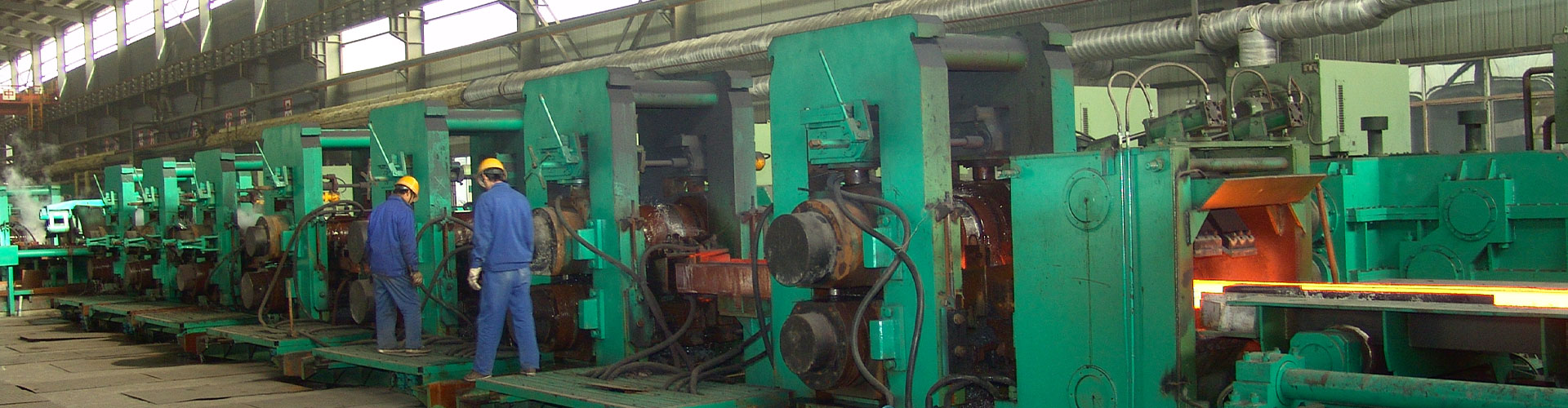
А стальной прокатный станок был в авангарде промышленных инноваций, преобразование необработанной стали в конечную продукцию, пригодную для строительства, автомобильный, и тяжелое машиностроение. Эти машины используют точную механическую конструкцию для прокатки и формовки стали в контролируемых условиях.. Основной принцип заключается в подаче нагретой или холодной стали через ряд роликов., где высокое давление приводит к деформации и формованию материала. Этот процесс позволяет добиться улучшенной зернистой структуры., лучшее качество поверхности, и общее улучшение механических свойств стали..
Современный стальные прокатные машины внедрить передовую автоматизацию, цифровые системы мониторинга, и высококачественные материалы. Дополнительные производные ключевые слова, естественно интегрированные в это обсуждение, включают «технология прокатного стана».,«стан горячей прокатки,«стан холодной прокатки,» и «Металлургические процессы прокатки». Параметры процесса, в сочетании с цифровыми системами управления, обеспечить оптимизацию производства с точки зрения эффективности и качества.
Технические принципы и рабочие механизмы
Операция стальной прокатный станок сосредоточено вокруг нескольких основных компонентов, которые работают согласованно, обеспечивая желаемые характеристики продукта.. Приводные механизмы включают регулируемые ролики., гидравлические системы, и блоки контроля температуры. Вот некоторые фундаментальные технические принципы:
- Приложение силы крена: Давление, оказываемое валками, определяет конечную толщину и механические свойства стали.. Усилие прокатки должно быть откалибровано для различных марок стали и требований к толщине..
- Управление температурным режимом: Контроль высокой температуры имеет важное значение., особенно при горячей прокатке. Компьютеризированные системы теплового мониторинга помогают поддерживать оптимальную температуру прокатки, чтобы избежать таких дефектов, как коробление или проблемы с границами зерен..
- Динамика материальных потоков: Поведение стали при деформации под давлением имеет решающее значение.. Расширенный анализ методом конечных элементов (ВЭД) методы часто применяются для прогнозирования потока материала, тем самым обеспечивая равномерную прокатку и согласованность партий.
Эти принципы работы усовершенствованы в современных устройствах за счет включения систем обратной связи и прецизионных датчиков., обеспечение того, чтобы стальной прокатный станок работает с максимальной производительностью даже при различных условиях нагрузки и воздействии окружающей среды.
Проектные и инженерные параметры
Чтобы лучше понять возможности стальной прокатный станок, крайне важно изучить его технические характеристики. В таблице ниже представлен широкий набор параметров, типичных для современного сталепрокатного станка.. Подробные инженерные параметры включают механические, электрический, и тепловые характеристики, которые определяют процесс прокатки.
| Параметр | Описание | Спецификация | Единицы |
|---|---|---|---|
| Диаметр рулона | Диаметр валков, используемых для деформации | 500 – 1500 | мм |
| Ширина рулона | Ширина валков обеспечивает равномерное распределение усилия. | 1000 – 3200 | мм |
| Сила крена | Максимальная сила, которую можно приложить во время прокатки | 5000 – 30000 | тонны |
| Рабочая температура | Диапазон температур во время процессов горячей прокатки | 1100 – 1300 | °С |
| Система управления | Тип автоматизации, используемый в процессе | ПЛК & на базе SCADA | Н/Д |
| Диапазон скоростей | Диапазон скоростей прокатки | 0.5 – 5.0 | РС |
| Потребляемая мощность | Электрическая энергия, потребляемая во время работы | 150 – 500 | кВт |
| Рулонный материал | Состав материала для долговечности и управления теплом | Высококачественная легированная сталь | Н/Д |
| Прецизионный допуск | Производственный допуск на стальную продукцию | ±0,05 | мм |
| Каркасная конструкция | Конструктивный дизайн для минимизации вибраций | Армированная сталь | Н/Д |
| Система охлаждения | Способ регулирования температуры в процессе | С водяным охлаждением & варианты с воздушным охлаждением | Н/Д |
| Пользовательский интерфейс | Тип интерфейса для работы машины | Сенсорная панель управления | Н/Д |
| Регулирование скорости вала | Переменная регулировка скорости валков валков | 0 – 1800 | об/мин |
| Система смазки | Система снижения трения между рабочими поверхностями | Автоматизированная смазка | Н/Д |
| Цикл технического обслуживания | Рекомендуемые сроки планового технического обслуживания | 3000 часы работы | часы |
| Функции безопасности | Интегрированные механизмы безопасности для защиты операторов | Аварийные остановки, Охранники, Сигнализация | Н/Д |
В таблице выше представлен обширный перечень параметров, связанных с современным стальной прокатный станок. В сочетании с надлежащими протоколами установки и контроля качества., эти характеристики помогают обеспечить превосходные операционные результаты и оптимизировать производственные циклы..
Применение и влияние на отрасль
Универсальность стальной прокатный станок распространяется на множество промышленных применений. Общие отрасли, использующие эту технологию, включают строительство., автомобильное производство, железнодорожное машиностроение, и производство тяжелого оборудования. Процесс прокатки повышает структурную целостность стали., что делает его предпочтительным материалом для несущих компонентов и прецизионных деталей..
Более того, улучшения обработки материалов, вызванные стальной прокатный станок технологии имеют прямую корреляцию с устойчивостью промышленных операций.. Эффективное приложение усилия прокатки и точное управление температурным режимом сокращают количество отходов.. Кроме того, интеграция автоматизированных систем способствует экономии энергии и снижению эксплуатационных расходов, одновременно содействуя созданию более безопасной рабочей среды.
Новые тенденции в отрасли включают разработку интеллектуальных прокатных станов., характеризуются подключением к Интернету и интеграцией с промышленным Интернетом вещей. (Интернет вещей) платформы. Эти достижения обеспечивают мониторинг и аналитику в реальном времени., дальнейшее повышение эффективности и надежности во время работы. Внедрение алгоритмов машинного обучения для оптимизации процессов — еще одна интересная разработка., что приведет к дальнейшим инновациям в стальной прокатный станок приложения.
Интеграция со вспомогательными системами и будущие тенденции
Современные производственные мощности зависят не только от стальной прокатный станок для обработки стали. Машина часто интегрируется с сетью вспомогательных систем для достижения комплексного производственного решения.. Например, Веб-сайты HANI TECH (доступен на HANI TECH Решения для горячей прокатки и HANI TECH Металлургические компоненты) предоставить ряд дополнительных компонентов, например, специализированные ролики, блоки контроля температуры, и прецизионное вспомогательное оборудование, которые значительно повышают производительность прокатного стана.
Интеграция этих систем упрощает целостный производственный процесс, благодаря чему данные с каждого этапа — от фиксации материала до предварительного нагрева, посредством прокатки, до отделки и контроля качества — можно сопоставлять и анализировать. Эта интеграция предоставляет производителям точную информацию о производстве., которые необходимы для достижения целей бережливого производства. Ожидается, что тенденция к большей автоматизации и интеллектуальной интеграции сохранится по мере внедрения в отрасль более совершенных датчиков и алгоритмов управления..
Кроме того, растущее внимание к устойчивости и эффективности направляет исследования и разработки в сторону более энергоэффективных проектов и усовершенствований процессов.. Будущее стальной прокатный станок конструкции могут включать в себя современные материалы для роликов и расширенную диагностику системы с использованием прогнозного обслуживания на основе искусственного интеллекта., дальнейшее сокращение времени простоя и повышение общей производительности.
Сравнительный анализ с другим металлообрабатывающим оборудованием
По сравнению с другими технологиями обработки металлов, такими как ковка, кастинг, и экструзия, а стальной прокатный станок выделяется своей способностью производить изделия с высокой однородностью и точными размерами.. В отличие от ковки, который в значительной степени полагается на ударные силы, прокатка обеспечивает непрерывную деформацию, что приводит к улучшению металлургических свойств.. Кастинг, хотя и полезен для достижения сложных форм, часто страдает от проблем с внутренней пористостью, которые можно эффективно смягчить прокаткой..
Сравнительная стабильность процесса прокатки означает также, что стальной прокатный станок технология особенно хорошо подходит для крупносерийного производства. Его контролируемые параметры позволяют производителям адаптировать процесс к конкретным свойствам материала и требованиям конечного продукта., что делает его универсальным выбором для различных секторов промышленности..
Практические примеры и практические примеры
Несколько мировых лидеров сталелитейной промышленности внедрили передовые стальной прокатный станок технологии для расширения своих производственных возможностей. Например, ведущие заводы Китая, Европа, и Северная Америка сообщили о значительном повышении эффективности и стабильности продукта после перехода на более новую версию., автоматизированные прокатные станы. Эти тематические исследования подтверждают аналитические модели, которые прогнозируют улучшение зеренной структуры и снижение дефектов прокатки при использовании современного оборудования..
Кроме того, Производители сообщили о значительном сокращении эксплуатационных расходов, что можно напрямую отнести к энергоэффективному дизайну современных стальные прокатные машины и снижение частоты простоев при техническом обслуживании. Операционная синергия, наблюдаемая между прокатным станом и дополнительными системами, предоставляемыми такими компаниями, как HANI TECH, еще больше повышает общую производительность и качество продукции., создание нового эталона в отрасли.
Технические проблемы и направления исследований
Несмотря на многочисленные преимущества, связанные с стальной прокатный станок, остается ряд технических проблем. Одной из основных задач является контроль износа валков и усталости материала.. Непрерывная работа подвергает валки серьезным механическим нагрузкам и термическому разрушению., что может со временем повлиять на характеристики качения. Следовательно, исследования постепенно смещаются в сторону разработки передовых износостойких материалов и инновационных методов охлаждения..
Еще одной постоянной проблемой является поддержание точных допусков размеров в течение длительных производственных циклов.. Благодаря усовершенствованиям сенсорных технологий и систем обратной связи в реальном времени, инженеры работают над разработкой более надежных алгоритмов управления, которые смогут динамически регулировать параметры прокатки. Такое адаптивное управление обеспечивает постоянное соблюдение качества при минимальном вмешательстве человека..
Заглядывая в будущее, будущие исследования сосредоточены на интеграции искусственного интеллекта (ИИ) и машинное обучение (МЛ) прогнозировать и предотвращать распространенные проблемы до их возникновения. Этот подход к профилактическому обслуживанию, в сочетании с улучшенными имитационными моделями, Ожидается, что это значительно продлит срок службы стальной прокатный станок и повысить общую надежность процесса.
Заключение
В заключение, а стальной прокатный станок занимает центральную роль в современной металлургии и промышленном производстве.. Благодаря своему изысканному дизайну, точные инженерные параметры, и интеграция передовых систем управления, эта машина продолжает расширять возможности обработки стали во всем мире. Непрерывные исследования и интеграция со вспомогательными системами от ведущих поставщиков технологий., такие как HANI TECH, проложить путь к дальнейшему повышению эффективности, устойчивость, и качество продукции.
Практикующие, исследователи, и энтузиастам в области металлообработки необходимо продолжать сотрудничество, вводить новшества, и распространять знания об этих передовых технологиях. Взаимодействие технических знаний и практического применения в конечном итоге стимулирует эволюцию стальной прокатный станок, обеспечение того, чтобы оставаться в авангарде металлургических инноваций сейчас и в будущем.