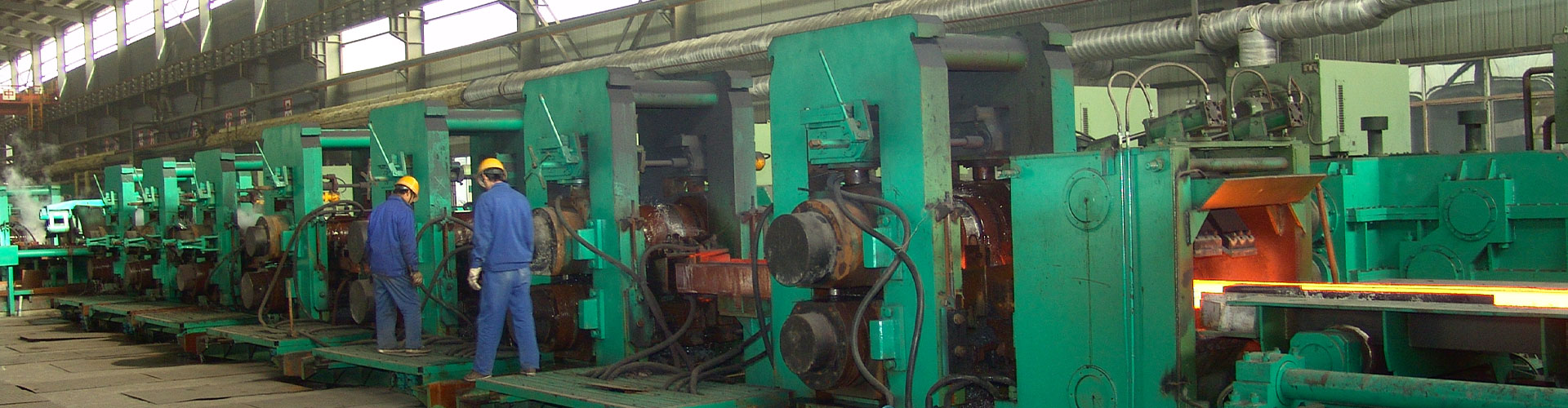
When steel production runs at high speed, even a small equipment failure can lead to serious damage. На линиях горячей прокатки, especially between roughing stands and finishing mills, unexpected jams or material deviations happen more often than you think. That’s where the flying shear comes into play—not just as a cutting tool, but as a critical safety guard that protects your entire rolling line.
Why Is a Flying Shear Essential in Modern Steel Rolling?
Hot-rolled steel moves fast—often over 10 meters per second in high-speed finishing lines. If a piece of steel bends, breaks inside the mill, or gets stuck, the next few seconds are crucial. Letting damaged material enter the precision rolling stands can destroy rolls, damage guides, and cause hours of downtime.
A flying shear designed for accident response doesn’t wait. It reacts in milliseconds. Positioned right before the entry of the finishing mill or after the roughing train, it cuts off the incoming bar the moment a fault is detected. This isn’t regular cutting—it’s emergency intervention.
How Does an Accident-Focused Flying Shear Work?
Unlike standard flying shears used for length cutting, this type is built for reliability under extreme conditions. When sensors detect a jam, temperature anomaly, or tracking error, a signal triggers the shear. The blades close rapidly across the moving bar—still glowing red at over 950°C—and sever it cleanly.
The key is synchronization. The upper and lower blades move in perfect coordination, meeting at the centerline of the bar. Because the steel is still moving forward at full speed, the cut happens “on the fly”—no stopping, no slowing down. The front section continues into the scrap chute, while the tail end stops safely behind.
Design Features That Make a Difference
Not all shears can handle emergency cuts in real-time. Here’s what sets apart a true accident-response flying shear:
- Dual-blade structure: One blade above, one below, ensuring clean shearing without deformation.
- Pneumatic actuation: Быстрый, надежный, and easy to maintain compared to hydraulic systems.
- Robust base frame: Welded construction with reinforced supports to absorb shock loads.
- High-temp resistant materials: Blades made from heat-resistant tool steel (like H13) retain hardness even after repeated exposure to 1000°C steel.
- Self-lubricating bushings: Reduce maintenance needs on pivot points exposed to dust and heat.
| Параметр | Спецификация | Application Note |
|---|---|---|
| Steel Types | Углеродистая сталь, низколегированная сталь | Suitable for most structural and rebar grades |
| Minimum Cutting Temperature | > 950°С | Ensures ductile cut, avoids cracking |
| Actuator Type | Pneumatic cylinder φ100/φ32 × 240 мм | Fast stroke, long service life |
| Operating Air Pressure | 0.4 – 0.6 МПа | Standard plant air pressure compatible |
| Blade Material | H13 tool steel (hardness HRC 48–52) | Resists thermal fatigue and wear |
| Lubrication Points | Manual grease on pivots, oil-impregnated bushings on blade arms | Low maintenance, suitable for dusty environments |
Where Should You Install This Shear?
The best location depends on your mill layout, but two positions are most common:
- Between pre-finishing and finishing mill: This is the most effective spot. If a bar starts to buckle or twist before entering the final stands, the shear cuts it off before damage occurs.
- After the roughing train: Used when intermediate loops or transfer tables are involved. Prevents misfed bars from reaching sensitive downstream equipment.
In both cases, the shear must be placed where there’s enough straight runout to ensure stable material flow into the blades. Avoid installing it immediately after a bending point or loop gap unless guide rolls are properly aligned.
Pneumatic vs Hydraulic: Why Air Power Wins for Emergency Cuts
You might wonder why many modern accident shears use pneumatic cylinders instead of hydraulic ones. The answer lies in speed, simplicity, и время безотказной работы.
Hydraulic systems offer high force, but they’re slower to respond due to fluid compressibility and valve lag. They also require pumps, reservoirs, and leak-prone hoses—adding complexity and failure points.
Pneumatic systems, с другой стороны, use compressed air already available in most plants. With proper solenoid valves, a pneumatic shear can activate in under 0.3 секунды. No oil leaks, no fire risk, and easier troubleshooting.
For a device that only needs to work once every few months—but must work perfectly when called upon—air power delivers unmatched reliability.
Maintenance Tips to Keep Your Shear Ready
An idle shear is a dangerous one. If not maintained, rust, dust buildup, or dry joints can delay activation when needed most. Follow these practical steps:
- Еженедельно: Check air pressure at the cylinder inlet. Ensure it stays within 0.4–0.6 MPa.
- Ежемесячно: Inspect blade edges for chipping or excessive wear. Rotate or replace if thickness drops below 80% оригинального.
- Ежеквартальный: Lubricate all grease points with high-temperature lithium-based grease.
- After each cut: Visually confirm full return position and clear any scale buildup around the blade housing.
Также, test the system monthly using a dummy signal—never wait for an actual incident to find out the shear won’t move.
Real-World Performance: What Users Report
A medium-sized rebar mill in Southeast Asia installed this type of flying shear after suffering three roll breakages in six months. Since installation, they’ve had five emergency cuts triggered by loop control failures. Each time, the shear operated successfully, preventing entry of deformed billets into the finishing stands.
They estimate saving over $180,000 annually in avoided roll changes, reduced scrap, and less unplanned downtime. Что еще более важно, operator confidence improved—knowing there’s a reliable backup plan makes daily operation smoother.
Choosing the Right Shear for Your Line
Before buying or upgrading, ask these questions:
- What’s the maximum section size I roll? (Make sure the shear throat opening is sufficient.)
- Do I have clean, dry compressed air at 0.6 MPa near the installation point?
- Is there space for maintenance access? You’ll need room to remove blades and inspect linkages.
- Can my automation system send a fast digital trigger signal?
If you’re upgrading from an older guillotine-style shear, consider retrofit kits that keep your existing foundation but upgrade the actuator and blade holder. Many users report cutting response time in half with such upgrades.
Final Thoughts on Safety and Efficiency
В стальном прокате, speed and precision go hand in hand. But without protection mechanisms, that speed becomes a liability. A well-designed flying shear for accident scenarios isn’t an extra cost—it’s insurance against catastrophic failure.
From carbon steel rods to low-alloy sections, operating above 950°C, this device does one job extremely well: stop trouble before it spreads. With simple pneumatics, durable construction, and smart placement, it gives operators peace of mind and keeps the line running longer.
If your mill doesn’t have a dedicated emergency shear before the finishing train, now’s the time to evaluate one. The next jam might not give you a second chance.