Обновлено в июле 2024 | Практические советы для инженеров по производству стали и операторов предприятий
Прокатные станы являются основой современного производства стали.. Производите ли вы плоские листы, структурные балки, или арматура, то, как работает завод, напрямую влияет на качество продукции, использование энергии, и срок службы оборудования. Среди различных операционных установок, а нереверсивная система в работе прокатного стана выделяется своей простотой, надежность, и экономическая эффективность, особенно на линиях непрерывного производства..
Что такое нереверсивный прокатный стан??
В необратимой системе, валки вращаются в одном фиксированном направлении. После установки, они не реверсируются при нормальной работе. Это отличается от реверсивных мельниц., где направление прокатки изменяется, чтобы обеспечить возможность нескольких проходов через одну и ту же клеть.
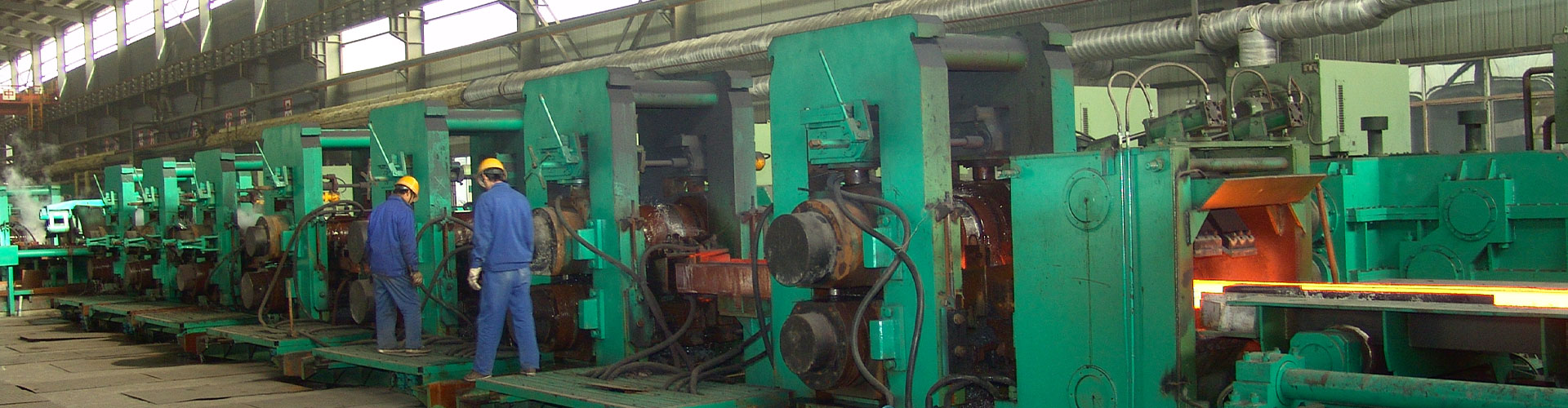
Эта установка обычно используется в непрерывные прутковые станы, линии по производству катанки, и некоторые станы горячей прокатки. Потому что он движется непрерывно в одном направлении, он идеально подходит для высокоскоростных, бесперебойная обработка сортового проката типа стержней, катушки, и полоски.
Как это работает? Основной принцип
Основная идея нереверсивного прокатного стана заключается в том, что каждый проход происходит в отдельной прокатной клети.. Вместо того, чтобы переворачивать металл взад и вперед через одни и те же валки (как в обратимых системах), материал продвигается вперед через ряд стоек, каждая из которых слегка уменьшает толщину или слегка меняет форму..
Например, на 10-клетевом проволочном стане, заготовка поступает в первую клеть горячая и с каждым последующим проходом становится тоньше. К тому времени, когда он выйдет из последней стойки, оно может быть таким же тонким, как 5 мм в диаметре — все без изменения направления вращения.
Типы нереверсивных режимов работы
Не все необратимые системы работают одинаково.. В зависимости от регулирования скорости и механической конструкции, есть несколько подтипов:
1. Режим постоянной скорости
Валки вращаются с фиксированной частотой вращения на протяжении всей работы.. Простота в обслуживании и эксплуатации, этот режим подходит для применений, в которых размер и температура входящего материала очень постоянны..
Лучшее для: Мелкосортные мельницы, предчистовые стенды
2. Система, оборудованная маховиком
Тяжелый маховик хранит кинетическую энергию.. При попадании в зазор между валками холодной или негабаритной заготовки, внезапное сопротивление вызывает небольшое падение скорости, но маховик помогает быстро восстановить импульс..
Это предотвращает остановку и защищает двигатели от перегрузки..
Типичная масса маховика: 5–15 тонн в зависимости от размера мельницы
Диапазон падения скорости: 3%–8% под нагрузкой
3. Редкая регулировка скорости
Мельница имеет возможность регулирования скорости, но регулируется только между различными партиями продукта.. Например, переключение с 12 мм арматуры до 16 мм может потребоваться снижение скорости выхода на 15%.
Регулировки производятся вручную или с помощью предустановленных рецептов..
4. Частый контроль скорости в процессе работы
Усовершенствованные нереверсивные станы могут динамически регулировать скорость валков за один проход.. Это позволяет:
- Более низкая скорость входа для лучшего захвата
- Более высокая скорость среднего прохода для повышения производительности
- Уменьшена скорость выхода, чтобы избежать проблем с намоткой или повреждений.
В этом типе используются векторные приводы переменного тока и датчики обратной связи в реальном времени..
Почему стоит выбрать необратимую настройку?
Реверсивные мельницы обеспечивают гибкость, необратимые системы выигрывают во многих промышленных сценариях благодаря своей эффективности и стабильности.. Вот почему растения выбирают их:
Примечание: Данные таблицы основаны на полевых отчетах комбинатов и EPC-подрядчиков из Азии и Восточной Европы..
Реальное применение: Пример стана для катанки
Давайте посмотрим, как работает типичная нереверсивная система на современном проволочном стане.:
- Размер заготовки: 150 мм × 150 мм × 12 м
- Начальная температура: ~1100°C после повторного нагрева
- Количество стендов: 28 (черновая обработка, средний, отделка)
- Конечный диаметр: 6.5 мм (свернутый спиралью)
- Линейная скорость: Начинается в 1.2 РС, доходит до 110 м/с на последней стоянке
- Моторная мощность: 3,500 кВт (главный привод), 400–800 кВт на чистовую клеть
В этой настройке, каждая стойка постепенно уменьшает сечение. Потому что система необратима., натяжение между стойками тщательно контролируется с помощью петлителей или крючков. (установщики циклов). Слишком сильное напряжение рискует сломать планку.; слишком мало вызывает провисание и несоосность.
Современные системы используют лазерные датчики и инфракрасные пирометры контролировать размеры и температуру в режиме реального времени. Если произошло отклонение, автоматические настройки выполняются в течение нескольких секунд — часто даже до того, как оператор это заметит..
Общие проблемы и способы их решения
Проблема: Плохой перекус на входной стойке
Если заготовка входит в зазор не плавно, это может вызвать заедание или дефекты поверхности.
Решение: Используйте низкую начальную скорость (0.5–0,8 м/с) и обеспечить правильное выравнивание канавок роликов. Некоторые заводы добавляют небольшие гидравлические толкатели для облегчения входа..
Проблема: Перепад температур между стойками
Когда бар движется по линии, теряет тепло, особенно на открытых участках.
Решение: Установите изолированные туннели или индукционные нагреватели между критическими стендами.. По возможности сохраняйте минимальное расстояние между стендами.
Проблема: Следы вибрации и вибрации
Высокоскоростная прокатка может вызвать резонанс в прокатных клетях., оставляя периодические следы на поверхности.
Решение: Резервное копирование баланса регулярно обновляется, проверь зазор подшипника, и используйте демпфирующие прокладки под корпусами. Рассмотрите возможность сегментированного охлаждения валков для лучшего термоконтроля..
Советы по техническому обслуживанию для обеспечения долгосрочной надежности
Нереверсивная мельница, обслуживаемая в хорошем состоянии, может работать годами с минимальными простоями.. Вот проверенные практики от опытных инженеров предприятий.:
- Ежедневно: Проверка уровня масла в коробках передач, проверить поток охлаждающей воды, проверить показания датчика.
- Еженедельно: Измерьте износ валков с помощью профилометров., чистое скопление накипи в желобах.
- Ежемесячно: Выполните анализ вибрации на главных двигателях и шестернях..
- Ежеквартальный: Замените изношенные подшипники качения, проверить аварийную остановку, калибровать системы контроля натяжения.
- Ежегодно: Переналадка всей линии мельницы, проверить фундаментные болты, обновить программное обеспечение привода.
Один сталелитейный завод в Турции сообщил о 40% сокращение количества незапланированных остановок после внедрения ежемесячных проверок лазерной центровки на всех 18 стенды их арматурной линии.
Когда не следует использовать необратимую систему
Несмотря на свои преимущества, эта система не всегда лучший выбор. Избегайте этого, когда:
- Очень толстые слябы нужно раскатывать всего за 2–3 прохода. (обратимый более эффективен)
- Ассортимент продукции часто меняется (НАПРИМЕР., ежедневное переключение между толстой пластиной и тонкой полосой)
- Пространство крайне ограничено (необратимые линии длиннее)
- Вы занимаетесь экспериментальным прокатом или R&D работа, требующая гибкого графика пропусков
Для серийного производства специальных сплавов или нестандартных профилей., реверсивная двухвалковая мельница часто имеет больше смысла.
Будущие тенденции: Куда движется эта технология?
Несмотря на то, что основной концепции уже несколько десятилетий., инновации продолжаются в области нереверсивной прокатки:
Интеллектуальный контроль зазора между валками
Системы на базе искусственного интеллекта теперь прогнозируют износ валков и автоматически регулируют зазоры., поддержание стабильного результата даже при ухудшении качества инструментов.
Интеграция цифрового двойника
Полные виртуальные копии стана моделируют условия прокатки перед фактическим производством., сокращение пробных запусков и брака.
Гибридные системы привода
Новые установки сочетают в себе двигатели переменного тока с батареями суперконденсаторов для обработки переходных нагрузок, что повышает эффективность по сравнению с традиционными маховиками..
Заключительные мысли для операторов и инженеров
Нереверсивная система в работе прокатного стана остается краеугольным камнем эффективной обработки стали.. Его сила не в сложности, но стабильно, предсказуемая производительность. Независимо от того, используете ли вы небольшую линию по производству арматуры или крупный стержневой стан, понимание того, как оптимизировать скорость, напряжение, и техническое обслуживание напрямую повлияют на урожайность, качество, и итоговые результаты.
Объединив классические инженерные принципы с современными инструментами мониторинга., сегодняшние мельницы достигают уровня точности, который был просто немыслим 20 много лет назад. И хотя появляются новые технологии, Основное преимущество однонаправленного, непрерывная прокатка остается актуальной как никогда.