Wire rod is one of the most widely used steel products in the world. It serves as the foundation material for countless industrial applications, from construction reinforcement bars to precision springs in automotive engines. This guide covers everything you need to know about wire rod varieties, характеристики, and practical applications in modern manufacturing.
What is Wire Rod?
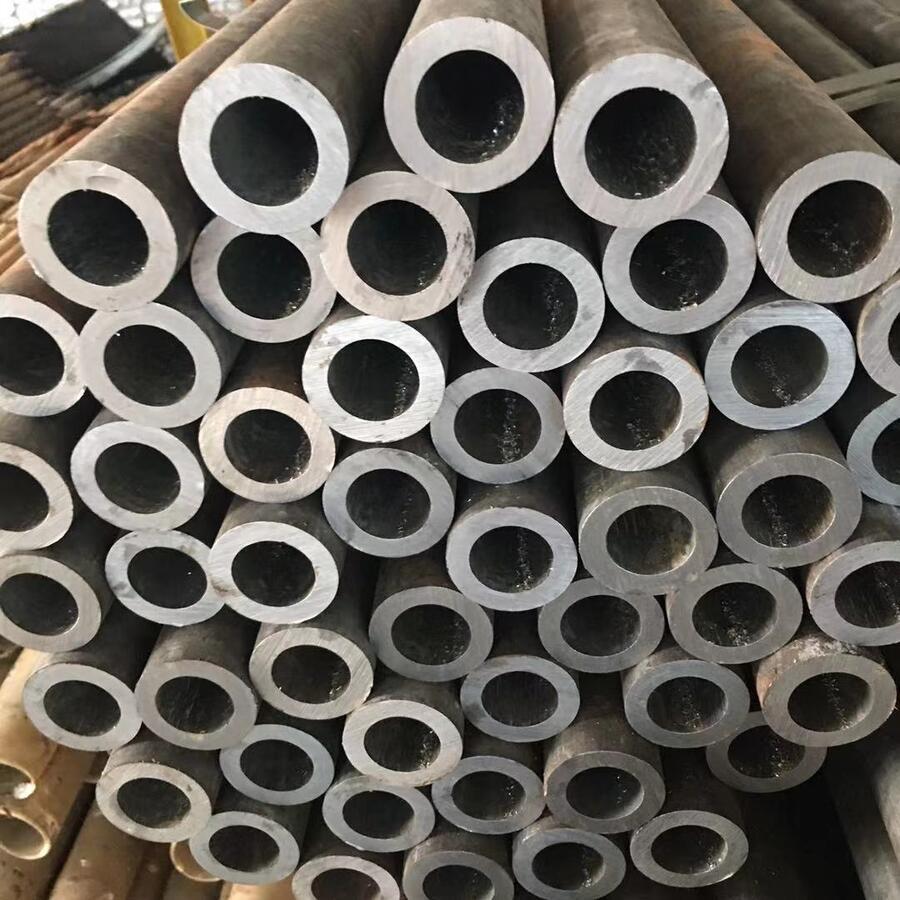
Wire rod refers to hot-rolled round steel with a diameter typically ranging from 5.0mm to 25mm. It is delivered in coil form, which is why it’s also commonly called “rod coil” or “wire rod coil” in the steel industry. The coiled delivery method makes transportation efficient and allows for continuous processing in downstream applications.
While round cross-sections dominate the market, accounting for over 95% of production, special profiles like oval, квадрат, and ribbed shapes are also manufactured for specific purposes.
Quick Facts About Wire Rod Production
- Global wire rod production exceeds 200 million metric tons annually
- China produces approximately 45% of the world’s wire rod
- Standard coil weight ranges from 1.5 к 2.5 metric tons
- Rolling speed can reach up to 120 meters per second in modern mills
Standard Wire Rod Specifications
Understanding the technical parameters of wire rod is essential for selecting the right material for your application. The following table presents the most common diameter specifications available in the global market:
| Диаметр (мм) | Weight per Meter (кг/м) | Общие приложения | Толерантность (мм) |
|---|---|---|---|
| 5.5 | 0.187 | Fine wire drawing, гвозди | ±0.20 |
| 6.5 | 0.260 | Standard wire, сетка | ±0.25 |
| 8.0 | 0.395 | Репортаж, болты | ±0.30 |
| 10.0 | 0.617 | Строительство, крепежные детали | ±0.30 |
| 12.0 | 0.888 | Heavy-duty applications | ±0.40 |
| 14.0 | 1.208 | Structural components | ±0.40 |
| 16.0 | 1.578 | Pre-stressed concrete | ±0.50 |
| 20.0 | 2.466 | Large diameter wire rope | ±0.50 |
Seven Main Categories of Wire Rod
Based on steel composition and end-use requirements, wire rod products can be classified into seven primary categories. Each type has distinct chemical properties and mechanical characteristics suited for specific industrial applications.
1. Катанка из углеродистой конструкционной стали
This is the most common type of wire rod used in general construction and manufacturing. Typical steel grades include Q195, Q215, Q235, и Q275, along with their F-grade variants (rimmed steel). These products offer good weldability and formability at competitive prices.
Construction reinforcement bars, wire drawing feedstock, welding electrodes, болты, орехи, винты, rivets, and general hardware manufacturing.
| Марка стали | Содержание углерода (%) | Предел прочности (МПа) | Предел текучести (МПа) | Удлинение (%) |
|---|---|---|---|---|
| Q195 | 0.06-0.12 | 315-430 | ≥195 | ≥33 |
| Q215 | 0.09-0.15 | 335-450 | ≥215 | ≥31 |
| Q235 | 0.14-0.22 | 375-500 | ≥235 | ≥26 |
| Q275 | 0.18-0.28 | 410-540 | ≥275 | ≥23 |
2. Quality Carbon Structural Steel Wire Rod
This category represents higher-grade wire rod products with tighter chemical composition control and superior mechanical properties. It is subdivided into three groups based on carbon content:
Низкоуглеродистая сталь (08Фон, 10, 15, 20)
Carbon content: 0.08-0.25%. Used for drawing critical low carbon steel wire and profiled wire products. Excellent cold forming properties make these grades ideal for deep drawing and cold heading applications.
Medium to High Carbon Steel (30-85 Оценка)
Carbon content: 0.30-0.85%. Applications include carbon structural steel wire, bicycle spoke wire, tire bead wire, steel wire rope, пружинная проволока, galvanized wire, and ACSR (aluminum conductor steel reinforced) core wire.
Manganese Steel (15Мин., 65Мин.)
Contains 0.70-1.40% марганец. Specifically designed for manufacturing high-strength spring steel wire and special profiled wire products requiring superior fatigue resistance.
3. Сварочная проволока
Welding wire rod is specifically manufactured to produce welding consumables. The strict control of sulfur and phosphorus content ensures high-quality weld seams with minimal defects. This category includes two main types:
| Тип | Общие оценки | S+P Content | Welding Process |
|---|---|---|---|
| Non-alloy Welding Wire | H08A, H08MnA, H10Mn2 | ≤0.030% | Manual arc, SAW, MIG |
| Low-alloy Welding Wire | H08CrMoA, H10CrMoA | ≤0.025% | TIG, SAW, flux-cored |
These wire rod products serve as raw material for manual arc welding electrodes, submerged arc welding (SAW) проволока, gas metal arc welding (GMAW) проволока, and flux-cored welding wire production.
4. Stainless Steel Welding Wire Rod
For welding stainless steel components, specialized welding wire rod with matching corrosion resistance is required. Popular grades include H0Cr21Ni10, H0Cr19Ni12Mo2, and H1Cr24Ni13. The low carbon variants (indicated by “0” prefix) minimize carbide precipitation during welding, preserving corrosion resistance in the heat-affected zone.
| Оценка | В (%) | Кр (%) | В (%) | Мо (%) | Приложение |
|---|---|---|---|---|---|
| H0Cr21Ni10 | ≤0.03 | 19-22 | 9-11 | – | 304 SS welding |
| H0Cr19Ni12Mo2 | ≤0.03 | 18-20 | 11-14 | 2-3 | 316 SS welding |
| H1Cr24Ni13 | ≤0.12 | 23-26 | 12-14 | – | 309 SS welding |
5. Катанка из нержавеющей стали
Stainless steel wire rod is primarily produced from austenitic stainless steel grades. The most common grades include 1Cr18Ni9 (equivalent to AISI 302), 0Кр17Н14Мо2 (AISI 316L), and 1Cr13 (АИСИ 410). These products feature excellent corrosion resistance and are processed into various finished products.
Finished Products from Stainless Steel Wire Rod:
Spring Wire
Cold Heading Wire
Wire Rope
Mesh Wire
Knitting Wire
6. Piano Wire Rod (Music Wire Rod)
Piano wire rod represents one of the highest quality wire rod products manufactured. It uses high carbon quality structural steel or carbon tool steel with grades such as 60, 65Мин., 70, 75, 80, and T9A. The carbon content typically ranges from 0.60% к 0.95%.
The exceptional purity and uniform microstructure of piano wire rod enable production of:
- Piano wire – Tensile strength up to 3,000 МПа
- High-stress spring wire – For valve springs in engines
- Oil-tempered valve wire – Operating at elevated temperatures
- Precision instrument strings – Musical instruments
7. Prestressed Steel Wire and Strand Wire Rod (Hard Wire)
This specialized wire rod category serves the construction industry, particularly for prestressed concrete applications. It uses dedicated high carbon steel with carbon content between 0.70% и 0.85%, with sulfur and phosphorus content strictly controlled to ≤0.025%.
| Оценка | Углерод (%) | Мин. (%) | И (%) | Предел прочности (МПа) |
|---|---|---|---|---|
| 72А | 0.70-0.75 | 0.50-0.80 | 0.15-0.35 | ≥1080 |
| 77Б | 0.75-0.80 | 0.60-0.90 | 0.15-0.35 | ≥1130 |
| 82А | 0.80-0.85 | 0.60-0.90 | 0.15-0.35 | ≥1180 |
| 82Б | 0.80-0.85 | 0.70-1.00 | 0.15-0.35 | ≥1180 |
The “A” suffix indicates standard carbon content, while “B” denotes higher manganese content for improved strength. These grades undergo strict quality control during steelmaking to ensure clean steel with minimal inclusions.
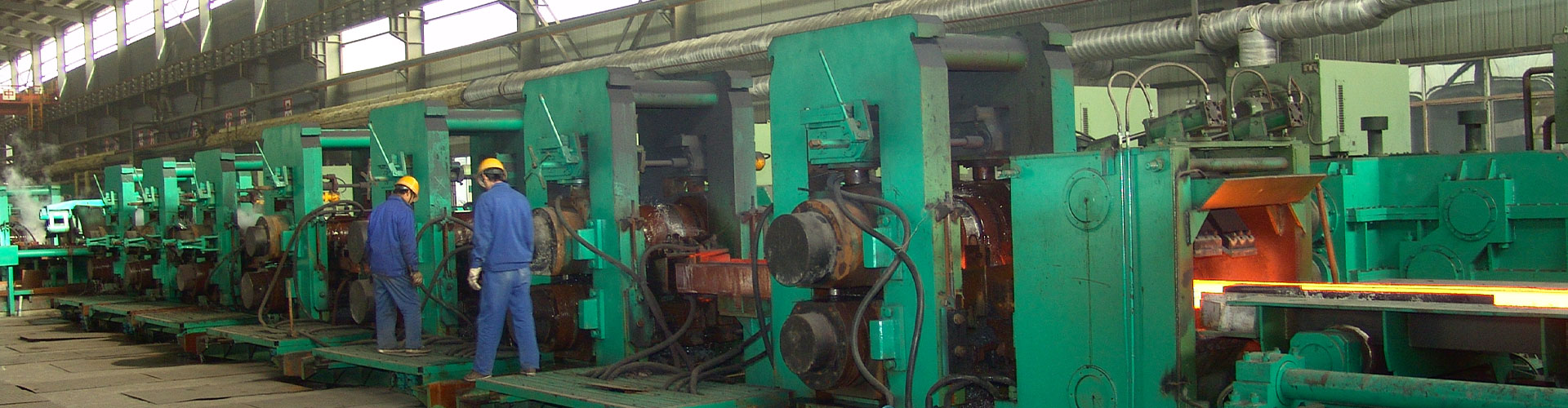
Wire Rod Production Process
Modern wire rod production involves several carefully controlled steps to achieve consistent quality. Understanding this process helps buyers appreciate the factors that influence product quality and pricing.
(BOF/EAF)
Refining
Кастинг
Reheating
Роллинг
Охлаждение
Critical Process Parameters
| Process Stage | Key Parameter | Типичное значение |
|---|---|---|
| Отопление заготовок | Температура печи | 1100-1200°С |
| Роллинг | Finishing Temperature | 900-1050°С |
| Роллинг | Скорость вращения | 80-120 РС |
| Лежащая голова | Laying Temperature | 800-950°С |
| Охлаждение | Скорость охлаждения | 0.5-15°С/с |
Industry Applications by Sector
Wire rod products find applications across virtually every industrial sector. The versatility of this material makes it indispensable in modern manufacturing.
🏗️ Construction Industry
Reinforcement bar (арматура) производство, prestressed concrete strands for bridges and buildings, tie wire for rebar installation, concrete mesh reinforcement, and anchor bolts for structural connections.
🚗 Automotive Sector
Engine valve springs, suspension springs, tire bead wire, cable controls, seat frame wire, крепежные детали (болты, винты, clips), and welding wire for body assembly.
⚡ Electrical Industry
ACSR conductor core wire for power transmission, ground wire, fence wire, cable armoring, and equipment grounding conductors.
🔩 Hardware Manufacturing
Гвозди, винты, болты, орехи, rivets, chain links, hooks, hangers, скобы, and general fastening products for construction and industrial use.
🪢 Wire Rope Industry
Elevator cables, crane hoist ropes, mining cables, bridge suspension cables, ski lift cables, and marine mooring lines.
Quality Standards and Testing
Wire rod quality is governed by various international and national standards. Manufacturers must comply with these specifications to ensure product reliability and customer satisfaction.
| Стандартный | Region | Coverage |
|---|---|---|
| ASTM A510 | США | Carbon steel wire rod |
| В 10017 | Европа | General purpose wire rod |
| JIS G 3505 | Япония | Low carbon steel wire rod |
| ГБ/Т 701 | Китай | Hot rolled carbon steel wire rod |
| ИСО 16120 | International | Non-alloy steel wire rod |
Common Quality Tests
- Химический анализ: Verifies carbon, марганец, кремний, sulfur, and phosphorus content
- Испытание на растяжение: Measures ultimate tensile strength, предел текучести, и удлинение
- Испытание на изгиб: Evaluates ductility and formability
- Осмотр поверхности: Detects cracks, швы, laps, and scale defects
- Dimensional Verification: Confirms diameter and ovality within tolerance
- Microstructure Examination: Assesses grain size, decarburization, and phase distribution
Selecting the Right Wire Rod Grade
Choosing the appropriate wire rod grade depends on your specific application requirements. Consider the following factors when making your selection:
Selection Criteria Checklist:
- Required strength level – Match tensile requirements to steel grade
- Drawing reduction ratio – Higher carbon grades allow less reduction
- Final product form – Wire, fastener, spring, welding consumable
- Surface quality needs – Critical for bright wire and spring applications
- Коррозионная стойкость – Consider stainless grades for harsh environments
- Heat treatment requirements – Some applications need specific microstructures
- Cost considerations – Balance performance needs with budget constraints
Storage and Handling Best Practices
Proper storage and handling of wire rod coils is essential to maintain product quality and prevent surface defects that could affect downstream processing.
Store coils under roof protection to prevent rain exposure. If outdoor storage is unavoidable, use waterproof covers and elevate coils on pallets to avoid ground moisture.
Stack coils no more than 3-4 layers high using proper coil saddles. Ensure even weight distribution to prevent deformation of bottom coils.
Use C-hooks or coil lifters designed for wire rod. Avoid dropping coils or rough handling that could cause edge damage or loose wraps.
Market Trends and Future Outlook
The global wire rod market continues to evolve with changing industry demands and technological advancements. Several trends are shaping the future of wire rod production and consumption:
- Higher strength grades: Automotive lightweighting drives demand for advanced high-strength wire rod
- Improved cleanliness: Critical applications require ultra-clean steel with minimal inclusions
- Green steel production: Carbon reduction initiatives promote hydrogen-based and electric arc furnace steelmaking
- Digital quality control: AI-based surface inspection and process optimization
- Supply chain localization: Regional production to reduce logistics costs and carbon footprint
Заключительные мысли
Wire rod remains a foundational material in global manufacturing. From the reinforcement bars in buildings to the springs in your car’s suspension, this versatile steel product enables countless applications that we rely on daily. Understanding the different grades, характеристики, and applications helps buyers and engineers make informed decisions for their specific needs.
Whether you’re sourcing carbon steel wire rod for general manufacturing, high-carbon grades for spring production, or stainless steel wire rod for corrosion-resistant applications, the key is matching material properties to end-use requirements. Work with reputable suppliers who can provide certified test reports and consistent quality to ensure your downstream processes run smoothly.