Understanding the Heart of Production: Choosing the Right Mill Rolls
In a high-speed wire rod mill, where steel billets are transformed into finished wire at speeds exceeding 100 метры в секунду, the mill rolls are the most critical components. They are the direct point of contact with the hot steel, shaping it with immense force and precision. The selection of the right roll material is not just a technical detail; it is a fundamental decision that directly impacts production efficiency, качество продукции, эксплуатационные расходы, and overall mill uptime. An incorrect choice can lead to premature wear, roll failure, costly downtime, and subpar wire rod quality.
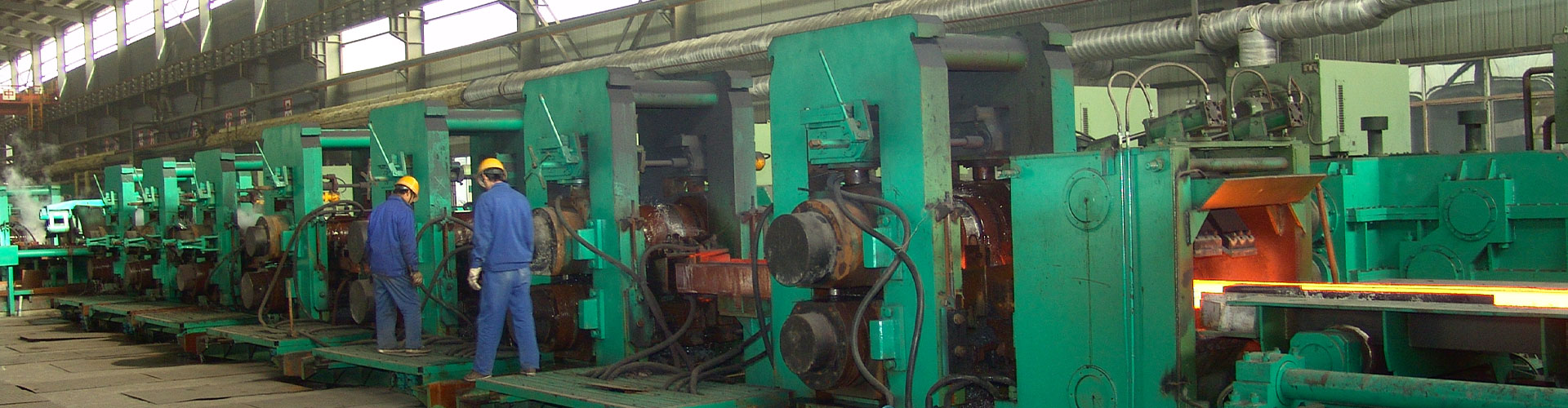
A modern high-speed wire rod mill is a long and complex line, typically consisting of 28 к 30 mill stands. These stands are grouped into distinct sections, each with unique operational demands. Поэтому, a one-size-fits-all approach to roll material selection is bound to fail. The key is to match the material properties to the specific challenges of each section of the mill: the roughing mill, промежуточная мельница, pre-finishing mill, and the high-speed finishing block.
Key Principle:
The ideal roll material changes as the steel travels through the mill. The focus shifts from toughness and thermal shock resistance in the initial stages to extreme wear resistance and dimensional stability in the final stages.
1. The Foundation: Стенды чернового стана
The roughing mill is where the journey begins. It receives the hot billet at very high temperatures and performs the initial, heavy reductions in cross-sectional area. The rolls in these first 4 к 8 stands face an incredibly harsh environment.
Operational Challenges:
- High Thermal Shock: The rolls are constantly cycling between contact with 1100°C steel and cooling water sprays, leading to thermal fatigue and cracking.
- High Mechanical Loads: The large reduction per pass creates immense bending and contact stresses on the rolls.
- Deep Grooves (Проходит): The deep passes required for initial shaping can concentrate stress, increasing the risk of fracture.
Recommended Materials:
For this stage, toughness and resistance to fracture are the top priorities.
- Pearlitic Nodular Cast Iron (Spheroidal Graphite Iron): This is a very common and effective choice. The graphite spheroids in its microstructure act as crack arrestors, giving it excellent resistance to catastrophic failure. It combines good strength with reliable thermal properties. Typical hardness is in the range of HSD 45-55.
- Alloy Semi-Steel: Another viable option, offering a good balance of wear resistance and toughness. It provides reliable performance and is a cost-effective solution for the demanding conditions in the roughing stands. Typical hardness is around HSD 45-50.
2. The Workhorse: Промежуточные клети стана
After the roughing mill, the bar enters the intermediate mill. Здесь, the rolling speed increases, and the focus begins to shift from pure toughness towards achieving better surface quality and dimensional control.
Operational Challenges:
- Increased Wear: Higher speeds and smaller cross-sections mean more length of product passes through the grooves, increasing abrasive wear.
- Поверхностная обработка: The surface of the roll must resist roughening and oxidation to ensure a smooth surface on the wire rod.
Recommended Materials:
The materials here need higher hardness and better wear resistance while retaining adequate toughness.
- High-Hardness Pearlitic Nodular Cast Iron: Similar to the material used in roughing stands but with a higher hardness, обычно HSD 60-70, to provide improved wear resistance.
- Alloy Indefinite Chilled Nodular Cast Iron: This material offers a superior working surface. The “chilled” layer has a very fine grain structure with finely dispersed graphite and carbides, providing excellent wear resistance and the ability to develop a smooth, polished surface during operation.
3. The Critical Link: Pre-Finishing Mill Stands
The pre-finishing mill acts as a bridge between the intermediate mill and the ultra-high-speed finishing block. Its role is crucial: to prepare the rod with precise dimensions and a flawless surface, ensuring a stable and trouble-free entry into the final stands. Any issues here will be magnified in the finishing block.
Operational Challenges:
- High Precision Requirement: The dimensional tolerance of the rod becomes much tighter.
- Balance of Properties: The rolls need a combination of very high wear resistance and sufficient strength to handle high speeds without failure.
Recommended Materials:
This is where advanced materials become the preferred choice. While some older mills might use Tungsten Carbide rings, their inherent brittleness poses a fracture risk. The modern industry standard has shifted.
- Быстрорежущая сталь (HSS) Роллы: HSS is an excellent choice for pre-finishing stands. It contains a high volume of hard carbides (like vanadium and tungsten carbides) in a tough steel matrix. This gives it fantastic wear resistance, good thermal stability, and much higher toughness compared to tungsten carbide.
- Centrifugal Composite Rolls/Rings: These rolls often feature a high-performance outer shell, such as HSS or a similar high-alloy material, metallurgically bonded to a tougher, more ductile core. This composite structure provides the best of both worlds: a super wear-resistant working surface and a strong, fracture-resistant core. They offer performance that can be up to 3 times better than high-nickel-chromium indefinite chilled iron.
4. The Final Touch: Чистовой стан (No-Twist Block)
The finishing block is the pinnacle of wire rod rolling technology. It’s a compact series of stands that perform the final reductions at incredible speeds. The demands on the roll rings in this section are absolute and non-negotiable.
Operational Challenges:
- Extreme Speed: Finishing speeds can easily surpass 100 РС (360 km/h).
- Ultimate Precision: The final diameter of the wire rod is determined here, requiring the roll pass to maintain its exact profile for long campaigns.
- Maximum Wear Resistance: Any wear in the groove immediately affects the product’s dimensional accuracy and ovality.
The Only Choice: Карбид вольфрама (TC) Roll Rings
For the high-speed finishing block, there is currently no viable substitute for Карбид вольфрама (TC). These rings are made from a composite material where extremely hard tungsten carbide particles are cemented together by a metallic binder, typically cobalt (Сопутствующий).
The incredible hardness of the tungsten carbide particles provides unparalleled wear resistance, allowing the pass grooves to maintain their precise shape for thousands of tons of production. This ensures consistent product quality and long rolling campaigns, which are essential for the economics of a high-speed mill. Without TC rings, achieving modern rolling speeds and quality standards would be impossible.
Summary: Material Selection at a Glance
The following table provides a quick reference guide for selecting the appropriate roll material based on the mill section and its specific demands.
| Mill Stand | Primary Challenges | Recommended Material | Typical Hardness | Ключевые преимущества |
|---|---|---|---|---|
| Черновой стан | High temperature, thermal shock, heavy mechanical load | Pearlitic Nodular Cast Iron, Alloy Semi-Steel | HSD 45-55 | Excellent toughness, fracture resistance, good bite |
| Промежуточная мельница | Increased wear, Требования к отделке поверхности | High-Hardness Nodular Iron, Indefinite Chilled Iron | HSD 60-70 | Good wear resistance, resistance to surface roughening |
| Предчистовая мельница | Высокая точность, balance of wear resistance and strength | Быстрорежущая сталь (HSS), Centrifugal Composite Rolls | HSD 80-90+ | Superior wear resistance with good toughness, cost-effective performance |
| Finishing Mill Block | Extreme speed, ultimate precision and wear resistance | Карбид вольфрама (TC) Rings | ~1500 HV30 | Unmatched wear resistance, ensures dimensional stability |
В конечном счете, investing in the correct, high-quality roll materials for each stage of a high-speed wire rod mill is a strategic decision. It pays dividends through longer roll life, fewer unscheduled mill stoppages, consistently high-quality products, and a more profitable operation. As material science continues to advance, we can expect even more specialized and higher-performing roll materials that will push the boundaries of speed and efficiency in the years to come.