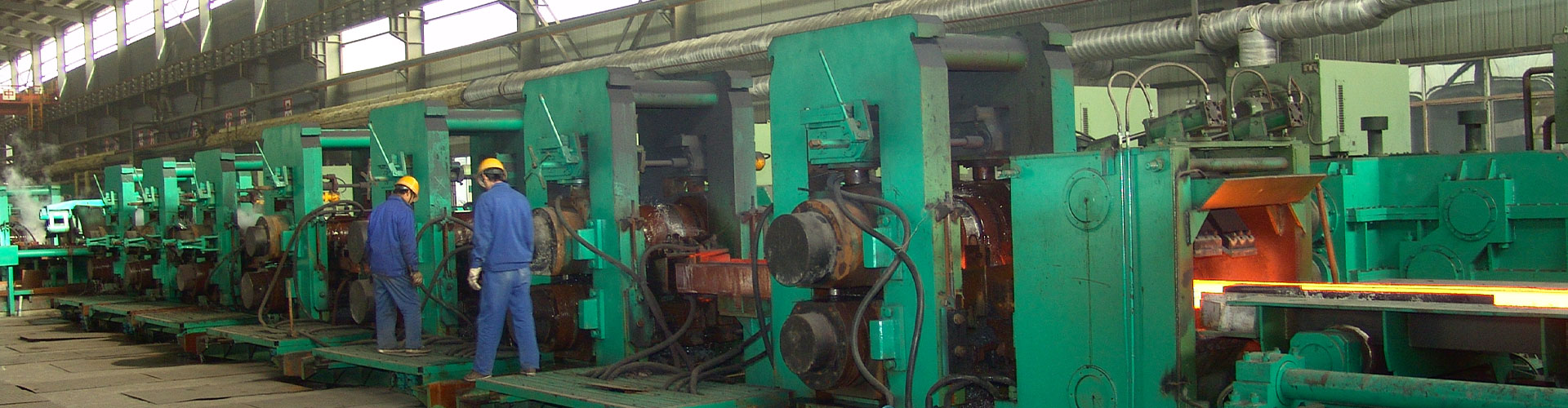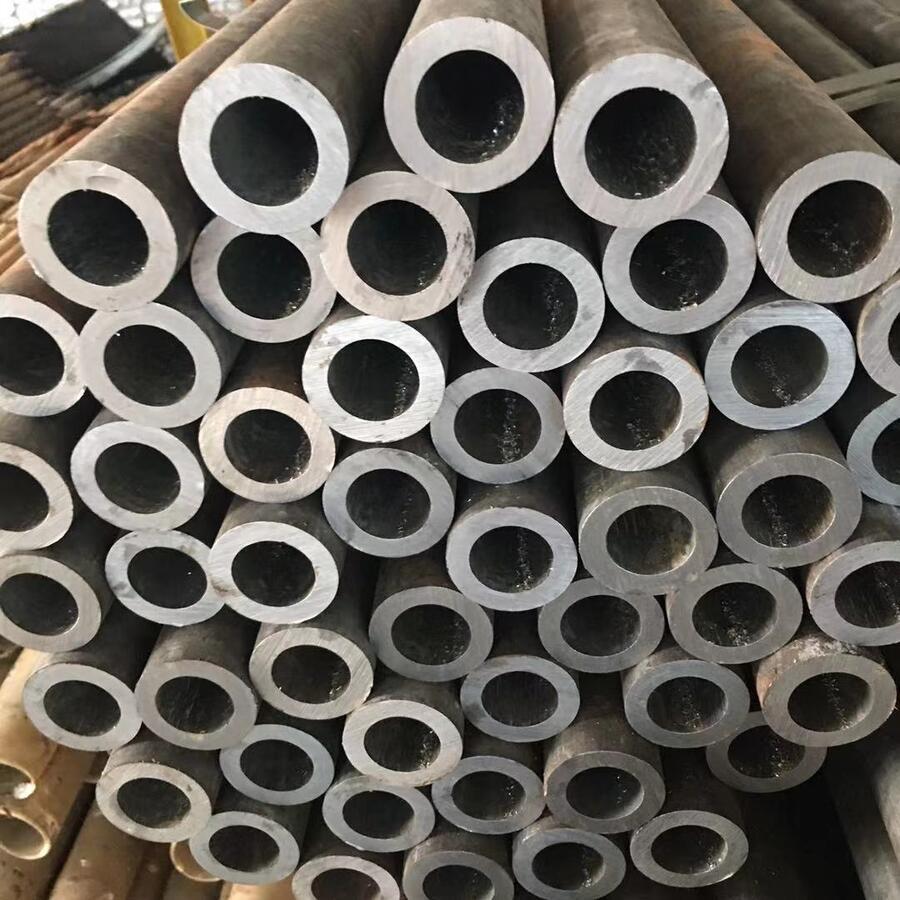
В высококонкурентной металлообрабатывающей отрасли, прокатный стан является одним из наиболее ответственных агрегатов в производстве стали и цветных металлов. Что отличает лидера рынка от среднего производителя? Ответ кроется в исследованиях и разработках. (Р&Дюймовый) и инновационные дизайнерские возможности. Компании, которые вкладывают значительные средства в технологии прокатных станов, постоянно превосходят своих конкурентов по эффективности., качество продукции, и доля рынка.
Почему Р&D Вопросы в прокатном производстве
Современная сталелитейная промышленность требует постоянного развития. Жизненный цикл продукции становится короче, требования клиентов становятся все более конкретными, и экологические нормы ужесточаются. Производитель прокатного стана без сильного R&Возможности D быстро отстанут. Основным конкурентным преимуществом любого предприятия сегодня является его способность самостоятельно внедрять инновации..
Учтите этот факт: скорость прокатки резко возросла за последние несколько десятилетий. Первые проволочные станы работали со скоростью около 34 РС. Сегодня, современные высокоскоростные проволочные станы достигают скоростей прокатки, превышающих 135 РС. Это четырехкратное улучшение произошло не случайно.. Это результат многолетних целенаправленных исследований., тестирование, и оптимизация дизайна.
Ключевые преимущества Strong R&Д Инвестиции
- Более высокая эффективность производства и производительность
- Повышенная точность размеров и качество поверхности.
- Снижение энергопотребления на тонну продукта
- Снижение затрат на техническое обслуживание и увеличение срока службы оборудования.
- Возможность обработки новых марок сталей и сплавов.
- Конкурентное преимущество в тендерах на крупные проекты
Критические компоненты, требующие постоянного улучшения конструкции
Полная производственная линия прокатного стана состоит из множества взаимосвязанных систем.. Каждый компонент играет жизненно важную роль в определении общей производительности.. Рассмотрим ключевое оборудование, где R&Усилия D приносят наибольшую отдачу.
Предварительно-чистовая группа мельниц
Группа станков предварительной чистовой обработки выполняет промежуточные этапы обжатия.. Современные конструкции направлены на достижение точного контроля температуры и постоянства размеров поперечного сечения.. Инженеры работают над тем, чтобы свести к минимуму различия в натяжении между стойками., что напрямую влияет на качество продукции. Усовершенствованные станы предварительной чистовой обработки теперь оснащены системами автоматической регулировки зазора между валками, которые за миллисекунды реагируют на изменения процесса..
Группа отделочных станков
Группа чистового стана определяет конечные размеры и качество поверхности проката.. Здесь прецизионное машиностроение имеет наибольшее значение.. Ведущие производители разработали блоки чистовой обработки, способные производить катанку с допуском на диаметр ±0,10 мм и выше.. Конструкция рулонных проходов, подшипниковые системы, и системы охлаждения требуют обширных исследований для достижения таких жестких характеристик..
Прижимные роликовые агрегаты
Прижимные ролики контролируют скорость и натяжение материала при его движении по линии.. Их конструкция должна учитывать высокие температуры., быстрое ускорение, и точная синхронизация скорости. Р&Команды D постоянно работают над улучшением рулонных материалов, несущий жизнь, и отзывчивость системы привода. Хорошо спроектированный блок прижимных роликов может работать со скоростями подачи проволоки выше 120 м/с, не вызывая дефектов поверхности.
Лежащая голова
Укладочная головка, пожалуй, самый требовательный компонент высокоскоростного проволочного стана.. Он должен формировать из быстродвижущегося стержня однородные витки при работе на экстремальных скоростях вращения.. Современные укладочные головки вращаются со скоростью более 3,000 Число оборотов в минуту при обработке проволоки, движущейся со скоростью 135 РС. Для достижения этой производительности требуются современные материалы., точное производство, и инновационные конструкции труб, разработанные в результате многолетних исследований..
Технические параметры: Эволюция через R&Дюймовый
В следующей таблице показано, как производительность прокатного стана улучшилась по сравнению с оборудованием разных поколений.. Эти достижения были достигнуты непосредственно благодаря устойчивому R&D инвестиции и инновации в дизайне.
| Параметр | 1980поколение | 2000поколение | Текущее поколение |
|---|---|---|---|
| Максимальная скорость катания | 34 РС | 85 РС | 135 РС |
| Диапазон диаметров катанки | 5.5 – 16 мм | 5.0 – 20 мм | 4.5 – 25 мм |
| Допуск на диаметр | ±0,30 мм | ±0,15 мм | ±0,08 мм |
| Годовые производственные мощности | 300,000 тонны | 600,000 тонны | 1,000,000+ тонны |
| Энергопотребление | 85 кВтч/тонна | 65 кВтч/тонна | 50 кВтч/тонна |
| Скорость булыжника | 2.5% | 0.8% | 0.2% |
Типы прокатных станов и проблемы их проектирования
Различные конфигурации прокатных станов удовлетворяют различные производственные потребности.. Каждый тип представляет собой уникальные задачи проектирования, требующие специализированных исследований.&Внимание.
| Тип мельницы | Продукция | Ключевой фокус дизайна | Типичная скорость |
|---|---|---|---|
| Проволочный стан | Катанка 4.5-25 мм | Стабильность на высоких скоростях, укладка головы производительность | До 135 РС |
| Барная мельница | Репортаж, раунды 8-50 мм | Многоручьевая прокатка, точность размеров | До 45 РС |
| Секция Мельница | Углы, каналы, балки | Универсальный дизайн стенда., контроль толщины полотна | До 18 РС |
| Стан горячей прокатки | Плоский прокат 1-25 толщина мм | Контроль плоскостности, регулировка заводной головки | До 25 РС |
| Стан холодной прокатки | Тонкая полоска 0.1-3 мм | Чистота поверхности, точность толщины | До 30 РС |
Процесс проектирования: От концепции к производству
Разработка нового прокатного стана или усовершенствование существующей конструкции включает в себя несколько этапов.. Каждый этап требует специальных знаний и значительных ресурсов..
📋 Сцена 1: Анализ рынка
Понимание потребностей клиентов, выявление пробелов в современных технологиях, и определение целевых показателей производительности для нового дизайна. Это включает в себя изучение продуктов конкурентов и тенденций отрасли..
🔬 Сцена 2: Разработка концепции
Инженеры создают несколько концепций дизайна и оценивают их на соответствие требованиям.. Компьютерное моделирование и анализ конечных элементов помогают прогнозировать производительность до создания прототипов..
⚙️Сцена 3: Детальное проектирование
Выбранная концепция превращается в полные производственные чертежи.. Выбор материала, анализ толерантности, и процедуры сборки завершаются на этом этапе.
🧪 Сцена 4: Тестирование прототипа
Физические прототипы проходят строгие испытания в реальных условиях эксплуатации.. Данные о производительности собираются и анализируются для проверки проекта или определения областей, требующих улучшения..
Реальное влияние: Какой продвинутый R&D доставляет
Фраза «делать то, что другие не могут сделать» отражает суть успешного R.&Стратегия D в прокатном производстве. Компании, расширяющие технологические границы, получают значительные конкурентные преимущества. Вот конкретные примеры того, чего достигли устойчивые инвестиции в исследования.:
Заметные достижения в технологии прокатных станов
- Блоки высокоскоростной чистовой обработки катанки способный катиться на 135 м/с с превосходной стабильностью размеров
- Чистовые фрезы без крутки которые устраняют скручивающее напряжение и улучшают механические свойства
- Редукционно-калибровочные станы которые позволяют быструю смену продукта с минимальным временем простоя
- Передовые системы охлаждения обеспечивающие точный контроль температуры при термомеханической обработке
- Интеллектуальные системы автоматизации которые оптимизируют параметры прокатки в режиме реального времени
Технические характеристики современных высокоскоростных проволочных станов
Для инженеров-технологов, оценивающих прокатное оборудование, В следующей таблице приведены справочные характеристики современной высокопроизводительной линии для производства проволоки..
| Спецификация Пункт | Типичное значение |
|---|---|
| Размер заготовки | 150 × 150 мм до 165 × 165 мм, длина 12 м |
| Готовая продукция | Ø 4.5 мм в Ø 25 катанка мм |
| Максимальная скорость отделки | 135 РС (для Ø 5.5 мм) |
| Годовая мощность | 800,000 к 1,200,000 тонны |
| Черновой стан | 6 стоит, горизонтальное/вертикальное расположение |
| Промежуточная мельница | 6 стоит, горизонтальное/вертикальное расположение |
| Предчистовая мельница | 4-6 стоит, консольная конструкция |
| Финишный блок без перекручивания | 10 стоит, 45° чередующееся расположение |
| Редукционно-калибровочный стан | 4 стоит, высокоточная калибровка |
| Скорость укладки головы | До 3,200 об/мин |
| Вес катушки | 2,000 к 2,500 кг |
| Размерный допуск | ±0,10 мм (стандартный), ±0,08 мм (точность) |
Инновационные материалы в компонентах прокатных станов
Р&Усилия D выходят за рамки механического проектирования и включают разработку передовых материалов.. Тяжелые условия эксплуатации прокатного стана — высокие температуры., тяжелые грузы, и абразивные условия — требуются специальные материалы.
| Компонент | Тип материала | Ключевые свойства |
|---|---|---|
| Рабочие рулоны | Карбид вольфрама, быстрорежущая сталь | Твердость 85-92 HRA, износостойкость |
| Роликовые подшипники | Керамический гибрид, специальная сталь | Высокая скорость, термическая стабильность |
| Укладка головных труб | Закаленная легированная сталь с покрытием | Устойчивость к истиранию, гладкая поверхность |
| Гиды и охранники | Твердосплавные вставки, керамические композиты | Увеличенный срок службы, низкое трение |
| Поверхности прижимных валков | Накладка из карбида вольфрама | Последовательность захвата, устойчивость к термическому удару |
Оптимизация продукта: Цикл непрерывного улучшения
Успешные производители прокатных станов понимают, что R&D не заканчивается, когда продукт поступает в производство. Постоянное совершенствование на основе данных о производительности на местах имеет важное значение для поддержания технологического лидерства..
Отзывы клиентов дают ценную информацию о реальных условиях эксплуатации, которую лабораторные испытания не могут полностью воспроизвести.. Ведущие производители поддерживают тесные отношения со своими клиентами., сбор данных о производительности и включение извлеченных уроков в обновления продуктов.
Элементы эффективной оптимизации продукта
Мониторинг производительности: Отслеживание фактических и. прогнозируемые показатели производительности
Анализ отказов: Расследование сбоев компонентов для выявления основных причин
Бенчмаркинг: Сравнение производительности с лучшими отраслевыми практиками
Обновления дизайна: Внедрение улучшений в новые производственные партии
Проблемы, стоящие перед прокатным станом R&Д Сегодня
Хотя важность R&Д ясно, Производители прокатных станов сталкиваются с серьезными проблемами в своей исследовательской деятельности. Понимание этих проблем помогает объяснить, почему лишь немногие компании достигают настоящего технологического лидерства..
Высокие затраты на разработку
Разработка новой детали прокатного стана может потребовать инвестиций в миллионы долларов в течение нескольких лет.. Только компании с сильными финансовыми ресурсами могут поддерживать такие программы..
Приобретение талантов
Найти инженеров, обладающих как теоретическими знаниями, так и практическим опытом работы на прокатных станах, становится все труднее.. Обучение новых талантов требует многолетнего практического опыта.
Ограничения тестирования
Полномасштабные испытания высокоскоростного прокатного оборудования требуют доступа на производственные мощности. Лабораторные испытания могут моделировать только часть реальных условий эксплуатации..
Защита интеллектуальной собственности
Защита инноваций от копирования требует постоянной бдительности. На некоторых рынках слабая защита прав интеллектуальной собственности., что затрудняет восстановление R&Д инвестиции.
Построение эффективного R&D Организация
Для производителей прокатных станов, стремящихся укрепить свои R&возможности D, организационная структура имеет такое же значение, как и распределение бюджета. Наиболее успешные компании имеют определенные организационные характеристики..
Первый, они интегрируют R&D тесно связан с производственными операциями. Инженеры-конструкторы, понимающие производственные реалии, создают более практичные решения. Второй, они поддерживают долгосрочные отношения с исследовательскими институтами и университетами, получение доступа к фундаментальным исследованиям, которые в противном случае могли бы быть недоступны. Третий, они устанавливают четкие процессы для продвижения идей от концепции до коммерциализации, избежать распространенной ловушки исследовательских проектов, которые никогда не выходят на рынок.
Будущие направления в технологии прокатных станов
Заглядывая в будущее, несколько технологических тенденций будут определять прокатный стан R&D приоритеты на ближайшие годы. Понимание этих тенденций помогает производителям сосредоточить свои инвестиции в исследованиях там, где они принесут наибольшую отдачу..
Новые технологические области
Технология цифрового двойника
Создание виртуальных копий прокатного оборудования для профилактического обслуживания, оптимизация процесса, и обучение операторов. Эта технология позволяет тестировать сценарии эксплуатации без риска для реального оборудования..
Интеграция искусственного интеллекта
Использование алгоритмов машинного обучения для оптимизации параметров прокатки в режиме реального времени, прогнозировать отказы оборудования, и улучшить контроль качества. Системы искусственного интеллекта могут обрабатывать больше данных, чем люди-операторы, и выявлять закономерности, которые в противном случае могли бы остаться незамеченными..
Повышение энергоэффективности
Разработка более эффективных систем привода, решения по рекуперации тепла, и оптимизация процессов для снижения энергопотребления. Экологические нормы и затраты на электроэнергию делают эту область исследований все более важной..
Расширенная обработка материалов
Проектирование прокатных станов, способных перерабатывать новые марки сталей, в том числе современные высокопрочные стали., специальные сплавы, и материалы для электромобилей.
Практические рекомендации для операторов мельниц
Для производителей стали, эксплуатирующих прокатные станы, работа с поставщиками оборудования, имеющими сильный R&Возможности D предлагают несколько практических преимуществ:
- Доступ к новейшим технологическим усовершенствованиям посредством модернизации оборудования
- Улучшенная техническая поддержка, основанная на глубоком знании продукта
- Индивидуальные решения для конкретных производственных задач
- Запасные части рассчитаны на более длительный срок службы
- Программы обучения, включающие новейшие методы работы
При оценке поставщиков прокатных станов, не ограничивайтесь первоначальной ценой, чтобы оценить их R.&послужной список D. Спросите о последних улучшениях продукта, патентный портфель, и квалификация инженерной команды. Поставщик с сильными исследовательскими возможностями обеспечит большую долгосрочную выгоду за счет превосходной производительности оборудования и постоянной поддержки..
Итог
В прокатном производстве, Р&D и совершенство дизайна не являются обязательными — они необходимы для выживания. Постоянная разработка новых продуктов и оптимизация существующего оборудования создают основу для расширения присутствия на рынке и ведущего развития отрасли.. Компании, которые овладеют этой способностью, будут процветать. Те, кто этого не сделает, постепенно уступят позиции более инновационным конкурентам.. Для всех, кто занимается производством стали или поставками прокатных станов., понимание и оценка важности исследований и разработок — первый шаг к долгосрочному успеху..