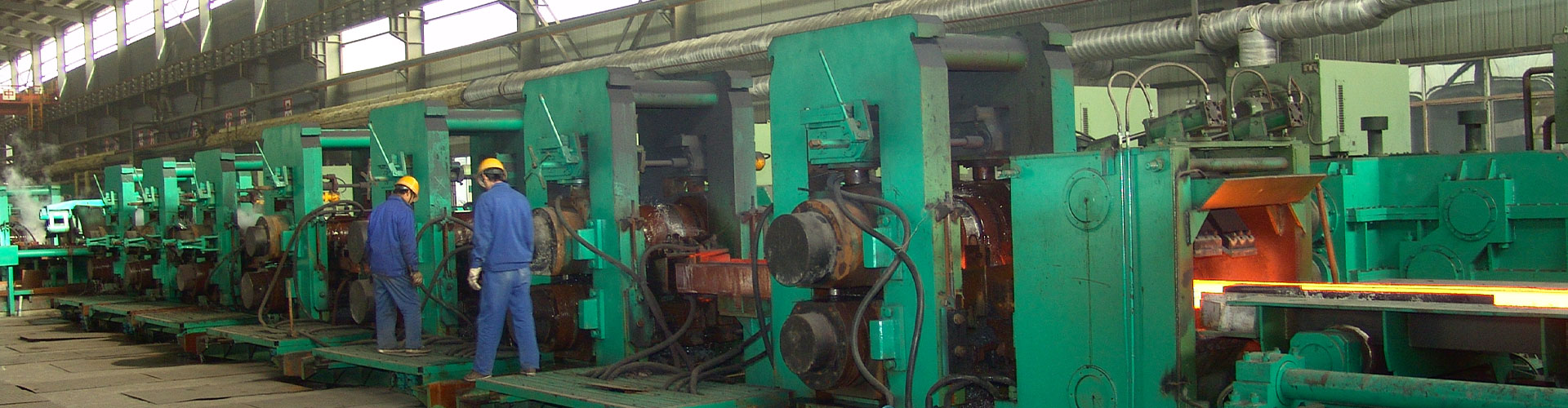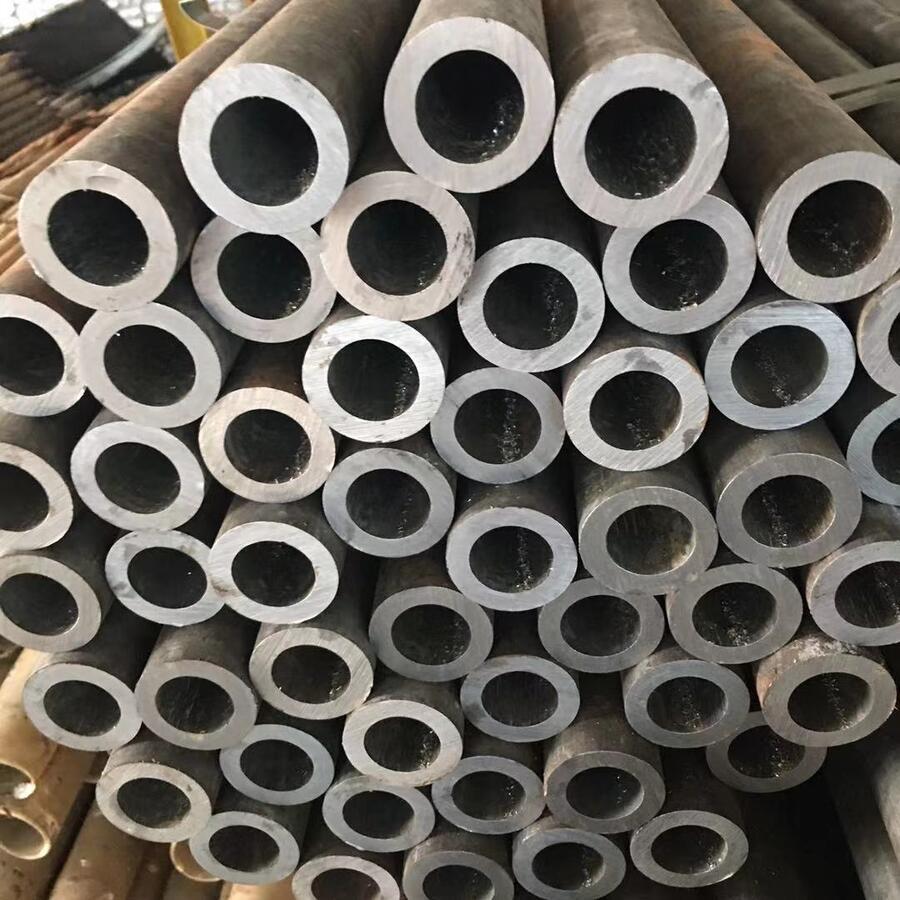
Высокоскоростные проволочные станы с 1 годовая мощность в миллионы тонн представляет собой самую передовую технологию производства в отрасли производства стальной проволоки.. Эти огромные промышленные предприятия превращают необработанную стальную заготовку в высококачественную катанку, используемую в строительстве., автомобильный, машины, и множество других приложений. Понимание полного процесса технологического процесса помогает инженерам, руководители заводов, и профессионалы отрасли оптимизируют свою деятельность и достигают максимальной эффективности.
Что делает 1 Специальный стан для катанки на миллион тонн?
Линия по производству катанки с 1 млн тонн годовой мощности работает примерно 7,200 часов в год. Это означает, что завод должен перерабатывать около 139 тонн стали каждый час, требующая точной координации между всем оборудованием и системами.
Этап 1: Подготовка сырья
Путь производства катанки начинается с высококачественной стальной заготовки. Для высокоскоростного проволочного стана мощностью в миллион тонн, качество сырья напрямую влияет на характеристики конечного продукта.
Методы производства заготовок
Стальные заготовки поступают на проволочный стан по двум основным производственным маршрутам.:
- Непрерывное литье: Расплавленная сталь течет в медные формы с водяным охлаждением, где она затвердевает в непрерывные пряди.. Этот метод дает примерно 95% заготовок, используемых на современных проволочных станах.
- Электродуговая печь (ЭДП): Переработанный металлолом плавится в высокотемпературных электрических дугах, затем отливается в заготовки. Этот экологически чистый подход снижает выбросы углекислого газа до 75% по сравнению с традиционными доменными методами.
Стандартные характеристики заготовок
Требования к проверке заготовок
Перед входом в производственную линию, каждая заготовка проходит строгий контроль:
Проверка размеров
Автоматические лазерные измерительные системы проверяют размеры заготовок в нескольких точках по длине..
Химический анализ
Спектрометрические испытания подтверждают наличие углерода, марганец, кремний, и содержимое другого элемента соответствует спецификациям.
Качество поверхности
Визуальный и магнитопорошковый контроль выявляет трещины., швы, и другие дефекты поверхности.
Этап 2: Нагрев заготовки в нагревательной печи
Нагревательная печь служит сердцем секции нагрева высокоскоростного проволочного стана.. Холодные заготовки поступают в печь и выходят при температуре от 1050°C до 1200°C., готов к прокатке.
Технология печи с шагающими балками
Современные проволочные станы производительностью миллион тонн используют печи подогрева с шагающими балками.. Эта конструкция имеет ряд преимуществ по сравнению со старыми печами толкательного типа.:
- Равномерный нагрев по всей длине заготовки
- Снижение образования накипи (меньше, чем 1% материальные потери)
- Улучшенный контроль температуры с точностью ±10°C
- Более высокая топливная эффективность (до 55% тепловой КПД)
- Гибкое планирование производства с возможностью холодной/теплой/горячей зарядки.
Конфигурация зоны печи
💡 Совет по производству: Для 1 Проволочный стан мощностью в миллион тонн в год, нагревательная печь должна выдерживать 140-150 тонн в час. Для этого необходима печь с как минимум 200 номинальная производительность т/ч, обеспечивающая окна технического обслуживания и гибкость производства.
Этап 3: Процесс прокатного стана
В процессе прокатки на высокоскоростных проволочных станах квадратные заготовки превращаются в круглые прутки посредством серии тщательно спроектированных прокатных проходов.. Типичная линия производительностью в миллион тонн состоит из трех основных прокатных секций..
Секция чернового стана
Черновой стан получает горячие заготовки прямо из печи и начинает процесс измельчения.. Ключевые характеристики включают в себя:
Промежуточная секция мельницы
Промежуточный стан продолжает процесс прокатки с меньшими диаметрами валков и более высокими скоростями.. Этот раздел обычно содержит 6 к 8 стенды расположены в горизонтально-вертикальной конфигурации.
Технические характеристики промежуточной мельницы
- Диаметр рулона: Ø400 мм – Ø450 мм
- Моторная мощность: 600 кВт – 1,000 кВт на стойку
- Скорость вращения: 5 РС - 15 РС
- Общее сокращение: 75% – 85%
- Выход Размер: Ø18 мм – Ø22 мм круглый
Предварительно-чистовые и чистовые фрезерные блоки
Отделочная часть высокоскоростного проволочного стана определяет качество конечного продукта.. Современные фрезерные станки используют чистовые блоки без скручивания, которые обеспечивают исключительную точность..
Скорость прокатки в зависимости от диаметра катанки
Высокоскоростные проволочные станы регулируют скорость чистовой обработки в зависимости от желаемого диаметра катанки.. Вот типичные скорости для продуктов разных размеров.:
Этап 4: Контролируемая система охлаждения (Стелмор Лайн)
Система контролируемого охлаждения Stelmor представляет собой одну из наиболее ответственных секций высокоскоростных проволочных станов.. Эта система напрямую контролирует металлургические свойства конечного продукта..
Операция укладки головы
После выхода из финишного блока, катанка проходит через укладочную головку, образующую непрерывные петли (катушки) на охлаждающем конвейере. Укладочная головка вращается со скоростью, соответствующей скорости проволоки., создание однородных петель с диаметрами между 1,050 мм и 1,200 мм.
Технические характеристики конвейера Stelmor
Режимы охлаждения для разных марок стали
Различные марки стали требуют особых стратегий охлаждения для достижения желаемых механических свойств.:
🔵 Стандартное охлаждение
Скорость охлаждения: 5 – 10°С/с
Приложения: Низкоуглеродистая сталь, строительная арматура
Работа вентилятора: 40% – 60% емкость
🟠 Замедленное охлаждение
Скорость охлаждения: 1 – 3°С/с
Приложения: Холодная высадка стали, сварочная проволока
Метод: Изоляционные крышки закрыты
🟣 Быстрое охлаждение
Скорость охлаждения: 15 – 25°С/с
Приложения: Высокоуглеродистая сталь, пружинная проволока
Работа вентилятора: 80% – 100% емкость
Этап 5: Формирование и обработка рулонов
После охлаждения, петли катанки собираются в камере реформинга, где они складываются в компактные бухты. Система перемещения рулонов на высокоскоростных проволочных станах должна работать эффективно, чтобы соответствовать высокой производительности..
Реформаторская палата и формирование катушки
В камере реформинга используется вращающийся диафрагменный механизм или отводная трубка для сбора петель катанки в вертикальные катушки.. Ключевые характеристики включают в себя:
- Внутренний диаметр катушки: 850 мм – 900 мм
- Внешний диаметр катушки: 1,200 мм – 1,350 мм
- Высота катушки: 1,800 мм – 2,500 мм
- Вес катушки: 2,000 кг - 2,500 кг
- Плотность катушки: 350 кг/м³ – 450 кг/м³
Уплотнение и связывание рулонов
Станция уплотнения сжимает свободные рулоны, чтобы увеличить плотность и облегчить погрузочно-разгрузочные работы.. Современные компакторы уменьшают высоту рулона на 30% к 40%, создание плотных упаковок для эффективного хранения и транспортировки.
Система связывания: Применяются автоматические связующие машины 4 к 6 стальные ремни вокруг каждой катушки. Материал ремешка обычно состоит из 32 мм × 0.8 мм полоса из высокопрочной стали с пределом прочности более 700 МПа.
Этап 6: Контроль качества и инспекция
Контроль качества на высокоскоростных проволочных станах включает непрерывный мониторинг на протяжении всего производственного процесса, а также окончательную проверку перед отправкой..
Линейные измерительные системы
Требования к лабораторным испытаниям
Каждая производственная партия проходит лабораторные испытания для проверки механических и химических свойств.:
- Испытание на растяжение: Измеряет предел текучести, предел прочности, и удлинение
- Химический анализ: Спектрометрическая проверка C, Мин., И, П, С, и другие элементы
- Металлографическая экспертиза: Оценка микроструктуры по размеру зерен и распределению фаз
- Проверка качества поверхности: Визуальный и размерный контроль образцов
- Испытание твердости: Измерение твердости по Роквеллу или Виккерсу
Полный список оборудования для проволочного стана
Высокоскоростной проволочный стан с 1 годовая мощность в миллион тонн требует масштабных инвестиций в оборудование. Ниже приведен полный список оборудования с типичными характеристиками.:
Ассортимент продукции и области применения
Высокоскоростные проволочные станы с 1 мощности в миллион тонн производят катанку для различного промышленного применения. Ассортимент продукции охватывает различные марки и размеры стали..
Стандартные характеристики продукта
Энергопотребление и коммунальные услуги
Эксплуатация высокоскоростного проволочного стана с 1 годовая мощность в миллион тонн требует значительных энергетических и коммунальных ресурсов. Понимание этих требований помогает при планировании и оценке затрат..
Требования к планировке и пространству
Планирование высокоскоростного проволочного стана требует тщательного рассмотрения пространства и планировки.. Для линии производительностью в миллион тонн обычно требуется:
Упаковка и доставка
Завершающий этап производства катанки включает в себя правильную упаковку для защиты продукции во время хранения и транспортировки..
Стандартная конфигурация упаковки
- Стальная лента: 4-6 лямки по периметру плюс 2 радиальные ленты на катушку
- Защитная упаковка: ВКИ (Ингибитор паровой коррозии) бумага или полиэтиленовая пленка для экспортных заказов
- Защита края: Картонные или пластиковые угловые ограждения предотвращают повреждение ремешка.
- Идентификационные теги: Устойчивые к атмосферным воздействиям бирки с плавким номером, оценка, размер, и информация о весе
Склад и логистика
Проволочный стан мощностью в миллион тонн требует значительных складских мощностей и эффективных систем логистики.. Типичные требования включают в себя:
- Зона хранения готовой продукции: 10,000 – 15,000 м² (7-10 дневная производственная мощность)
- Грузоподъемность мостового крана: 20 – 30 тонн с приспособлениями для перемещения рулонов
- Погрузочные площадки для грузовиков: 6 – 10 места для 30-тонных грузовиков
- Возможность железнодорожного разъезда: Опционально для оптовых поставок
- Система отслеживания запасов рулонов: Цифровое управление на основе RFID или штрих-кода
Основные выводы о работе проволочного стана
Высокоскоростные проволочные станы с 1 годовая мощность в миллионы тонн представляет собой сложные производственные системы, требующие тщательного проектирования., точный контроль процесса, и постоянный контроль качества. Успех зависит от:
- Стабильное качество сырья от поставщиков заготовок
- Оптимальная работа печи с равномерным распределением температуры
- Точная настройка и обслуживание прокатного стана
- Соответствующие стратегии охлаждения для различных марок стали
- Строгий контроль качества на протяжении всего процесса
Описанная выше последовательность операций представляет собой передовой опыт в отрасли производства катанки.. Фактические параметры могут отличаться в зависимости от конфигурации конкретного оборудования., требования к продукту, и местные условия эксплуатации. Инженерам и руководителям предприятий следует консультироваться с поставщиками оборудования и техническими экспертами при проектировании или оптимизации своих производственных линий..