Понимание работы стана для прутков и проволоки: Практическое руководство
Если вы работаете на производстве стали, вы знаете, насколько важны эффективные процессы прокатки. Прокатные станы для прутков и катанки превращают необработанную стальную заготовку в повседневную продукцию, такую как строительная арматура или автомобильная проволока.. В этом руководстве описаны реальные шаги., оборудование, и характеристики, которые вы можете использовать ежедневно. Никаких ворсинок – просто прозрачный, практические детали, основанные на реальных настройках мельницы. Давайте углубимся в то, как эти системы работают бесперебойно и обеспечивают высокую производительность..
От заготовки до готового продукта: Пошаговый процесс
Все начинается с горячей стальной заготовки. Большинство заводов используют непрерывнолитые заготовки размером 150 x 150 x 12 000 мм., доставка прямо из МНЛЗ при температуре 1000–1100°C. Эта «горячая зарядка» экономит энергию, пропуская повторный нагрев.. Заготовка поступает в стан и проходит через ряд прокатных клетей.. Каждая стойка немного уменьшает сечение, постепенное формование стали.
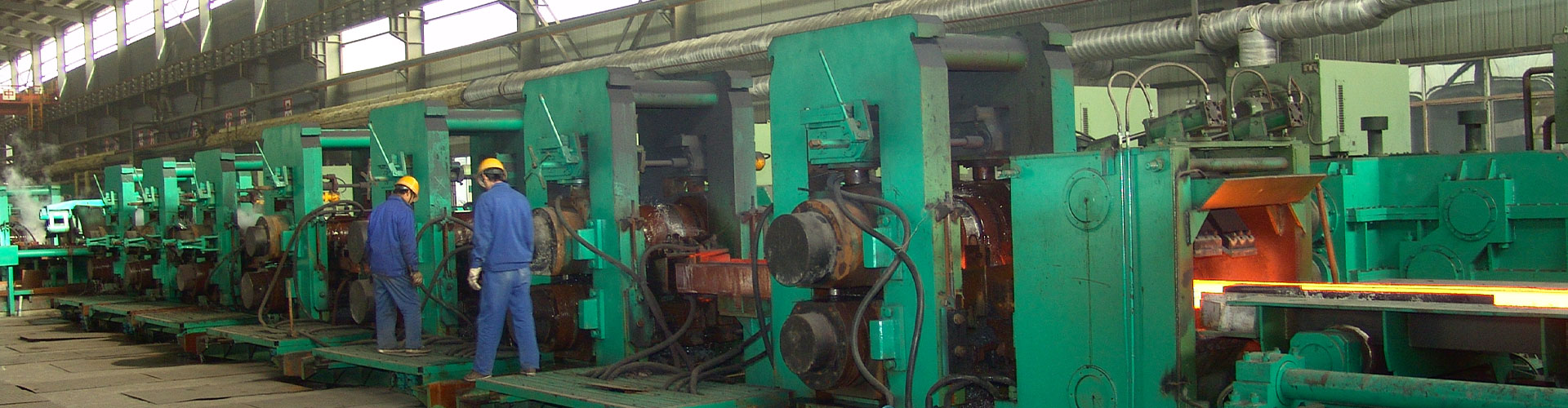
На типичной линии прокатки прутков, процесс начинается с черновых стендов. Здесь, 4–6 клетей фрез диаметром 550 мм. (расположены в горизонтально-вертикальном чередовании) справиться с первоначальными сильными сокращениями. Эта установка H-V уравновешивает силы и предотвращает скручивание.. Следующий, сталь поступает в промежуточные клети — обычно 2–4 клети стана диаметром 450 мм — все горизонтально для устойчивости.. К настоящему времени, полоса близка к своей окончательной форме, скажем, 20–40 мм в диаметре. Быстрая стрижка устраняет дефекты, и пруток слегка охлаждается на размоточном столе перед сматыванием или обрезкой на нужную длину..
Проволочные станы начинаются аналогично, но добавляются точные шаги.. После черновой и промежуточной клетей, сталь поступает на предчистовые клети. Это 2–3 клети стана 285 мм., снова чередование H-V, уточнить форму без напряжения. Затем следует критический раздел отделки.: 8 клети стан 170–230 мм в расположении без перекручивания под углом 45° «верхний крест». Такая конструкция обеспечивает нулевое скручивание., придание катанке жестких допусков по диаметру (±0,1 мм). На скорости до 100 метры в секунду, стержень выходит в прядильную машину (прядильная машина на отраслевом языке переводится как «головка с двумя петлями».), который укладывает его аккуратными бухтами на охлаждающий конвейер. Окончательно, автоматизированные упаковщики и весы готовят его к отправке.
Расположение оборудования: Почему размещение имеет значение для эффективности
Умная конструкция мельницы сводит к минимуму время простоя и максимизирует поток. У современных растений, Черновые и промежуточные клети расположены ниже — около 800 мм над уровнем земли.. Это обеспечивает доступность тяжелого оборудования для обслуживания.. Предчистовые и чистовые стенды монтируются выше., обычно на платформе высотой 2200 мм, для согласования с прядильной машиной и системой охлаждения. Разница в высоте (общая высота перекатки 3000 мм или «высота перекатки») использует гравитацию для плавного перемещения стали между секциями.
Все стенды соединяются с помощью коротких переносных столов и направляющих.. Для линий катанки, простой отвлекающий рычаг (как стальной циферблат или «дефлектор») переключает сталь с пруткового канала на проволочный за считанные секунды. Двигатели приводят в движение каждую клеть независимо — постоянный ток для черновой обработки, Переменная частота переменного тока для финишной обработки — для точного контроля скорости. Всего стендов? Полная линия часто состоит из 24–28 стендов.: 8 черновая обработка (550мм х6 + 450мм х2), 6 средний (450мм х2 + 350мм х4), и 8–10 отделочных стендов. Эта установка обрабатывает 700,000+ тонн в год с минимальными пробками.
Реальные характеристики продукта: Что на самом деле производят мельницы
Знание точных результатов помогает планировать ваши операции.. Ниже представлен снимок с работающих мельниц.. Эти цифры основаны на реальных производственных данных, а не на теории.. Рулоны и прутки соответствуют международным стандартам, таким как ASTM или ISO., с постоянными механическими свойствами.
| Тип продукта | Диапазон диаметров (мм) | Вес катушки/прутка | Топ приложений | Максимальная скорость прокатки (РС) |
|---|---|---|---|---|
| Проволочная катанка (Гладкий) | 5.5 – 14.0 | 1,800 – 2,200 кг на бухту | Гвозди, проволочная сетка, шинные корды | 100 |
| Проволочная катанка (Ребристый) | 8.0 – 14.0 | 1,900 – 2,100 кг на бухту | Армирование бетона, сейсмические бары | 90 |
| Круглый стержень | 10.0 – 32.0 | Варьируется (НАПРИМЕР., 1.5м длины) | Валы, болты, части машин | 40 |
| Деформированный стержень (Репортаж) | 10.0 – 40.0 | Отрезанные по длине пачки | Мосты, здания, фонды | 35 |
Обратите внимание на характеристики катушки.: внутренний диаметр 850 мм, внешний до 1250 мм. Вес остается постоянным, поскольку охлаждающие конвейеры контролируют падение температуры, что крайне важно для предотвращения трещин.. Для баров, допуск прямолинейности составляет менее 4 мм на метр. Эти характеристики не являются догадками; они с работающих мельниц 24/7 с автоматическими датчиками, проверяющими каждую катушку.
Марки стали и реалии производства
Мельницы обрабатывают различные стали, но не все оценки одинаковы. Углеродистые стали, такие как Q235 или SAE. 1045 самые простые — низкое содержание сплава означает меньшее количество замен валков.. Высшие классы нуждаются в уходе: пружинные стали (НАПРИМЕР., 60Si2Mn) требуют более медленных скоростей, чтобы предотвратить проверки поверхности, при холодной высадке сталей (как ML35) требуют сверхчистых заготовок. Вот что работает ежедневно:
- Обычные углеродистые стали: Q195, Q235, 1018— катиться на полной скорости (100 м/с для катанки). Предел текучести 235–500 МПа..
- Легированные стали: 40Кр, 20CrMo — требуется предварительный нагрев до 1150°C.. Скорость падает до 80 м/с, чтобы избежать внутренних напряжений.
- Специальность: Сварочная проволока (ЭР70С-6) или стальной борт шины — требуется фосфор/сера при 0.025%. Валки меняются каждые 8–10 часов для идеальной поверхности..
Годовой выход? Одна линия катанки — 500 000–700 000 тонн.. Тактовые линии добавить 200,000+ тонны. Как? Четырехсменный режим работы с 7,000+ часы работы в год. Время простоя плотно: 20 минут на смену роликов, 30 минут для слотов обслуживания. Никаких праздников — только запланированные остановки в периоды низкого спроса.. Это позволяет снизить энергопотребление; современные заводы потребляют 350–400 кВтч/тонну., вниз от 500+ кВтч десять лет назад.
Советы по более плавной работе
От ветеранов мельницы, вот что заставляет строки гудеть. Первый, внимательно следить за температурой заготовки. Падение температуры на 50°C ниже 1050°C на входе вызывает 15% больше поверхностных дефектов. Используйте инфракрасные датчики каждый 2 метров вдоль стола биения. Второй, для катанки, продолжайте вращать машину, выравнивая ее точно — смещение на 2 мм создает проблемы с овальностью. Третий, менять канавки роликов в зависимости от износа, не только время. Стенд для черновой обработки 550 мм может прослужить долго. 12 часов для углеродистой стали, но только 6 для марок сплавов.
Также, использовать автоматизацию. Современные ПЛК регулируют скорость в режиме реального времени, если стенд застревает.. Например, если промежуточное звено стоит медленно, чистовые фрезы автоматически сокращаются до 90 РС, избежание запутывания катушки. И всегда обучайте операторов «чувству» — опытные бригады замечают аномальные вибрации раньше, чем это сделают датчики.. Один завод сократил количество отходов на 8% просто заставляя сотрудников ежечасно ходить по очереди во время смены.
Почему прокатка без скручивания имеет значение
Вы можете задаться вопросом, почему на проволочных станах используются клети с верхним поперечным расположением под углом 45° вместо старых конструкций.. Все дело в точности. Традиционные мельницы имели скручивание между клетями, вызывая изменения диаметра до ±0,5 мм.. Установки без перекручивания устраняют этот поворот, чтобы катанка оставалась в пределах ±0,1 мм, что очень важно для протяжки тонкой проволоки. Как? Ролики каждой стойки расположены под углом 45°., прохождение стали прямо насквозь без вращения. Это также снижает износ валков на 30%, экономия затрат. На практике, рулоны чистовой стойки шириной 170 мм 10,000+ тонн до необходимости повторного измельчения.
Сортовые станы используют аналогичную логику, но с горизонтальными клетями.. Для арматуры, ребристые блоки в конечных клетях создают постоянные деформации. Давление должно быть точным: слишком низко, ребрам не хватает сцепления; слишком высокий, края чипа. Большинство заводов устанавливают гидравлическое давление на уровне 120–150 бар для арматуры диаметром 12 мм.. Ежедневно проверяйте катушки штангенциркулем — лучшие заводы делают это каждый день. 2 часы.
Расширение масштабов: От небольших заводов к линиям большого объема
Небольшие заводы могут начать с 12–16 клетей., сосредоточившись на производстве баров. По мере роста спроса, добавление предчистовых и чистовых клетей превращает их в катанку. Ключевое обновление? Высокоскоростная прядильная машина и контролируемое охлаждение.. На одном заводе был добавлен участок чистовой обработки из 10 клетей, и объем производства увеличился с 300,000 к 550,000 тонн/год. Инвестиции быстро окупаются — дополнительный доход покрывает расходы в 18 месяцы.
Для новых построек, приоритет гибкости. Используйте модульные стойки, которые меняют местами пазы. 15 минуты. Включите место для будущих дополнений, как вторая линия прядильных машин. И всегда проектируйте так, чтобы обеспечить доступ для обслуживания: приподнятые проходы вокруг отделочных клетей сокращают время смены рулонов вдвое.. Реальный пример: завод в Азии достиг 95% время безотказной работы за счет размещения всех гидравлических агрегатов внутри 5 метры стендов.
Управление прутковым или проволочным станом – это не только машины, это умные, ежедневный выбор. Сосредоточьтесь на контроле температуры, выравнивание оборудования, и обучение операторов. Эти шаги обеспечат эффективность вашей линии, делаете ли вы обычную арматуру или высокопрочную проволоку. Будьте в курсе ваших технологических данных; небольшие изменения часто приводят к значительному увеличению урожайности и качества..