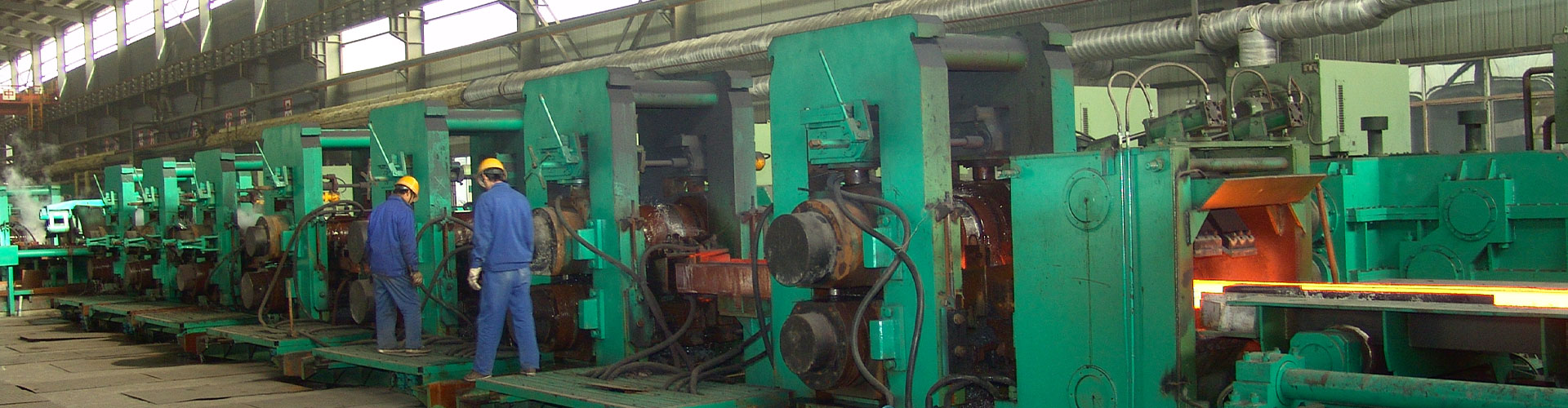
Высокоскоростные проволочные станы – это вершина современной технологии прокатки сортового проката., обеспечивающая высокую производительность, исключительная точность размеров, и превосходное качество поверхности для широкого спектра марок стали. В этой второй части производственного процесса протекает, мы глубже погружаемся в критические этапы, следующие за начальной черновой обработкой, уделяя особое внимание промежуточной прокатке, предварительная отделка, контролируемое охлаждение перед окончательной прокаткой, а также высокоточные операции отделки и калибровки, которые определяют современные передовые линии катанки..
Промежуточная прокатка: Точность благодаря контролю микронатяжения
После прохождения начальной черновой обработки, нагретая заготовка поступает на промежуточный участок прокатки. Эта сцена обычно состоит из шести трибун, расположенных попеременно по горизонтали и вертикали. (Чередуйте уровень и положение стоя.) конфигурация. Ключевой целью здесь является дальнейшее уменьшение поперечного сечения при сохранении жесткого контроля размеров и минимизации внутренних напряжений..
Прокатка производится под условия микронапряжения, это означает, что натяжение между клетями тщательно контролируется, чтобы оно было достаточным для обеспечения стабильной резьбы, но не настолько высоким, чтобы вызвать удлинение или дефекты формы.. Этот баланс имеет решающее значение для достижения постоянного допуска по овальности и диаметру на выходе..
На выходе промежуточной мельницы, а Нет. 2 Летающий сдвиг подстригает голову бара. Эта операция устраняет любые неровности, образовавшиеся во время ускорения или переходных режимов.. Важно, в случае сбоя в работе мельницы, например, поломки прутка или выхода из строя направляющей, ножницы могут мгновенно активировать функцию «обрезать и ломать», разрезание пряди на удобные куски, которые отправляются в мусоропровод, предотвращение повреждения оборудования, расположенного ниже по потоку.
Предчистовая мельница: Мультитехнологическая интеграция для стабильности
На этапе предварительной обработки архитектура процесса становится особенно сложной.. Современные высокоскоростные проволочные станы используют гибридную конфигурацию из шести клетей., каждый оптимизирован для конкретных механических и термических требований:
- Стенды 1–2: Стойки рулонные закрытого типа, конструктивно аналогичны блокам черновой/промежуточной обработки, обеспечивает надежность для более значительных сокращений.
- Стенды 3–4: Консольные стойки для роликовых колец, обеспечивает быструю смену валков и превосходную жесткость на более высоких скоростях.
- Стенды 5–6: V-образный верхний крест (Верхний крест) стоит, разработан для минимального отклонения и точного контроля профиля при чистовых проходах.
Для устранения межклетевого натяжения и обеспечения действительно свободного прохода прокатки., предчистовой стан включает в себя в общей сложности пять петлителей:
- Три вертикальных петлителя: расположен перед первой трибуной, между трибунами 2–3, и между трибунами 4–5.
- Два боковых петлителя: расположен перед стойкой 3 и перед стойкой 5.
Каждый петлитель оснащен высокочувствительным гидравлическим приводом и контролируется лазерными или оптическими сканерами, которые непрерывно измеряют высоту петли.. Эта обратная связь позволяет в режиме реального времени корректировать скорость стенда., обеспечение того, чтобы штанга оставалась в состояние нулевого напряжения на протяжении всего предчистового поезда. Это важно для предотвращения образования шейки., скручивание, или смещение размеров — особенно критично при прокатке низкоуглеродистых или микролегированных марок, чувствительных к изменениям деформации..
А сдвиг прорыва устанавливается на выходе бокового петлителя перед финальными предчистовыми стойками. В случае неисправности нижестоящего канала (НАПРИМЕР., Засорение направляющей или выход из строя ролика), этот сдвиг активируется в течение миллисекунд, чтобы изолировать проблемную зону, защита дорогостоящих компонентов чистового стана.
Контролируемое охлаждение перед отделкой: Управление температурным режимом для контроля микроструктуры
На выходе из предчистового стана, стержень - сейчас обычно диаметром около 16–21 мм - вступает в критическую фазу термической обработки.. Две водоохладительные коробки (часто называют «резервуарами для воды».) располагаются сразу после предчистового выхода. Это не простые распылительные головки.; они образуют система контроля температуры с замкнутым контуром.
Термопары измеряют температуру стержня в режиме реального времени., и система динамически регулирует давление воды, скорость потока, и покрытие для достижения целевой температуры на входе в чистовой стан — обычно между 880°С и 950°С, в зависимости от марки стали и желаемых конечных свойств.
Этот шаг жизненно важен для:
- Предотвращение чрезмерного роста зерна перед окончательной деформацией.
- Обеспечение более низких температур отделки для более мелкого размера ферритного зерна в углеродистых сталях..
- Оптимизация кинетики фазовых превращений высокопрочных низколегированных материалов (HSLA) или качество холодной высадки (CHQ) провода.
После охлаждения, а летучие ножницы для предварительной отделки еще раз стрижет голову. Набор прижимных роллов (прижимной ролик) здесь также установлен — не для нормальной работы, а для оказания помощи в нарезании резьбы на изделиях большого диаметра (НАПРИМЕР., Φ12 мм и выше) или протолкнуть штангу во время восстановления после расстройства.
Крайне важно, а боковой петлитель и ножницы для прорыва размещаются непосредственно перед входом в чистовой цех. Если возникла неисправность в финишном поезде, эти ножницы разрезают входящий стержень, и распределительный переключатель (выключатель) направляет отрезанный конец на путь металлолома, где специальный ножницы для лома разрезает его на короткие сегменты для безопасного сбора.
Отделка и определение размеров: Высокоскоростной, Низкотемпературный, Высокоточная прокатка
Сердцем высокоскоростного проволочного стана является отделочная линия., который сочетает в себе чрезвычайную скорость с металлургической точностью. Стандартная конфигурация включает в себя:
- 8 стенды сверхмощных чистовых станов В-типа
- 4 стенды уменьшения/калибровки (Уменьшение и определение размера) мельницы
Эти стенды имеют несколько передовых элементов дизайна.:
- Сверхтяжелые роликовые коробки V-образного типа: Обеспечивают исключительную жесткость, позволяющую выдерживать высокие усилия качения при низких температурах., минимизация прогиба валков и обеспечение округлости.
- Консольные роликовые кольца из карбида вольфрама: Обеспечивают превосходную износостойкость и термическую стабильность., обеспечивая стабильное качество поверхности даже на скоростях, превышающих 100 РС.
- Межклетевое водяное охлаждение: Специальная водяная камера между 8-й чистовой клетью и первой калибровочной клетью позволяет осуществлять окончательную регулировку температуры непосредственно перед прохождением последней деформации — ключ к контролю конечного размера зерна аустенита и поведения трансформации..
На заводе используются валковые ящики разных размеров, чтобы сбалансировать производительность и техническое обслуживание.:
| Тип рулонной коробки | Количество | Диаметр рулона | Основная функция |
|---|---|---|---|
| Стандартный сверхмощный | 10 | 230 мм | Основное сокращение чистовых клетей |
| Компактный размер | 2 | 150 мм | Окончательный размер и контроль диаметра |
Количество фактических проходов прокатки зависит от спецификации продукта — обычно между 2 и 12 проходит через совмещенный отдел отделки и калибровки. Для обычной катанки коммерческого качества в от 5,5 мм до 7,5 мм диапазон, завод достигает замечательных конечная скорость прокатки до 112 метры в секунду. Чтобы представить это в перспективе, все кончено 400 км/ч — быстрее, чем большинство высокоскоростных поездов..
На этих скоростях, даже незначительный дисбаланс может вызвать катастрофические вибрации. Следовательно, все вращающиеся компоненты проходят строгую динамическую балансировку, а весь фундамент мельницы изолирован вибропоглощающими опорами. Кроме того, системы автоматической регулировки зазора между валками (АРУ) и контроль диаметра в режиме реального времени с помощью лазерных датчиков гарантируют, что допуски размеров остаются в пределах ±0,1 мм даже на полной скорости..
Такое сочетание механической точности, термоконтроль, а интеллектуальная автоматизация позволяет современным высокоскоростным проволочным станам производить не только стандартные прутки из углеродистой стали, но и такие требовательные марки, как:
- SWRH82B (для предварительно напряженной бетонной проволоки)
- ML35CrMo (для автомобильных крепежей)
- ЭР70С-6 (сварочная проволока)
- Автоматные стали (НАПРИМЕР., 12Л14)
Для каждого из них требуются индивидуальные температурные профили., графики сокращений, и пути охлаждения после прокатки — все это плавно контролируется системой управления производственными процессами стана., который объединяет данные сотен датчиков, расположенных вдоль линии.
Поскольку глобальный спрос растет на более прочные, чище, и более стабильная катанка, эволюция этих мельниц продолжается – в сторону еще больших скоростей, более умная диагностика, и более тесная интеграция с последующими процессами, такими как линии охлаждения с управлением Stelmor или DLP.. Но основные принципы остаются: устранить напряжение, контроль температуры, и сохранять точность при каждом проходе.