Проблемы с экструзией алюминия часто начинаются задолго до того, как заготовка попадает в пресс.. Многие дефекты уже скрыты на чертеже профиля.: неравномерная толщина стенок, глубокие открытые каналы, длинные консоли, острые углы, маленькие дырочки, стратегия плохой толерантности, или разрешение на обработку поверхности, которое никогда не было зарезервировано. Хорошая конструкция профиля снижает напряжение в штампе, стабилизирует поток металла, улучшает прямолинейность, и снижает необходимость доработок.
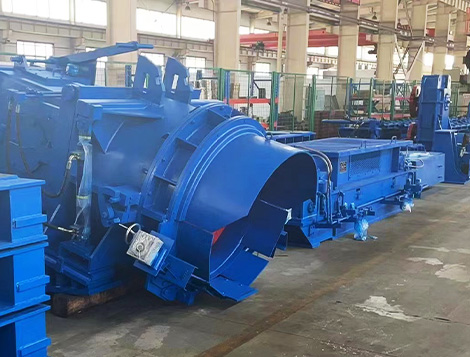
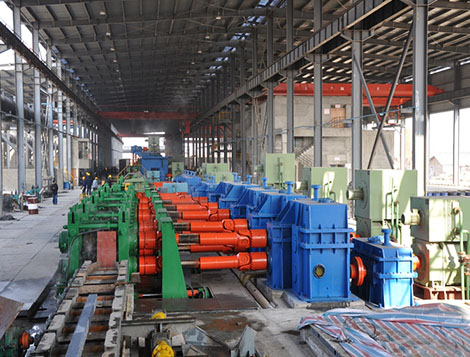
У современных растений, Наилучшие результаты достигаются тогда, когда знания в области проектирования экструзионных систем сочетаются со знаниями, полученными на последующих этапах процесса формования. алюминиевые прокатные станы, профильный прокатный стан линии, и точность фигурная прокатка. Даже если профиль изготовлен методом экструзии, многие секции позже проходят через процесс прокатки для определения размера, выпрямление, вьющийся, выравнивание, формирование ребра, или кондиционирование поверхности. Проектирование секции с учетом этих последующих шагов может решить многие производственные проблемы на начальном этапе..
Почему дизайн профиля определяет успех экструзии
Алюминиевые профили ценятся, потому что алюминий имеет низкую плотность., хорошая коррозионная стойкость, высокая электро- и теплопроводность, немагнитное поведение, хорошая формуемость, и отличная перерабатываемость. Эти преимущества делают экструдированные алюминиевые профили популярными в производстве окон и дверей., навесные стены, солнечные рамы, радиаторы, Машинная охрана, транспортное оборудование, промышленная автоматизация, аккумуляторные лотки, Светодиодные корпуса, и мебельные системы.
Но рыночный спрос движется в сторону большего, тоньше, более сложный, и более точные профили. Это приносит реальные производственные проблемы: поломка штампа, плохая поверхность, крутить, усадка при открытии, волнистые плоские панели, дисбаланс потока толстый-тонкий, сложное выпрямление, и нестабильный размер сборки после анодирования или порошкового покрытия.
Экструзия проталкивает нагретую алюминиевую заготовку через отверстие матрицы.. На текучесть металла влияет сплав, температура заготовки, состояние контейнера, скорость экструзии, коэффициент уменьшения, штамп подшипник, сила смерти, охлаждение, растягивание, старение, и позже образуя. Если сам раздел не дружелюбен к процессу, даже опытному изготовителю штампов и хорошему прессу будет сложно производить стабильный продукт..
Практическое правило:
Профиль должен в первую очередь отвечать потребностям в функциях и внешнем виде.. После этого, следует использовать самую простую изготовляемую секцию, способную выдержать прочность, сборка, поверхность, и целевые затраты. Просто – не значит плохо. Это означает стабильный поток, сильная кость, простое измерение, и повторяемое производство.
Как знания в области алюминиевого проката помогают проектировать экструзионные профили
Многие инженеры рассматривают экструзию и прокатку как отдельные процессы.. В производстве, они тесно связаны. Алюминиевый прокат используется не только для листа, полоска, тарелка, и фольга. Профильная прокатка также используется для точного формирования экструдированных профилей.. А профильный прокатный стан может корректировать локальную геометрию, улучшить прямолинейность, формировать канавки, сгибать ребра, края размера, или уменьшить вариации после экструзии.
Однако, прокатка не может исправить каждую плохую конструкцию экструзии. Если секция имеет слабую консоль, глубокое узкое отверстие, или сильно несбалансированная стена, прокатная клеть может усилить скручивание или оставить следы прокатки. При хорошем проектировании профиля следует учитывать, будет ли секция впоследствии проходить через ролики., правильные валки, каландры, калибровочные рулоны, или обычай фигурная прокатка станция.
| Стадия производства | Что может пойти не так | Дизайнерское действие | Справочный параметр |
|---|---|---|---|
| Экструзия | Неравномерный поток, линия, крутить, усадка при открытии | Баланс толщины стенки, уменьшить консоль, добавить радиус, улучшить симметрию | Коэффициент стенок предпочтительно ≤ 3:1; избегайте внезапных изменений выше 4:1 |
| Растяжка | Открытые каналы закрываются дальше; тонкие губы деформируются | Предварительно открыть критические щели и укрепить губы | Величина растяжения часто составляет 0,5–2,0 %., в зависимости от сплава и сечения |
| Старение | Остаточное напряжение изменяет прямолинейность | Избегайте крайне асимметричного распределения массы. | 6063-Старение T5 обычно происходит при температуре около 175–205°C в течение нескольких часов. |
| Профильный прокатный стан | Отметка рулона, краевая волна, локальное коробление | Зарезервируйте зоны контакта с роликами и избегайте неподдерживаемых тонких фланцев. | Типичное уменьшение калибровки в холодном состоянии за проход: около 0,2–3% для коррекции света |
| Обработка поверхности | Монтажный зазор исчезает после нанесения покрытия | Добавьте зазор в зависимости от толщины анодирования или порошкового покрытия. | Порошковое покрытие часто толщиной 60–120 мкм на открытую поверхность. |
Распространенные проблемы экструзионного производства и исправления конструкции
1. Открытие усадки в глубоких каналах
Усадка при открытии часто встречается в U-образных конструкциях., С-образный, и алюминиевые профили с глубокими пазами. Губы имеют тенденцию смещаться внутрь после экструзии из-за неравномерного охлаждения., упругая деформация штампа, разница потоков металла, растягивание, и более поздняя сборка или термическая нагрузка. Если секция впоследствии обрабатывается фасонной прокаткой, давление роликов может еще больше уменьшить отверстие, если опора не предусмотрена.
Для небольшой усадки, коррекции подшипника матрицы и контроля скорости экструзии может быть достаточно. Для глубоких проемов или профилей, которые должны подвергаться растяжению., покрытие, или прокатка, чертеж должен включать предварительную компенсацию. На чертеже штампа может быть показано отверстие большего размера, чем на чертеже конечного продукта..
Совет по производству
Для 40 открытая прорезь глубиной мм с тонкими кромками, при разработке штампа часто учитывается припуск на предварительное отверстие в размере 0,2–0,8 мм.. Точное значение зависит от сплава., толщина стены, структура матрицы, скорость растяжения, и термическая обработка. Записи испытаний из аналогичных профилей более надежны, чем одна только теория..
2. Большой размер секции, требующий большого пресса
Большие алюминиевые профили требуют более мощных экструзионных прессов., большие матрицы, более высокая точность контроля температуры заготовки, и больше места для манипуляций. Стоимость быстро растет. Большие плоские профили также имеют больший риск плохой плоскостности и скручивания.. Если последняя функция позволяет сборку, часто лучше разделить один большой профиль на два или три меньших профиля.
Разделение большой секции может снизить стоимость инструмента., улучшить контроль размеров, упростить упаковку, и сократить доставку. Это также дает больше свободы для последующего проектирования процесса прокатки.. Например, Широкая крышка машины может быть изготовлена из двух экструдированных реек и одной катаной алюминиевой панели вместо одного очень широкого профиля..
| Вариант дизайна | Преимущества | Риски | Лучшее использование |
|---|---|---|---|
| Одна большая вытяжка | Меньше сборочных деталей; чистый внешний вид | Более высокая стоимость штампа, нужен пресс большего размера, риск неравномерности | Продукция больших объемов со стабильным сечением и достаточной производительностью пресса. |
| Разделенные экструзии | Снижение технологической нагрузки, более легкое выпрямление, лучший выход | Нужны суставы, винты, клипы, сварка, или клей | Большие рамки, обложки, длинные рельсы, корпуса оборудования |
| Экструзия плюс прокатка | Хорошо подходит для точных краев, ребра, или плоские панели | Нужна оснастка для валков и управление окном процесса. | Профили, требующие жесткой локальной геометрии после экструзии |
3. Широкие плоские поверхности, которые становятся волнистыми.
Большая плоская пластина в выдавливании выглядит на чертеже просто., но не всегда легко произвести. Широкие тонкие поверхности могут прогибаться под собственным весом во время охлаждения.. Они также могут показывать волны после растяжения или старения.. На алюминиевых прокатных станах, плоскостность контролируется коронкой валка, напряжение, снижение, и охлаждение. В экструзии, проектировщик должен помочь процессу, увеличив жесткость сечения..
Самое распространенное решение — добавить ребра.. Ребра увеличивают момент инерции, не добавляя слишком большого веса.. Они также обеспечивают изготовителям штампов более стабильные пути потока металла.. Для видимых поверхностей, ребра можно разместить на скрытой стороне. Для панелей, которые должны оставаться гладкими, небольшого ребра или неглубокого борта на задней стороне часто бывает достаточно для улучшения плоскостности..
А 180 плоская стенка шириной мм с 1.2 Толщина мм, без ребра. Это может показаться легким, но легко помахать рукой, вмятина, и крутить.
Используйте толщину стенки 1,4–1,6 мм или добавьте два задних ребра высотой примерно 8–15 мм., с гладкими радиусами у основания, чтобы избежать напряжения штампа.
4. Маленькие отверстия и узкие прорези, которые делают матрицу слабой.
Очень маленькие отверстия трудно выдавливать., особенно когда они глубокие, близко к тонким стенам, или помещен в тяжелый раздел. Отверстие меньше примерно 4 мм часто лучше производить сверлением, пробивание, или обработка на станке с ЧПУ после экструзии. Это повышает прочность штампа и снижает риск засорения..
Та же идея применима и к очень узким глубоким прорезям.. Если слот трудно выдавить напрямую, рассмотрите возможность сначала сделать закрытую секцию, а затем открыть ее фрезеровкой, распиловка, или пробивать. На линии удаления можно добавить V-образную направляющую метку или неглубокую канавку для повышения точности обработки..
Полезные эталонные значения
- Избегайте выдавливания отверстий ниже 4 мм, если позднее сверление допустимо.
- Для винтовых канавок, оставьте достаточную стенку вокруг канавки, чтобы избежать разрывов во время нарезания резьбы или ввинчивания винтов..
- Для длинных тонких языков в штампе, по возможности увеличьте радиус и укоротите консоль.
- Если глубина открытия превышает 100 мм, проверьте, является ли закрытая матрица плюс вторичная обработка более стабильной.
5. Слишком много сложностей внутри полости
Цельные штампы обычно легче изготавливать и обслуживать, чем штампы с иллюминаторами.. Полые профили требуют конструкции моста., контроль сварочной камеры, и хорошее соединение металлов. Если внутренняя полость включает множество мелких канавок, отверстия для винтов, и резкие шаги, матрицу становится сложнее обрабатывать и труднее ремонтировать. Внутреннюю точность также труднее проверить..
Практический метод – «сложный снаружи»., просто внутри». По возможности размещайте функциональные канавки и видимые детали на внешнем контуре.. Сохраняйте внутренние полости гладкими и щедрыми. Это помогает металлу течь., сила смерти, качество сварки, а затем прокатка или выпрямление.
Расчет толщины стенок для обеспечения устойчивости при экструзии и прокатке
Толщина стенки – один из важнейших параметров при проектировании алюминиевого профиля.. Тонкие стенки уменьшают вес и стоимость., но они увеличивают производственный риск. Толстые стенки повышают прочность, но могут создать дисбаланс потока, если они внезапно соединяются с тонкими стенками.. Для наиболее распространенных 6063 архитектурные или промышленные профили, толщина стенки ниже 0.8 мм сложно и его следует использовать только при тщательном анализе процесса.. Для стабильного массового производства, многие заводы предпочитают 1,0–2,5 мм для обычных профилей среднего размера., в зависимости от размера, сплав, и толерантность.
| Элемент | Предпочтительный диапазон дизайна | Причина производства | Если не следовать |
|---|---|---|---|
| Минимальная стена | ≥ 0.8 мм для небольших простых профилей; ≥ 1.0 мм безопаснее | Улучшает наполнение, поверхность, умереть жизнь, и выпрямление | разрывая, волны, вмятина, плохая переносимость |
| Коэффициент толщины стенок | Предпочтительно ≤ 3:1; избегайте внезапных изменений выше 4:1 | Обеспечивает более равномерную подачу металла | Гибка, скручивание, сложность исправления штампа |
| Угловой радиус | Внутренний радиус ≥ 0.5 мм, где это возможно; больше для тяжелых секций | Снижает концентрацию напряжений и улучшает обработку штампов. | Штамповка штампом, следы экструзии, риск растрескивания |
| Длина кантилевера | Короче лучше; поддержка ребрами или изменение дизайна отверстия | Улучшает прочность матрицы и стабильность кромки | Изгиб губ, вступительное изменение, поломка штампа |
| Переход | Используйте наклон или радиус вместо резкого шага толщины. | Разглаживает поток и снижает стресс | Линии потока, дефекты поверхности, местная деформация |
Проектирование стана профильной прокатки после экструзии
Когда экструдированным профилям требуется более плотная геометрия, чем может обеспечить только экструзия., профильный прокатный стан можно использовать для коррекции или окончательной обработки. Это обычное явление для направляющих, слайд-треки, основания радиатора, декоративная отделка, автомобильные полосы, детали солнечной рамы, и прецизионные промышленные алюминиевые рельсы.
В процессе прокатки давление осуществляется через фасонные валки.. Профиль может быть холоднокатаным., теплый прокат, или локально прокатанный в зависимости от сплава и конечного требования. Холодная прокатка обычно используется для легкой калибровки и улучшения поверхности.. Теплая прокатка снижает усилие формовки и риск растрескивания при больших изменениях формы., но нужен контроль нагрева.
| Необходимость прокатки профиля | Требования к дизайну | Типичный параметр | Проверка качества |
|---|---|---|---|
| Выпрямление валками | Обеспечьте стабильные контактные поверхности; избегайте хрупких губ в точках контакта | Давление валков регулируется постепенно; несколько легких пасов безопаснее, чем один тяжелый пас | Прямолинейность, крутить, углубление на поверхности |
| Размер канавки | Обеспечьте поддержку стенок канавок и избегайте слишком маленького внутреннего радиуса. | Локальная редукция часто 0,05–0,30 мм для точной коррекции. | Датчик годен/непроходим, ШМ, штифтовый калибр |
| Формирование кромок | Оставьте достаточно краевого материала для сгибания или скручивания. | Радиус изгиба должен соответствовать закалке сплава.; более мягкий характер лучше формирует | Проверка трещин, измерение угла |
| Поверхностная прокатка | Перед прокаткой избегайте грязеуловителей и возвышенностей. | Используйте чистые валки и контролируемую смазку, если это разрешено. | Блеск, шероховатость, отметка рулона, однородность цвета после анодирования |
Важный момент при формовке
Прокатка изменяет локальную толщину и напряжение металла.. Если выдавливание уже близко к нижнему пределу стенки, процесс прокатки может привести к образованию трещин, волны, или нестабильное пружинение. Когда профиль будет прокатываться после экструзии, оставляйте достаточно материала и избегайте острых внутренних углов в зонах формовки.
Припуск на обработку поверхности: маленькая деталь, предотвращающая сбой сборки
Многие алюминиевые профили проходят проверку размеров перед обработкой поверхности., затем выходит из строя при сборке после анодирования, электрофорез, порошковое покрытие, ПВДФ покрытие, или рисование. Причина проста: покрытие имеет толщину. В слотах, канавки, скользящие дорожки, и функции защелкивания, Налипание покрытия уменьшает зазор.
Анодирующие пленки обычно тоньше, чем порошковые покрытия., но даже анодирование может иметь значение в условиях тесноты. Порошковое покрытие более важно, поскольку порошок может скапливаться в углах и внутри канавок.. Если скользящая деталь имеет покрытие на четырех контактных поверхностях, общие потери зазора могут быть намного больше, чем ожидалось.
| Обработка поверхности | Общая толщина пленки | Влияние на размер фитинга | Консультации по дизайну |
|---|---|---|---|
| Анодирование | 5–25 мкм в зависимости от класса | О том, что часть фильма растёт наружу, а часть внутрь. | Оставьте небольшой зазор для точного скольжения или защелкивания. |
| Электрофорез | Часто 10–25 мкм | Более однородное, чем порошковое покрытие | Проверка декоративных и уплотнительных поверхностей |
| Порошковая покраска | 60Обычно –120 мкм на поверхность | Можно уменьшить паз на 0,12–0,24 мм с двух сторон., или больше по углам | Увеличьте ширину щелей и избегайте узких ловушек для порошка. |
| ПВДФ покрытие | Обычно около 25–40 мкм в зависимости от системы. | Хорошая устойчивость к атмосферным воздействиям; все еще влияет на плотные припадки | Подтвердите стандарт покрытия перед выпуском окончательного допуска. |
Маркировка допусков: не переусердствуйте с некритическими размерами
Распространенной ошибкой является установление жестких допусков по каждому размеру.. Это делает профиль дорогим, а иногда и неуправляемым.. Еще одна ошибка — оставить ключевые размеры сборки без четкого допуска.. Правильный метод — начать со сборочного чертежа., определить функциональные аспекты, а затем создайте чертеж профиля.
Критические размеры включают ширину паза., ширина проема, Расстояние до сопрягаемой поверхности, размер резьбовой канавки, положение шарнира, уплотнительная канавка, скользящая дорожка, и любой размер, который влияет на последующую прокатку, пробивание, бурение, или обработка на станке с ЧПУ. Для некритических декоративных размеров можно использовать общие стандарты допусков..
Практический контрольный список толерантности
- Можно ли легко измерить размер обычными инструментами??
- Необходим ли допуск для функции, или только скопировано с другого рисунка?
- Изменит ли анодирование или порошковое покрытие этот размер??
- Из-за износа матрицы прорезь со временем станет меньше, а ребро больше??
- Изменит ли растяжение или прокатку профиля этот размер после экструзии??
- Согласован ли метод проверки?: штангенциркуль, штифтовый калибр, пробка манометра, ШМ, оптический сканер, или приспособление?
Выбор сплава и отпуска, влияющий на дизайн
Конструкция сечения не может быть отделена от сплава и отпуска.. 6063 широко используется для архитектурных и декоративных профилей, поскольку хорошо экструдируется и дает хорошую анодированную поверхность.. 6061 имеет более высокую прочность, но его труднее экструдировать, и может потребоваться более тщательный контроль матрицы и скорости.. 6082 обеспечивает более высокую прочность для конструкционных целей, но менее щаден, чем 6063. Для последующей раскатки формы, состояние перед прокаткой имеет значение, поскольку более твердые сорта имеют меньшую формуемость.
| Сплав | Типичное использование | Поведение экструзии | Примечание к дизайну |
|---|---|---|---|
| 6063 | Окна, двери, рамки, радиаторы, декоративные профили | Отличная экструдируемость и чистота поверхности. | Хороший выбор для тонких и сложных профилей, когда требования к прочности умеренные. |
| 6061 | Промышленные структуры, части машины, транспортные компоненты | Хорошая сила, более низкая экструдируемость, чем 6063 | Избегайте очень тонких стенок и чрезмерной сложности формы. |
| 6082 | Несущие рамы, платформы, транспортные конструкции | Более высокая прочность, более сложное управление потоком | Используйте большие радиусы и сбалансированное распределение стен. |
| 3003 / 3004 | Прокатный лист, плавники, теплообменные части | Часто используется на прокатных станах по производству алюминия, а не при сложной экструзии. | Если экструзия профиля не идеальна, рассмотрите вариант прокатки полос и формовки. |
Удобные детали, повышающие производительность
Удобный для штампов профиль легче производить и легче ремонтировать.. Это также обеспечивает более стабильное качество в течение длительного производственного цикла.. Следующие детали маленькие на чертеже, но большие при производстве..
Острые внутренние углы трудно поддаются обработке и создают концентрацию напряжений.. Используйте радиусы везде, где это позволяет функция..
Длинные кантилеверы делают матрицу слабой и вызывают деформацию кромки.. Добавьте опорные ребра или измените направление открытия..
Более симметричные участки обычно лучше текут и меньше скручиваются.. Если симметрия невозможна, баланс распределения массы.
Соедините толстые и тонкие области с помощью уклонов или радиусов.. Внезапные изменения разделов создают проблемы с потоком и напряжением..
Если прецизионные грани будут фрезероваться после экструзии, спроектируйте достаточный припуск на съем и устойчивую установочную поверхность.
Слоты, ребра, и скользящие дорожки меняются по мере износа матрицы. Критические посадки должны проверяться в течение всего срока службы матрицы..
Когда следует выбирать экструзию, прокатка, или комбинированный процесс
Не каждую алюминиевую форму следует экструдировать.. Не каждый прецизионный профиль следует катать из полосы.. Правильный процесс зависит от геометрии, толщина стены, сила, терпимость, поверхность, объем, и стоимость. Алюминиевые прокатные станы отлично подходят для листового проката., полоска, тарелка, и длинномерные изделия постоянной толщины. Экструзия отлично подходит для профилей постоянного сечения и встроенных функций.. Комбинированный процесс полезен, когда экструзия дает базовый профиль, а прокатка обеспечивает окончательную точность..
| Требование к продукту | Лучшее направление процесса | Причина | Пример |
|---|---|---|---|
| Комплексное постоянное сечение | Экструзия | Одна матрица может создавать интегрированные канавки, ребра, и полости | Оконная рама, радиатор, машинный рельс |
| Широкий тонкий плоский продукт | Алюминиевый прокат | Прокатка обеспечивает лучший контроль толщины и плоскостности листов и полос. | Панель, катушка, плавниковый запас, декоративная полоска |
| Экструдированный профиль с плотной местной канавкой | Прокатный стан «Экструзия плюс профиль» | Выдавливание создает форму; прокатка исправляет критические особенности | Слайд-рейка, прецизионный трек, слот для солнечной рамы |
| Маленькие отверстия, слоты, или особые местные особенности | Экструзия плюс механическая обработка | Позволяет избежать слабых деталей штампа и повышает локальную точность. | Монтажные отверстия, слоты для датчиков, резьбовые отверстия |
Реалистичные параметры процесса для планирования производства
Приведенные ниже значения представляют собой общепромышленные эталонные диапазоны.. Фактические настройки зависят от сплава., размер прессы, диаметр заготовки, дизайн штампа, сложность профиля, метод закалки, и окончательный стандарт. Они полезны для раннего обсуждения проекта и анализа технико-экономического обоснования процесса..
| Параметр | Типичный диапазон | Примечания к оформлению профиля |
|---|---|---|
| Температура предварительного нагрева заготовки для сплавов 6ххх | Около 430–500°С | Более высокая температура улучшает текучесть, но может увеличить дефекты поверхности и проблемы с зернистостью, если ее не контролировать.. |
| Температура матрицы | Около 430–480°C для многих профилей 6xxx. | Сложные тонкостенные секции нуждаются в стабильной температуре головки, чтобы уменьшить колебания потока.. |
| Температура на выходе | Часто 500–560 ° C для сплавов 6xxx, чувствительных к растворению. | Влияет на механические свойства после старения. Перегрев может повредить поверхность и структуру.. |
| Скорость экструзии | Примерно 5–60 м/мин в зависимости от профиля и сплава. | Тонкий декоративный 6063 профили могут быть быстрее; тяжелый или сложный 6061/6082 профили работают медленнее. |
| Растяжение суммы | Обычно 0,5–2,0% | Слишком сильное растяжение может закрыть отверстия., деформировать губы, и изменить положение отверстия. |
| Искусственное старение для 6063-T5 | Около 175–205°C в течение 2–8 часов. | Точный цикл зависит от требуемой твердости и практики установки.. |
| Коррекция прокатки холодного профиля | Легкое локальное сокращение около 0,2–3% за проход. | Используйте несколько контролируемых проходов для точной прокатки формы вместо принудительного выполнения одного большого прохода.. |
Рабочий процесс проверки конструкции, который предотвращает дорогостоящую замену матрицы.
Надежный профильный проект не должен переходить непосредственно от внешнего чертежа к изготовлению штампа.. Чертеж должен быть проверен дизайнером продукта., дизайн штампа, экструзионное производство, обработка поверхности, прокатка или механическая обработка, проверка качества, и монтажные бригады. Это особенно важно для профилей, для которых после экструзии требуется профильный прокатный стан..
Пример: изменение конструкции сложного профиля направляющей направляющей
Профиль раздвижной направляющей может выглядеть просто, но часто имеет несколько точек риска: узкая щель, тонкие губы, малый скользящий зазор, наращивание порошкового покрытия, и требование длинной прямолинейности. Если рельс выдавливается только, слот может сжаться. Если это исправлено процессом прокатки, губы без поддержки могут согнуться. Улучшенная конструкция обеспечивает баланс потребностей в экструзии и прокатке..
| Проблема найдена | Оригинальный дизайн | Улучшенный дизайн | Ожидаемый результат |
|---|---|---|---|
| Прорезь слишком тугая после нанесения покрытия | 10.00 мм слот, с порошковым покрытием | Увеличить прорезь до 10,25–10,35 мм в зависимости от спецификации покрытия. | Гладкая сборка после нанесения покрытия |
| Губа изгибается при перекатывании | 1.0 кромка мм, длинный неподдерживаемый свес | Добавьте небольшое опорное ребро и 0.6 внутренний радиус мм | Меньшая деформация и меньше следов качения |
| Скручивание после старения | Тяжелая масса с одной стороны | Сбалансируйте распределение стен и добавьте скрытое ребро на светлой стороне. | Лучшая стабильность прямолинейности |
| Ремонт матрицы сложный | Несколько острых внутренних углов | Используйте большие радиусы и упростите внутреннюю полость. | Более длительный срок службы матрицы и более стабильный поток |
Производственные заметки для инженеров и покупателей
Если вы покупаете алюминиевые профили, самая низкая стоимость штампа не всегда является самой низкой общей стоимостью. Слабая конструкция может потребовать повторной коррекции матрицы., медленная скорость экструзии, более высокий лом, больше выпрямления, дополнительная обработка, и еще осмотр. Немного оптимизированный на этапе проектирования профиль может стоить дешевле на тысячи метров..
Если вы инженер, не ждите, пока первое испытание не удастся. Прежде чем выпускать окончательный чертеж, попросите экструзионный завод или поставщика прокатного оборудования оставить отзыв.. Поделитесь состоянием сборки, обработка поверхности, направление нагрузки, видимые поверхности, и критические размеры. Если профиль пройдет через профильный прокатный стан, обеспечить необходимую конечную геометрию и разрешенные площади контакта роликов.
Избегайте этих рискованных привычек проектирования
- Использование очень тонких стенок только для уменьшения теоретического веса..
- Добавление небольших отверстий и глубоких прорезей, которые можно сделать позже путем механической обработки..
- Игнорирование толщины порошкового покрытия в зонах скольжения и защелкивания..
- Указание жестких допусков без четкого метода измерения.
- Проектирование профиля, который требует коррекции качения, но не имеет безопасной поверхности контакта с валком.
- Использование одной большой экструзии при разделенных профилях будет более стабильным и дешевым..
Краткая справка: Решения по проектированию профиля и их влияние на производство
| Дизайнерское решение | Хороший эффект | Плохой эффект, если игнорировать | Рекомендуемое действие |
|---|---|---|---|
| Добавить компенсацию перед открытием | Последний слот ближе к цели | Слот закрывается после выдавливания, растягивание, или покрытие | Используйте исторические данные испытаний и подтвердите выборку |
| Разделить очень большой раздел | Меньше инструментов и лучший контроль плоскостности | Высокий спрос на прессу и низкая доходность | Используйте механические соединения., клипы, винты, сварка, или клей |
| Добавьте ребра за широкими балетками. | Лучшая жесткость и меньше волн | Провисание, вмятина, плохой внешний вид | Если внешний вид имеет значение, размещайте ребра скрытой стороной. |
| Вынесите сложность наружу | Упрощенный ремонт и проверка матрицы | Слабая полая матрица и нестабильные внутренние размеры. | Сохраняйте внутреннюю полость простой и гладкой |
| Резервный зазор покрытия | Хорошая сборка после отделки | Детали не могут скользить, щелчок, или подходит | Рассчитать накопление пленки на всех контактных поверхностях |
| Планируйте подвижные контактные зоны | Более безопасная прокатка и калибровка формы | Следы рулона, локальное коробление, нестабильная геометрия | Координатная оснастка перед окончательной обработкой профиля. |
Заключительный инженерный вывод
Удачный алюминиевый профиль – это не только рисунок с правильным контуром.. Это технологичная секция, в которой учитывается прочность штампа., поток металла, скорость экструзии, растягивание, старение, обработка поверхности, сборка, и любой последующий процесс прокатки. Лучшие проекты часто просты, сбалансированный, измеримый, и легко исправить.
Когда экструзия и прокат алюминия планируются вместе, многие сложные продукты становятся проще изготавливать. Экструзия может создать основную структуру, в то время как профильный прокатный стан может улучшить локальную точность или окончательную форму.. Но профиль должен быть спроектирован для обоих процессов с самого начала.. Хорошая конструкция секций снижает количество отходов, защищает штампы, улучшает время доставки, и дает пользователям продукт, который подходит, выглядит хорошо, и надежно работает в реальной эксплуатации.
Практичный принцип дизайна
Разработка профиля для всего производственного маршрута, не только для первого прохода экструзии. Если деталь будет иметь покрытие, свернутый, обработанный, собранный, или загружен в сервис, эти требования должны быть видны в конструкции секции до того, как будет изготовлена матрица..