Суть любой современной металлопрокатной операции заключается в способности точно и эффективно уменьшать площадь поперечного сечения металлической заготовки.. Центральное место в этом процессе занимает блок измельчения прокатного стана, сложная сборка, представляющая собой значительную эволюцию одноклетевых станов. В этой статье подробно рассматривается блок измельчения прокатного стана, его компоненты, принципы работы, и критические параметры, определяющие его производительность. Понимание этой технологии необходимо для оптимизации производственных линий по производству прутков., проволока, и прокатка профилей.
Что такое блок уменьшения размера прокатного стана?
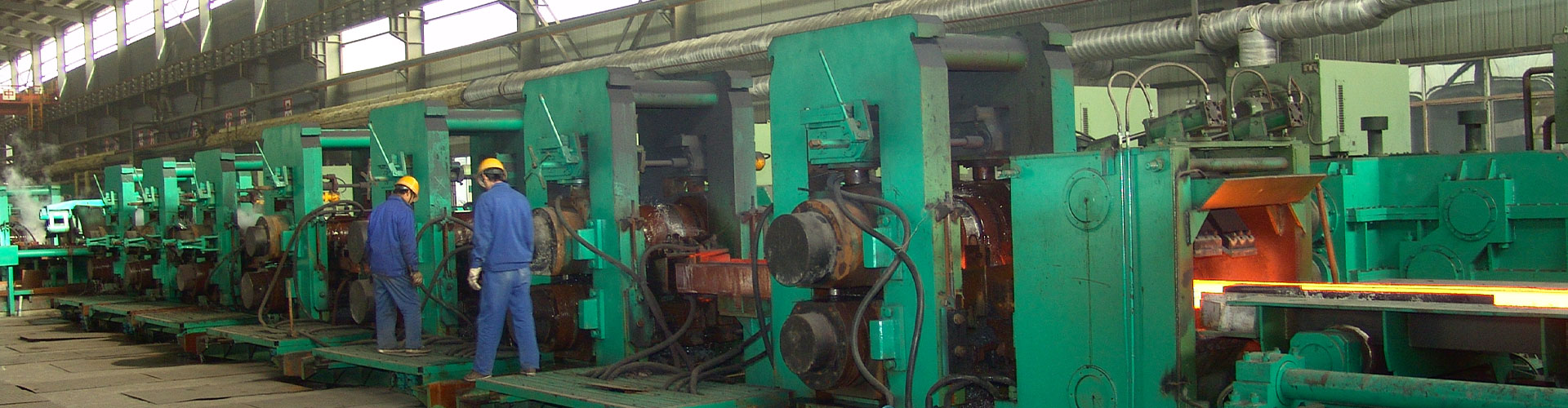
А блок измельчения прокатного стана, часто называют просто редукционным блоком или мельницей мини-блоков., представляет собой компактный, многоклетевой прокатный агрегат, предназначенный для достижения значительного уменьшения поперечного сечения за одну, непрерывный проход. В отличие от традиционных прокатных станов, где клети разнесены друг от друга, стенды в блок измельчения прокатного стана расположены в тесном, последовательная последовательность. Такое расположение с высокой плотностью позволяет осуществлять непрерывную и быструю последовательность сокращений., что делает его исключительно эффективным для промежуточных и чистовых клетей прокатной линии.. Основная функция этого блока — преобразовать поступающий пруток или заготовку большего размера в меньший., законченный, или полуфабрикат с жесткими размерными допусками и улучшенным качеством поверхности..
Дизайн блок измельчения прокатного стана является ключевой областью знаний для таких компаний, как HANI TECH., специализируется на проектировании и производстве прокатного оборудования и вспомогательных деталей.. Их опыт гарантирует надежность этих блоков., надежный, и способный работать на высоких скоростях.
Основные компоненты и интеграция со клетью прокатного стана
Эффективность блок измельчения прокатного стана зависит от бесшовной интеграции его основных компонентов, каждый играет жизненно важную роль. Наиболее критическим из них является клеть прокатного стана. Внутри редукционного блока, несколько клети прокатного стана монтируются на одном, жесткая рама. Эти стойки могут быть горизонтальными., вертикальный, или комбинация того и другого (НАПРИМЕР., чередование горизонтальных и вертикальных стоек), что позволяет производить деформацию под разными углами без необходимости перекручивания заготовки между стойками. Это не только повышает эффективность, но также улучшает овальность и точность размеров конечного продукта..
Каждый клеть прокатного стана внутри блок-хаусов пара рулонов, которые являются точками прямого контакта с металлом. Валки приводятся в движение мощным двигателем., часто через редуктор, специально предназначенный для блока. Точность системы привода имеет первостепенное значение для поддержания постоянной скорости на всех клетях., предотвращение возникновения напряжения или сжатия в прокатываемом материале. Более того, Блок оснащен сложным направляющим оборудованием для точного перемещения заготовки от одной клети к другой., обеспечение стабильности на протяжении всего процесса восстановления. Вспомогательные системы охлаждения и смазки также являются неотъемлемой частью работы блока., управление огромным теплом, выделяемым при пластической деформации, и снижение износа валков.
Наука уменьшения размера: Как работает блок
Операция блок измельчения прокатного стана это сплошное чудо машиностроения. Процесс начинается, когда предварительно нагретая заготовка или полуфабрикат из чернового стана поступает в первую клеть блока.. При прохождении заготовки через зазор между валками первой клети, его сечение уменьшено, и его длина соответственно увеличивается. Немедленно, запас занят следующим стендом, у которого зазор между валками немного меньший, применяя дальнейшее сокращение.
Эта последовательность повторяется в каждом последующем клеть прокатного стана в блоке. Залогом успешной работы является прокатка «без напряжения» или «микронапряжения»., где скорость каждой клети тщательно синхронизирована в соответствии с удлинением материала. В современных блоках используются передовые системы автоматизации и управления, позволяющие динамически регулировать скорость каждой клети., обеспечение плавного, непрерывный поток металла. Именно этот точный контроль позволяет блок измельчения прокатного стана добиться таких высоких показателей сокращения при превосходном качестве продукции. Компактность блока сводит к минимуму потери температуры в заготовке., что имеет решающее значение для поддержания стабильных свойств материала и снижения силы прокатки..
Основные технические параметры редукционного блока прокатного стана
Выбор и работа с блок измельчения прокатного стана требует глубокого понимания его технических характеристик. Параметры ниже определяют емкость, способность, и область применения оборудования. Эти спецификации имеют решающее значение для инженеров и руководителей предприятий, позволяющих адаптировать блок к их конкретным производственным целям., для углеродистой стали, Сплава Сталь, или цветные металлы.
| Параметр | Описание | Типичный диапазон / Пример |
|---|---|---|
| Количество стендов | Общее количество прокатных клетей, интегрированных в блок. | 2, 4, 6, 8, 10 |
| Расположение стендов | Ориентация последовательных стендов (НАПРИМЕР., Горизонтально-Вертикальное). | ХВ, В-Х, Х-В-Х-В |
| Размер входной панели | Максимальный размер поперечного сечения входящего материала. | Ø18мм – Ø60мм |
| Размер выходной панели | Окончательный размер изделия после прохождения блока. | Ø8мм – Ø40мм |
| Максимальное общее сокращение | Максимально возможное уменьшение площади поперечного сечения. | До 85-90% |
| Диаметр рулона | Диаметр рабочих валков в каждой клети. | Ø180мм – Ø350мм |
| Рулонный материал | Состав материала валков по износостойкости. | Центробежный чугун, Карбид вольфрама, HSS |
| Мощность главного двигателя | Суммарная мощность приводного двигателя на весь блок. | 500 кВт – 2500 кВт |
| Максимальная скорость катания | Максимальная линейная скорость прутка на выходе из конечной клети. | 10 РС - 45 РС |
| Передаточное число коробки передач | Коэффициент снижения скорости между двигателем и валками. | Индивидуально для каждого приложения |
| Тип мельницы | Базовая конструкция стенда внутри блока. | Топ-вход, Боковой вход, Консольный |
| Емкость системы охлаждения | Расход и давление охлаждающей воды для валков. | НАПРИМЕР., 100 м³/ч при 6 бар |
| Система смазки | Тип смазки для зубчатых передач и подшипников. | Централизованный масляный туман или смазка |
| Система управления | Система автоматизации, используемая для синхронизации скорости. | ПЛК с интерфейсом SCADA |
| Дизайн пропусков | Форма пазов, прорезанных в рулонах для каждой стойки. | Овал-Круглый, Квадрат-Овал, и т. д.. |
| Габаритные размеры (ДхШхВ) | Физический след всей сборки блока. | Значительно варьируется в зависимости от количества стендов |
| Общий вес | Примерный вес собранного блока. | 10 Тонны – 50 Тонны |
Применение и преимущества в современной металлургии
Применение блок измельчения прокатного стана широко распространен в производстве сортового проката. Особенно преобладает в:
- Высокоскоростные станы для катанки: Здесь, блок используется в качестве предварительно-чистового и чистового агрегата для изготовления бунтов катанки малых диаметров с высокой точностью и качеством поверхности..
- Прутовые и арматурные станы: Блок обеспечивает постоянство конечных размеров и улучшенные механические свойства арматурных и торговых стержней..
- Легкие секционные мельницы: Для изготовления углов, каналы, и другие небольшие разделы, Редукционный блок предлагает эффективное решение для формовки.
Преимущества использования блок измельчения прокатного стана многочисленны. Компактная конструкция экономит значительную площадь по сравнению с традиционными раздвижными мельницами.. Высокая эффективность восстановления приводит к снижению потребления энергии на тонну произведенной стали.. Улучшенное качество продукции, с точки зрения точности размеров и чистоты поверхности, является прямым результатом постоянного, контролируемый процесс прокатки. Более того, высокая степень автоматизации сокращает ручное вмешательство и повышает общую эксплуатационную безопасность.
Такие компании, как HANI TECH, не только поставляют новое оборудование, но также предоставляют необходимые запасные части и технические услуги для существующего. блок измельчения прокатного стана установки. Сюда входят роллы, коробки передач, гиды, и компоненты привода, обеспечение минимальных простоев прокатных станов. Сходным образом, для предварительного процесса плавки металла, Металлургическое подразделение HANI (hanmetallurgy.com) предлагает электродуговые печи, ковшовые рафинировочные печи, и машины непрерывного литья заготовок, которые имеют решающее значение для подготовки высококачественных заготовок, которые подаются на прокатные станы.
Заключение
А блок измельчения прокатного стана – залог эффективного и качественного металлопрокатного производства. Его интеллектуальный дизайн, который объединяет несколько клети прокатного стана в единый, синхронизированный блок, обеспечивает беспрецедентный контроль над процессом измельчения. Понимая сложные технические параметры и принципы работы блок измельчения прокатного стана, производители могут значительно повысить свою производительность и качество продукции. По мере развития технологий, мы можем ожидать, что эти блоки станут еще более эффективными, интегрирован с профилактическим обслуживанием и оптимизацией на основе искусственного интеллекта, дальнейшее укрепление своей роли в будущем обработки металлов давлением.