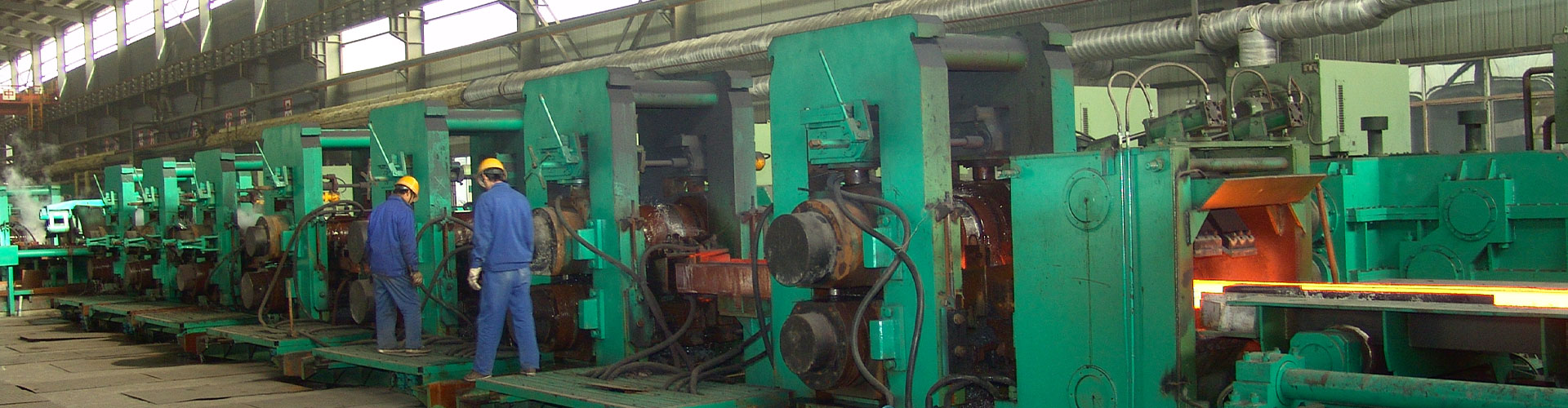
В ходе эксплуатации Прокатная мельница, стабильность верхнего валка – важнейший фактор, напрямую влияющий на качество продукта и срок службы оборудования. Когда верхний ролик отрегулирован, или во время паузы между проходами, сила тяжести тянет верхний роликовый узел (включая рулон, чурки, и подшипники) вниз. При этом образуется зазор между регулировочным винтом и гайкой., а также между корпусом подшипника и резьбовым концом.
Без надлежащей системы балансировки, когда металл попадает в укус, верхний валок внезапно толкается вверх, чтобы закрыть этот зазор. Это приводит к серьезной ударной нагрузке, часто называемой «скачком крена», которая может повредить резьбу завинчивающего механизма., преждевременно изнашиваются подшипники, и вызывают изменения толщины проката.
Чтобы предотвратить это, установлены балансировочные устройства. Их основная функция — создавать непрерывную направленную вверх силу, превышающую вес узла верхнего ролика., сохранение плотного контакта деталей, даже если в стане нет стали. Ниже, мы подробно описываем четыре основных типа балансировочных устройств, используемых в современных и традиционных прокатных станах., вместе с их эксплуатационными параметрами и соображениями по техническому обслуживанию..
Расчеты: Сколько силы нужно?
Прежде чем рассмотреть типы, инженерам по техническому обслуживанию важно понимать физику. Балансирующая сила не просто равна весу деталей.; оно должно быть немного выше для обеспечения устойчивости.
Стандартная формула балансирующей силы (вопрос)
Q = (1.2 к 1.4) × Г
Где Г - общий вес верхнего рулона, подкладки верхних роликов, и любые подвесные аксессуары.
1. Обычная пружинная балансировка
Это простейшая форма балансировки, используемая в отрасли.. Обычно он встречается на сортовых или профильных станах, где положение верхнего валка относительно фиксировано или перемещается очень незначительно..
Механизм
Пружины установлены на верхней части корпуса мельницы. (стенд). Длинные подвесные болты (тяги) пройдите через корпус и зацепите верхние опоры ролика. Когда рулон опущен, пружины сжимаются, хранение энергии. Когда рулону нужно подняться, пружины высвобождают эту энергию, чтобы поднять сборку.
Рабочие параметры
- • Предел движения: Лучше всего подходит для станов с небольшим подъемом валков., обычно не более 50–100 мм.
- • Надежность: Очень высокий, так как мало движущихся частей.
- • Недостаток: Балансирующая сила колеблется. Когда пружины сжимаются, сила увеличивается; как они расширяются, сила уменьшается. Предпочтительны более длинные пружины, чтобы поддерживать эту силу относительно постоянной..
2. Пружинная балансировка на контргайке
Эта система в значительной степени устарела, но ее все еще можно встретить на старых толстолистовых станах.. Это была инженерная попытка решить проблему «переменной силы» обычных пружин..
В этом дизайне, пружины опираются на специальную гайку, которая перемещается вверх и вниз с той же скоростью, что и верхний валик. Хотя теоретически обоснован, механическая сложность затрудняла обслуживание. Общую высоту клети пришлось значительно увеличить., требующие более высоких заводских зданий. Большинство мельниц этого типа оснащены гидравлическими системами..
3. Противовес (Тяжелый молот) Балансировка
Для станов, работающих в тяжелых условиях, где верхний валок должен перемещаться часто и на большие расстояния, таких как блюминговые или слябинговые станы, пружин недостаточно.. Вот где сияет система противовеса.
Как это работает
Эта система использует простую физику: рычаги и грузики. Тяжелый «молот» или грузовой блок расположен в фундаменте под клетью стана.. Он соединен с помощью системы рычагов и вертикальных толкателей, которые воздействуют непосредственно на нижнюю сторону верхних подушек валков..
Плюсы и минусы
- + Постоянная сила: В отличие от пружин, гравитация постоянна. Балансирующая сила остается одинаковой независимо от положения ролика..
- + Диапазон: Отлично подходит для больших вертикальных перемещений..
- – Инфраструктура: Требуется глубокий и сложный фундамент для размещения тяжелых грузов и рычагов., увеличение первоначальных затрат на гражданское строительство.
4. Гидравлическая балансировка
Это стандарт для современных полосовых станов., 4-высокие толстолистовые станы, и большинство высокоточных прокатных установок. Он предлагает лучший баланс производительности и эффективности использования пространства..
Современное решение
Гидравлические цилиндры встроены непосредственно в окна мельницы или подкладки.. Жидкость под давлением удерживает узел верхнего ролика против винтов.. Когда винты втягиваются, гидравлическое давление мгновенно поднимает рулон вверх.
Ключевые особенности
Не требует высоких потолков (как Тип 2) или глубокий фундамент (как Тип 3).
Легко заменять валки, поскольку цилиндры можно быстро втягивать.. Однако, требуется специальная гидравлическая станция.
В условиях замерзания, стандартные жидкости на водной основе могут замерзнуть. Необходимо использовать эмульсии или специализированные веретенные масла..
Сравнение систем балансировки
Для руководителей производств и инженеров, выбор или определение правильной системы зависит от типа мельницы. Вот техническое сравнение:
| Тип | Ролл-движение | Сложность | Лучшее приложение |
|---|---|---|---|
| Обыкновенная весна | Маленький (< 100мм) | Низкий | Профильные/секционные фрезы |
| Весна на орехе | Середина | Очень высокий | Старые пластинчатые мельницы (Редкий) |
| Противовес | Большой | Середина (Тяжелая база) | Блюминг/слябинговые станы |
| Гидравлический | Переменная | Высокий (Требуется насос) | Современные полосовые/листовые станы |
Краткое описание выбора и обслуживания
Выбор балансировочного устройства диктуется конструкционным назначением прокатного стана.. Пружинные системы экономически эффективны для станов с минимальной регулировкой валков., они терпят неудачу в условиях высокой точности, где зазор необходимо устранять с постоянной силой. Отрасль в значительной степени перешла к гидравлическая балансировка для новых установок благодаря компактности и простоте автоматизации.
Для ремонтных бригад, регулярная проверка этих устройств имеет решающее значение.. Для гидравлических систем, целостность уплотнения имеет первостепенное значение для предотвращения перепадов давления, которые могут привести к проскальзыванию валков или повреждению при ударе.. Для пружинных систем, проверка усталости металла и отсутствие удлинения тяг необходима для поддержания необходимого запаса прочности в 1,2–1,4 раза больше массы ролика в сборе..