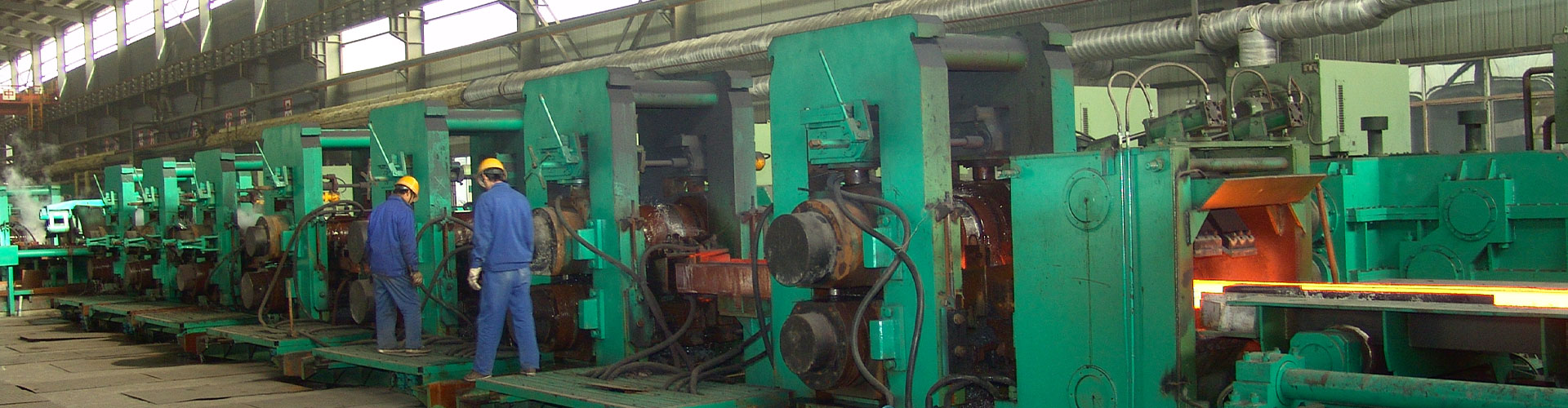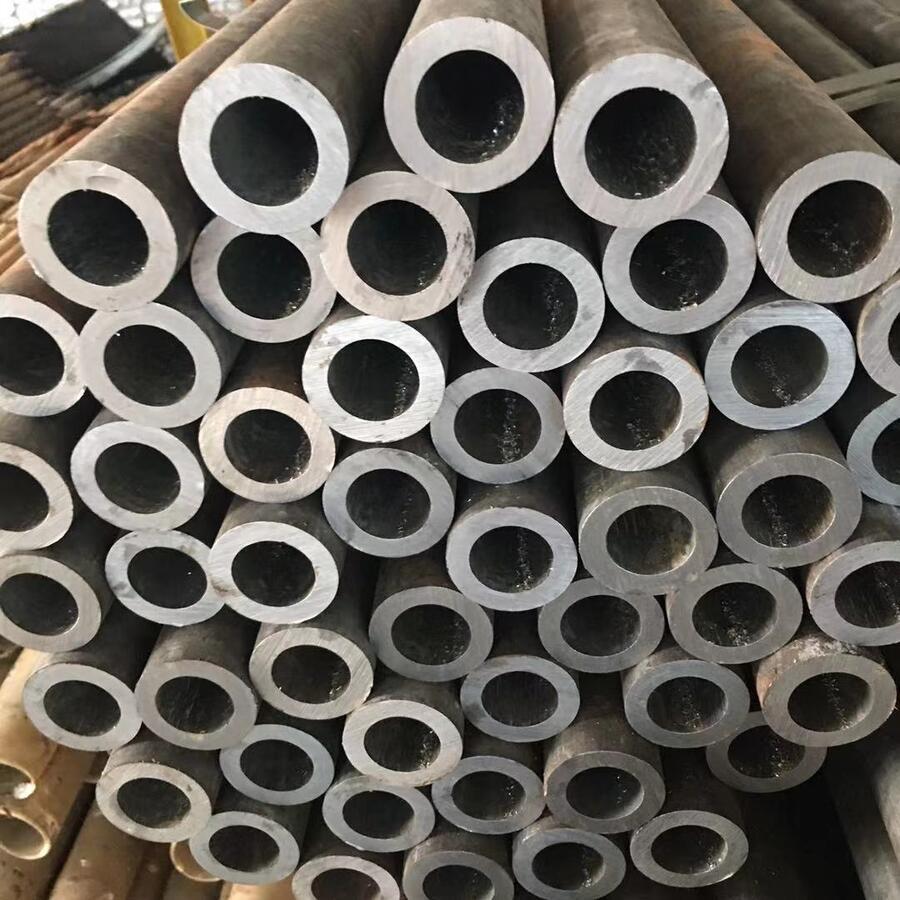
Для начала, износ валков ограничивает качество продукции и срок службы валков в универсальном прокатном производстве. По этой причине, в этом исследовании используются данные, полученные на местах, и классические теории износа.. Тем временем, в нем обобщены механизмы износа валков и правила неравномерного распределения износа.. Кроме, он анализирует ключевые факторы, влияющие на горячую прокатку. Более того, он также предоставляет практические методы оптимизации и обслуживания.. В конечном счете, результаты направляют выбор рулона, управление циклом и производство стали стабильного профиля.
1. Введение
Прежде всего, Для прокатки стальных профилей применяется специальная технология прокатки. Как результат, он производит сложную трехмерную деформацию металла. В сравнении, условия его трения и контакта более сложны, чем при плоском прокатке..
Кроме того, износ валков постоянно накапливается в ходе массового производства. Еще хуже, серьезный неравномерный износ вызывает отклонения размеров и дефекты поверхности. Более того, это также приводит к нестабильным состояниям качения. Соответственно, изучение законов износа валков помогает снизить расход валков и повысить стабильность производства.
2. Основные механизмы износа универсальных прокатных валков
Для начала, рабочие оценивают состояние прокатки по суммарному тоннажу пройденной стали. Во время горячей прокатки, Между горячими заготовками и охлажденными поверхностями валков существует непрерывное скольжение.. Тем временем, проскальзывание вперед и назад существует при каждом проходе прокатки.
Вообще говоря, Износ металла имеет семь основных типов. Конкретно, распространенные формы включают адгезивный износ., коррозионный износ, усталостный износ и абразивный износ. Фактически, Фактический износ валков происходит из-за нескольких связанных механизмов, а не из-за одной причины..
В частности, прокатная нагрузка, скорость и условия охлаждения определяют доминирующий тип износа. Как только условия труда изменятся, основной механизм износа изменится и ускорит повреждение валков.
С одной стороны, горячая прокатка образует окислительную среду с высокой температурой и охлаждающей водой.. С другой стороны, оксидный слой ослабляет прочность сцепления с поверхностью. Следовательно, На поверхностях валков часто возникают микроотслаивание и потеря частиц.
Помимо этого, циклическая нагрузка и колебания температуры вызывают контактное усталостное повреждение. Самое главное, Адгезивный износ и коррозионный износ преобладают в прокате сортовой стали.. Тем временем, усталостный износ играет вспомогательную роль ускорения.
Суммируя, Износостойкость валков означает максимальный радиальный износ после фиксированного тоннажа прокатки.. Для справки, модель износа Арчарда поддерживает количественный анализ. Поэтому, Объем износа увеличивается с увеличением контактной нагрузки и уменьшается с увеличением твердости поверхности..
3. Закон распределения неравномерного износа при прокатке
От долгосрочного обнаружения поля, на проходах профильных стальных валков появляются устойчивые признаки неравномерного износа.
Прежде всего, степень износа постепенно увеличивается от боковых стенок прохода к внутренним углам. По этой причине, углы прохода всегда образуют максимальную зону износа. Тем временем, объем износа медленно падает от нижних краев прохода к центру.
Общий, износ нижней части прохода выше, чем износ боковой стенки. Кроме, нижняя поверхность также имеет лучшую однородность износа, чем боковые стенки.. Несмотря на то, что разный прокатный тоннаж вызывает незначительные различия в стоимости, они никогда не меняют фиксированную тенденцию неравномерного износа.
4. Многофакторный анализ причин неравномерного износа
4.1 Дифференциальное скольжение вызывает несбалансированное трение
Первый, контактный ролик заготовок специальной формы проходит в разное время. Таким образом, состояния скольжения сильно различаются на выходе из прокатки.
Заметно, нижние углы прохода имеют наименьший диаметр валка и наименьшую линейную скорость. Соответственно, они производят наибольшее скольжение вперед. Постепенно, скольжение вперед уменьшается с увеличением диаметра валка к центру прохода.
Когда скорость вращения соответствует скорости заготовки, значение скольжения становится нулевым. Наоборот, больший диаметр роликов приводит к обратному скольжению. Как следствие, смешанные состояния скольжения создают неравномерное распределение трения. Естественно, углы и нижняя часть подвергаются концентрированному износу.
4.2 Потеря охлажденного слоя приводит к неравномерной твердости
Изначально, новые валки проходят комплексную термическую обработку. Следовательно, образуют закаленный слой высокой твердости толщиной 50–60 мм.. На этом этапе, новые проходы имеют стабильную твердость и хорошую износостойкость.
Тем не менее, повторное точение и шлифование удаляют частичные охлажденные слои. Впоследствии, некоторые зоны прохода входят в переходные слои низкой твердости. Одновременно, высокие температуры прокатки изменяют поверхностные металлографические структуры.
За длительную эксплуатацию, местные различия в твердости продолжают увеличиваться. По очереди, разные позиции прохода демонстрируют неодинаковую износостойкость. В конце концов, при проходах валков появляется явный неравномерный износ.
4.3 Устойчивость к деформации при несбалансированных изменениях температуры
Математически, сопротивление деформации заготовки подчиняется отрицательной экспоненциальной температурной зависимости: К=Я⁻ᵐТ. Проще говоря, более низкая температура приводит к более высокой стойкости к деформации и большей нагрузке качения.
На практике, Заготовки из профильной стали имеют неравномерное распределение температуры. Конкретно, температура стенки выше температуры фланца. Так же, Температура основания фланца выше температуры конца фланца.
По этой причине, низкотемпературные фланцевые зоны выдерживают большее трение и давление. Соответственно, их соответствующие позиции пасов изнашиваются быстрее. Очевидно, Разница температур является основной причиной неравномерного износа прохода..
4.4 3Деформация D вызывает нестабильную нагрузку качения
По определению, Прокат сортовой стали относится к типичным трехмерным пластическим деформациям.. Собственно говоря, стенка и полка имеют разные степени обжатия.
С одной стороны, зоны крупных деформаций ограничены зонами мелких деформаций. С другой стороны, внутреннее напряжение и сжатие меняют первоначальные правила течения металла. Даже небольшая разница в уменьшении приводит к очевидным колебаниям силы прокатки..
Из-за несбалансированного распределения нагрузки, каждое положение прохода имеет разные уровни трения. Фактически, это условие приводит к разным скоростям износа по всей поверхности прохода..
5. Оптимизация процессов и научные меры по техническому обслуживанию
На основе вышеперечисленных механизмов износа, эта часть обеспечивает целевые улучшения. В широком смысле, он охватывает параметры прокатки, обработка валков и контроль температуры.
5.1 Оптимизация параметров прокатки
В эксплуатации, разумно отрегулируйте коэффициенты уменьшения стенки и полки. Таким образом, металлическое удлинение и асинхронное скольжение могут оставаться сбалансированными. Как результат, равномерное распределение трения снижает концентрированный износ в углах и нижней части.
5.2 Стандартизация токарной обработки и шлифования
Прежде всего, контролировать глубину поворота для защиты охлажденных слоев. Периодически, регулярно определять твердость прохода. Кроме того, совмещать зоны высокой твердости с зонами прокатки фланцев, подвергающимися высоким нагрузкам.
Дальше, применить локальное усиление на уязвимых углах и днище. С помощью этого метода, местная износостойкость может быть значительно улучшена.
5.3 Улучшение равномерности нагрева заготовки
Для решения проблем с температурным градиентом, оптимизировать контроль температуры печи и процессы предварительного нагрева. Если температурный зазор между стенкой и полкой сокращается, сопротивление деформации останется стабильным. Тем самым, нагрузка качения и трение распределяются равномерно.
5.4 Обновление стандартов замены рулонов
При оценке здоровья броска, судите о состоянии роликов по тоннажу стали и фактическому радиальному износу. На протяжении ежедневного производства, усилить проверку на слабых позициях прохода. До возникновения дефектов или вибрации, замените или переточите валки заранее.
6. Заключение
Первый, Валки универсальной мельницы демонстрируют типичные признаки неравномерного износа.. Конкретно, Углы передач имеют самый серьезный износ, и износ нижней части прохода выше, чем износ боковой стенки.
Второй, асинхронное проскальзывание металла и сложная трехмерная деформация являются основной причиной неравномерного износа прохода.. Без устранения этих двух факторов, неравномерный износ невозможно контролировать принципиально.
Третий, затухание охлажденного слоя, несбалансированная твердость и неравномерная температура заготовки в совокупности ухудшают разницу в износе. Всего, эти три вспомогательных фактора усиливают локальные потери материала при прокатке..
Четвертый, оптимизация параметров, стандартизированное шлифование и точный контроль температуры эффективно подавляют концентрированный износ. В долгосрочной перспективе, эти меры стабилизируют качество продукции и сокращают общий расход рулонов..