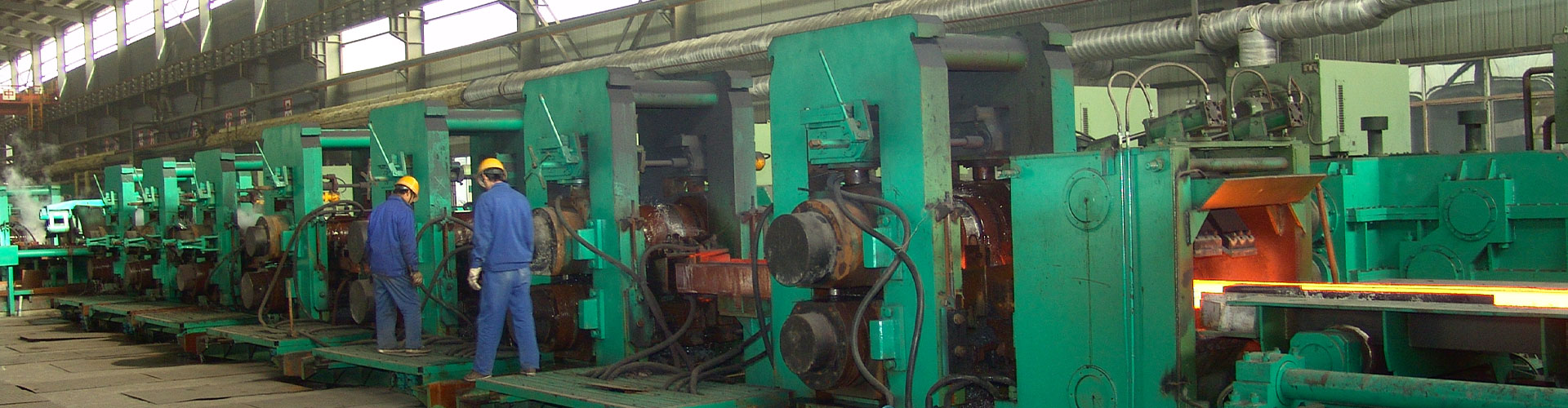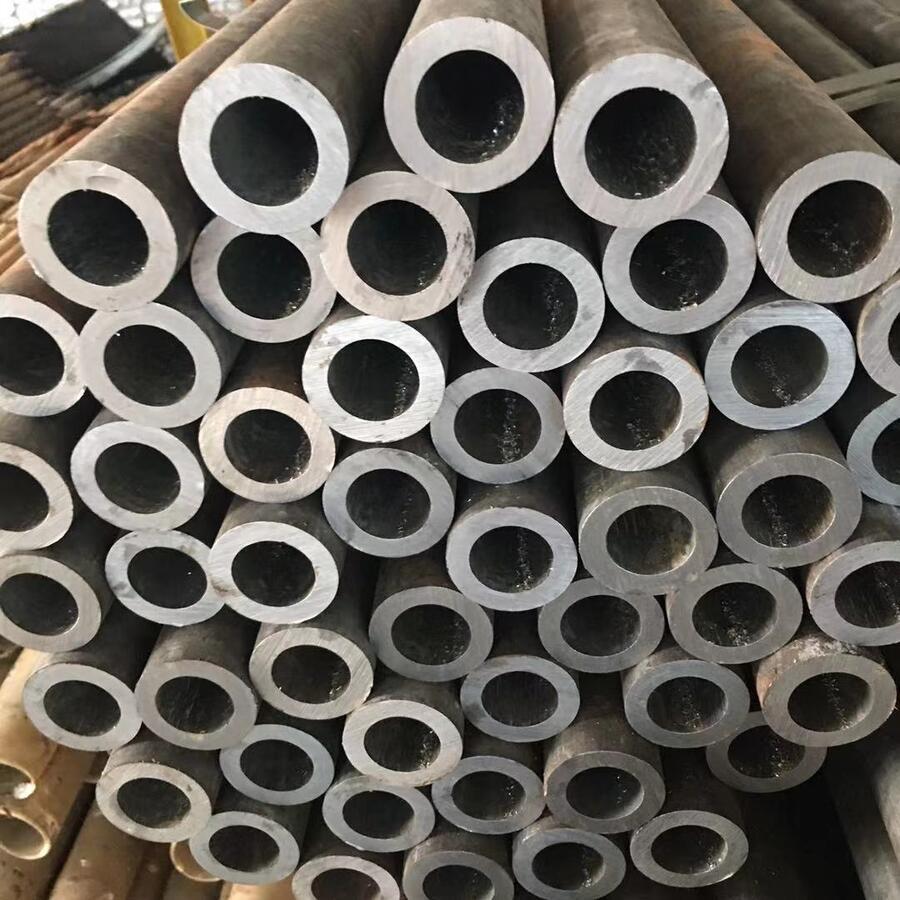
High-speed wire rod finishing mill groups represent the most advanced technology in modern steel rolling production. These sophisticated machines transform semi-finished steel into precise wire rods at remarkable speeds, often exceeding 100 meters per second. Understanding the technical aspects of these mill groups is essential for steel manufacturers looking to optimize their production lines and achieve superior product quality.
What Makes High-Speed Wire Rod Finishing Mills Different?
Unlike conventional rolling mills, high-speed wire rod finishing mill groups operate at speeds that demand exceptional engineering precision. The finishing block alone can contain 8 to 10 rolling stands arranged in a compact configuration, processing material at temperatures between 900°C and 1050°C while maintaining dimensional tolerances within ±0.10mm.
Core Components of Wire Rod Finishing Mill Groups
A complete high-speed wire rod finishing mill system consists of several integrated sections, each playing a vital role in the final product quality. The typical configuration includes pre-finishing mills, intermediate finishing units, and the high-speed finishing block itself.
Pre-Finishing Mill Section
The pre-finishing mill group typically consists of 6 stands arranged in horizontal-vertical alternating configuration. In many modern plants, this section includes:
- 2 units of Φ400mm closed-type mills – These handle larger reduction ratios to prepare the material for finishing
- 2 units of cantilever roller ring mills – Featuring suspended roll design for quick changeover
- 2 units of V-type top-cross mills – Eliminating torsion between stands
| Mill Type | Roll Diameter (mm) | Motor Power (kW) | Max Speed (m/s) | Reduction Ratio |
|---|---|---|---|---|
| Φ400 Closed Mill | 340-400 | 500-800 | 12-18 | 1.25-1.35 |
| Cantilever Ring Mill | 210-255 | 350-550 | 18-35 | 1.20-1.28 |
| V-Type Top-Cross Mill | 210-255 | 400-600 | 25-45 | 1.18-1.25 |
| High-Speed Finishing Block | 150-212 | 2500-4500 | 80-120 | 1.10-1.22 |
Technical Features of Cantilever Pre-Finishing Mills
The cantilever-type pre-finishing mill group offers several engineering advantages that make it popular in wire rod finishing mill installations worldwide:
🔧 Compact Layout Design
The mill group features a compact arrangement with simple equipment structure, lightweight components, short roll change cycles, and minimal maintenance requirements. This design reduces the overall footprint while maximizing production efficiency.
⚙️ Innovative Vertical Mill Drive System
Vertical mills use spiral bevel gear pairs to convert bottom drive to side drive, allowing horizontal extraction similar to horizontal mills. This reduces foundation depth requirements, simplifies installation and maintenance procedures significantly.
📦 Forged Panel Insert Roll Box Structure
The roll box uses forged panel insert-type construction for convenient assembly and disassembly. This design reduces equipment weight, improves installation accuracy, minimizes panel piping, and facilitates faster accident handling.
🛡️ Advanced Roll Neck Sealing
New-style roll neck sealing incorporates an eccentric plate at the seal location, keeping the seal ring center aligned with the roll shaft center. This dramatically reduces seal ring wear and extends service life by 40-60%.
🎯 Eccentric Sleeve Gap Adjustment
Roll gap adjustment uses eccentric sleeve mechanisms. Through lead screw and nut rotation of the eccentric sleeve, roll shafts move symmetrically to adjust the gap while maintaining constant rolling centerline position.
V-Type Top-Cross Mill Configuration
V-type top-cross pre-finishing mills share similar roll box structure, sealing methods, and gap adjustment mechanisms with cantilever roller mills. However, they offer additional benefits specific to high-speed wire rod finishing mill operations:
Twin-Stand Single Drive
Two stands form one group driven by a single AC motor through a speed-change gearbox. This arrangement creates compact layout, simple structure, lightweight design, short roll change cycles, and reduced maintenance. No looper is required between the two stands.
Superior Stability
The V-type top-cross arrangement eliminates torsional forces in the material between stands. Low center of gravity provides excellent stability with minimal vibration, enabling adaptation to higher rolling speed requirements in modern wire rod production.
High-Speed Finishing Block Specifications
The high-speed finishing block is the heart of any wire rod finishing mill system. Modern blocks contain 8 or 10 stands with tungsten carbide roll rings, capable of producing wire rod from 5.0mm to 25.0mm diameter.
| Parameter | 8-Stand Block | 10-Stand Block | 10+4 RSM Block |
|---|---|---|---|
| Maximum Rolling Speed | 90 m/s | 110 m/s | 120 m/s |
| Product Size Range | 5.5-16mm | 5.0-20mm | 4.5-25mm |
| Main Motor Power | 2800 kW | 3500 kW | 4500 kW |
| Roll Ring Diameter | 150-212mm | 150-212mm | 150-170mm |
| Dimensional Tolerance | ±0.15mm | ±0.12mm | ±0.08mm |
| Annual Capacity | 600,000 tons | 800,000 tons | 1,000,000 tons |
| Ovality Control | ≤0.30mm | ≤0.25mm | ≤0.15mm |
Process Parameters for Wire Rod Production
Successful operation of a high-speed wire rod finishing mill depends on precise control of multiple process parameters. The following table shows typical operating conditions for different steel grades:
| Steel Grade | Entry Temp (°C) | Exit Temp (°C) | Laying Temp (°C) | Max Speed (m/s) |
|---|---|---|---|---|
| Low Carbon (SAE 1008) | 980-1020 | 1000-1050 | 850-920 | 110 |
| Medium Carbon (SAE 1045) | 950-990 | 980-1020 | 820-880 | 95 |
| High Carbon (SAE 1080) | 920-960 | 950-990 | 780-850 | 85 |
| Stainless (AISI 304) | 1050-1100 | 1080-1120 | 950-1020 | 75 |
| Spring Steel (SUP7) | 900-940 | 930-970 | 800-860 | 80 |
Lubrication and Cooling Systems
Proper lubrication is critical for high-speed wire rod finishing mill performance. The lubrication system must handle extreme conditions while protecting precision components:
| System Component | Oil Flow Rate | Pressure (MPa) | Temperature (°C) |
|---|---|---|---|
| Finishing Block Bearings | 800-1200 L/min | 0.3-0.5 | 35-45 |
| Gearbox Lubrication | 400-600 L/min | 0.2-0.4 | 40-55 |
| Roll Ring Cooling Water | 2000-3000 L/min | 0.4-0.6 | 25-35 |
| Guide Cooling Water | 500-800 L/min | 0.3-0.5 | 25-35 |
Roll Change Procedures and Timing
Efficient roll changing directly impacts wire rod finishing mill productivity. Modern quick-change systems have dramatically reduced downtime compared to older designs:
Typical Roll Change Times
- Complete finishing block roll set: 15-25 minutes with cassette system
- Single stand roll change: 3-5 minutes
- Pre-finishing mill stand: 8-12 minutes
- Guide and roller replacement: 5-8 minutes per position
- Full caliber change: 45-90 minutes depending on size variation
Roll Ring Materials and Service Life
The choice of roll ring material significantly affects the performance and operating cost of high-speed wire rod finishing mills. Tungsten carbide rolls dominate modern installations due to their superior wear resistance:
| Roll Material | Hardness (HRA) | Tonnage/Groove | Surface Finish (Ra) | Cost Factor |
|---|---|---|---|---|
| Tungsten Carbide (WC-Co) | 85-92 | 8,000-15,000 tons | 0.4-0.8 μm | 1.0x (baseline) |
| High-Speed Steel (HSS) | 65-70 | 1,500-3,000 tons | 0.8-1.6 μm | 0.3x |
| Cast Iron (ICDP) | 55-62 | 800-1,500 tons | 1.2-2.5 μm | 0.15x |
| Ceramic Composite | 90-95 | 12,000-20,000 tons | 0.2-0.4 μm | 2.5x |
Common Wire Rod Products and Applications
High-speed wire rod finishing mill groups produce a wide range of products for diverse industrial applications. Understanding the end-use requirements helps optimize mill settings:
Used for reinforcement mesh, binding wire, nails, and welded structures. Requires good ductility and consistent mechanical properties across the coil.
High-carbon steel for tire reinforcement. Demands exceptional surface quality, minimal decarburization, and tight diameter tolerances of ±0.08mm.
Low carbon and alloy grades for MIG/MAG welding electrodes. Surface cleanliness and low hydrogen content are critical quality parameters.
Medium to high carbon steel with chromium-vanadium additions. Requires controlled cooling for optimal microstructure and fatigue resistance.
High-carbon steel for prestressed concrete strands. Tensile strength exceeding 1860 MPa with excellent drawability characteristics.
Quality Control Parameters
Modern high-speed wire rod finishing mill operations require continuous monitoring of multiple quality parameters. Advanced automation systems track these variables in real-time:
| Quality Parameter | Measurement Method | Typical Tolerance | Sampling Rate |
|---|---|---|---|
| Diameter | Laser gauge | ±0.10-0.15mm | 1000 Hz |
| Ovality | Laser gauge | ≤0.25mm | 1000 Hz |
| Surface Temperature | IR pyrometer | ±10°C | 100 Hz |
| Surface Defects | Eddy current | ≥0.1mm depth | Continuous |
| Tensile Strength | Lab testing | ±30 MPa | Per coil |
Maintenance Best Practices
Maximizing the reliability and performance of a high-speed wire rod finishing mill requires systematic maintenance approaches. The following schedule represents industry best practices:
Recommended Maintenance Schedule
- Oil pressure and flow rate verification
- Cooling water temperature monitoring
- Vibration level observation
- Guide alignment visual inspection
- Roll ring wear measurement
- Bearing temperature trend analysis
- Seal condition assessment
- Lubrication system filter check
- Gearbox oil analysis
- Coupling alignment verification
- Motor bearing greasing
- Hydraulic system inspection
- Complete bearing replacement on high-wear positions
- Gearbox inspection and rebuild as needed
- Roll shaft reconditioning
- Electrical system comprehensive testing
Energy Consumption Benchmarks
Energy efficiency is increasingly important for wire rod finishing mill operations. Modern mills achieve significant improvements through advanced drive systems and optimized pass designs:
| Product Size | Specific Energy (kWh/ton) | Rolling Speed (m/s) | Production Rate (t/h) |
|---|---|---|---|
| 5.5mm wire rod | 55-65 | 100-110 | 140-160 |
| 8.0mm wire rod | 45-55 | 75-85 | 150-170 |
| 12.0mm wire rod | 35-45 | 45-55 | 145-165 |
| 16.0mm wire rod | 30-38 | 28-35 | 130-150 |
Troubleshooting Common Issues
Even well-maintained high-speed wire rod finishing mill equipment can experience operational problems. Quick identification and resolution minimizes production losses:
| Problem | Possible Causes | Recommended Actions |
|---|---|---|
| Diameter variation | Roll wear, temperature fluctuation, tension imbalance | Check roll condition, verify pyrometer calibration, adjust looper settings |
| Surface scratches | Guide wear, roll ring damage, scale buildup | Replace guides, inspect roll surface, increase descaling pressure |
| Cobbles | Guide misalignment, wrong pass design, speed mismatch | Realign guides, review rolling schedule, check speed ratios |
| Bearing overheating | Insufficient lubrication, seal failure, overload | Increase oil flow, replace seals, reduce rolling load |
| Excessive vibration | Coupling wear, foundation issues, unbalanced rolls | Inspect couplings, check foundation bolts, balance roll assemblies |
Future Developments in Wire Rod Finishing Technology
The high-speed wire rod finishing mill industry continues to evolve with emerging technologies that promise improved performance, efficiency, and product quality:
- Digital twin technology enables virtual simulation of mill behavior, allowing operators to optimize settings before actual production runs
- AI-based predictive maintenance systems analyze sensor data to forecast equipment failures weeks in advance
- Advanced cooling control using thermomechanical processing (TMP) produces wire rod with superior mechanical properties without additional heat treatment
- Higher speed capabilities exceeding 130 m/s are being developed for ultra-fine wire rod production
- Reduced Size Mills (RSM) with 4 additional stands achieve ±0.05mm tolerances for precision wire applications
Key Takeaways for Production Managers
Successful operation of high-speed wire rod finishing mill groups requires a balanced approach combining proper equipment selection, optimized process parameters, rigorous maintenance practices, and continuous quality monitoring. The investment in modern finishing mill technology pays dividends through higher productivity, better product quality, reduced energy consumption, and lower operating costs per ton of wire rod produced. Plants achieving best-in-class performance typically report overall equipment effectiveness (OEE) values exceeding 85% with first-pass yield rates above 99%.