إذا كنت تخطط لإنشاء منشأة لإنتاج الصلب, ترقية المصنع الحالي, أو الاستثمار في معدات الدرفلة, سيرشدك هذا الدليل إلى كل ما تحتاج إلى معرفته - بدءًا من المبادئ الأساسية ووصولاً إلى خيارات المعدات الأساسية واعتبارات تخطيط المشروع.
ما هو مصنع درفلة الصلب?
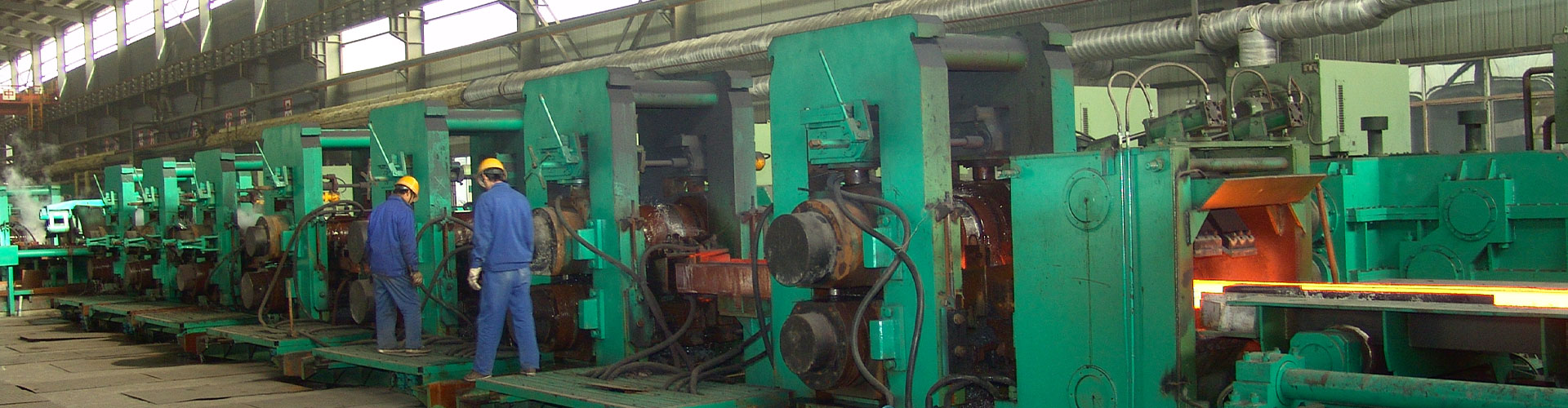
إن مصنع درفلة الفولاذ هو قلب أي خط إنتاج للصلب. فهو يأخذ قضبان أو أزهار فولاذية ساخنة وتمريرها عبر سلسلة من البكرات لتشكيلها إلى منتجات نهائية - مثل حديد التسليح, قضيب سلكي, زاوية الصلب, قناة الصلب, flat bars, وأكثر.
تبدو العملية بسيطة, لكن مصانع الدرفلة الحديثة عبارة عن أنظمة متطورة للغاية تتضمن التحكم الدقيق في درجة الحرارة, تكوينات متعددة الوقوف, التحكم الآلي في التوتر, وتقنيات التبريد المتقدمة. جودة مطحنة الدرفلة الخاصة بك تحدد الجودة بشكل مباشر, تناسق, وربحية منتجات الصلب الخاصة بك.
أنواع مصانع درفلة الصلب
يعتمد اختيار النوع المناسب من مطحنة الدرفلة على المنتجات المستهدفة وحجم الإنتاج. وهنا الفئات الرئيسية:
1. مصانع الدرفلة الساخنة
الدرفلة على الساخن هي الطريقة الأكثر شيوعًا في صناعة الصلب. يتم تسخين قطع الصلب إلى ما يقرب من 1100-1250 درجة مئوية قبل دحرجتها. عند درجة الحرارة هذه, يصبح الفولاذ مرنًا ويمكن تشكيله بسهولة أكبر, مما يسمح بسرعات إنتاج أسرع وتخفيضات أكبر في الحجم.
تعتبر مصانع الدرفلة على الساخن مثالية للإنتاج:
- حديد التسليح (قضبان فولاذية مشوهة) للبناء
- قضيب سلكي للشبكة, الأظافر, والسحابات
- زاوية فولاذية, قناة الصلب, والقضبان المسطحة
- قضبان مستديرة وقضبان مربعة
2. مصانع الدرفلة المستمرة
في مطحنة الدرفلة المستمرة, يتم ترتيب العديد من المدرجات جنبًا إلى جنب. يمر البليت عبر كل موقف دون توقف, مع تقليل المقطع العرضي تدريجيًا في كل مرحلة. يوفر هذا التصميم أعلى كفاءة إنتاجية يمكن أن تنتجها المطاحن المستمرة الحديثة 500,000 لأكثر من 1 مليون طن سنويا.
وتنقسم مصانع الدرفلة المستمرة إلى:
- مصانع الدرفلة بار: لحديد التسليح, قضبان مستديرة, وغيرها من المنتجات الطويلة
- مصانع قضبان الأسلاك: تشطيب عالي السرعة لقضبان الأسلاك التي يصل قطرها إلى 5.5 مم
- قسم مصانع الدرفلة: لزاوية الصلب, قناة الصلب, I-beams, وغيرها من الأقسام الهيكلية
3. عكس المطاحن
في مطحنة عكسها, يمر الفولاذ ذهابًا وإيابًا من خلال نفس مجموعة اللفات, مع تقليل فجوة اللفة في كل تمريرة. وتستخدم هذه عادة لأحجام الإنتاج الأصغر, الفولاذ التخصصي, أو كمواقف خشنة قبل التشطيب.
المكونات الرئيسية لخط مطحنة الدرفلة
يتكون خط إنتاج مطحنة الدرفلة الكامل من عدة مكونات مهمة:
فرن إعادة التسخين
قبل المتداول, يجب تسخين القضبان الفولاذية إلى درجة الحرارة المناسبة. تستخدم أفران إعادة التسخين الحديثة الغاز الطبيعي أو أنواع الوقود الأخرى وتتميز بأنظمة التحكم الآلي في درجة الحرارة. تعتبر أفران شعاع المشي هي الخيار القياسي لتسخينها الموحد والحد الأدنى من تلف الخام.
تقف مطحنة الدرفلة
المدرجات هي المعدات الأساسية التي يحدث فيها التشوه الفعلي. وتشمل المواصفات الرئيسية:
- قطر لفة: عادة 250 ملم إلى 650 ملم, اعتمادا على المنتج
- مادة لفة: الحديد الزهر عالي الكروم, الحديد الزهر البارد إلى أجل غير مسمى, أو الفولاذ عالي السرعة
- نوع الحامل: أفقي, رَأسِيّ, أو قابلة للتحويل (الجهد العالي) يقف
- نظام القيادة: محركات ذات تردد متغير DC أو AC مع مخفضات تروس
القص الطائر
تقوم المقصات الطائرة بقطع الفولاذ المتحرك إلى أطوال محددة دون إيقاف خط الإنتاج. تستخدم المقصات الطائرة الحديثة أنظمة دفع مؤازرة أو هيدروليكية للتحكم الدقيق في الطول.
سرير التبريد
بعد اللف والقطع, يتم نقل القضبان النهائية إلى سرير تبريد حيث يتم تبريدها بشكل طبيعي أو بالهواء القسري. يجب أن يضمن تصميم سرير التبريد تبريدًا موحدًا لمنع الانحناء والإجهاد المتبقي.
المعدات المساعدة
- أنظمة إزالة الترسبات لإزالة أكسيد السطح قبل التدحرج
- أنظمة التوجيه والحراسة لضمان دخول القضيب بدقة إلى كل حامل
- التبريد والتلطيف الذاتي (QST) أنظمة إنتاج حديد التسليح عالي القوة
- التجميع التلقائي, وزن, وأنظمة وضع العلامات
كيفية اختيار مطحنة الدرفلة المناسبة لمشروعك
إن اتخاذ القرار الصحيح بشأن المعدات يمكن أن يعني الفرق بين عملية مربحة ومصنع ضعيف الأداء. فيما يلي العوامل الحاسمة التي يجب مراعاتها:
1. حدد منتجاتك المستهدفة
ابدأ بتعريف واضح لما تريد إنتاجه:
- أنواع المنتجات: حديد التسليح, قضيب سلكي, أقسام, أو مزيج?
- نطاق الحجم: ما هو الحد الأدنى والحد الأقصى للأقطار أو المقاطع?
- درجات الصلب: الصلب الكربوني العادي, سبائك الصلب المنخفضة, أو درجات التخصص?
- معايير الجودة: هل ستحتاج إلى تلبية معايير وطنية أو دولية محددة؟?
2. تحديد متطلبات الطاقة الإنتاجية
سيحدد هدف الإنتاج السنوي الخاص بك تكوين المطحنة:
- 50,000 - 150,000 طن/سنة: ترتيب شبه مستمر أو عبر البلاد
- 150,000 - 500,000 طن/سنة: المتداول المستمر مع سرعة الانتهاء المعتدلة
- 500,000 - 1,000,000+ طن/سنة: مطحنة مستمرة عالية السرعة مع أتمتة متقدمة
3. ضع في اعتبارك المواد الأولية الخاصة بك
يؤثر حجم وجودة قضبان الفولاذ على كل جزء من تصميم المصنع:
- المقطع العرضي الخام (عادة 100x100mm إلى 200x200mm)
- طول الخام (معيار 6 م أو 12 م)
- مصدر: صناعة الصلب الخاصة بك (فرن الحث أو EAF) أو شراء الفراغات?
4. تقييم الفضاء والبنية التحتية
يمكن أن يكون خط مطحنة الدرفلة 200-400 مترا طويلة. تحتاج:
- مساحة أرض مناسبة مع تصميم الأساس المناسب
- مصدر طاقة موثوق (عادة عدة ميغاوات)
- إمدادات المياه لأنظمة التبريد
- أنظمة الهواء المضغوط والهيدروليكية
- الرافعات العلوية لمناولة المواد وصيانتها
5. تكلفة رأس المال المتوازن مقابل. مستوى الأتمتة
الأتمتة الأعلى تعني تكلفة أولية أعلى ولكن تكاليف تشغيل أقل:
- المستوى الأساسي: شحن البليت اليدوي, السيطرة على الموقف المحلي
- المستوى المتوسط: التحكم الآلي في الفرن, التحكم في سرعة التتالي, القص التلقائي
- المستوى المتقدم: مؤتمتة بالكامل بدءًا من شحن المواد الخام وحتى تجميع المنتج النهائي, مع التحكم المركزي في SCADA
تسليم المفتاح مقابل. مجزأة: ما هو نهج الشراء المناسب لك؟?
مشروع تسليم المفتاح
يعني مشروع مطحنة الدرفلة الجاهزة أن موردًا واحدًا يتولى كل شيء - التصميم, تصنيع المعدات, الأعمال المدنية, تثبيت, التكليف, والتدريب. تحصل على مصنع يعمل بكامل طاقته.
المزايا:
- نقطة مسؤولية واحدة - لا يوجد توجيه أصابع الاتهام بين الموردين
- جدول زمني أقصر للمشروع مع التنفيذ المنسق
- يضمن التصميم المتكامل أن تعمل جميع المكونات معًا على النحو الأمثل
- ضمان شامل ودعم ما بعد البيع
العيوب:
- التزام مقدم أعلى تجاه مورد واحد
- قد تتضمن هوامش الربح على العناصر المتعاقد عليها من الباطن
المشتريات الجزئية
يمكنك شراء مكونات فردية من موردين مختلفين وإدارة التكامل بنفسك.
المزايا:
- وفورات محتملة في التكاليف على العناصر الفردية
- حرية اختيار الأفضل في فئته لكل مكون
العيوب:
- مخاطر التكامل - قد لا تعمل المكونات معًا بسلاسة
- جدول زمني أطول للمشروع مع التنسيق بين الموردين المتعددين
- لا يوجد ضمان واحد للخط بأكمله
- يتطلب خبرة هندسية داخلية قوية
توصية: للوافدين الجدد أو الشركات التي تبني أول مصنع درفلة لها, يوصى بشدة باتباع نهج متكامل من شركة مصنعة ذات خبرة. غالبًا ما تفوق مخاطر التكامل وعبء إدارة المشروع الناتج عن الشراء الجزئي التوفير الواضح في التكاليف.
اتجاهات التكنولوجيا في مصانع الدرفلة الحديثة
أفران إعادة التسخين الموفرة للطاقة
لقد أدت تقنية الشعلات المتجددة الجديدة والمواد العازلة المحسنة إلى تقليل استهلاك وقود الفرن بنسبة 15-25% مقارنة بالتصاميم القديمة. نظرًا لأن فرن إعادة التسخين هو عادةً أكبر مستهلك للطاقة في مصنع الدرفلة, وهذا يترجم إلى وفورات تشغيلية كبيرة.
تقنية التشطيب عالية السرعة
تحقق الآن مطاحن القضبان السلكية الحديثة سرعات نهائية تزيد عن ذلك 100 متر في الثانية, مع تبريد متطور يمكن التحكم فيه (ناقل ستيلمور) للحصول على خصائص معدنية دقيقة. لمطاحن البار, تتيح أنظمة التوصيل عالية السرعة مع التبريد المائي إنتاج حديد التسليح عالي القوة (درجة 500 وما فوق) مباشرة من الحرارة المتداول.
الأتمتة والرقمنة
صناعة 4.0 وصلت في المتداول الصلب. تتميز المطاحن الحديثة:
- مراقبة العملية في الوقت الحقيقي مع مئات من أجهزة الاستشعار
- التحكم الآلي في القياس لتفاوتات الأبعاد الدقيقة
- أنظمة الصيانة التنبؤية التي تنبه المشغلين قبل حدوث الأعطال
- تحليلات بيانات الإنتاج لتحسين العائد المستمر
الاستثمار المقدر وعائد الاستثمار
ويختلف الاستثمار المطلوب بشكل كبير بناءً على السعة ومستوى الأتمتة:
- مطحنة بار صغيرة (50,000-100,000 tpy): تقريبًا $3-8 مليون
- مطحنة قضيب/قضيب متوسطة مستمرة (200,000-300,000 tpy): تقريبًا $10-20 مليون
- قضيب سلكي كبير عالي السرعة أو مطحنة بار (500,000+ tpy): $25-50 مليون أو أكثر
هذه تقديرات تقريبية تغطي المعدات الرئيسية. وستشمل تكاليف المشروع الإجمالية أيضًا الأعمال المدنية, تثبيت, المرافق, ورأس المال العامل.
مع هوامش الربح النموذجية $30-80 للطن الواحد لحديد التسليح و $50-150 للطن الواحد للمنتجات المتخصصة, يمكن لمشروع الدرفلة الذي تم تنفيذه بشكل جيد أن يحقق الاسترداد في الداخل 2-4 سنوات في ظروف السوق المواتية.
أسئلة يجب طرحها قبل الشراء
عند تقييم الموردين مطحنة الدرفلة, اطرح هذه الأسئلة الحاسمة:
- كم عدد المطاحن المماثلة التي قمت ببناءها وأين تعمل؟?
- هل يمكنني زيارة مصانعكم المرجعية والتحدث مع أصحابها؟?
- ما هي معايير الأداء المضمونة (سعة, أَثْمَر, تحمل المنتج)?
- ما هو مدرج في الضمان الخاص بك وما هو مستثنى?
- ما المدة التي يستغرقها تسليم قطع الغيار للمكونات المهمة؟?
- هل تقدمون تدريبًا للمشغلين وما مدى شموله؟?
- ما هو دعم ما بعد البيع الذي تقدمه - المساعدة عن بعد, الخدمة في الموقع, أو كليهما?
- ما هو الجدول الزمني النموذجي من توقيع العقد إلى التشغيل السريع؟?
خاتمة
يعد الاستثمار في مصنع لدرفلة الفولاذ قرارًا مهمًا يتطلب تخطيطًا دقيقًا وشريكًا مناسبًا للمعدات. من خلال تحديد أهداف منتجك بوضوح, القدرة الإنتاجية, والميزانية, ومن خلال اختيار شركة تصنيع ذات خبرة يمكنها تقديم حل متكامل وجاهز, يمكنك تقليل مخاطر المشروع وتعظيم العائد على الاستثمار.
تستمر صناعة الصلب في النمو على مستوى العالم, مدفوعة بتطوير البنية التحتية والتحضر. حديث, تتيح لك مطحنة الدرفلة الفعالة إمكانية التقاط هذا الطلب بجودة متسقة وتكاليف إنتاج تنافسية.