مقدمة
لقد تأثر تطور علم المعادن الحديث بشكل كبير بالتقدم في عمليات الدرفلة. واحدة من الأجهزة الهامة في هذا المجال هي آلة درفلة الفولاذ, والذي يلعب دورًا حاسمًا في تشكيل المنتجات المعدنية ذات الأبعاد الدقيقة والخواص الميكانيكية المحسنة. في هذه المقالة الشاملة, لن نقوم فقط بفحص الجوانب الرئيسية ومعايير التصميم الخاصة بالمنتج آلة درفلة الصلب ولكن أيضًا مناقشة تطبيقاتها المشتقة وارتباطاتها مع معدات معالجة المعادن الأخرى. مراجع من قادة الصناعة مثل قطاعات ملحقات الدرفلة على الساخن والمعادن من HANI TECH (يزور هاني تك لحلول الدرفلة على الساخن و هاني تك مكونات المعادن) تم دمجها لتقديم رؤى قيمة إضافية.
نظرة عامة على تكنولوجيا آلات لف الصلب
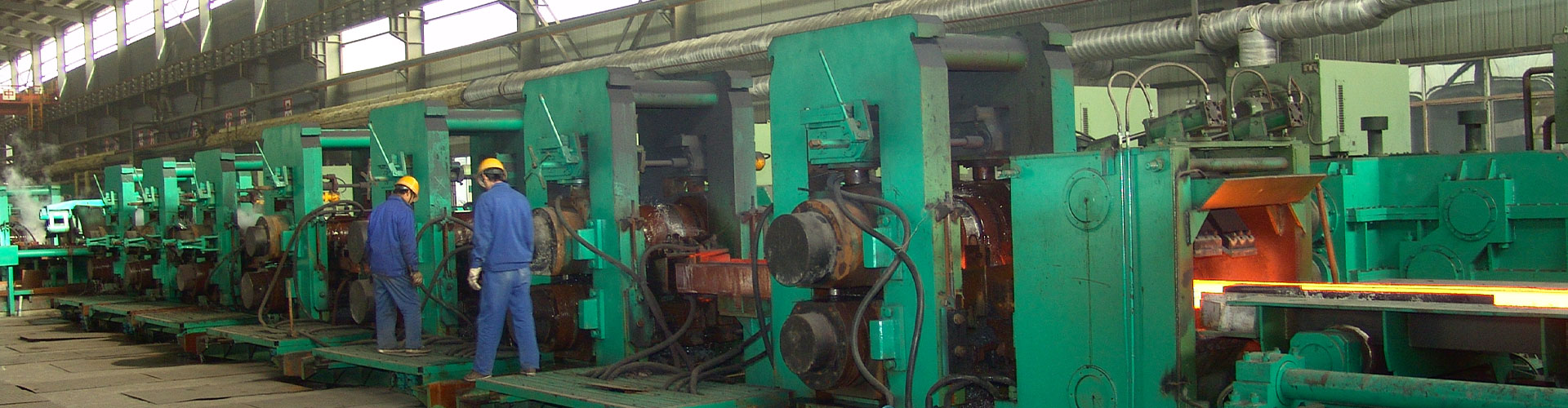
ال آلة درفلة الصلب لقد كانت في طليعة الابتكار الصناعي, تحويل الفولاذ الخام إلى منتجات نهائية صالحة للبناء, السيارات, وتطبيقات الآلات الثقيلة. تستفيد هذه الآلات من التصميم الميكانيكي الدقيق لدرفلة وتشكيل الفولاذ في ظل ظروف خاضعة للرقابة. يتضمن المبدأ الأساسي تغذية الفولاذ الساخن أو البارد من خلال سلسلة من البكرات, حيث يؤدي الضغط العالي إلى تشوه وتشكيل المادة. هذه العملية تحقق بنية الحبوب المحسنة, تشطيب سطحي أفضل, وتحسين عام في الخواص الميكانيكية للصلب.
حديث آلات درفلة الصلب دمج الأتمتة المتقدمة, أنظمة المراقبة الرقمية, ومواد عالية الجودة. تتضمن الكلمات الرئيسية المشتقة الإضافية المدمجة بشكل طبيعي في هذه المناقشة "تقنية الدرفلة".,"" مطحنة الدرفلة الساخنة,"" مطحنة الدرفلة الباردة,"و"عمليات الدرفلة المعدنية." معلمات العملية, جنبا إلى جنب مع أنظمة التحكم الرقمية, التأكد من تحسين الإنتاج من حيث الكفاءة والجودة.
المبادئ الفنية وآليات التشغيل
عملية آلة درفلة الصلب تتمحور حول العديد من المكونات الأساسية التي تعمل في تناغم لتقديم خصائص المنتج المطلوبة. تتضمن آليات القيادة بكرات قابلة للتعديل, الأنظمة الهيدروليكية, ووحدات التحكم في درجة الحرارة. فيما يلي بعض المبادئ التقنية الأساسية:
- تطبيق قوة اللفة: يحدد الضغط الذي تمارسه اللفات السُمك النهائي والخواص الميكانيكية للفولاذ. يجب معايرة قوة اللف لتناسب درجات الفولاذ المختلفة ومتطلبات السماكة.
- الإدارة الحرارية: التحكم في درجة الحرارة المرتفعة أمر ضروري, خاصة في تطبيقات الدرفلة على الساخن. تساعد أنظمة المراقبة الحرارية المحوسبة في الحفاظ على درجات الحرارة المثلى لتجنب العيوب مثل الاعوجاج أو مشكلات حدود الحبوب.
- ديناميات تدفق المواد: يعد سلوك الفولاذ أثناء تشوهه تحت الضغط أمرًا بالغ الأهمية. تحليل العناصر المحدودة المتقدم (الهيئة الاتحادية للبيئة) غالبًا ما يتم تطبيق التقنيات للتنبؤ بتدفق المواد, وبالتالي ضمان التدحرج الموحد والاتساق عبر الدفعات.
يتم تعزيز مبادئ التشغيل هذه في الأجهزة الحديثة من خلال دمج أنظمة التغذية الراجعة وأجهزة الاستشعار الدقيقة, التأكد من أن آلة درفلة الصلب يعمل بأعلى أداء حتى في ظل ظروف التحميل المتنوعة والتأثيرات البيئية.
معلمات التصميم والهندسة
لمزيد من فهم قدرات آلة درفلة الصلب, ومن الأهمية بمكان فحص مواصفاته الفنية. يلخص الجدول أدناه مجموعة واسعة من المعلمات النموذجية لآلة درفلة الفولاذ الحديثة. تشمل المعلمات الهندسية التفصيلية الميكانيكية, كهربائي, والخصائص الحرارية التي تدفع عملية الدرفلة.
| المعلمة | وصف | مواصفة | الوحدات |
|---|---|---|---|
| قطر لفة | قطر اللفات المستخدمة للتشوه | 500 - 1500 | مم |
| عرض اللفة | عرض اللفات يضمن توزيع القوة بشكل متساوي | 1000 - 3200 | مم |
| قوة اللفة | أقصى قوة يمكن تطبيقها أثناء التدحرج | 5000 - 30000 | طن |
| درجة حرارة التشغيل | نطاق درجة الحرارة أثناء عمليات الدرفلة الساخنة | 1100 - 1300 | درجة مئوية |
| نظام التحكم | نوع الأتمتة المستخدمة في العملية | بلك & على أساس SCADA | لا يوجد |
| نطاق السرعة | مجموعة من سرعات المتداول | 0.5 - 5.0 | آنسة |
| استهلاك الطاقة | الطاقة الكهربائية المستهلكة أثناء التشغيل | 150 - 500 | KW |
| مادة الرول | تركيبة المواد من أجل المتانة وإدارة الحرارة | سبائك الصلب عالية الجودة | لا يوجد |
| التسامح الدقة | تحمل التصنيع لمنتجات الصلب | ±0.05 | مم |
| بناء الإطار | التصميم الهيكلي لتقليل الاهتزازات | عززت الصلب | لا يوجد |
| نظام التبريد | طريقة تنظيم درجة الحرارة أثناء العملية | مبردة بالماء & خيارات تبريد الهواء | لا يوجد |
| واجهة المستخدم | نوع الواجهة لتشغيل الآلة | لوحة تحكم تعمل باللمس | لا يوجد |
| تنظيم سرعة العمود | التحكم في السرعة المتغيرة لأعمدة اللف | 0 - 1800 | دورة في الدقيقة |
| نظام التشحيم | نظام لتقليل الاحتكاك بين أسطح العمل | التشحيم الآلي | لا يوجد |
| دورة الصيانة | الإطار الزمني الموصى به للصيانة الروتينية | 3000 ساعات العمل | ساعات |
| ميزات السلامة | آليات سلامة متكاملة لحماية المشغلين | توقف الطوارئ, حراس, إنذار | لا يوجد |
يوفر الجدول أعلاه قائمة واسعة من المعلمات المرتبطة بالحديث آلة درفلة الصلب. عند دمجها مع التثبيت المناسب وبروتوكولات مراقبة الجودة, تساعد هذه المواصفات على ضمان نتائج تشغيلية فائقة ودورات إنتاج محسنة.
التطبيقات وتأثير الصناعة
تعدد الاستخدامات آلة درفلة الصلب يمتد إلى العديد من التطبيقات الصناعية. وتشمل القطاعات المشتركة التي تستخدم هذه التكنولوجيا البناء, تصنيع السيارات, هندسة السكك الحديدية, وإنتاج المعدات الثقيلة. تعمل عملية الدرفلة على تعزيز السلامة الهيكلية للصلب, مما يجعلها مادة مفضلة للمكونات الحاملة والأجزاء المصممة بدقة.
بالإضافة إلى, تحسينات معالجة المواد الناجمة عن آلة درفلة الصلب التكنولوجيا لها علاقة مباشرة مع الاستدامة في العمليات الصناعية. يؤدي الاستخدام الفعال لقوة اللف والإدارة الحرارية الدقيقة إلى تقليل إنتاج النفايات. بالإضافة إلى ذلك, يساهم تكامل الأنظمة الآلية في توفير الطاقة وخفض تكاليف التشغيل, مع تعزيز بيئة عمل أكثر أمانًا أيضًا.
تشمل الاتجاهات الناشئة في الصناعة تطوير مصانع الدرفلة الذكية, وتتميز باتصالها بالإنترنت وتكاملها مع إنترنت الأشياء الصناعي (إنترنت الأشياء) المنصات. تتيح هذه التطورات المراقبة والتحليلات في الوقت الفعلي, مزيد من تعزيز الكفاءة والموثوقية أثناء التشغيل. يعد اعتماد خوارزميات التعلم الآلي في تحسين العمليات تطورًا مثيرًا آخر, مما يؤدي إلى مزيد من الابتكار في آلة درفلة الصلب التطبيقات.
التكامل مع الأنظمة المساعدة والاتجاهات المستقبلية
مرافق التصنيع الحديثة لا تعتمد فقط على آلة درفلة الصلب لتجهيز الصلب. غالبًا ما يتم دمج الماكينة مع شبكة من الأنظمة المساعدة لتحقيق حل إنتاج شامل. على سبيل المثال, مواقع شركة هاني تك (يمكن الوصول إليها في هاني تك لحلول الدرفلة على الساخن و هاني تك مكونات المعادن) توفير مجموعة من المكونات التكميلية, مثل البكرات المتخصصة, وحدات التحكم في درجة الحرارة, والمعدات المساعدة الدقيقة, التي تعزز بشكل كبير أداء مطحنة الدرفلة.
يؤدي دمج هذه الأنظمة إلى تسهيل عملية إنتاج شاملة يتم من خلالها جمع البيانات من كل مرحلة - بدءًا من تأمين المواد والتسخين المسبق, من خلال المتداول, للتشطيب ومراقبة الجودة - يمكن جمعها وتحليلها. يوفر هذا التكامل للمصنعين رؤى دقيقة حول الإنتاج, والتي تعتبر ضرورية لتحقيق أهداف التصنيع الهزيل. ومن المتوقع أن يستمر الاتجاه نحو المزيد من الأتمتة والتكامل الذكي مع إدخال المزيد من أجهزة الاستشعار وخوارزميات التحكم المتقدمة في الصناعة.
بالإضافة إلى ذلك, إن التركيز المتزايد على الاستدامة والكفاءة هو توجيه البحث والتطوير نحو تصميمات أكثر كفاءة في استخدام الطاقة وتحسين العمليات. مستقبل آلة درفلة الصلب قد تشتمل التصميمات على مواد متقدمة للبكرات وتشخيصات محسنة للنظام باستخدام الصيانة التنبؤية القائمة على الذكاء الاصطناعي, مزيد من تقليل وقت التوقف عن العمل وتحسين الإنتاجية الإجمالية.
تحليل مقارن مع معدات معالجة المعادن الأخرى
عند مقارنتها بتقنيات معالجة المعادن الأخرى مثل الحدادة, صب, والقذف, ال آلة درفلة الصلب تتميز بقدرتها على إنتاج منتجات موحدة للغاية ودقيقة الأبعاد. على عكس تزوير, والتي تعتمد بشكل كبير على قوى التأثير, يضمن الدرفلة تشوهًا مستمرًا يؤدي إلى تحسين الخصائص المعدنية. صب, في حين أنها مفيدة لتحقيق الأشكال المعقدة, غالبًا ما يعاني من مشاكل المسامية الداخلية التي يمكن أن يخففها المتداول بشكل فعال.
الاستقرار النسبي لعملية الدرفلة يعني ذلك أيضًا آلة درفلة الصلب التكنولوجيا مناسبة بشكل خاص لبيئات الإنتاج كبيرة الحجم. تسمح معلماتها القابلة للتحكم للمصنعين بتخصيص العملية وفقًا لخصائص مواد محددة ومتطلبات المنتج النهائي, مما يجعلها خيارًا متعدد الاستخدامات عبر قطاعات الصناعة المتنوعة.
دراسات حالة في العالم الحقيقي وأمثلة عملية
وقد اعتمد العديد من القادة العالميين في صناعة الصلب آلة درفلة الصلب التكنولوجيا لتعزيز قدراتهم الإنتاجية. على سبيل المثال, المصانع الرائدة في الصين, أوروبا, وقد أبلغت أمريكا الشمالية عن تحسينات ملحوظة في الكفاءة واتساق المنتج بعد الترقية إلى الأحدث, مصانع الدرفلة الآلية. تتحقق دراسات الحالة هذه من صحة النماذج التحليلية التي تتنبأ بهياكل الحبوب المحسنة وتقليل عيوب التدحرج عند استخدام أحدث المعدات.
فضلاً عن ذلك, أبلغت الشركات المصنعة عن تخفيضات كبيرة في تكاليف التشغيل, والتي يمكن أن تعزى مباشرة إلى التصميم الحديث الموفر للطاقة آلات درفلة الصلب وتقليل تكرار فترات توقف الصيانة. إن التآزر التشغيلي الذي لوحظ بين مصنع الدرفلة والأنظمة التكميلية التي تقدمها شركات مثل HANI TECH يعزز الإنتاجية الإجمالية وجودة المنتج, إنشاء معيار جديد في الصناعة.
التحديات التقنية واتجاهات البحث
على الرغم من الفوائد العديدة المرتبطة آلة درفلة الصلب, لا تزال هناك العديد من التحديات التقنية. أحد الاهتمامات الرئيسية هو إدارة تآكل اللفائف وإجهاد المواد. يُخضع التشغيل المستمر اللفات لضغط ميكانيكي شديد وتدهور حراري, والتي يمكن أن تؤثر على أداء المتداول مع مرور الوقت. بالتالي, تتحول الأبحاث تدريجيًا نحو تطوير مواد متقدمة مقاومة للتآكل وتقنيات تبريد مبتكرة.
التحدي المستمر الآخر هو الحفاظ على التفاوتات الدقيقة للأبعاد خلال دورات الإنتاج الطويلة. مع التحسينات في تقنيات الاستشعار وأنظمة ردود الفعل في الوقت الحقيقي, يعمل المهندسون على تطوير خوارزميات تحكم أكثر قوة يمكنها ضبط معلمات التدحرج ديناميكيًا. يضمن هذا التحكم التكيفي الامتثال المستمر للجودة مع الحد الأدنى من التدخل البشري.
نتطلع إلى الأمام, تركز الأبحاث المستقبلية على دمج الذكاء الاصطناعي (منظمة العفو الدولية) والتعلم الآلي (مل) للتنبؤ بالمشاكل الشائعة ومنعها قبل حدوثها. هذا النهج الصيانة التنبؤية, جنبا إلى جنب مع نماذج المحاكاة المحسنة, ومن المتوقع أن يطيل عمر الجهاز بشكل كبير آلة درفلة الصلب وتحسين موثوقية العملية بشكل عام.
خاتمة
ختاماً, ال آلة درفلة الصلب تحتل دورا مركزيا في صناعة المعادن الحديثة والتصنيع الصناعي. من خلال تصميمها المتطور, المعلمات الهندسية الدقيقة, وتكامل أنظمة التحكم المتقدمة, تواصل هذه الآلة تطوير قدرات معالجة الفولاذ على مستوى العالم. البحث المستمر والتكامل مع الأنظمة المساعدة من مقدمي التكنولوجيا الرائدين, مثل هاني تك, تمهيد الطريق لمزيد من التحسينات في الكفاءة, الاستدامة, وجودة المنتج.
الممارسين, الباحثين, ويجب على المتحمسين في مجال معالجة المعادن مواصلة التعاون, ابتكر, ونشر المعرفة حول هذه التقنيات المتقدمة. إن التفاعل بين الخبرة التقنية والتطبيق الواقعي هو الذي يدفع في نهاية المطاف إلى تطور التكنولوجيا آلة درفلة الصلب, ضمان بقائها في طليعة الابتكارات المعدنية الآن وفي المستقبل.