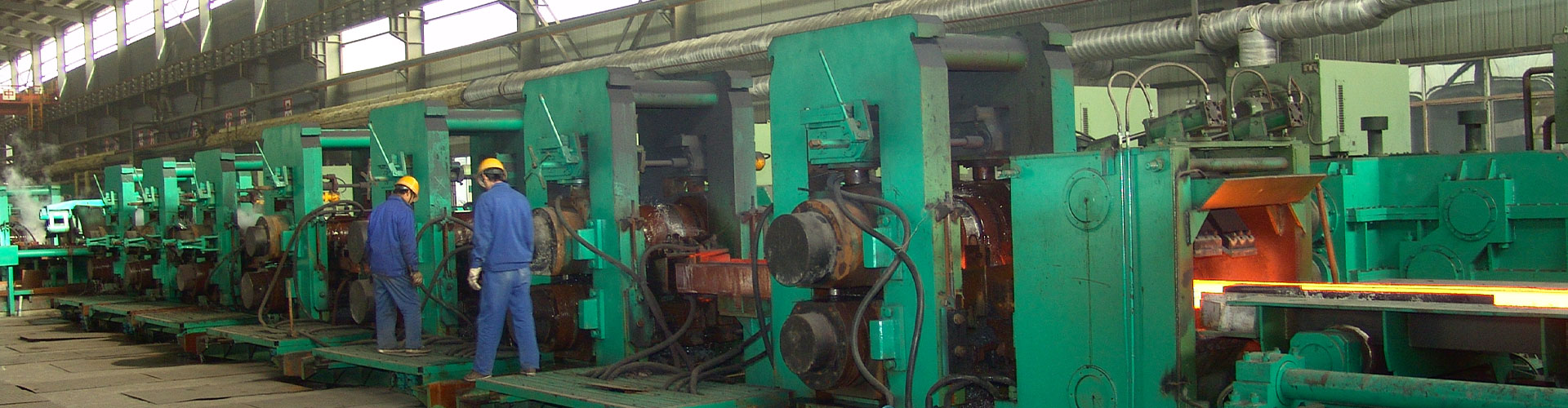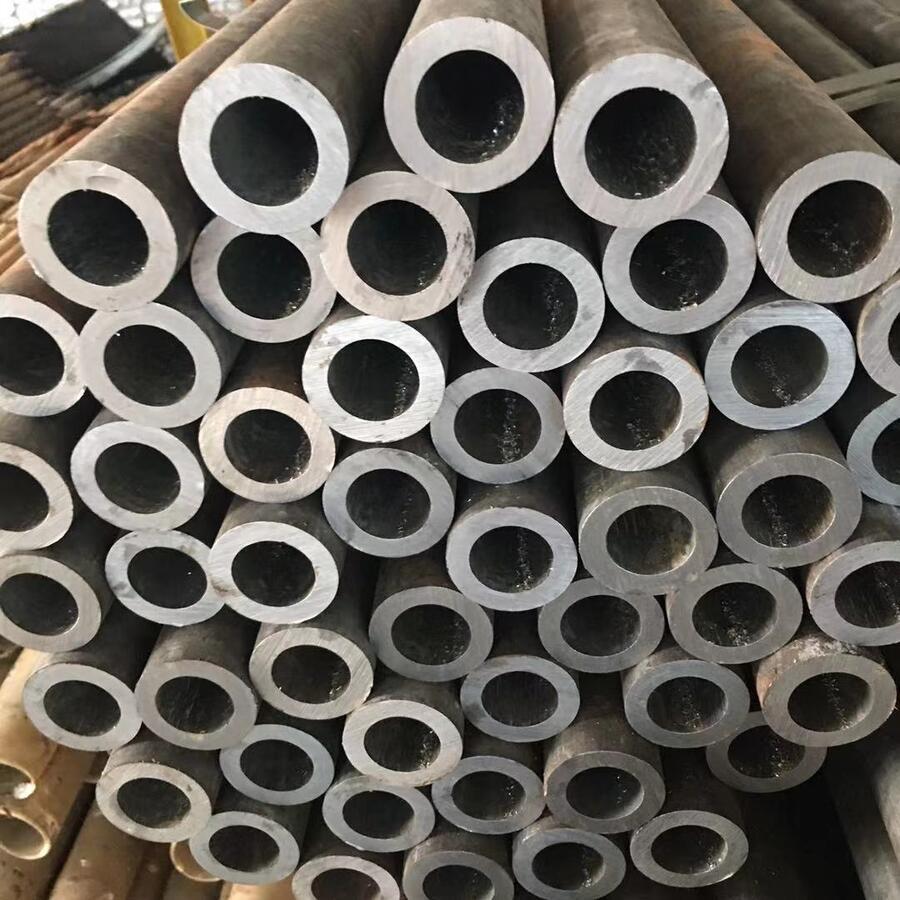
In modern long product rolling mills—producing bars, قضبان, حديد التسليح, and sections—the efficiency and precision of the entire production line heavily depend on auxiliary equipment. من بين هؤلاء, flying shears and cutting devices play a pivotal role in ensuring high-quality output, minimizing waste, and maintaining continuous operation. Unlike traditional stop-cutting methods, flying shears operate while the material is in motion, enabling seamless integration into high-speed rolling processes.
Why Flying Shears Are Essential in Long Product Rolling
During hot rolling, the head and tail ends of the billet often suffer from temperature drops, surface defects, or dimensional inconsistencies. If left untrimmed, these flawed sections compromise the integrity of the final product. بالإضافة إلى ذلك, customers demand precise lengths—whether for construction rebars or industrial rods—requiring accurate, high-speed cutting without interrupting the flow of the mill.
This is where flying shears excel. They cut moving stock at speeds matching the material’s velocity, eliminating the need to stop the line. This not only boosts throughput but also reduces mechanical stress on both the material and equipment.
Flying Shear vs. Stop Shear: Key Differences
It’s important to distinguish between flying shears and stop shears (often called cold shears), as they serve different purposes in the rolling line:
| ميزة | القص الطائر | Stop Shear (القص البارد) |
|---|---|---|
| Operating State | Cuts material while it’s moving | Cuts material when it’s stationary |
| Typical Location | Between stands in roughing, متوسط, or finishing mills | After cooling bed, in collection area |
| درجة حرارة المواد | Hot (800–1100°C) | Cold or warm (~300°C or below) |
| الوظيفة الأساسية | Head/tail cropping, emergency breakage, billet splitting, intermediate cutting | Final length cutting (fixed-length products) |
| Cutting Speed | حتى 18 آنسة (depending on design) | 0 آنسة (material stopped) |
| Cut Quality | Good for hot cutting; may have slight burr | Excellent flatness, minimal deformation |
Common Types of Flying Shears in Long Product Mills
على مدى عقود من التطوير, several flying shear designs have emerged to meet specific production needs. Each type balances speed, قوة, صيانة, and space constraints differently.
1. Crank-Link (Toggle) القص الطائر
This classic design uses a crankshaft and connecting rod to drive the upper blade in a near-vertical motion. It’s robust, موثوق, and well-suited for medium-speed applications (ما يصل الى 12 آنسة). Commonly used for head/tail cropping in bar and rebar lines.
- Max cutting speed: 10–12 m/s
- Max bar diameter: حتى 50 مم (for hot cutting)
- Cycle time: ~0.8–1.2 seconds
- Blade life: 5,000–10,000 cuts (depending on steel grade)
2. الروتاري (Drum) القص الطائر
Featuring rotating drums with mounted blades, this type excels at high-speed cutting (12–18 m/s). The blades engage the bar tangentially, reducing impact shock. Ideal for high-volume wire rod and small-diameter bar lines.
- Max cutting speed: 15–18 m/s
- Max bar diameter: Typically ≤32 mm
- دقة: ±1.5 mm over 6m length
- صيانة: Requires precise drum balancing; higher initial cost
3. البندول (Swing) القص الطائر
A compact solution where the blade swings in an arc to match material speed during the cut. Often used in space-constrained layouts or for intermediate cutting in section mills.
- Max cutting speed: 8–10 m/s
- Suitable for: الزوايا, القنوات, small beams
- ميزة: Low inertia, fast response
4. Disc (Rotary Blade) القص الطائر
Uses counter-rotating circular blades that “slice” through the bar like scissors. Best for very high speeds and clean cuts in soft or low-carbon steels.
- Max cutting speed: حتى 20 آنسة
- Limitation: Not ideal for high-strength or alloyed steels
- Blade wear: Higher than toggle types; requires frequent dressing
Critical Design Requirements for Flying Shears
To function effectively in a continuous rolling environment, flying shears must meet three fundamental criteria:
- Speed Synchronization: At the moment of cutting, the horizontal component of the blade’s velocity must match the bar’s speed. Mismatch causes bending, buckling, or even breakage upstream.
- Production Rate Compatibility: The shear must handle the maximum output of the mill—both in terms of cuts per minute and material cross-section.
- Length Accuracy & Cut Quality: Final cut lengths must comply with standards (على سبيل المثال, ASTM A615 for rebar allows ±50 mm tolerance on 12m bars). The cut face should be square and free of excessive burrs or cracks.
Typical Layout of Cutting Devices in a Modern Bar Mill
A full-scale long product mill integrates multiple cutting stations along the line:
- Entry Flying Shear (مطحنة التخشين): Crops defective head/tail after reheating; handles large billets (100–150 mm).
- Intermediate Flying Shear (Mid-Mill): Used for emergency breakage during cobbles or to split long bars into manageable lengths before finishing stands.
- Finishing Flying Shear: Cuts hot bars into “multiples” (على سبيل المثال, 24m bar cut into two 12m pieces) before the cooling bed.
- القص البارد (Post-Cooling Bed): Final fixed-length cutting after bars cool to ~300°C; ensures dimensional accuracy for shipment.
Real-World Performance Data: Flying Shear in Action
Below is a representative performance table based on actual installations in rebar rolling mills producing Grade 60 (420 MPa yield strength) فُولاَذ:
| المعلمة | قيمة |
|---|---|
| Bar Diameter | 12–40 mm |
| Rolling Speed at Shear | 8–14 m/s |
| Cutting Frequency | حتى 30 cuts/minute |
| Length Tolerance | ± 2 مم (for 6m multiples) |
| مادة الشفرة | فولاذ عالي السرعة (الأحرار) or tool steel (على سبيل المثال, AISI D2) |
| ضغط النظام الهيدروليكي | 180–210 bar |
| قوة المحرك (المحرك الرئيسي) | 110–250 kW (depending on shear type) |
Maintenance and Operational Tips
To maximize uptime and cut quality, operators should follow these best practices:
- Blade Gap Adjustment: Maintain optimal clearance between upper and lower blades—typically 5–10% of bar diameter. Too tight causes excessive wear; too loose creates burrs.
- تشحيم: Use high-temperature grease on bearings and linkages. Check oil levels in gearboxes weekly.
- Speed Calibration: Regularly verify synchronization between shear and rolling speed using encoder feedback. Even 2% mismatch can cause bar buckling.
- الإدارة الحرارية: In high-cycle operations, install blade cooling sprays to prevent overheating and edge softening.
Modern flying shears are no longer just mechanical cutters—they’re integrated mechatronic systems. Advanced models feature servo-electric drives, real-time length measurement via laser scanners, and predictive maintenance alerts. These innovations reduce scrap rates by up to 15% and extend component life significantly.
For mill engineers and production managers, selecting the right flying shear isn’t just about cutting metal—it’s about enabling the entire line to run faster, نظافة, and more profitably. Whether you’re upgrading an old mill or designing a new one, understanding the capabilities, limitations, and operational nuances of each shear type is essential to achieving world-class long product manufacturing.