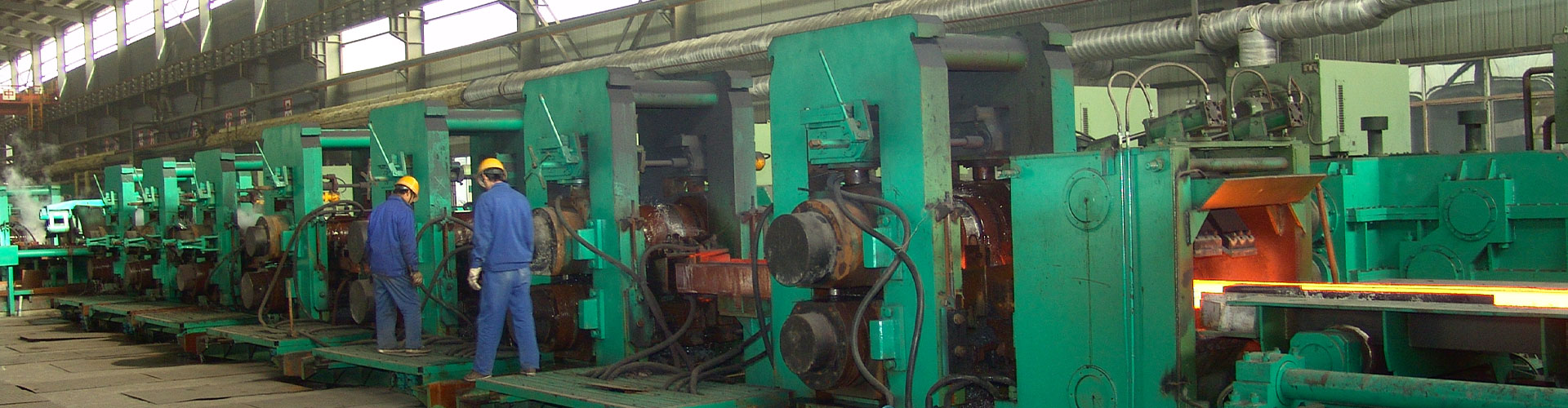
شهدت صناعة مطاحن قضبان الأسلاك تقدمًا تكنولوجيًا ملحوظًا على مدار العقود الستة الماضية. منذ الأيام الأولى لسرعات الدوران المحدودة وحتى الأنظمة عالية الأداء اليوم, لقد أدى تطور تكنولوجيا مطحنة التشطيب وكتل التحجيم إلى تغيير كيفية إنتاج مصنعي الصلب لمنتجات قضبان الأسلاك. يتتبع هذا المقال رحلة التطوير ويقدم رؤى عملية لمشغلي ومهندسي المطاحن.
ولادة التكنولوجيا الحديثة لدرفلة قضبان الأسلاك
في أكتوبر 1966, وقع حدث رائد في كندا من شأنه أن يعيد تشكيل صناعة قضبان الأسلاك بأكملها. نجحت شركة Morgan Construction Company في تشغيل أول مطحنة تشطيب عالية السرعة وغير ملتوية في العالم. وظهر هذا النظام الثوري 10 يقف مع محرك جماعي, حلقات لفة كربيد التنجستن المثبتة على الكابولي, 45-درجة الترتيب الجانبي بالتناوب, والدحرجة ذات الخط الواحد الخالية من الالتواء.
قبل هذا الاختراق, يمكن لمطاحن قضبان الأسلاك المستمرة المزودة بأنظمة تشغيل التيار المستمر أن تحقق سرعات التدحرج أدناه فقط 30 آنسة. وكانت مصانع الدرفلة عبر البلاد أبطأ, تعمل في فقط 15 ل 18 آنسة. قامت مطحنة Morgan no-twist على الفور برفع المستوى إلى 45 آنسة, بمناسبة بداية حقبة جديدة في إنتاج قضبان الأسلاك.
الميزات الرئيسية لمطحنة Morgan No-Twist الأصلية
- 10-تكوين الحامل مع ناقل الحركة الجماعي
- تركيب لفة ناتئ لقدرة التغيير السريع
- حلقات لفة من كربيد التنجستن لإطالة عمر التآكل
- 45-ترتيب موقف بالتناوب درجة
- درفلة خالية من الالتواء لتحسين جودة المنتج
أربعة عقود من التحسين المستمر
بعد النجاح الأولي, استثمر مورغان بكثافة في البحث والتطوير. خلال اليوم التالي 40 سنين, قامت الشركة باستمرار بتحسين تصميمات مطحنة التشطيب الخاصة بها. جلب كل جيل تحسينات في الهيكل الميكانيكي, أنظمة القيادة, مواد لفة, وتكنولوجيا التبريد.
بحلول منتصف التسعينيات, وصلت السرعة القصوى للدوران إلى مستوى مثير للإعجاب 112 آنسة. وهذا يمثل أ 149% زيادة عن الأصل 45 تصميم م/ث. جاءت التحسينات من خلال محامل أفضل, أنظمة محاذاة لفة أكثر دقة, التشحيم المتقدم, وهياكل سكنية أقوى.
سرعة تطور الجدول الزمني
| الفترة الزمنية | أقصى سرعة المتداول | معلم التكنولوجيا |
|---|---|---|
| قبل 1966 | 15-30 آنسة | العاصمة محرك المطاحن المستمرة, المتداول عبر البلاد |
| 1966 | 45 آنسة | أول مطحنة تشطيب غير ملتوية من مورجان |
| 1970ق | 60-70 آنسة | تحسين المحامل والمواد لفة |
| 1980ق | 80-90 آنسة | تعزيز أنظمة التبريد والتشحيم |
| منتصف التسعينيات | 112 آنسة | الهياكل الميكانيكية المتقدمة |
| 2000ق فصاعدا | 120 آنسة (140 تصميم م/ث) | تقليل وتحجيم التكامل مطحنة |
مطحنة التصغير والتحجيم ذات 4 منصات لتغيير قواعد اللعبة
حدث تقدم كبير عندما قام كل من Morgan وDanieli بشكل مستقل بتطوير مصانع تقليل وتحجيم قضبان الأسلاك ذات 4 حوامل. هذه الوحدات, يتم تركيبها بعد مطحنة التشطيب التقليدية, دفع الحد الأقصى لسرعة المتداول إلى 120 م/ث في التشغيل الفعلي, مع وصول قدرات التصميم 140 آنسة.
مطحنة تخفيض الحجم (آر إس إم) جلب أكثر من مجرد تحسينات في السرعة. لقد أدخلت تحولًا أساسيًا في كيفية تعامل مصانع قضبان الأسلاك مع الإنتاجية والمرونة.
فهم 8+4 إعدادات
يمثل ظهور تكوين مطحنة التحجيم المخفضة "8 + 4" نقطة تحول رئيسية في فلسفة مطحنة القضبان السلكية. الرقم 8 يشير إلى المدرجات الموجودة في قسم مطحنة التشطيب, بينما 4 يمثل كتلة خفض الحجم المدرجات. وقد أدى هذا المزيج إلى تغيير نهج الصناعة في تحسين الإنتاجية.
تحول الصناعة: قبل 8+4 نظام, ركز المصنعون بشكل أساسي على زيادة سرعة التدحرج لتعزيز الإنتاج. أكد النهج الجديد على مرونة تصميم التمرير, تقليل وقت تغيير اللفة, وتحسين معدل استخدام الطاحونة. This strategy proved more effective for modern production demands.
المعلمات الفنية لمطاحن التشطيب الحديثة
Today’s high-speed wire rod finishing mills operate within well-established parameters. The following table presents typical specifications that engineers and operators work with in modern installations.
| المعلمة | Standard Finishing Mill | With RSM/RSB |
|---|---|---|
| أقصى سرعة للتصميم | 112 آنسة | 140 آنسة |
| Actual Operating Speed | 90-100 آنسة | 120 آنسة |
| Guaranteed Speed (Min Roll Diameter) | 100 آنسة | 112 آنسة |
| عدد المدرجات | 10 | 8+4 أو 10+4 |
| مادة الحلقة الدوارة | كربيد التنغستن | كربيد التنغستن |
| Roll Ring Diameter Range | 150-212 مم | 150-212 مم (FM), 130-180 مم (آر إس إم) |
| القدرة الإنتاجية السنوية | 400,000-500,000 طن | 600,000-700,000 طن |
| نطاق حجم المنتج | 5.5-16 مم | 4.5-20 مم |
فئتان رئيسيتان لمطاحن قضبان الأسلاك الحديثة
The wire rod rolling industry today recognizes two distinct mill configurations, each suited to specific product requirements and market demands.
يكتب 1: مطحنة التشطيب التقليدية ذات 10 منصات
Primary Applications:
- Ordinary carbon steel wire rod
- Quality steel grades
- Construction steel products
- Standard wire applications
يكتب 2: مطحنة التشطيب + آر إس إم/RSB
Primary Applications:
- Quality steel wire rod
- Alloy steel grades
- Tire cord and bead wire
- Spring steel and bearing steel
فوائد تقليل حجم المطاحن في إنتاج قضبان الأسلاك
The addition of reducing sizing blocks after the finishing mill provides several operational and quality advantages that directly impact profitability.
تعزيز دقة الأبعاد
Reducing sizing mills can achieve diameter tolerances of ±0.10 mm or better, compared to ±0.20 mm from conventional finishing mills. For demanding applications like tire cord wire or precision welding wire, this improved accuracy reduces downstream processing costs and improves final product quality.
تحسين جودة السطح
The controlled deformation in the sizing block produces a smoother surface finish. This benefit is particularly important for products requiring subsequent coating or plating operations.
مرونة أكبر في تصميم التمريرات
With the reducing sizing mill handling final sizing, the upstream finishing mill can use a smaller number of pass families. This approach reduces the total number of roll sets required and speeds up product changeovers.
| مقياس الأداء | Without RSM | With RSM | Improvement |
|---|---|---|---|
| التسامح القطر | ±0.20 mm | ± 0.10 ملم | 50% tighter |
| البيضاوية | 0.25 mm max | 0.12 mm max | 52% better |
| Roll Change Time | 25-30 دقائق | 10-15 دقائق | 50% faster |
| Size Families Required | 8-10 | 3-4 | 60% تخفيض |
| Mill Utilization Rate | 75-80% | 85-90% | 10-12% higher |
نمو الطاقة الإنتاجية على مدى العقود
The annual production capacity of single-line wire rod mills has increased dramatically since the introduction of the no-twist finishing mill. في 1966, a state-of-the-art mill could produce approximately 150,000 طن سنويا. اليوم, modern installations regularly achieve 600,000 ل 700,000 tons annually from a single line.
This capacity increase comes from multiple factors working together:
- Higher rolling speeds enabling more tons per hour
- Larger billet sizes (ما يصل الى 180 mm square in some mills)
- Reduced downtime through quick roll change systems
- Better mill reliability and reduced unplanned stoppages
- Improved coil handling and finishing equipment
تقنية اللف الدائري في مطاحن التشطيب عالية السرعة
The success of high-speed wire rod finishing mills depends heavily on roll ring technology. Tungsten carbide rolls have been the standard since the first Morgan mill, but significant improvements have occurred in composition and manufacturing.
| Roll Material Property | Standard WC | Premium WC | High-Performance WC |
|---|---|---|---|
| صلابة (HRA) | 85-87 | 87-89 | 89-91 |
| Transverse Rupture Strength (الآلام والكروب الذهنية) | 2,400 | 2,800 | 3,200 |
| Typical Tonnage per Groove | 3,000-4,000 طن | 5,000-7,000 طن | 8,000-12,000 طن |
| Recommended Application | الصلب الكربوني | Quality steel | سبائك الصلب, stainless |
محرك تطور النظام
The drive systems powering wire rod finishing mills have undergone substantial changes. Early mills used collective DC motor drives with mechanical gear distribution. Modern installations feature AC variable frequency drives on each stand or stand pair, providing better speed control and energy efficiency.
خيارات تكوين محرك الأقراص
Collective Drive: One or two large motors drive multiple stands through a complex gear train. This approach offers lower initial cost but limited flexibility for speed optimization between stands.
Individual Stand Drive: Each stand has its own motor and gearbox. This configuration allows precise speed control and quick adjustments for different products. Modern reducing sizing mills typically use this approach.
Group Drive with Individual Trim: A hybrid approach where groups of stands share a main drive but have individual trim motors for fine adjustment. This balances cost and flexibility.
أنظمة التبريد والتشحيم
High-speed rolling generates significant heat in both the product and the rolls. Modern finishing mills incorporate sophisticated cooling systems to maintain optimal operating conditions.
Roll cooling typically uses high-pressure water jets directed at the roll surface between passes. Flow rates of 200-400 liters per minute per stand are common in high-speed applications. The cooling water must be carefully filtered and temperature-controlled to prevent thermal shock and contamination.
Bearing lubrication in modern mills uses circulating oil systems with continuous filtration and cooling. Oil viscosity selection depends on operating speed and temperature, with typical grades ranging from ISO VG 220 to VG 460.
اعتبارات التشغيل العملية
Mill operators and maintenance teams face daily challenges in maintaining high-speed wire rod finishing mills. The following guidance addresses common operational issues.
أفضل ممارسات إعداد فجوة اللفة
- Always verify roll gap settings after each roll change
- Use calibrated gap gauges that match operating temperature
- Check for roll ring runout before installation
- Document gap settings for each product size
نصائح لتحسين السرعة
- Start new products at reduced speed and increase gradually
- Monitor motor current draw to detect abnormal loading
- Adjust interstand tension based on product behavior
- Track cobble frequency versus speed for each product
مراقبة الجودة في لف قضبان الأسلاك عالية السرعة
Maintaining consistent product quality at high rolling speeds requires robust measurement and control systems. Modern finishing mills incorporate several types of online gauging equipment.
Laser diameter gauges measure the product cross-section at multiple points around the circumference. These systems can detect diameter variations, ovality, and surface defects at speeds up to 120 آنسة.
Optical surface inspection systems use high-speed cameras and image processing to identify surface defects such as scratches, طبقات, and rolled-in scale.
Temperature measurement at multiple points through the finishing mill helps operators optimize cooling water flow and detect abnormal conditions.
حالة التكنولوجيا الحالية وحدود السرعة
For the past 20 سنين, the maximum design speed for wire rod finishing mills has remained stable at 140 آنسة. The actual rolling speed in commercial operation is typically 120 آنسة, while the guaranteed speed at minimum roll diameter is 112 آنسة.
This plateau reflects practical limitations in several areas:
- Bearing technology limits for high-speed rotation
- Roll ring stress limits at high surface speeds
- Product metallurgical behavior during ultra-fast deformation
- Laying head and coil formation challenges
- Economic considerations for equipment cost versus benefit
الوجبات السريعة الرئيسية لمشغلي المطاحن
The wire rod finishing mill has evolved from 45 m/s in 1966 ل 120 m/s today, with production capacity increasing from 150,000 ل 700,000 طن سنويا. توفر إضافة المطاحن ذات الحجم المنخفض تفاوتات أكثر إحكامًا ومرونة تشغيلية أكبر. بينما استقرت السرعات القصوى, التحسينات المستمرة في المواد لفة, أنظمة القيادة, وتستمر الأتمتة في تعزيز الإنتاجية والجودة.
التطلع إلى الأمام: مجالات التركيز لمطاحن قضبان الأسلاك
بدلاً من السعي إلى سرعات أعلى, تركز صناعة قضبان الأسلاك الآن على التحسينات الأخرى. أصبحت كفاءة الطاقة محورا رئيسيا, مع المطاحن الحديثة التي تستهدف استهلاك الطاقة أدناه 55 كيلووات ساعة لكل طن لدرجات الفولاذ الكربوني.
تساعد أنظمة الأتمتة والتحكم الرقمي المطاحن على تحقيق جودة أكثر اتساقًا وتقليل الاعتماد على المشغل. تساعد أنظمة الصيانة التنبؤية التي تستخدم مراقبة الاهتزازات واتجاهات درجة الحرارة على تجنب الأعطال غير المتوقعة.
ويستمر تطوير المنتج نحو أحجام أدق وتفاوتات أكثر صرامة. تنتج بعض المطاحن الآن قضبانًا سلكية تصل إلى 4.5 mm diameter with tolerances of ±0.08 mm, meeting demands from precision wire drawing operations.
The evolution of the wire rod finishing mill represents one of the steel industry’s great success stories. From its origins in 1966 to today’s highly automated facilities, continuous improvement has delivered remarkable gains in speed, سعة, والجودة. Understanding this development history helps operators and engineers appreciate the technology they work with and make informed decisions about upgrades and maintenance.