وظائف وأنواع موقف مطحنة الدرفلة
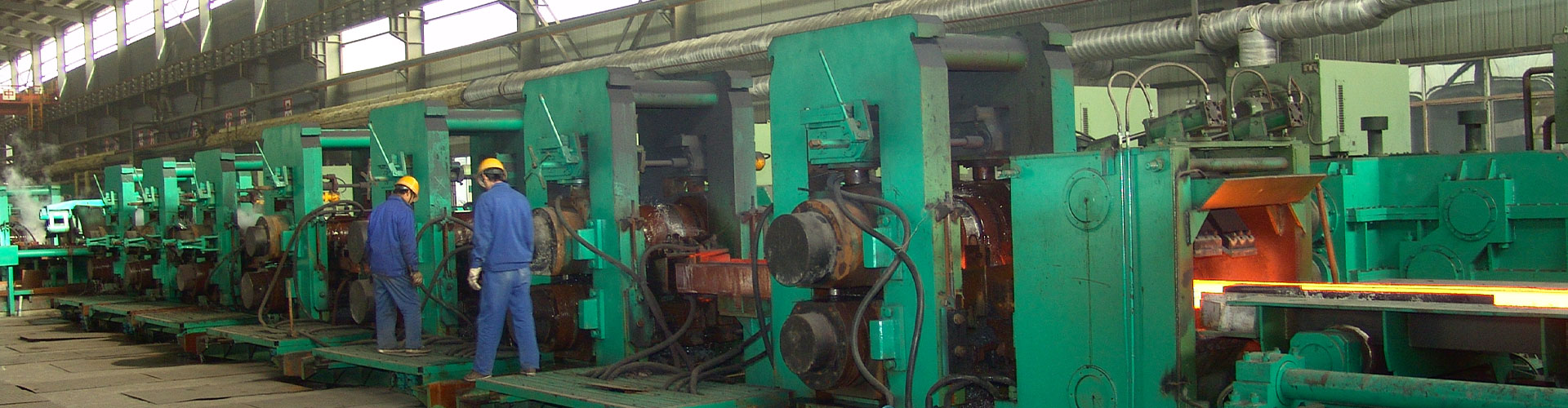
في عملية إنتاج الصلب, ال موقف مطحنة الدرفلة (غالبًا ما يطلق عليه اسم مسكن الطاحونة) هو العمود الفقري المركزي للخط المتداول بأكمله. وهو المكون الهيكلي الثقيل المسؤول عن حمل اللفات, لفة الأوتاد, محامل, آليات المسمار, وتوجيه المعدات في المكان. والأهم من ذلك, يجب أن يتحمل قوى التدحرج الهائلة الناتجة عن تشوه المعدن. بسبب هذا, التصميم, مادة, ونوع حامل مطحنة الدرفلة يؤثر بشكل مباشر على دقة المنتج النهائي واستقرار خط الإنتاج.
الوظائف الأساسية
- الحاملة: يمتص قوة الفصل بين بكرات العمل.
- تحديد المواقع: يحافظ على المحاذاة الدقيقة لللفات والمحامل.
- استقرار: يخفف الاهتزازات أثناء التدحرج بسرعة عالية.
تصنيف تقف مطحنة الدرفلة
بناءً على عملية التصنيع والمتطلبات المحددة للصلابة وتغيير اللفة, يتم تصنيف المدرجات بشكل عام إلى نوعين تقليديين رئيسيين: المدرجات المغلقة و المدرجات المفتوحة. تستخدم المطاحن الحديثة أيضًا تصميمات متخصصة مثل الحوامل سابقة الإجهاد والحوامل الخالية من المبيت.
1. موقف مطحنة الدرفلة المغلقة
يتميز الاستاند المغلق بوحدة موحدة, إطار متكامل. يتم صب أو تشكيل العوارض المتقاطعة العلوية والسفلية كقطعة واحدة مع الأعمدة الجانبية. يوفر تصميم إطار "النافذة" هذا خصائص ميكانيكية استثنائية.
- صفات: أنها تمتلك قوة وصلابة عالية جدا (صلابة). التشوه تحت الحمل هو الحد الأدنى.
- طلب: إنه معيار للمطاحن التي يكون فيها ضغط التدحرج شديدًا أو حيث يكون تحمل المنتج صارمًا. سوف تجد هذه في المطاحن المزهرة, مطاحن بلاطة, مطاحن لوحة, مطاحن الشريط الساخن, وجميع مصانع الدرفلة الباردة تقريبًا.
- العيب: يمكن أن يكون تغيير اللفات أبطأ مقارنة بالأنواع المفتوحة لأنه يجب استخراج اللفات بشكل محوري من خلال النافذة.
2. فتح موقف مطحنة الدرفلة
في موقف مفتوح, الغطاء العلوي (كاب) منفصل عن الجسم الرئيسي على شكل حرف U. يمكن إزالة الغطاء أو فتحه.
- صفات: تكون الصلابة بشكل عام أقل من تلك الموجودة في الحامل المغلق بسبب الوصلة بين الغطاء والجسم. لكن, الميزة الأساسية هي سهولة الصيانة.
- طلب: تستخدم في المقام الأول في مصانع القسم (مثل المطاحن عبر البلاد) حيث يجب تغيير اللفات بشكل متكرر لإنتاج أشكال مختلفة.
أنواع التوصيلات للحوامل المفتوحة
بما أن الحامل المفتوح يتكون من جسم منفصل وقبعة, تعتبر طريقة ربط هذين الجزأين أمرًا بالغ الأهمية للحفاظ على الصلابة. هناك أربع طرق اتصال شائعة تستخدم في الصناعة:
أ. اتصال بولت
يتم تأمين الغطاء بمسامير طويلة للخدمة الشاقة. في حين أن الهيكل بسيط, تميل البراغي الطويلة إلى التمدد تحت الحمل الثقيل, مما أدى إلى انخفاض تصلب الموقف. يمكن أيضًا أن تستغرق إزالة الصواميل لتغيير اللفة وقتًا طويلاً.
ب. جرس (وصلة) اتصال
بدلا من البراغي العمودية, يتم تركيب رابط أو حلقة ثقيلة فوق العمود والغطاء. إنه مقفل بإسفين. وهذا يسمح بمقطع عرضي أكبر من الترباس, تحسين الصلابة. يكون تغيير اللفة بشكل عام أسرع من النوع المثبت بمسامير.
ج. اتصال دبوس
يتم توصيل الغطاء باستخدام دبابيس مستديرة ويتم تشديده باستخدام أسافين. في حين أن الاتصال مضغوط, يمكن أن تتشوه المسامير على طول مستوى القص تحت تأثير شديد. هذا التشوه يجعل التفكيك صعبًا للغاية, يحتمل زيادة التوقف.
د. اتصال إسفين (نصف مغلق)
هذا هو التصميم الأكثر فعالية للحوامل المفتوحة. يتم تثبيت الغطاء على الأعمدة فقط عبر الأوتاد. إنه يوفر صلابة عالية, أكسبها اسم "الجناح نصف المغلق". يتم استخدامه على نطاق واسع بسبب توازن الصلابة وتغيير اللفة المريح.
اختلافات الحامل الحديثة
لتلبية متطلبات قضبان الأسلاك وقضبان التسليح ذات الدقة العالية, ظهرت تقنيات أحدث:
- موقف الإجهاد المسبق: قبل أن يبدأ المتداول, يتم وضع الحامل تحت التوتر باستخدام صواميل هيدروليكية أو قضبان شد. وهذا يلغي الخلوصات الميكانيكية ويزيد من صلابة النظام, تقليل تأثير "الربيع" أثناء التدحرج.
- حامل بدون سكن (مسار الإجهاد القصير): يلغي هذا التصميم الهيكل التقليدي المصبوب بالكامل. يتم توصيل الأوتاد الدوارة مباشرة بواسطة براغي الشد. وهذا يقصر حلقة التوتر, مما يجعل الطاحونة صلبة وصغيرة الحجم بشكل لا يصدق. إنه المعيار لكتل تشطيب القضبان والقضبان السلكية الحديثة.
جدول المقارنة الفنية
يوفر الجدول التالي مرجعًا سريعًا للمهندسين الذين يقومون بمقارنة أنواع المساكن المختلفة بناءً على المعلمات التشغيلية.
| نوع الحامل | صلابة (صلابة) | لفة تغيير السرعة | التطبيق الأساسي |
|---|---|---|---|
| نوع مغلق | عالية جدًا | بطيء (إزالة محورية) | طبق, يجرد, تزهر |
| يفتح (الترباس/دبوس) | قليل | معتدل | مطاحن القسم الصغير |
| يفتح (إسفين / نصف مغلق) | متوسطة عالية | سريع | مطاحن القسم المتوسط |
| السكن أقل (الإجهاد القصير) | عالي | سريع جدًا (مبادلة خرطوشة) | حاجِز & قضيب الأسلاك |
رؤى المواد والصيانة
يتطلب تصنيع حامل مطحنة الدرفلة تعدينًا عالي الجودة. معظم المساكن الكبيرة مصنوعة من الفولاذ المصبوب (على سبيل المثال, SCW480 أو درجات مماثلة) لمنع التشقق تحت أحمال الصدمات.
نصائح الصيانة:
- إدارة ارتداء الخطوط الملاحية المنتظمة: الأسطح الداخلية لنافذة الحامل مبطنة بألواح تآكل. ويجب فحصها بانتظام. إذا كانت البطانة ترتدي بشكل غير متساو, سوف يميل مبيت المحمل, التسبب في عيوب المنتج.
- التحكم في التآكل: يتم رش ماء التبريد باستمرار أثناء التدحرج. يجب أن يتم طلاء أو طلاء الحوامل بشكل فعال لمنع الصدأ, والتي يمكن أن تضعف الهيكل على مدى عقود من الاستخدام.
- المعالجة السطحية: متأخر , بعد فوات الوقت, يمكن أن تتشوه أسطح التثبيت لآلية التثبيت اللولبية. في بعض الأحيان تكون المعالجة في الموقع مطلوبة لاستعادة الاستواء وضمان التحكم الدقيق في المقياس.
يعد اختيار حامل مطحنة الدرفلة الصحيح بمثابة توازن بين تكلفة الاستثمار الأولية وتحمل المنتج المطلوب. بينما توفر الحوامل المغلقة المتانة القصوى للمنتجات المسطحة, تظل مرونة الحوامل المفتوحة ذات القفل الإسفيني أمرًا حيويًا لعالم الشكل المعقد ودحرجة الأقسام.