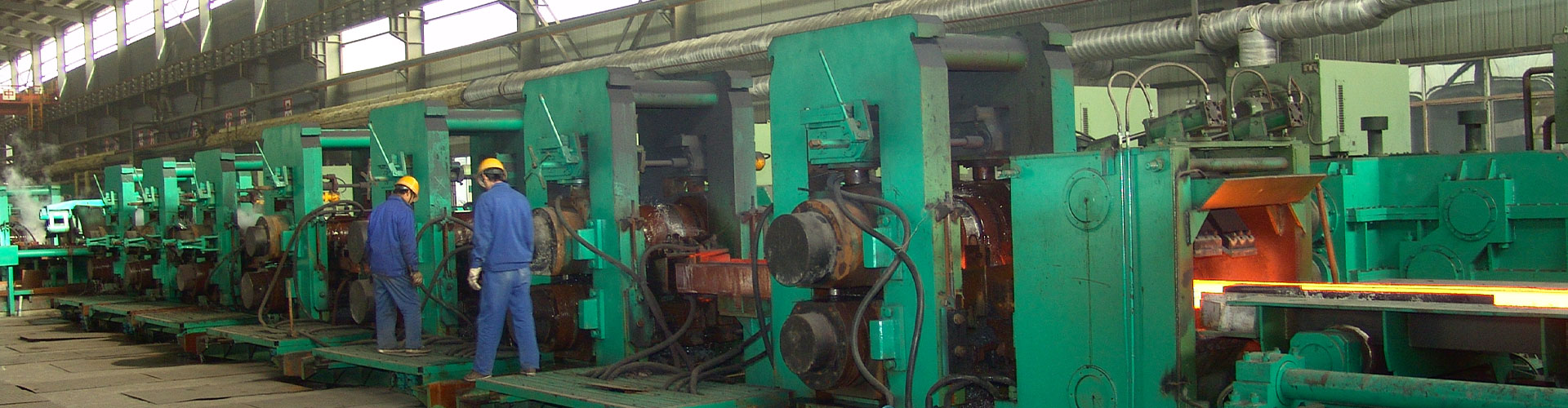
في مصانع درفلة الصلب الحديثة, حوادث غير متوقعة، مثل كسر القضبان, اختلال التوجيه, أو تشويش اللف - يمكن أن يتسبب في أضرار جسيمة للمعدات النهائية إذا لم تتم معالجتها على الفور. للتخفيف من مثل هذه المخاطر, يتم تركيب أجهزة السلامة المتخصصة في النقاط الحرجة في خط الإنتاج. من بين هؤلاء, ال القص الطائر للحوادث تلعب دورًا حيويًا في حماية الآلات عالية القيمة مثل مصانع ما قبل التشطيب والتشطيب. لقد طورت منتجات HANI الذكية نظامًا قويًا, حل موثوق مصمم خصيصًا لهذا الغرض.
ما هو القص الطائر للحوادث?
غالبًا ما يشار إليها باسم القص المقطوع في حالات الطوارئ أو القص الذي يجتاح, يتم وضع هذا الجهاز بشكل استراتيجي بين منصات التشطيب المسبق والتشطيب في مطحنة الدرفلة على الشريط الساخن أو الشريط. وظيفتها الأساسية بسيطة ولكنها حاسمة: لقطع شريط الفولاذ الساخن الوارد على الفور أثناء حالة الطوارئ, منعها من دخول المعدات الحساسة المصب.
على عكس المقصات الطائرة التقليدية المستخدمة في القطع الطولي, هذا النوع من القص غير مصمم للتشذيب الدقيق، ولكنه مصمم للسرعة, مصداقية, وانقطاع القوة الغاشمة. عندما يحدث خطأ المنبع (على سبيل المثال, شريط مكسور يحلق في الطاحونة), يتم تشغيل النظام خلال ميلي ثانية, لقط وتمزيق الخام المتحرك باستخدام الطاقة الحركية الخاصة به.
كيف يعمل: البساطة تجتمع مع الكفاءة
يتبع التصميم شفرة مزدوجة, آلية تشبه المقص:
- يتم تثبيت شفرة واحدة فوق خط التدحرج.
- والآخر يقع مباشرة أدناه.
- تظل كلتا الشفرتين منسحبتين أثناء التشغيل العادي لتجنب التداخل.
- عند إشارة الطوارئ, تعمل اسطوانة هوائية, قيادة نظام الربط الذي يجبر كلا الشفرتين على الإغلاق في وقت واحد على الشريط المتحرك.
بشكل حاسم, لا يعتمد القص على حواف القطع الحادة وحدها. بدلاً من, يستغل حركة عالية السرعة للفولاذ الساخن (تتحرك عادةً بسرعة 5-15 م/ث). كما الشفرات المشبك أسفل, يولد الزخم الأمامي للشريط ضغط شد هائل عند نقطة الضغط, مما يؤدي إلى كسره بشكل نظيف - وهي عملية تُعرف باسم "التمزيق بالدفع الذاتي". تلغي هذه الطريقة الحاجة إلى قوة هيدروليكية هائلة أو تزامن معقد.
المواصفات الفنية الرئيسية
تم تصميم مقص الطيران HANI للحماية من الحوادث لبيئات المطاحن القاسية. فيما يلي معايير الأداء التي تم التحقق منها استنادًا إلى عمليات التثبيت الواقعية:
| المعلمة | قيمة / يتراوح |
|---|---|
| درجات الصلب المطبقة | الصلب الكربوني, سبائك الصلب المنخفضة (على سبيل المثال, Q235, SS400, ساي 1045) |
| درجة حرارة التشغيل | >950درجة مئوية (درجة حرارة الخروج النموذجية من مطحنة التخشين) |
| حجم الاسطوانة الهوائية | Φ100/Φ32 × 240 مم (الفعل المزدوج) |
| متطلبات ضغط الهواء | 0.4 - 0.6 الآلام والكروب الذهنية (إمدادات الهواء القياسية للنبات) |
| وقت الاستجابة | ≥ 0.3 ثانية من الإشارة إلى الإغلاق الكامل |
| أقصى سرعة للشريط عند نقطة القص | حتى 12 آنسة (اعتمادا على تخطيط مطحنة) |
| بناء الإطار | قاعدة فولاذية ملحومة بهيكل مخفف من الضغط |
ميزات التصميم التي تهم في العمليات الحقيقية
تظهر التجربة الميدانية أن الموثوقية في ظل الظروف القاسية غير قابلة للتفاوض. يتضمن تصميم HANI العديد من التحسينات العملية:
هيكل ميكانيكي قوي
يتم وضع التجميع بأكمله على قاعدة ملحومة للخدمة الشاقة, تقليل الاهتزاز وضمان استقرار المحاذاة على مدار سنوات من ركوب الدراجات الحرارية. يستخدم جسم القص أدوات فولاذية صلبة للشفرات, مع إدراجات قابلة للاستبدال لتقليل وقت التوقف عن الصيانة.
استراتيجية التشحيم الذكية
البقاء على قيد الحياة في حرارة عالية, بيئة عالية الغبار, يتجنب النظام دوائر الزيت المعقدة. بدلاً من:
- النقاط المحورية على استخدام أذرع الشفرة البطانات البرونزية الملبدة المشربة بالزيت- صيانة مجانية لآلاف الدورات.
- جميع المفاصل الأخرى (الروابط, دبابيس) مزودة بحلمات تشحيم للتشحيم اليدوي أثناء التوقفات المجدولة.
يوازن هذا النهج المختلط بين طول العمر وبساطة الخدمة - بدون مضخات, المرشحات, أو الخطوط المعرضة للتسرب.
التشغيل الهوائي: لماذا الهواء فوق المكونات الهيدروليكية?
بينما توفر الأنظمة الهيدروليكية قوة أعلى, يقدمون التعقيد: تسرب النفط, حساسية درجة الحرارة, واستجابة أبطأ في البداية الباردة. في المقابل, الهواء المضغوط بالنبات متوفر بالفعل في معظم المطاحن. باستخدام اسطوانة Φ100 القياسية في 0.5 توفر MPa قوة دفع تصل إلى 3900 نيوتن تقريبًا، وهي أكثر من كافية لتثبيت قضيب ساخن عند دمجها مع الرافعة الميكانيكية. زائد, يتم إعادة ضبط أنظمة الهواء بشكل أسرع ولا تشكل أي خطر نشوب حريق بالقرب من الفولاذ الساخن.
تثبيت & نصائح التكامل
للحصول على الأداء الأمثل, النظر في هذه المبادئ التوجيهية التي أثبتت جدواها ميدانيا:
- تحديد المواقع: قم بتركيب 1.5-2 متر أعلى منصة التشطيب الأولى. يوفر هذا مساحة كافية لسقوط الرأس المقطوع بأمان دون تشويش.
- تنسيق: تأكد من أن خط وسط القص يطابق محور التدحرج ضمن ±1 مم. يؤدي عدم المحاذاة إلى تآكل غير متساوٍ للشفرة وقطع غير كاملة.
- منطق التحكم: قم بدمج مشغل القص مع إشارات خطأ متعددة - على سبيل المثال., الزائد المحرك, تفعيل كاشف الحلقة, أو أزرار التوقف في حالات الطوارئ. استخدم أجهزة استشعار زائدة عن الحاجة لتجنب السلبيات الكاذبة.
- حماية التبريد: قم بحماية الأسطوانة والوصلات باستخدام ستائر مقاومة للحرارة أو سترات مبردة بالماء إذا تجاوز الإشعاع المحيط 150 درجة مئوية.
قائمة مراجعة الصيانة لضمان الموثوقية على المدى الطويل
حتى أصعب المعدات تحتاج إلى رعاية. اتبع هذا الروتين:
| مهمة | تكرار | ملحوظات |
|---|---|---|
| فحص تآكل الشفرة | أسبوعي | استبدل إذا كانت حافة التقطيع >3 مم أو الفجوة >1 ملم عند إغلاقه |
| تليين المفاصل المحورية | كل 2 أسابيع | استخدم شحم الليثيوم عالي الحرارة (NLGI #2) |
| فحص فلتر الهواء & منظم | شهريا | استنزاف المكثفات; التحقق من استقرار الضغط عند 0.5 الآلام والكروب الذهنية |
| اختبار الزناد في حالات الطوارئ | ربع سنوية | محاكاة إشارة خطأ; تأكيد الإغلاق الكامل داخل 0.3 ق |
عندما يتم صيانتها بشكل صحيح, يمكن لهذا النظام أن يعمل بشكل موثوق لأكثر من ذلك 5 سنوات دون إجراء إصلاحات كبيرة - مما يوفر راحة البال وتوفيرًا كبيرًا في التكاليف عن طريق منع الأضرار الكارثية للمطحنة. في إحدى الحالات الموثقة لمطحنة بار بطاقة 600 ألف طن/سنة, أدى تركيب مقص الطيران HANI للحوادث إلى تقليل وقت التوقف غير المخطط له عن طريق 18% في السنة الأولى وحدها, في المقام الأول عن طريق تجنب تدمير تمريرة التدحرج أثناء فواصل الشريط.
لمهندسي المطاحن ومديري العمليات, لا يقتصر الاستثمار في مقص الطوارئ المصمم جيدًا على الأجهزة فحسب، بل يتعلق ببناء المرونة في خط الإنتاج. وفي صناعة حيث كل دقيقة من التوقف تكلف الآلاف, وهذه المرونة تدفع ثمنها عدة مرات.