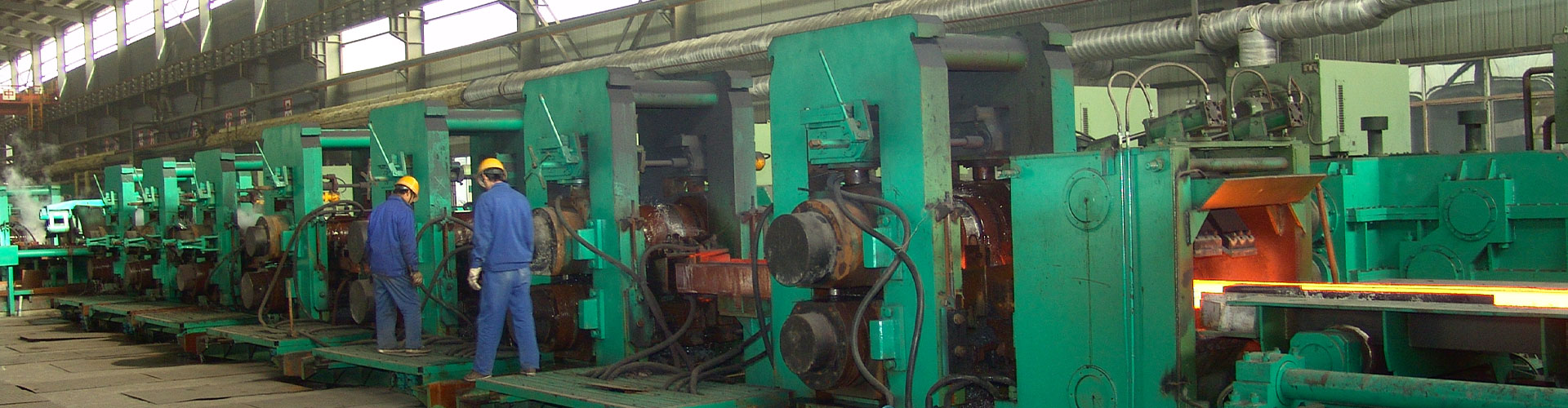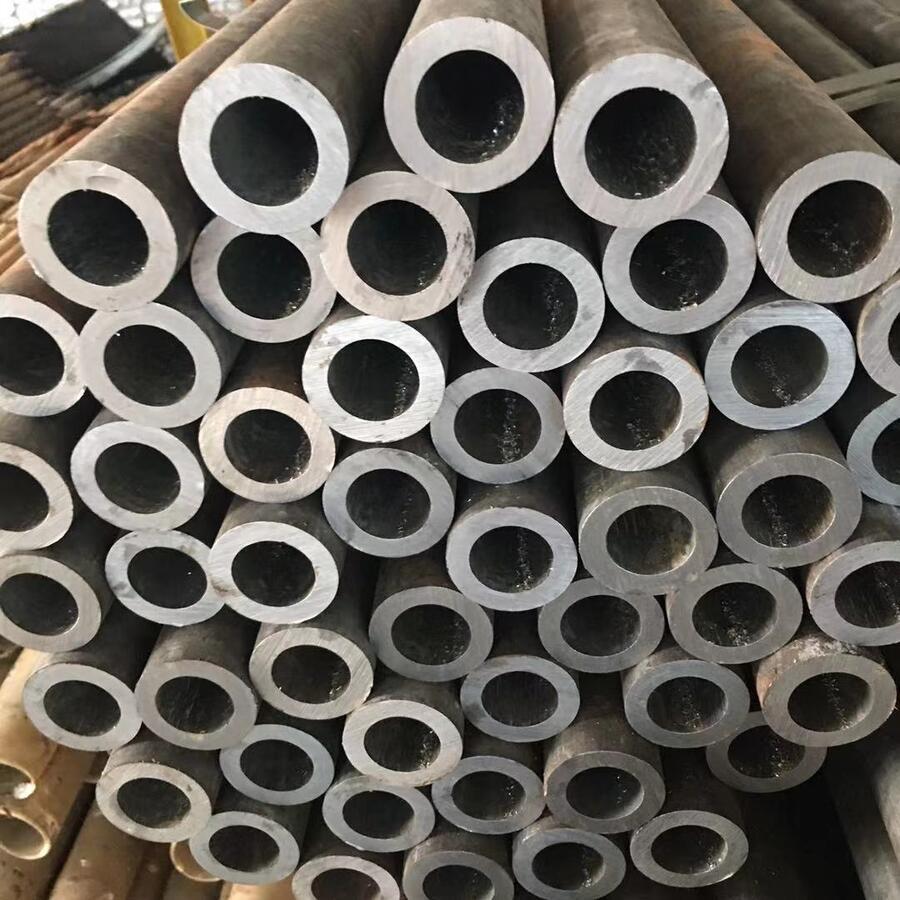
Reheating furnaces play a critical role in the production of wire rod and bar steel, ensuring proper temperature control before rolling. Proper operation and shutdown procedures are essential to maintain steel quality, كفاءة الطاقة, و operator safety. This guide provides a comprehensive, step-by-step overview of reheating furnace operation, heating system management, و safe shutdown practices—key knowledge for mill operators, furnace technicians, و steel plant engineers.
Part 1: Heating Operation Procedures
1. Know Your Steel Grade
Before starting operations, the furnace operator must confirm the درجة الصلب و material specification inside the furnace. Temperature settings must be adjusted accordingly to meet metallurgical requirements.
2. Three-Zone Temperature Control
Strictly follow the three-zone heating protocol:
- Soaking zone: 1000-1200 درجة مئوية
- Heating zone: 900-1200 درجة مئوية
- Preheating zone: >650درجة مئوية
This ensures uniform heating and prevents thermal stress or defects.
3. Valve and Control Settings During Heating
- Use timed reversal mode for the reversing system.
- Keep the gas quick-shutoff valve OPEN.
- Ensure the purge valve is CLOSED.
4. Furnace Pressure Management
Maintain furnace pressure between 0–20 Pa, ideally at a slight positive pressure. Use electric continuous regulation for precise control.
5. Air-Gas Ratio and Flow Control
Temperature is regulated by adjusting air and gas flow rates and their ratio:
- Standard air-to-gas ratio: 0.8:1
- Max gas flow:
- Preheating & heating zones: ≤22,000 m³/h
- Soaking zone: ≤4,600 m³/h
Optimize combustion for complete burning and target temperatures.
6. Adjust for Rolling Conditions
- Monitor furnace and rolling status closely.
- If rolling stops or delays occur, discharge billets periodically to avoid sticking (billets welding together).
- If sticking is suspected:
- Do NOT lower soaking zone temperature
- Increase discharge speed
- Gradually reduce temperature afterward
7. Temperature Control Based on Delay Time
表格
| Delay Duration | Target Soaking Zone Temp |
|---|---|
| ≤20 min | No reduction |
| 20–40 min | 1050درجة مئوية |
| 40–60 min | 950درجة مئوية |
| 60–300 min | 850درجة مئوية |
| >300 دقيقة | Shut down furnace |
8. Monitor Vaporization Cooling System
- Watch boiler drum water level; respond immediately to alarms.
- Cooling water outlet temperature at furnace tail must be ≤50°C. Increase water flow if exceeded.
9. CO Safety in Gas Hazard Zones
- Safe CO concentration: <400 ppm
- If exceeded:
- Evacuate immediately
- Mark area as hazardous
- Assign personnel to monitor
- Report to central control
10. Respond to Alarm Systems
- Over-temperature alarm:
- Furnace temp high → Adjust air/gas flow
- Flue gas temp high → Force reversal
- Valve position alarm: Notify instrumentation team
- If unresolved or system auto-shuts down:
- Close main gas electric valve
- Keep blower and reversal system powered
- Log all actions
Part 2: Heating System Operation Guidelines
1. Dynamic Air-Gas Adjustment
Continuously adjust air and gas supply based on production load و temperature feedback.
2. Flue Gas Temperature Limit
Normal flue gas temperature must remain below 170°C.
3. Furnace Pressure Fine-Tuning
If pressure exceeds 20 Pa:
- Open the damper on the side with lower flue temperature
- Close it if pressure is too low
4. Emergency Response to Alarms
On “valve” or “over-temp” alarms:
- Minimize blower damper
- Close main gas valve
- Diagnose fault via indicator lights
- Never stop the blower during troubleshooting
5–6. Diagnosing Specific Alarms
- Valve alarm: Check actuator, solenoid, or sensor; involve controls team
- Over-temp alarm: Identify which flue exceeds 170°C; inspect dampers, cylinders, and control valves
7. Automatic Safety Shutdown
On system failure:
- Both induced draft fans and gas shutoff valve close automatically
- Purge valve opens → furnace enters automatic purge mode
- Reduce air damper manually; blower remains ON
8. System Recovery After Fault
After fixing the issue:
- Power-cycle the control system
- Press “Purge Valve Close” button
- Gas quick valve reopens
- Purge valve closes
- Fans restart
- If furnace temp <800درجة مئوية:
- Switch reversal to temperature-controlled mode
- Relight pilot burners
9. Standard Operating State
During normal heating:
- Reversal mode: Timed control
- Gas quick valve: يفتح
- Purge valve: Closed
10. PLC Failure Protocol
If PLC crashes or freezes:
- Cut power to reversal control system
- Close main gas electric valve
- Manually shut air dampers for soaking & heating zones
Part 3: Safe Furnace Shutdown Procedure
1. Initiate Shutdown on Command
Begin only after official shutdown notice.
2. Isolate Fuel Supply
- Close all air and gas dampers to minimum
- Shut the main gas blind valve
3. Activate Purge Sequence
- Turn off reversal control → system auto-enters purge mode
- Induced fans, gas valve, and flue dampers close
- Purge valve opens → purge for 10–15 minutes
- Only then stop the blower
4. Verify System Status
Cross-check all actions against HMI/SCADA display. Investigate discrepancies immediately.
5. Gas Line Isolation (If Needed)
For extended outages:
- Request utility team to:
- Close main gas blind valve
- يفتح gas vent valve
- Purge line with نتروجين
6. Controlled Cooling Rate
Prevent refractory damage by managing cooldown speed:
- Above 800°C: ≤100°C per hour
- Below 800°C: ≤50°C per hour