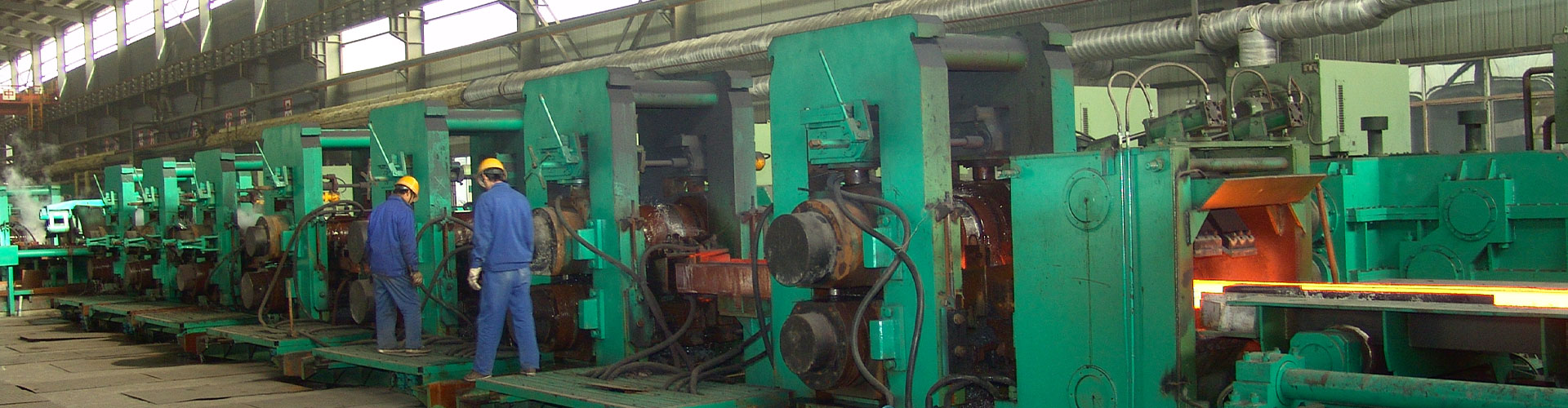
في صناعة معالجة المعادن ذات القدرة التنافسية العالية, تعتبر مطحنة الدرفلة واحدة من أهم قطع المعدات في إنتاج الفولاذ والمعادن غير الحديدية. ما الذي يفصل الشركة الرائدة في السوق عن الشركة المصنعة المتوسطة؟? الجواب يكمن في البحث والتطوير (ر&د) وقدرات التصميم المبتكرة. الشركات التي تستثمر بكثافة في تكنولوجيا الدرفلة تتفوق باستمرار على منافسيها من حيث الكفاءة, جودة المنتج, وحصة السوق.
لماذا ر&د المسائل في تصنيع مطحنة الدرفلة
تتطلب صناعة الصلب الحديثة تطورًا مستمرًا. أصبحت دورات حياة المنتج أقصر, أصبحت متطلبات العملاء أكثر تحديدًا, ويتم تشديد اللوائح البيئية. الشركة المصنعة لطاحونة الدرفلة بدون R&سوف تتراجع قدرات D بسرعة. الميزة التنافسية الأساسية لأي مؤسسة اليوم هي قدرتها على الابتكار بشكل مستقل.
النظر في هذه الحقيقة: زادت سرعات الدوران بشكل كبير خلال العقود القليلة الماضية. كانت مصانع القضبان السلكية المبكرة تعمل بسرعات حولها 34 آنسة. اليوم, تحقق طواحين قضبان الأسلاك المتقدمة عالية السرعة سرعات دوران تتجاوز 135 آنسة. ولم يحدث هذا التحسن بمقدار أربعة أضعاف عن طريق الصدفة. لقد نتج عن سنوات من البحث المخصص, اختبار, وتحسين التصميم.
الفوائد الرئيسية للقوي R&د الاستثمار
- ارتفاع كفاءة الإنتاج والقدرة الإنتاجية
- تحسين دقة الأبعاد وجودة السطح
- تقليل استهلاك الطاقة لكل طن من المنتج
- تكاليف صيانة أقل وعمر أطول للمعدات
- القدرة على معالجة درجات الصلب والسبائك الجديدة
- الميزة التنافسية في تقديم العطاءات للمشاريع الكبرى
المكونات المهمة التي تتطلب تحسينًا مستمرًا في التصميم
يتكون خط إنتاج مطحنة الدرفلة الكاملة من العديد من الأنظمة المترابطة. يلعب كل مكون دورًا حيويًا في تحديد الأداء العام. دعونا نتفحص المعدات الرئيسية حيث R&جهود D تسفر عن أكبر العوائد.
مجموعة مطحنة ما قبل التشطيب
تقوم مجموعة مطحنة ما قبل التشطيب بمعالجة مراحل التخفيض المتوسطة. تركز التصميمات الحديثة على تحقيق التحكم الدقيق في درجة الحرارة وأبعاد مقطعية متسقة. يعمل المهندسون على تقليل اختلافات التوتر بين المدرجات, مما يؤثر بشكل مباشر على جودة المنتج. تشتمل الآن مطاحن ما قبل التشطيب المتقدمة على أنظمة ضبط فجوة اللف التلقائية التي تستجيب بالمللي ثانية لمعالجة الاختلافات.
مجموعة مطحنة التشطيب
تحدد مجموعة مطحنة التشطيب الأبعاد النهائية وجودة السطح للمنتج المدرفل. هذا هو المكان الذي تكون فيه الهندسة الدقيقة أكثر أهمية. لقد طورت كبار الشركات المصنعة كتل تشطيب قادرة على إنتاج قضبان سلكية بقطر مسموح به يبلغ ± 0.10 مم أو أفضل. تصميم لفة يمر, أنظمة تحمل, وترتيبات التبريد كلها تتطلب بحثًا مكثفًا لتحقيق مثل هذه المواصفات الصارمة.
وحدات لفة قرصة
تتحكم بكرات القرص في سرعة المادة وشدها أثناء تحركها عبر الخط. يجب أن يأخذ تصميمها في الاعتبار درجات الحرارة المرتفعة, تسارع سريع, ومزامنة السرعة الدقيقة. ر&تعمل فرق D باستمرار على تحسين المواد الملفوفة, تحمل الحياة, ودفع استجابة النظام. يمكن لوحدة لفة القرص المصممة جيدًا التعامل مع سرعات الأسلاك أعلاه 120 م/ث دون التسبب في عيوب السطح.
وضع الرأس
ربما يكون رأس التمديد هو العنصر الأكثر تطلبًا في مطحنة قضبان الأسلاك عالية السرعة. يجب أن يشكل القضيب سريع الحركة في ملفات موحدة أثناء العمل بسرعات دوران قصوى. تدور الرؤوس الحديثة في الأعلى 3,000 دورة في الدقيقة أثناء معالجة الأسلاك التي تسير عند 135 آنسة. يتطلب تحقيق هذا الأداء مواد متقدمة, التصنيع الدقيق, وتصميمات الأنابيب المبتكرة التي تم تطويرها خلال سنوات من البحث.
المعلمات التقنية: التطور من خلال ر&د
يوضح الجدول التالي كيف تحسن أداء مطحنة الدرفلة عبر أجيال مختلفة من المعدات. جاءت هذه التطورات مباشرة من R&د- الاستثمار والابتكار في التصميم.
| المعلمة | 1980جيل ق | 2000جيل ق | الجيل الحالي |
|---|---|---|---|
| أقصى سرعة المتداول | 34 آنسة | 85 آنسة | 135 آنسة |
| نطاق قطر قضيب السلك | 5.5 - 16 مم | 5.0 - 20 مم | 4.5 - 25 مم |
| التسامح القطر | ± 0.30 ملم | ± 0.15 ملم | ± 0.08 ملم |
| القدرة الإنتاجية السنوية | 300,000 طن | 600,000 طن | 1,000,000+ طن |
| استهلاك الطاقة | 85 كيلوواط ساعة/طن | 65 كيلوواط ساعة/طن | 50 كيلوواط ساعة/طن |
| معدل كوبل | 2.5% | 0.8% | 0.2% |
أنواع مصانع الدرفلة وتحديات تصميمها
تخدم تكوينات مطحنة الدرفلة المختلفة احتياجات الإنتاج المختلفة. يقدم كل نوع تحديات تصميمية فريدة تتطلب R&انتباه.
| نوع المطحنة | منتجات | التركيز على التصميم الرئيسي | السرعة النموذجية |
|---|---|---|---|
| مطحنة قضبان الأسلاك | قضيب سلكي 4.5-25 مم | استقرار عالي السرعة, وضع أداء الرأس | حتى 135 آنسة |
| مطحنة بار | حديد التسليح, جولات 8-50 مم | المتداول متعدد الخيوط, دقة الأبعاد | حتى 45 آنسة |
| مطحنة القسم | الزوايا, القنوات, الحزم | تصميم موقف عالمي, التحكم في سمك الويب | حتى 18 آنسة |
| مطحنة الشريط الساخن | المنتجات المسطحة 1-25 مم سميكة | السيطرة على التسطيح, تعديل التاج | حتى 25 آنسة |
| مطحنة المتداول الباردة | شريط رفيع 0.1-3 مم | الانتهاء من السطح, دقة سمك | حتى 30 آنسة |
عملية التصميم: من المفهوم إلى الإنتاج
يتضمن تطوير مصنع درفلة جديد أو تحسين التصميم الحالي مراحل متعددة. وتتطلب كل مرحلة خبرة متخصصة وموارد كبيرة.
📋 المرحلة 1: تحليل السوق
فهم احتياجات العملاء, تحديد الفجوات في التكنولوجيا الحالية, وتحديد أهداف الأداء للتصميم الجديد. وهذا يشمل دراسة المنتجات المنافسة واتجاهات الصناعة.
🔬 المرحلة 2: تطوير المفهوم
يقوم المهندسون بإنشاء مفاهيم تصميمية متعددة وتقييمها مقابل المتطلبات. تساعد المحاكاة الحاسوبية وتحليل العناصر المحدودة على التنبؤ بالأداء قبل بناء النماذج الأولية.
⚙️ المرحلة 3: الهندسة التفصيلية
تم تطوير المفهوم المحدد إلى رسومات تصنيع كاملة. اختيار المواد, تحليل التسامح, ويتم الانتهاء من جميع إجراءات التجميع خلال هذه المرحلة.
🧪 المرحلة 4: اختبار النموذج الأولي
تخضع النماذج الأولية المادية لاختبارات صارمة في ظل ظروف التشغيل الفعلية. يتم جمع بيانات الأداء وتحليلها للتحقق من صحة التصميم أو تحديد المجالات التي تحتاج إلى تحسين.
تأثير العالم الحقيقي: ما المتقدم ر&د يسلم
إن عبارة "القيام بما لا يستطيع الآخرون القيام به" تجسد جوهر نجاح ر&استراتيجية د في تصنيع مطحنة الدرفلة. الشركات التي تدفع الحدود التكنولوجية تكتسب مزايا تنافسية كبيرة. وفيما يلي أمثلة ملموسة لما حققه الاستثمار البحثي المستدام:
الإنجازات البارزة في تكنولوجيا الدرفلة
- كتل تشطيب قضبان الأسلاك عالية السرعة قادرة على المتداول في 135 م/ث مع اتساق الأبعاد ممتازة
- مطاحن التشطيب غير الملتوية التي تقضي على الإجهاد الالتوائي وتحسن الخواص الميكانيكية
- تخفيض وتحجيم المطاحن التي تسمح بتغيير سريع للمنتج مع الحد الأدنى من التوقف
- أنظمة تبريد متطورة التي توفر التحكم الدقيق في درجة الحرارة للمعالجة الميكانيكية الحرارية
- أنظمة الأتمتة الذكية التي تعمل على تحسين المعلمات المتداول في الوقت الحقيقي
مواصفات مطاحن قضبان الأسلاك الحديثة عالية السرعة
لمهندسي الإنتاج الذين يقومون بتقييم معدات الدرفلة, يوفر الجدول التالي المواصفات المرجعية لخط مطحنة قضبان الأسلاك الحديث عالي السعة.
| البند المواصفات | القيمة النموذجية |
|---|---|
| حجم الخام | 150 × 150 مم ل 165 × 165 مم, طول 12 م |
| مجموعة المنتجات النهائية | Ø 4.5 مم إلى Ø 25 ملم سلك قضيب |
| أقصى سرعة للتشطيب | 135 آنسة (ل Ø 5.5 مم) |
| القدرة السنوية | 800,000 ل 1,200,000 طن |
| مطحنة التخشين | 6 يقف, الترتيب الأفقي / الرأسي |
| مطحنة متوسطة | 6 يقف, الترتيب الأفقي / الرأسي |
| مطحنة ما قبل التشطيب | 4-6 يقف, تصميم ناتئ |
| كتلة التشطيب غير الملتوية | 10 يقف, 45° الترتيب المتناوب |
| تخفيض / التحجيم مطحنة | 4 يقف, تحجيم عالي الدقة |
| سرعة وضع الرأس | حتى 3,200 دورة في الدقيقة |
| وزن الملف | 2,000 ل 2,500 كجم |
| التسامح الأبعاد | ± 0.10 ملم (معيار), ± 0.08 ملم (دقة) |
ابتكار المواد في مكونات مطحنة الدرفلة
ر&تمتد جهود D إلى ما هو أبعد من التصميم الميكانيكي لتشمل تطوير المواد المتقدمة. بيئة التشغيل القاسية لمطحنة الدرفلة - درجات الحرارة المرتفعة, الأحمال الثقيلة, والظروف الكاشطة - تتطلب مواد متخصصة.
| عنصر | نوع المادة | الخصائص الرئيسية |
|---|---|---|
| لفات العمل | كربيد التنغستن, فولاذ عالي السرعة | صلابة 85-92 HRA, مقاومة التآكل |
| محامل لفة | هجين السيراميك, فولاذ خاص | القدرة على السرعة العالية, الاستقرار الحراري |
| وضع أنابيب الرأس | سبائك الصلب تصلب مع طلاء | مقاومة التآكل, سطح أملس |
| المرشدين والحراس | إدراجات كربيد, مركبات السيراميك | عمر خدمة ممتد, احتكاك منخفض |
| قرصة لفة الأسطح | تراكب كربيد التنغستن | اتساق القبضة, مقاومة الصدمات الحرارية |
تحسين المنتج: دورة التحسين المستمر
يدرك مصنعو مطاحن الدرفلة الناجحة أن R&لا ينتهي D عندما يدخل المنتج مرحلة الإنتاج. يعد التحسين المستمر بناءً على بيانات الأداء الميداني أمرًا ضروريًا للحفاظ على الريادة التكنولوجية.
توفر تعليقات العملاء رؤى قيمة حول ظروف التشغيل في العالم الحقيقي والتي لا يمكن للاختبارات المعملية تكرارها بشكل كامل. تحافظ الشركات المصنعة الكبرى على علاقات وثيقة مع عملائها, جمع بيانات الأداء ودمج الدروس المستفادة في تحديثات المنتج.
عناصر التحسين الفعال للمنتج
مراقبة الأداء: تتبع الفعلي مقابل. مقاييس الأداء المتوقعة
تحليل الفشل: التحقيق في فشل المكونات لتحديد الأسباب الجذرية
قياس الأداء: مقارنة الأداء بأفضل ممارسات الصناعة
تحديثات التصميم: تنفيذ التحسينات على دفعات الإنتاج الجديدة
التحديات التي تواجه رولينج ميل R&د اليوم
في حين أن أهمية ر&د واضح, يواجه مصنعو مصانع الدرفلة تحديات كبيرة في أنشطتهم البحثية. إن فهم هذه التحديات يساعد في تفسير السبب وراء تحقيق عدد قليل فقط من الشركات الريادة التكنولوجية الحقيقية.
تكاليف تطوير عالية
قد يتطلب تطوير مكون جديد لطاحونة الدرفلة استثمارات بملايين الدولارات على مدى عدة سنوات. وحدها الشركات التي تتمتع بموارد مالية قوية هي القادرة على دعم مثل هذه البرامج.
اكتساب المواهب
أصبح العثور على مهندسين يتمتعون بالمعرفة النظرية والخبرة العملية في مجال الدرفلة أمرًا صعبًا بشكل متزايد. يتطلب تدريب المواهب الجديدة سنوات من الخبرة العملية.
قيود الاختبار
يتطلب الاختبار الشامل لمعدات الدرفلة عالية السرعة الوصول إلى مرافق الإنتاج. يمكن للاختبارات المعملية محاكاة جزء فقط من ظروف التشغيل الفعلية.
حماية الملكية الفكرية
إن حماية الابتكارات من التقليد تتطلب يقظة مستمرة. تعاني بعض الأسواق من ضعف في تطبيق حقوق الملكية الفكرية, مما يجعل من الصعب استعادة R&د الاستثمارات.
بناء R فعال&منظمة د
بالنسبة لمصنعي مصانع الدرفلة الذين يسعون إلى تعزيز R&قدرات د, الهيكل التنظيمي مهم بقدر أهمية تخصيص الميزانية. تشترك الشركات الأكثر نجاحًا في خصائص تنظيمية معينة.
أولاً, يدمجون ر&د بشكل وثيق مع عمليات التصنيع. مهندسو التصميم الذين يفهمون حقائق الإنتاج يبتكرون حلولاً أكثر عملية. ثانية, يحافظون على علاقات طويلة الأمد مع المؤسسات البحثية والجامعات, الوصول إلى الأبحاث الأساسية التي قد لا تكون متاحة. ثالث, إنهم ينشئون عمليات واضحة لنقل الأفكار من المفهوم إلى التسويق, تجنب الوقوع في الفخ الشائع للمشاريع البحثية التي لا تصل إلى السوق أبدًا.
الاتجاهات المستقبلية في تكنولوجيا الدرفلة
نتطلع إلى الأمام, العديد من الاتجاهات التكنولوجية ستشكل مطحنة الدرفلة R&د الأولويات في السنوات القادمة. إن فهم هذه الاتجاهات يساعد المصنعين على تركيز استثماراتهم البحثية حيث سيحققون أكبر العوائد.
مجالات التكنولوجيا الناشئة
تقنية التوأم الرقمي
إنشاء نسخ طبق الأصل افتراضية من معدات الدرفلة للصيانة التنبؤية, تحسين العملية, وتدريب المشغلين. تتيح هذه التقنية اختبار سيناريوهات التشغيل دون المخاطرة بالمعدات الفعلية.
تكامل الذكاء الاصطناعي
استخدام خوارزميات التعلم الآلي لتحسين المعلمات المتداولة في الوقت الفعلي, التنبؤ بفشل المعدات, وتحسين مراقبة الجودة. يمكن لأنظمة الذكاء الاصطناعي معالجة بيانات أكثر من المشغلين البشريين وتحديد الأنماط التي قد تمر دون أن يلاحظها أحد.
تحسينات كفاءة الطاقة
تطوير أنظمة قيادة أكثر كفاءة, حلول استعادة الحرارة, وتحسينات العملية لتقليل استهلاك الطاقة. إن اللوائح البيئية وتكاليف الطاقة تجعل هذا مجالًا بحثيًا ذا أهمية متزايدة.
معالجة المواد المتقدمة
تصميم مصانع درفلة قادرة على معالجة درجات الصلب الجديدة بما في ذلك الفولاذ المتقدم عالي القوة, سبائك متخصصة, والمواد اللازمة لتطبيقات المركبات الكهربائية.
توصيات عملية لمشغلي المطاحن
لمنتجي الصلب الذين يقومون بتشغيل مصانع الدرفلة, العمل مع موردي المعدات الذين لديهم R&توفر إمكانيات D العديد من المزايا العملية:
- الوصول إلى أحدث التحسينات التكنولوجية من خلال ترقيات المعدات
- دعم فني أفضل يعتمد على المعرفة العميقة بالمنتج
- حلول مخصصة لتحديات الإنتاج المحددة
- قطع الغيار مصممة لعمر خدمة أطول
- برامج تدريبية تتضمن أحدث تقنيات التشغيل
عند تقييم الموردين مطحنة الدرفلة, انظر إلى ما هو أبعد من السعر الأولي للنظر في R&د سجل حافل. اسأل عن التحسينات الأخيرة للمنتج, محفظة براءات الاختراع, ومؤهلات الفريق الهندسي. سيقدم المورد الذي يتمتع بقدرات بحثية قوية قيمة أفضل على المدى الطويل من خلال الأداء الفائق للمعدات والدعم المستمر.
الخط السفلي
في تصنيع مطحنة الدرفلة, ر&التطوير والتميز في التصميم ليسا أمرين اختياريين، بل هما ضروريان للبقاء على قيد الحياة. يشكل التطوير المستمر للمنتجات الجديدة وتحسين المعدات الموجودة الأساس لتوسيع التواجد في السوق وتطوير الصناعة الرائدة. الشركات التي تتقن هذه القدرة سوف تزدهر. أما الشركات التي لا تفعل ذلك فسوف تفقد أرضها تدريجياً لصالح المنافسين الأكثر ابتكاراً. لأي شخص يشارك في إنتاج الصلب أو توريد مصانع الدرفلة, إن فهم وتقدير أهمية البحث والتصميم هو الخطوة الأولى نحو النجاح على المدى الطويل.