تم النشر بتاريخ: أبريل 5, 2025 | رؤى الصناعة & بيانات عملية للمنتجين والمشترين
إذا كنت قد شاركت في تصنيع المعادن, بناء, أو سلاسل التوريد الصناعية على مدى السنوات القليلة الماضية, هناك شيء واحد من المستحيل تجاهله، وهو أن أسعار الصلب ارتفعت. ليس فقط قليلا. في بعض الحالات, قفزت أسعار بعض المنتجات المدرفلة بأكثر من 50% منذ وقت مبكر 2021. ولكن ما الذي يدفع هذا حقًا? والأهم من ذلك, كيف هو المتداول الصلب التكيف القطاعي?
لا يتعلق الأمر فقط بالأرقام الموجودة في جدول البيانات. وراء كل سعر توجد سلسلة معقدة من قرارات الإنتاج, ترقيات المعدات, تكاليف الطاقة, وتحولات الطلب العالمي. في هذا الغوص العميق, سنستعرض بيانات العالم الحقيقي, دراسة الاتجاهات الحالية في الساخنة والباردة المتداول الصلب, استكشاف كيفية استجابة المطاحن, وتعطيك رؤى قابلة للتنفيذ سواء كنت تبحث عن مصادر للمواد, تشغيل مطحنة, أو تصميم الآلات.
لماذا ترتفع أسعار الصلب؟? الصورة الكبيرة
لم تحدث القفزة في أسعار الصلب بين عشية وضحاها. لقد بدأت بعاصفة مثالية:
- ارتفاع تكاليف المواد الخام: خام الحديد, فحم الكوك, وارتفعت أسعار الخردة المعدنية على مستوى العالم بسبب قيود العرض وزيادة تكاليف التعدين.
- التعافي العالمي بعد عمليات الإغلاق الوبائية: مع إعادة فتح المصانع في أوروبا, أمريكا الشمالية, وآسيا, الطلب على الفولاذ الهيكلي, صفائح السيارات, وارتفعت المكونات الصناعية.
- تضخم الطاقة: مصانع الدرفلة تستهلك الكثير من الطاقة. مع ارتفاع أسعار الكهرباء والغاز الطبيعي, وخاصة في أوروبا والصين, ارتفعت تكاليف التشغيل بشكل ملحوظ.
- الاختناقات اللوجستية: حاويات الشحن, الشحن بالسكك الحديدية, وأدى التأخير في الموانئ إلى إضافة أسابيع إلى مواعيد التسليم ودفع تكاليف النقل إلى الارتفاع.
ولكن في حين أن جميع أنواع الفولاذ أصبحت أكثر تكلفة, لا تتأثر جميع القطاعات بالتساوي. هذا هو المكان المتداول الصلب يأتي دوره - إنه جزء من المشكلة وجزء من الحل.
كيف يعمل الصلب المتداول: تجديد سريع
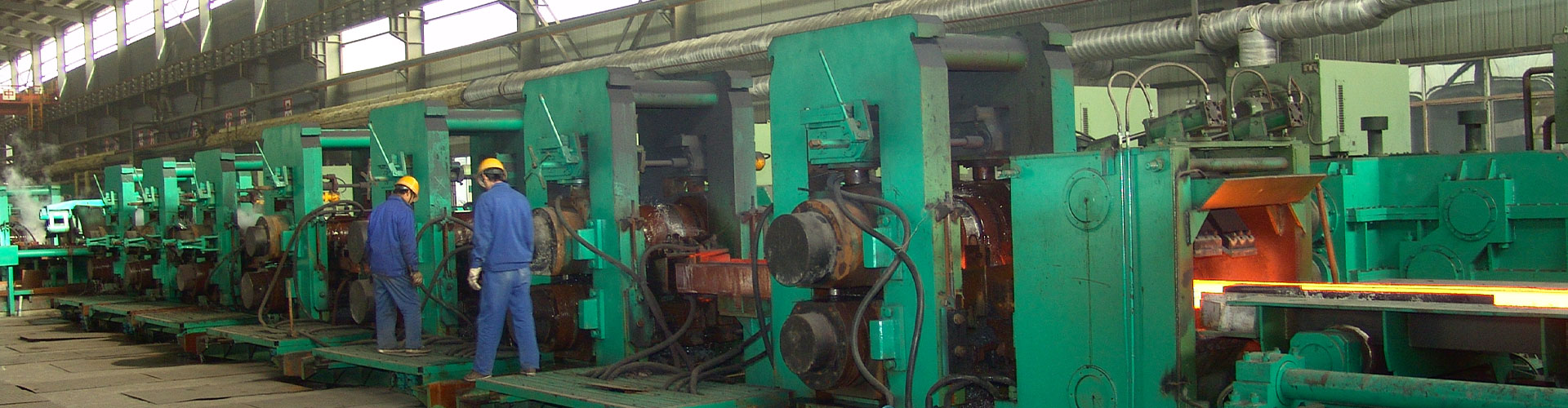
قبل الغوص في العمق, دعونا نوضح ماذا المتداول الصلب يعني في الواقع. إنها عملية تشكيل قضبان الصلب, ألواح, أو تزدهر في المنتجات النهائية أو شبه المصنعة مثل الأطباق, الحانات, القضبان, لفائف, والأقسام باستخدام بكرات الضغط العالي.
هناك نوعان رئيسيان:
المتداول الساخن
يتم تسخين الفولاذ فوق درجة حرارة إعادة التبلور (عادة حوالي 1100 درجة مئوية) ومرت عبر بكرات. تستخدم للحزم الهيكلية, حديد التسليح, شقق واسعة, والألواح الثقيلة.
المتداول البارد
يتم تنفيذها في درجة حرارة الغرفة على ملفات مدرفلة على الساخن. تنتج تفاوتات أكثر إحكاما, أسطح أكثر سلاسة. شائع في السيارات, الأجهزة, وأجزاء الدقة.
يؤثر الاختيار بين الساخن والبارد على التكلفة, قوة, الانتهاء من السطح, والتطبيق النهائي. ويساعد فهم هذه الاختلافات في تفسير سبب ارتفاع أسعار بعض المنتجات بشكل أكبر من غيرها.
اتجاهات الأسعار الحقيقية: ما تظهره البيانات (2021-2025)
لفهم التأثير, فيما يلي نظرة على متوسط أسعار السوق لمنتجات الصلب المدرفلة الرئيسية في المناطق الرئيسية. جميع القيم لكل طن متري (دولار أمريكي).
| نوع المنتج | منطقة | س1 2021 متوسط ($/طن) | س1 2023 قمة ($/طن) | س1 2025 حاضِر ($/طن) | يتغير (%) |
|---|---|---|---|---|---|
| لفائف المدرفلة على الساخن (لجنة حقوق الإنسان) - 3 ملم | الصين | $680 | $1,420 | $980 | +44% |
| إتش آر سي – 5 ملم | الولايات المتحدة الأمريكية | $720 | $1,560 | $1,050 | +46% |
| لفائف المدرفلة على البارد (اتفاقية حقوق الطفل) - 1.0 ملم | الاتحاد الأوروبي | $810 | $1,680 | $1,120 | +38% |
| حديد التسليح (درجة 60) | الهند | $590 | $1,020 | $740 | +25% |
| ورقة مجلفنة (جي) - 0.5 ملم | المتوسط العالمي | $870 | $1,750 | $1,200 | +38% |
مصادر البيانات: الرابطة العالمية للصلب, مجموعة كرو, نشرة معدنية, تقارير التبادل الوطني (تحديثات Q1). ملحوظة: الأسعار تختلف على أساس حجم الطلب, شروط التسليم, ومحتوى السبائك.
التحول من الخام إلى الدقة: كيف تتكيف المطاحن
كان أحد أكبر التغييرات في السنوات الأخيرة هو التحول من تصدير الفولاذ الكربوني الأساسي إلى إنتاج الصلب ذي القيمة الأعلى, المنتجات المدرفلة بدقة. ويتجلى هذا الاتجاه بشكل خاص في دول مثل الصين والهند, حيث تعمل السياسات الحكومية الآن على الحد من صادرات الصلب الخام ولكنها تشجع التصنيع ذي القيمة المضافة.
على سبيل المثال:
- قامت العديد من مصانع الدرفلة الكبيرة بتحديث خطوط مطحنة الشريط الساخن مع التحكم الآلي في السُمك (ايه جي سي), تحسين أنظمة التبريد, وكاميرات فحص سطحية أفضل.
- تضيف وحدات الدرفلة على البارد تسوية التوتر ومطاحن تمرير الجلد لتحسين التسطيح والخواص الميكانيكية لاستخدام السيارات.
- تستثمر المطاحن المتخصصة الصغيرة في الدرفلة الضيقة للأسواق المتخصصة مثل أنظمة تركيب الطاقة الشمسية, قنوات التكييف, وتصفيحات المحركات الكهربائية.
هذا التحول ليس رخيصا. يمكن أن يتكلف التحديث الكامل لخط الدرفلة على الساخن متوسط الحجم في أي مكان $30 مليون ل $80 مليون, اعتمادا على مستوى الأتمتة والقدرة. لكن المردود يأتي في معدلات عائد أفضل, انخفاض استخدام الطاقة لكل طن, والحصول على أسعار متميزة في أسواق التصدير.
كفاءة الطاقة في خطوط دلفنة الفولاذ الحديثة
مع حساب الطاقة لمدة تصل إلى 25% من إجمالي تكلفة الإنتاج في بعض المصانع, تحسينات الكفاءة لم تعد اختيارية. وإليك كيفية قيام مصانع الدرفلة من الجيل الجديد بتقليل استخدام الطاقة دون التضحية بالإنتاج.
| ترقية التكنولوجيا | تم حفظ الطاقة (كيلوواط ساعة/طن) | فترة استرداد الاستثمار | أفضل ل |
|---|---|---|---|
| محركات التجدد على المطاحن العكسية | 45-60 كيلوواط ساعة | 2.5– 4 سنوات | المطاحن الباردة, المتداول لوحة |
| التدفئة التعريفي عالية الكفاءة (لإعادة التسخين) | 80-100 كيلوواط ساعة | 3-5 سنوات | التسخين المسبق للبيليت قبل التدحرج |
| التحكم الآلي في فجوة اللفة + التنبؤ بالذكاء الاصطناعي | 20-30 كيلوواط ساعة | 1.5– 3 سنوات | جميع المطاحن المستمرة |
| استعادة الحرارة المهدرة من الأفران | يعادل 50 كيلوواط ساعة الحرارية | 4-6 سنوات | مصانع الدرفلة الساخنة الكبيرة |
هذه ليست أفكارًا مستقبلية، بل يتم تنفيذها الآن في المطاحن في جميع أنحاء تركيا, كوريا الجنوبية, وجنوب شرق آسيا. حتى أن المشغلين الأصغر حجمًا يقومون بتأجير مجموعات ترقية معيارية تتضمن أجهزة استشعار ذكية وصناديق حوسبة متطورة لمراقبة تآكل اللفات والتنبؤ باحتياجات الصيانة.
ماذا يعني هذا بالنسبة لصانعي المعدات ومقدمي الخدمات
إذا قمت بالبناء أو الخدمة المتداول الصلب الآلات, تقدم فترة التحول هذه فرصًا حقيقية. لا تقوم المطاحن باستبدال الأجزاء المكسورة فحسب، بل إنها تعيد التفكير في تدفقات الإنتاج بأكملها.
وهنا يتزايد الطلب:
- آلات طحن لفة الدقة: مطلوب للحفاظ على دقة مستوى الميكرون في بكرات العمل المستخدمة في الدرفلة على البارد.
- أنظمة فحص الأسطح عبر الإنترنت: الكاميرات وبرامج الذكاء الاصطناعي التي تكتشف الشقوق, خدوش, or scale defects in real time.
- Rolling oil filtration units: Essential for maintaining clean lubrication in tandem cold mills.
- Customized guide systems: Reduce wear and misalignment during high-speed bar and rod rolling.
One manufacturer in Germany reported a 70% increase in orders for compact reversing cold mills between 2022 و 2024 — mainly from emerging markets looking to produce local substitutes for imported automotive sheet.
Whether you run a fabrication shop or source materials for construction projects, here are practical steps to manage rising costs and supply risks:
- Lock in long-term contracts when possible. Some mills offer fixed-price agreements for 6–12 months if you commit to minimum volumes.
- Consider alternative grades. For non-critical applications, switching from ASTM A36 to Q235 or S235JR can save 8–12% without compromising performance.
- Optimize cut patterns. Work with your processor to reduce scrap. Even a 3% improvement in yield adds up fast at today’s prices.
- Explore regional suppliers. Transporting steel over long distances adds cost. Local mini-mills using electric arc furnaces often have more stable pricing.
- Monitor inventory closely. Avoid panic buying. Use rolling forecasts and buffer stock only for critical items.
التطلع إلى الأمام: أين يتجه الصلب المتداول?
The era of cheap, abundant steel may be over — at least for now. But that doesn’t mean stagnation. On the contrary, the pressure to innovate has never been stronger.
Over the next five years, expect to see:
- More adoption of digital twins for rolling mill simulation and optimization.
- Increased use of high-strength low-alloy (HSLA) steels that allow thinner gauges and lighter structures.
- Growth in mini-mill networks using recycled scrap and renewable energy.
- Tighter integration between rolling mills and downstream coating or forming lines to reduce handling and logistics.
The core function of المتداول الصلب remains unchanged — transforming raw metal into usable shapes. But how it’s done, how efficiently, and how sustainably will define which companies thrive in the coming decade.
الأفكار النهائية للاعبين الصناعة
The rise in steel prices hasn’t been easy. It’s squeezed margins, forced tough decisions, and exposed weaknesses in supply chains. But it’s also accelerated progress.
Mills that once delayed upgrades are now moving fast. Engineers are finding smarter ways to use energy and materials. Buyers are becoming more strategic. And equipment makers are stepping up with solutions that deliver real returns.
At the heart of it all is the المتداول الصلب process — still one of the most vital links in the industrial world. Whether you’re turning out coils for wind towers or precision strips for medical devices, understanding the forces shaping this sector gives you an edge.
Stay informed. Stay flexible. And keep focusing on quality and efficiency — because those values matter more than ever.