يكمن جوهر أي عملية درفلة معدنية حديثة في قدرتها على تقليل مساحة المقطع العرضي لقطعة الشغل المعدنية بدقة وكفاءة. المركزية في هذه العملية هي مطحنة الدرفلة تقليل حجم الكتلة, تجميع متطور يمثل تطورًا كبيرًا من المطاحن ذات الحامل الفردي. توفر هذه المقالة فحصًا تفصيليًا لل مطحنة الدرفلة تقليل حجم الكتلة, مكوناته, مبادئ العمل, والمعلمات الحاسمة التي تحدد أدائها. يعد فهم هذه التكنولوجيا أمرًا ضروريًا لتحسين خطوط إنتاج القضبان, سلك, والقسم المتداول.
ما هي مطحنة الدرفلة لتقليل حجم الكتلة?
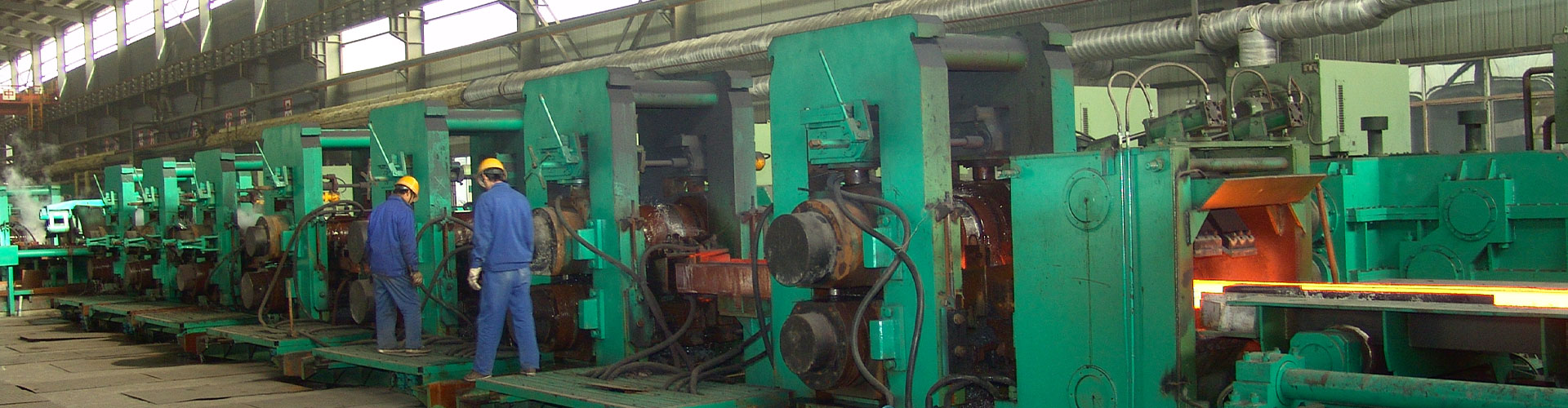
أ مطحنة الدرفلة تقليل حجم الكتلة, غالبًا ما يطلق عليها ببساطة كتلة الاختزال أو مطحنة الكتلة الصغيرة, هو الاتفاق, وحدة درفلة متعددة الحامل مصممة لتحقيق تخفيض كبير في المقطع العرضي في قطعة واحدة, تمرير مستمر. على عكس مصانع الدرفلة التقليدية حيث تكون المدرجات متباعدة, المدرجات في أ مطحنة الدرفلة تقليل حجم الكتلة يتم ترتيبها في ضيق, تسلسل متتابع. يسمح هذا الترتيب عالي الكثافة بتسلسل مستمر وسريع للتخفيضات, مما يجعلها فعالة بشكل استثنائي للحوامل المتوسطة والنهائية في خط التدحرج. وتتمثل الوظيفة الأساسية لهذه الكتلة في تحويل شريط وارد أكبر أو قطعة معدنية إلى أصغر, انتهى, أو منتج شبه نهائي مع تفاوتات أبعاد ضيقة وجودة سطح محسنة.
تصميم أ مطحنة الدرفلة تقليل حجم الكتلة هو مجال رئيسي من مجالات الخبرة لشركات مثل HANI TECH, والتي تتخصص في تصميم وتصنيع معدات الدرفلة والأجزاء المساعدة. خبرتهم تضمن أن هذه الكتل قوية, موثوق, وقادرة على التشغيل بسرعة عالية.
المكونات الأساسية والتكامل مع حامل مطحنة الدرفلة
فعالية أ مطحنة الدرفلة تقليل حجم الكتلة يتوقف على التكامل السلس لمكوناته الأساسية, كل يلعب دورا حيويا. والأكثر أهمية من هذه هو موقف مطحنة الدرفلة. داخل كتلة التخفيض, عديد تقف مطحنة الدرفلة يتم تركيبها على واحد, إطار جامد. يمكن أن تكون هذه المدرجات أفقية, رَأسِيّ, أو مزيج من الاثنين معا (على سبيل المثال, بالتناوب المدرجات الأفقية والرأسية), مما يسمح بالتشوه من زوايا مختلفة دون الحاجة إلى لف قطعة العمل بين الحوامل. وهذا لا يؤدي إلى زيادة الكفاءة فحسب، بل يعمل أيضًا على تحسين الشكل البيضاوي ودقة الأبعاد للمنتج النهائي.
كل موقف مطحنة الدرفلة داخل الكتلة يضم زوجًا من القوائم, وهي نقاط الاتصال المباشرة مع المعدن. يتم تشغيل اللفات بواسطة محرك قوي, غالبًا من خلال علبة تروس مصممة خصيصًا للكتلة. تعد دقة نظام القيادة أمرًا بالغ الأهمية للحفاظ على سرعة ثابتة عبر جميع الحوامل, منع تراكم التوتر أو الضغط في المواد التي يتم دحرجتها. بالإضافة إلى, تشتمل الكتلة على معدات توجيه متطورة لتوجيه المخزون بدقة من حامل إلى آخر, ضمان الاستقرار طوال عملية التخفيض. تعد الأنظمة المساعدة للتبريد والتشحيم أيضًا جزءًا لا يتجزأ من تشغيل الكتلة, إدارة الحرارة الهائلة الناتجة عن تشوه البلاستيك وتقليل تآكل اللفائف.
علم تخفيض الحجم: كيف تعمل الكتلة
عملية أ مطحنة الدرفلة تقليل حجم الكتلة هي أعجوبة مستمرة للهندسة الميكانيكية. تبدأ العملية عندما يدخل البليت المسخن مسبقًا أو المنتج الوسيط من مطحنة التخشين إلى الحامل الأول للكتلة. عندما يمر السهم عبر الفجوة بين لفات الحامل الأول, يتم تقليل المقطع العرضي لها, ويزداد طوله تبعا لذلك. في الحال, يتم التعامل مع السهم من خلال الموقف التالي, التي لديها فجوة لفة أصغر قليلاً, تطبيق مزيد من التخفيض.
يتكرر هذا التسلسل من خلال كل لاحقة موقف مطحنة الدرفلة في الكتلة. إن مفتاح التشغيل الناجح هو التدحرج "بدون توتر" أو "التوتر الجزئي"., حيث تتم مزامنة سرعة كل حامل بدقة لتتناسب مع استطالة المادة. تستخدم الكتل الحديثة أنظمة أتمتة وتحكم متقدمة لضبط سرعة كل حامل ديناميكيًا, ضمان على نحو سلس, التدفق المستمر للمعادن. هذا التحكم الدقيق هو ما يسمح مطحنة الدرفلة تقليل حجم الكتلة لتحقيق مثل هذه التخفيضات العالية بجودة المنتج الممتازة. تقلل الطبيعة المدمجة للكتلة من فقدان درجة الحرارة في قطعة العمل, وهو أمر بالغ الأهمية للحفاظ على خصائص المواد المتسقة وتقليل قوة التدحرج.
المعلمات التقنية الرئيسية لطاحونة الدرفلة ذات الحجم المخفض
اختيار وتشغيل أ مطحنة الدرفلة تقليل حجم الكتلة يتطلب فهمًا عميقًا لمواصفاته الفنية. تحدد المعلمات أدناه السعة, القدرة, ونطاق تطبيق المعدات. تعتبر هذه المواصفات ضرورية للمهندسين ومديري المصانع لمطابقة الكتلة بأهداف الإنتاج المحددة الخاصة بهم, سواء للصلب الكربوني, سبائك الصلب, أو المعادن غير الحديدية.
| المعلمة | وصف | النطاق النموذجي / مثال |
|---|---|---|
| عدد المدرجات | العدد الإجمالي لطواحين الدرفلة المدمجة في الكتلة. | 2, 4, 6, 8, 10 |
| ترتيب المدرجات | اتجاه المدرجات المتتالية (على سبيل المثال, أفقي عمودي). | إتش-في, V-H, ح-ف-ح-ف |
| حجم شريط الإدخال | الحد الأقصى لبعد المقطع العرضي للمادة الواردة. | Ø18 ملم – Ø60 ملم |
| حجم شريط الإخراج | البعد النهائي للمنتج بعد المرور عبر الكتلة. | Ø8mm – Ø40mm |
| الحد الأقصى للتخفيض الإجمالي | الحد الأقصى الممكن لتخفيض مساحة المقطع العرضي. | حتى 85-90% |
| قطر لفة | قطر لفات العمل في كل ستاند. | Ø180 ملم – Ø350 ملم |
| مادة الرول | التركيب المادي للفات لمقاومة التآكل. | الحديد الزهر بالطرد المركزي, كربيد التنغستن, الأحرار |
| قوة المحرك الرئيسي | القوة الإجمالية لمحرك الدفع للكتلة بأكملها. | 500 كيلوواط – 2500 KW |
| أقصى سرعة المتداول | السرعة الخطية القصوى للشريط الخارج من الموقف النهائي. | 10 آنسة - 45 آنسة |
| نسبة علبة التروس | نسبة تخفيض السرعة بين المحرك والبكرات. | مخصصة لكل تطبيق |
| نوع المطحنة | التصميم الأساسي للجناح داخل الكتلة. | دخول أعلى, الدخول الجانبي, ناتئ |
| سعة نظام التبريد | معدل التدفق وضغط مياه التبريد لفة. | على سبيل المثال, 100 م³/ساعة عند 6 حاجِز |
| نظام التشحيم | نوع التشحيم للتروس والمحامل. | رذاذ الزيت أو الشحوم المركزي |
| نظام التحكم | نظام التشغيل الآلي المستخدم لمزامنة السرعة. | PLC مع واجهة SCADA |
| تصميم المرور | شكل الأخاديد المقطوعة على شكل لفات لكل حامل. | جولة البيضاوي, مربع البيضاوي, إلخ. |
| الأبعاد الشاملة (طول × عرض × ارتفاع) | البصمة المادية لتجميع الكتلة بأكملها. | يختلف بشكل كبير مع عدد المواقف |
| الوزن الإجمالي | الوزن التقريبي للكتلة المجمعة. | 10 طن – 50 طن |
التطبيقات والمزايا في علم المعادن الحديث
تطبيق مطحنة الدرفلة تقليل حجم الكتلة منتشر على نطاق واسع في إنتاج المنتجات الطويلة. وهي المهيمنة بشكل خاص في:
- مطاحن قضبان الأسلاك عالية السرعة: هنا, يتم استخدام الكتلة كوحدة ما قبل التشطيب والتشطيب لإنتاج لفائف قضبان الأسلاك من أقطار صغيرة بدقة عالية وجودة السطح.
- مصانع البار وحديد التسليح: تضمن الكتلة أبعادًا نهائية متسقة وخصائص ميكانيكية محسنة لقضبان التسليح والقضبان التجارية.
- مطاحن القسم الخفيف: لإنتاج الزوايا, القنوات, وغيرها من الأقسام الصغيرة, توفر كتلة التخفيض حلاً فعالاً للتشكيل.
مزايا استخدام أ مطحنة الدرفلة تقليل حجم الكتلة عديدة. يوفر تصميمها المدمج مساحة أرضية كبيرة مقارنة بالمطاحن التقليدية المنتشرة. تؤدي كفاءة التخفيض العالية إلى انخفاض استهلاك الطاقة لكل طن من الفولاذ المنتج. تحسين جودة المنتج, من حيث دقة الأبعاد والانتهاء من السطح, هو نتيجة مباشرة للمستمر, عملية المتداول التي تسيطر عليها. بالإضافة إلى, تقلل الدرجة العالية من الأتمتة من التدخل اليدوي وتزيد من السلامة التشغيلية الشاملة.
لا تقوم شركات مثل HANI TECH بتوريد المعدات الجديدة فحسب، بل توفر أيضًا قطع الغيار الأساسية والخدمات الفنية للمعدات الموجودة مطحنة الدرفلة تقليل حجم الكتلة المنشآت. وهذا يشمل لفات, علب التروس, أدلة, ومكونات القيادة, ضمان الحد الأدنى من التوقف عن مصانع الدرفلة. بصورة مماثلة, لعملية المنبع لصهر المعادن, هاني قسم المعادن (hanmetallurgy.com) تقدم أفران القوس الكهربائي, أفران تكرير مغرفة, وآلات الصب المستمر, والتي تعتبر ضرورية لإعداد الخامات عالية الجودة التي تغذي مصانع الدرفلة.
خاتمة
ال مطحنة الدرفلة تقليل حجم الكتلة هو حجر الزاوية في إنتاج درفلة المعادن بكفاءة وعالية الجودة. تصميمها الذكي, الذي يدمج متعددة تقف مطحنة الدرفلة في واحد, وحدة متزامنة, يسمح بتحكم غير مسبوق في عملية تقليل الحجم. من خلال فهم المعايير الفنية المعقدة والمبادئ التشغيلية لل مطحنة الدرفلة تقليل حجم الكتلة, يمكن للمصنعين تحسين إنتاجيتهم وجودة منتجاتهم بشكل كبير. مع تقدم التكنولوجيا, يمكننا أن نتوقع أن تصبح هذه الكتل أكثر كفاءة, متكاملة مع الصيانة التنبؤية والتحسين القائم على الذكاء الاصطناعي, مما يعزز دورها في مستقبل تشكيل المعادن.