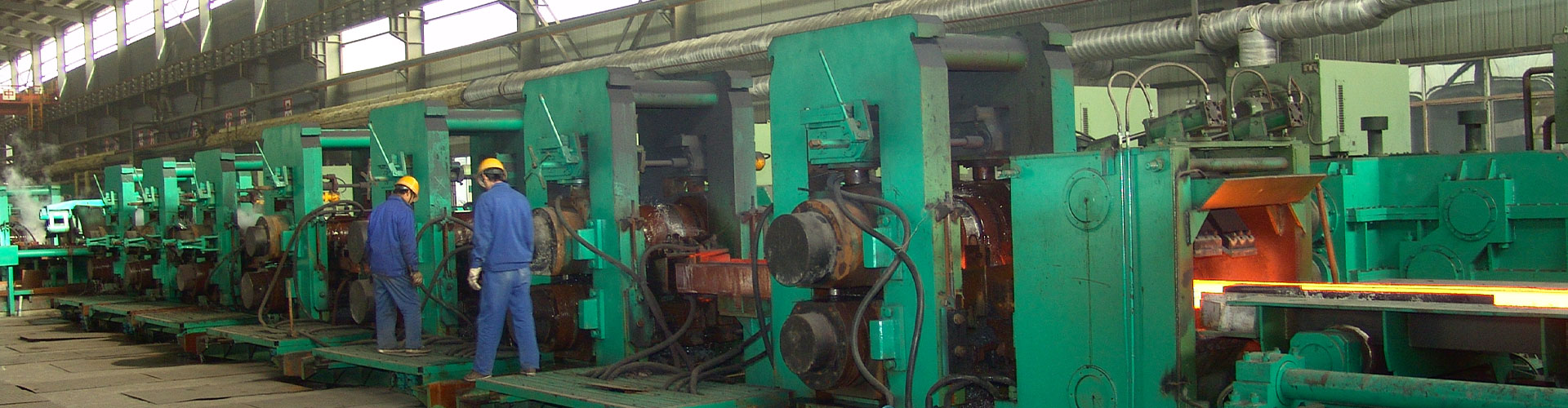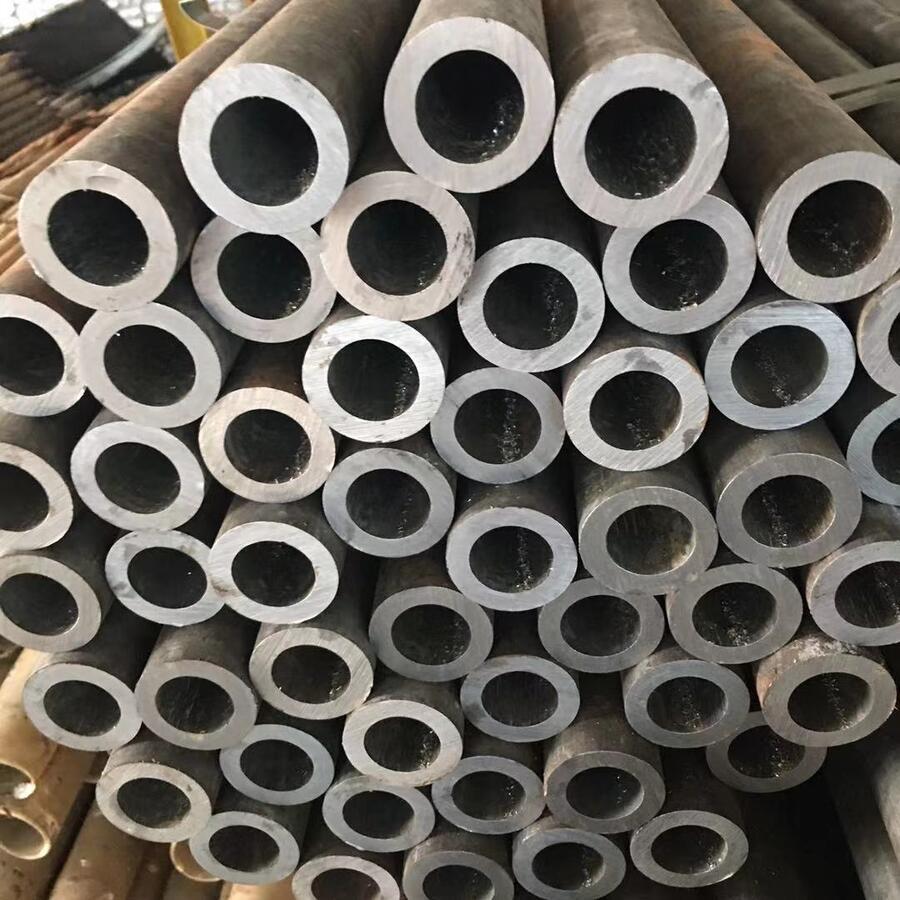
يعد تسخين قضبان الصلب خطوة حاسمة في عملية إنتاج مطحنة قضبان الأسلاك عالية السرعة. يؤثر الحصول على هذه المرحلة بشكل صحيح على الجودة, الخصائص الميكانيكية, والتشطيب السطحي لمنتج قضيب السلك النهائي. في مصانع القضبان السلكية الحديثة عالية السرعة، حيث يمكن أن تتجاوز سرعات التدحرج 100 متر في الثانية - متطلبات توحيد درجة حرارة البليت, دقة, والرقابة أكثر صرامة من أي وقت مضى.
لماذا يعتبر التحكم في درجة الحرارة أمرًا مهمًا في عملية طحن قضبان الأسلاك عالية السرعة
في إنتاج قضبان الأسلاك عالية السرعة, عادةً ما يتم دحرجة قضبان الصلب بسرعات لا تترك مجالًا كبيرًا للخطأ. إذا دخل البليت إلى المنصة الأولى للطاحونة مع توزيع غير متساوٍ لدرجة الحرارة, يمكن أن يؤدي إلى العديد من القضايا الخطيرة:
- تشوه غير متساو أثناء التدحرج
- زيادة خطر حدوث تشققات سطحية أو عيوب داخلية
- ضعف دقة الأبعاد للمنتج النهائي
- صعوبة تحقيق البنية المجهرية المستهدفة والخواص الميكانيكية
بسبب هذه التحديات, يجب أن تضمن عملية التسخين ليس فقط متوسط درجة الحرارة الصحيحة ولكن أيضًا التحكم الدقيق في ملف درجة الحرارة على طول طول قطعة العمل بالكامل.
التحدي الفريد: طول الخام والوزن
غالبًا ما تستخدم المطاحن الحديثة ذات القضبان السلكية عالية السرعة قطعًا كبيرة الحجم — عادةً 150 مم × 150 ملم أو 160 مم × 160 مم في المقطع العرضي, بأطوال تتراوح من 6 ل 12 متر والأوزان بين 1.5 ل 3.5 طن. الحجم الهائل يعني أن ديناميكيات نقل الحرارة تصبح معقدة. تفقد أطراف قطعة العمل الحرارة بشكل أسرع من المركز, خاصة أثناء النقل من فرن إعادة التسخين إلى منصات مطحنة التخشين.
للتعويض, يقوم المشغلون عن عمد بتسخين أجزاء الرأس والذيل من قطعة العمل بدرجة حرارة أعلى قليلاً من القسم الأوسط. تضمن هذه التقنية - المعروفة باسم "تحديد درجة الحرارة" أو "التعويض النهائي" - أنه بحلول الوقت الذي يصل فيه كل جزء إلى الحامل المتداول الأول, يصلون جميعًا إلى نفس درجة حرارة التدحرج تقريبًا.
معلمات التسخين النموذجية للقضبان الفولاذية
تعتمد معلمات التسخين الدقيقة على درجة الفولاذ, ولكن توجد إرشادات عامة للفولاذ الشائع الكربون والسبائك المنخفضة المستخدم في إنتاج قضبان الأسلاك (على سبيل المثال, SWRH82B, SAE1006, Q195, Q235).
| درجة الصلب | درجة حرارة النقع المستهدفة (درجة مئوية) | إزاحة الرأس/الذيل (درجة مئوية) | ماكس درجة الحرارة الانحراف التوحيد | نوع الفرن |
|---|---|---|---|---|
| Q195 / Q235 | 1180-1220 | +30 ل +50 | ±15 درجة مئوية | شعاع المشي / انتهازي |
| SWRH62A / SWRH82B | 1150-1190 | +35 ل +45 | ±10 درجة مئوية | شعاع المشي |
| SAE1006 / 1008 | 1200-1230 | +30 ل +50 | ±12 درجة مئوية | شعاع المشي / الموقد الدوار |
| 45# / 60# الكربون الصلب | 1170-1210 | +40 ل +50 | ±10 درجة مئوية | شعاع المشي |
ملحوظة: يشير "إزاحة الرأس/الذيل" إلى مدى سخونة الأطراف التي يتم تسخينها مقارنة بمركز البليت. يعد هذا الإزاحة ضروريًا لمواجهة فقدان الحرارة أثناء النقل والاتصال الأولي باللفات.
العيوب الشائعة الناتجة عن سوء تسخين البليت
عندما لا يتم التحكم في تسخين الخام بشكل صحيح, يمكن أن تحدث العديد من العيوب، والعديد منها لا يمكن إصلاحه بمجرد بدء التدحرج:
- ارتفاع درجة الحرارة: يحدث خشونة الحبوب فوق درجات الحرارة الحرجة (عادة >1250درجة مئوية للفولاذ الكربوني العادي), تقليل الليونة وزيادة حساسية الكراك.
- حرق: الأكسدة التي لا رجعة فيها على طول حدود الحبوب عندما تقترب درجات الحرارة من نقطة الصلابة (~1300 درجة مئوية). وهذا يؤدي إلى فشل فادح أثناء التدحرج.
- تشكيل النطاق المفرط: تؤدي مستويات الأكسجين المرتفعة أو فترات النقع الطويلة إلى زيادة مقياس أكسيد الحديد, والتي لا تهدر المواد فحسب، بل يمكن أن تسبب أيضًا حفرًا سطحية على قضيب السلك.
- إزالة الكربنة: فقدان الكربون السطحي في درجات الحرارة المرتفعة, الأجواء المؤكسدة - تمثل مشكلة خاصة بالنسبة للدرجات عالية الكربون مثل SWRH82B المستخدمة في سلك الإطارات أو الأسلاك الخرسانية سابقة الإجهاد.
- التواء أو تزييفها: يمكن أن يؤدي التمدد الحراري غير المتساوي بسبب التدرجات الحرارية إلى تشويه القضبان الطويلة فعليًا, مما يسبب مشاكل في التعامل أو تلف اللفة.
أفضل الممارسات لتسخين الخام الأمثل
يتبع كبار منتجي قضبان الأسلاك هذه الاستراتيجيات التي أثبتت جدواها للحفاظ على جودة البليت المتسقة:
1. استخدم أفران الشعاع المتحرك حيثما أمكن ذلك
تعمل أفران شعاع المشي على تقليل تلامس البليت مع الأسطح المقاومة للحرارة, تقليل علامات الانزلاق وضمان تسخين أكثر اتساقًا للجانب السفلي. كما أنها تسمح بتقسيم المناطق بشكل دقيق، وعادةً ما يتم تقسيمها إلى مناطق تسخين مسبق, التدفئة, ومناطق النقع - مع التحكم المستقل في درجة الحرارة.
2. تنفيذ مراقبة درجة الحرارة في الوقت الحقيقي
تقوم المطاحن الحديثة بتركيب البيرومترات بالأشعة تحت الحمراء في نقاط متعددة: خروج الفرن, قبل مطحنة الخشنة, وأحيانا حتى بين المدرجات. تقوم هذه المستشعرات بتغذية البيانات لنظام التحكم في العملية, تمكين التعديلات الديناميكية على إعدادات الفرن بناءً على درجة حرارة الخام الفعلية - وليس فقط النماذج النظرية.
3. تحسين جو الفرن
الحفاظ على جو مخفف قليلاً (مع مستويات O₂ الخاضعة للرقابة أدناه 2%) يساعد على تقليل الحجم وإزالة الكربنة. تستخدم بعض المصانع المتقدمة حقن النيتروجين أو الاحتراق المرحلي لضبط كيمياء الفرن.
4. تحكم في وقت النقع بدقة
إن النقع لفترة طويلة يهدر الطاقة ويزيد الحجم; يؤدي القصير جدًا إلى اختلافات في درجات الحرارة من القلب إلى السطح. ل 150 ملم الخام, تتراوح أوقات النقع النموذجية من 40 ل 70 دقائق, اعتمادًا على درجة الفولاذ وكفاءة الفرن.
كيف تؤثر درجة الحرارة على خصائص قضبان الأسلاك النهائية
تؤثر درجة حرارة الدخول إلى مطحنة التشطيب بشكل مباشر على تحول الطور أثناء التبريد المتحكم فيه على Stelmor أو خطوط النقل المماثلة. على سبيل المثال:
- ارتفاع درجة حرارة التشطيب (على سبيل المثال, 950درجة مئوية مقابل. 880درجة مئوية) يؤدي إلى حبيبات الفريت الخشنة وانخفاض قوة الشد.
- تتيح نافذة درجة الحرارة التي يتم التحكم فيها بإحكام تباعدًا متسقًا بين الطبقات البيرلايت في الدرجات عالية الكربون، وهو أمر بالغ الأهمية لأداء الرسم.
- للفولاذ ذو السبائك الدقيقة (على سبيل المثال, ملحوظة- أو V المضافة), تعمل عملية إعادة التسخين الدقيقة على تجنب انحلال الرواسب التي تساهم في القوة عن طريق تصلب الترسيب.
هكذا, لا يقتصر تسخين البليت على جعل الفولاذ قابلاً للطرق فحسب، بل إنه الأساس لتحقيق الهيكل المعدني المطلوب في نهاية المطاف.
نصائح عملية للمشغلين
إذا كنت تقوم بتشغيل مطحنة قضبان الأسلاك عالية السرعة, النظر في هذه التوصيات التي تم اختبارها ميدانيا:
- تحقق دائمًا من درجة حرارة البليت باستخدام البيرومترات المحمولة أثناء تغيير الورديات أو بعد صيانة الفرن.
- سجل الرأس, وسط, ودرجات حرارة الذيل لكل 10 قطع كجزء من ضمان الجودة.
- اضبط التعويض النهائي بناءً على درجة الحرارة المحيطة - قد تتطلب البيئات الباردة إزاحة إضافية بمقدار +5 درجة مئوية.
- فحص سمك النطاق بانتظام; قد تشير الزيادات المفاجئة إلى عدم توازن الموقد أو وجود هواء زائد في الفرن.
- لا تتخطى أبدًا عملية إزالة الترسبات الكلسية قبل التدحرج، فحتى الترسبات الصغيرة يمكن أن تندمج في السطح بسرعات عالية.
لا يقتصر الحصول على تسخين قضبان الفولاذ بشكل صحيح في طاحونة قضبان سلكية عالية السرعة على اتباع الوصفة فحسب، بل يتعلق أيضًا بفهم فيزياء نقل الحرارة, علم المعادن, وديناميكيات الإنتاج في العالم الحقيقي. عندما يتم ذلك بشكل صحيح, فهو يؤدي إلى المتداول أكثر سلاسة, فترات راحة أقل, جودة سطح أفضل, وخصائص ميكانيكية متسقة دفعة بعد دفعة.